Video wird geladen...

Video konnte nicht geladen werden

Zur Startseite

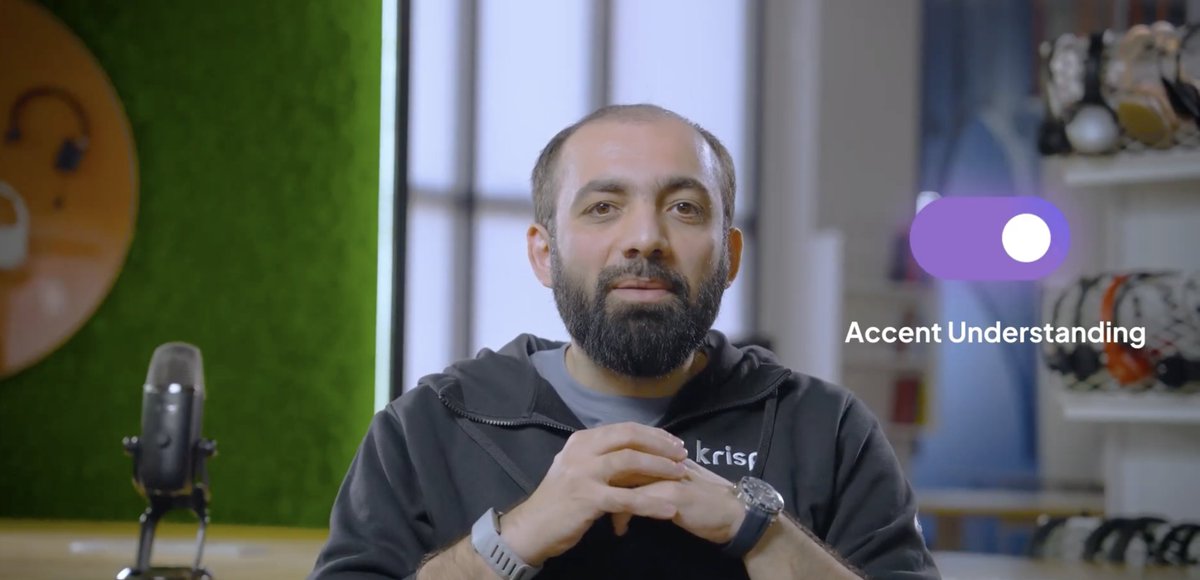
โšก๐—™๐—ฎ๐˜€๐˜๐—ฒ๐—ฟ ๐—ณ๐—ถ๐˜…๐—ฒ๐˜€, ๐—น๐—ฒ๐˜€๐˜€ ๐—ฑ๐—ผ๐˜„๐—ป๐˜๐—ถ๐—บ๐—ฒ. With #5Gpowered #AR, field techs get near real-time guidance from remote experts. No wires. Just quick, accurate service when it matters most. ๐Ÿš€ Check it out:

309,617 Aufrufe โ€ข vor 1 Jahr โ€ขvia X (Twitter)

4 Kommentare

Profilbild von Guy M. Daneck
Guy M. Daneckvor 1 Jahr

Back in the 1980's, this is how the mobile phone network was originally designed to operate, but there were not enough customers at that time, when one minute on cellular costs several dollars! T-Mobile, you bring back the nice pioneering days of electronics in story! ๐Ÿฑ๐Ÿฅ›

Profilbild von Kareem
Kareemvor 1 Jahr

โœŒโœŒ

Profilbild von แดแด€สแดส€
แดแด€สแดส€vor 1 Jahr

The waves may knock us down, but we always rise stronger..Data Property Name

Profilbild von แดแด€สแดส€
แดแด€สแดส€vor 1 Jahr

Technology bringing minds together to solve problems faster - thats what community is all about

ร„hnliche Videos

The Laptop Test. Why most remote jobs will disappear within 10 years. Insights from an interview with Shane Legg, cofounder of Google DeepMind. A short clip, but it lands like a brick. Legg lays out a framework that quietly nukes a huge chunk of todayโ€™s job market. โ€ขThe Laptop Test If your job can be done fully remote with just a laptop, screen, and internet, itโ€™s pure cognitive labor. No physical presence. No embodiment. That is exactly the domain advanced AI will dominate. Conclusion: most remote, computer-only jobs are on a countdown. โ€ขYes, humans still matter but less than we think Some digital work survives because people follow people. Influencers, creators, personalities. The value isnโ€™t the task, itโ€™s the human behind it. But thatโ€™s the exception, not the rule. โ€ขExperts are behind the curve Legg points out something uncomfortable: many academics and professionals seriously underestimate AGI. They judge AI by outdated capabilities, not by where it is actually heading. The pace of progress is faster than their mental models. โ€ขWhy โ€œnormal peopleโ€ often get it first Non-experts look at AI and think: it writes better, knows more, speaks more languages, solves more problems than I do. Why wouldnโ€™t it replace jobs? Experts, meanwhile, assume their niche is too special. That belief is often more ego than evidence. Bottom line: If your income depends on work that lives entirely on a screen, you are not competing with AI yet, but you are on borrowed time. The question is no longer if, but how society adapts when this becomes obvious.

VraserX e/acc

235,920 Aufrufe โ€ข vor 7 Monaten