Video yรผkleniyor...

Video Yรผklenemedi

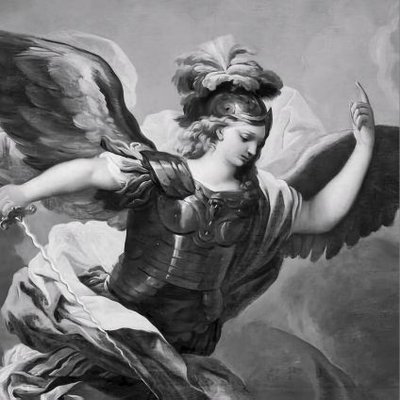
๐—๐˜‚๐—น๐˜† ๐Ÿฐ๐˜๐—ต ๐—ถ๐˜€ ๐˜๐—ต๐—ฒ ๐—ฐ๐—ฒ๐—น๐—ฒ๐—ฏ๐—ฟ๐—ฎ๐˜๐—ถ๐—ผ๐—ป ๐—ผ๐—ณ ๐—ฆ๐—ฎ๐˜๐—ฎ๐—ป'๐˜€ ๐—ฟ๐—ฒ๐—น๐—ฒ๐—ฎ๐˜€๐—ฒ ๐—ณ๐—ฟ๐—ผ๐—บ ๐˜๐—ต๐—ฒ ๐—ฏ๐—ผ๐˜๐˜๐—ผ๐—บ๐—น๐—ฒ๐˜€๐˜€ ๐—ฝ๐—ถ๐˜ Thomas Lawrence was the leading portrait painter in the world in the late 1700s, he painted portraits of royalty and the aristocracy exclusively In 1796 he painted a portrait of Lucifer called "Satan Summoning his Legions" It's...

23,026 gรถrรผntรผleme โ€ข 12 gรผn รถnce โ€ขvia X (Twitter)

0 Yorum

Yorum bulunmuyor

Orijinal gรถnderinin yorumlarฤฑ burada gรถrรผnecek

Benzer Videolar

This video is from a country where there is just ๐Ÿญ ๐—ฝ๐—ผ๐—น๐—ถ๐—ฐ๐—ฒ ๐—ผ๐—ณ๐—ณ๐—ถ๐—ฐ๐—ฒ๐—ฟ ๐—ณ๐—ผ๐—ฟ ๐—ฒ๐˜ƒ๐—ฒ๐—ฟ๐˜† ๐Ÿณ๐Ÿฎ๐Ÿฌ ๐—ฝ๐—ฒ๐—ผ๐—ฝ๐—น๐—ฒ , but ๐—ณ๐—ผ๐—ฟ ๐—ฒ๐˜ƒ๐—ฒ๐—ฟ๐˜† ๐—ฉ๐—œ๐—ฃ, ๐—ฎ๐—ป ๐—ฎ๐˜ƒ๐—ฒ๐—ฟ๐—ฎ๐—ด๐—ฒ ๐—ผ๐—ณ ๐Ÿฏ ๐—ผ๐—ณ๐—ณ๐—ถ๐—ฐ๐—ฒ๐—ฟ๐˜€ are assigned. Weโ€™re talking about India, which has one of the ๐—น๐—ผ๐˜„๐—ฒ๐˜€๐˜ ๐—ฝ๐—ผ๐—น๐—ถ๐—ฐ๐—ฒ-๐˜๐—ผ-๐—ฐ๐—ถ๐˜๐—ถ๐˜‡๐—ฒ๐—ป ๐—ฟ๐—ฎ๐˜๐—ถ๐—ผ๐˜€ in the world. And yet, time and again, ๐—น๐—ผ๐—ป๐—ด ๐—ฐ๐—ผ๐—ป๐˜ƒ๐—ผ๐˜†๐˜€ ๐—ผ๐—ณ ๐—ฝ๐—ผ๐—น๐—ถ๐—ฐ๐—ฒ ๐˜ƒ๐—ฒ๐—ต๐—ถ๐—ฐ๐—น๐—ฒ๐˜€ are seen escorting not just elected leaders, but also their family members, even those who hold no official position or public duty. One of the most recent examples came just a few months ago, when ๐˜๐—ต๐—ฒ ๐˜‚๐—ป๐—ฑ๐—ฒ๐—ฟ๐—ฎ๐—ด๐—ฒ ๐˜€๐—ผ๐—ป of Rajasthanโ€™s Deputy Chief Minister was seen filming a reel, sitting in an open jeep, ๐˜„๐—ต๐—ถ๐—น๐—ฒ ๐—ฎ ๐—ฝ๐—ผ๐—น๐—ถ๐—ฐ๐—ฒ ๐˜ƒ๐—ฒ๐—ต๐—ถ๐—ฐ๐—น๐—ฒ ๐˜๐—ฟ๐—ฎ๐—ถ๐—น๐—ฒ๐—ฑ ๐—ฏ๐—ฒ๐—ต๐—ถ๐—ป๐—ฑ. The very officers who shouldโ€™ve been ๐—ฝ๐—ฎ๐˜๐—ฟ๐—ผ๐—น๐—น๐—ถ๐—ป๐—ด ๐˜๐—ต๐—ฒ ๐˜€๐˜๐—ฟ๐—ฒ๐—ฒ๐˜๐˜€ ๐—ฎ๐—ป๐—ฑ ๐—ฝ๐—ฟ๐—ผ๐˜๐—ฒ๐—ฐ๐˜๐—ถ๐—ป๐—ด ๐—ฐ๐—ถ๐˜๐—ถ๐˜‡๐—ฒ๐—ป๐˜€ were instead following a ๐˜๐—ฒ๐—ฒ๐—ป๐—ฎ๐—ด๐—ฒ๐—ฟ ๐—ณ๐—น๐—ฎ๐˜‚๐—ป๐˜๐—ถ๐—ป๐—ด ๐—ฝ๐—ฟ๐—ถ๐˜ƒ๐—ถ๐—น๐—ฒ๐—ด๐—ฒ. Sadly, such misuse of state machinery is not rare. Senior advocate Harish Salve once recounted that he saw ๐—ณ๐—ถ๐˜ƒ๐—ฒ ๐—›๐—ฎ๐—ฟ๐˜†๐—ฎ๐—ป๐—ฎ ๐—ฃ๐—ผ๐—น๐—ถ๐—ฐ๐—ฒ ๐˜ƒ๐—ฒ๐—ต๐—ถ๐—ฐ๐—น๐—ฒ๐˜€ ๐—ฝ๐—ฎ๐—ฟ๐—ธ๐—ฒ๐—ฑ ๐—ผ๐˜‚๐˜๐˜€๐—ถ๐—ฑ๐—ฒ ๐—ฎ ๐—ฝ๐—ผ๐˜€๐—ต ๐—ฟ๐—ฒ๐˜€๐—ถ๐—ฑ๐—ฒ๐—ป๐—ฐ๐—ฒ in his neighbourhood. Upon inquiry, he discovered they werenโ€™t there for a minister, ๐—ฏ๐˜‚๐˜ ๐—ณ๐—ผ๐—ฟ ๐—ฎ ๐—ฟ๐—ฒ๐—น๐—ฎ๐˜๐—ถ๐˜ƒ๐—ฒ of a Chief Minister. Yes, a relative. Not an elected official. Not even a bureaucrat. ๐—๐˜‚๐˜€๐˜ ๐—ฎ ๐—ฟ๐—ฒ๐—น๐—ฎ๐˜๐—ถ๐˜ƒ๐—ฒ. This is how public institutions get hollowed out from within. To be clear, yes, certain positions absolutely require security, and no one disputes that. For instance, presidents and Prime Ministers around the world do receive protection, and rightly so. But their security is tied to the ๐—ฐ๐—ผ๐—ป๐˜€๐˜๐—ถ๐˜๐˜‚๐˜๐—ถ๐—ผ๐—ป๐—ฎ๐—น ๐—ผ๐—ณ๐—ณ๐—ถ๐—ฐ๐—ฒ ๐˜๐—ต๐—ฒ๐˜† ๐—ต๐—ผ๐—น๐—ฑ, not to who they are as individuals. In India, however, that crucial line between ๐—ฐ๐—ผ๐—ป๐˜€๐˜๐—ถ๐˜๐˜‚๐˜๐—ถ๐—ผ๐—ป๐—ฎ๐—น ๐—ฟ๐—ฒ๐˜€๐—ฝ๐—ผ๐—ป๐˜€๐—ถ๐—ฏ๐—ถ๐—น๐—ถ๐˜๐˜† ๐—ฎ๐—ป๐—ฑ ๐—ฝ๐—ฒ๐—ฟ๐˜€๐—ผ๐—ป๐—ฎ๐—น ๐—ฝ๐—ฟ๐—ถ๐˜ƒ๐—ถ๐—น๐—ฒ๐—ด๐—ฒ has been dangerously blurred. And unless we begin to ๐—พ๐˜‚๐—ฒ๐˜€๐˜๐—ถ๐—ผ๐—ป ๐˜๐—ต๐—ถ๐˜€ ๐—ฐ๐˜‚๐—น๐˜๐˜‚๐—ฟ๐—ฒ, it will keep growing, unchecked, unchallenged, and unpunished. -------------------------------------- As Acharya Prashant often says: "In a democracy, ๐˜๐—ต๐—ฒ ๐—น๐—ฒ๐—ฎ๐—ฑ๐—ฒ๐—ฟ ๐—ฑ๐—ผ๐—ฒ๐˜€ ๐—ป๐—ผ๐˜ ๐—น๐—ฒ๐—ฎ๐—ฑ ๐˜๐—ต๐—ฒ ๐—ฝ๐—ฒ๐—ผ๐—ฝ๐—น๐—ฒ, ๐˜๐—ต๐—ฒ ๐—ฝ๐—ฒ๐—ผ๐—ฝ๐—น๐—ฒ ๐—น๐—ฒ๐—ฎ๐—ฑ ๐˜๐—ต๐—ฒ ๐—น๐—ฒ๐—ฎ๐—ฑ๐—ฒ๐—ฟ. Which means, the real transformation begins with the ๐—ฐ๐—ผ๐—บ๐—บ๐—ผ๐—ป ๐—บ๐—ฎ๐—ป." Leaders simply mirror the collective consciousness of the public. If the public is ๐—ถ๐—ป๐—ฑ๐—ถ๐—ณ๐—ณ๐—ฒ๐—ฟ๐—ฒ๐—ป๐˜, ๐˜‚๐—ป๐—ฎ๐˜„๐—ฎ๐—ฟ๐—ฒ, ๐—ผ๐—ฟ ๐—ฒ๐—ฎ๐˜€๐—ถ๐—น๐˜† ๐—ฑ๐—ถ๐˜€๐˜๐—ฟ๐—ฎ๐—ฐ๐˜๐—ฒ๐—ฑ, the leadership will reflect the same. Thatโ€™s why itโ€™s not enough to blame politicians or institutions โ€” the public must first awaken to its responsibility. So raise tough, informed questions now โ€” before the cost of silence becomes too high.

PrashantAdvait Foundation

180,554 gรถrรผntรผleme โ€ข 6 ay รถnce

๐—” ๐— ๐—ฎ๐—ป ๐˜€๐—บ๐—ฎ๐—ฐ๐—ธ๐˜€ ๐—ฎ ๐—ณ๐—ฒ๐—น๐—น๐—ผ๐˜„ ๐˜„๐—ผ๐—ฟ๐˜€๐—ต๐—ถ๐—ฝ๐—ฒ๐—ฟ ๐—ณ๐—ผ๐—ฟ ๐˜€๐—ฎ๐˜†๐—ถ๐—ป๐—ด โ€œ๐—”๐—บ๐—ฒ๐—ฒ๐—ปโ€ ๐—ฎ๐—น๐—ผ๐˜‚๐—ฑ ๐˜„๐—ต๐—ถ๐—น๐—ฒ ๐—ฝ๐—ฟ๐—ฎ๐˜†๐—ถ๐—ป๐—ด! While I deeply appreciate Imam Abu Hanifah & have gained valuable insights from the Hanafi fiqh, as well as the other three schools of thought, those familiar with me understand the intensity of my reaction when scholars such as Imam Abu Hanifah & others are attacked & spoken ill of. What you see in the video is not only ignorant & foolish but also reflects a lack of understanding of fiqh. This behaviour is truly appalling. Even within the Hanafi madhab, engaging in such actions is unequivocally incorrect & it invalidates your prayer, the only exemptions of cutting the prayer are in exceptional circumstances. ๐—œ๐—ป ๐—™๐—ถ๐—พ๐—ต ๐—ถ๐˜ ๐—ถ๐˜€ ๐—ฒ๐˜…๐˜๐—ฟ๐—ฒ๐—บ๐—ฒ๐—น๐˜† ๐—ป๐—ฒ๐—ฐ๐—ฒ๐˜€๐˜€๐—ฎ๐—ฟ๐˜† ๐˜๐—ผ ๐˜๐—ฎ๐—ธ๐—ฒ ๐—ถ๐—ป ๐˜๐—ผ ๐—ฐ๐—ผ๐—ป๐˜€๐—ถ๐—ฑ๐—ฒ๐—ฟ๐—ฎ๐˜๐—ถ๐—ผ๐—ป ๐˜๐—ต๐—ฒ ๐—ฒ๐˜ƒ๐—ถ๐—ฑ๐—ฒ๐—ป๐—ฐ๐—ฒ ๐—ฐ๐—ถ๐˜๐—ฒ๐—ฑ ๐—ฏ๐˜† ๐—ผ๐—ป๐—ฒโ€™๐˜€ ๐—ผ๐—ฝ๐—ฝ๐—ผ๐—ป๐—ฒ๐—ป๐˜ โ€“ meaning the scholar who holds a different view โ€“ in challenging his own established argument, which he had employed to assert a different point of view, this in Fiqh is referred to as ู…ุฑุงุนุงุฉ ุงู„ุฎู„ุงู. Ibn Abideen the hanafi scholar said; โ€œ๐—œ๐˜ ๐—ถ๐˜€ ๐—ป๐—ฒ๐—ฐ๐—ฒ๐˜€๐˜€๐—ฎ๐—ฟ๐˜† ๐—ณ๐—ผ๐—ฟ ๐˜‚๐˜€ ๐˜๐—ผ ๐˜๐—ฎ๐—ธ๐—ฒ ๐—ถ๐—ป๐˜๐—ผ ๐—ฎ๐—ฐ๐—ฐ๐—ผ๐˜‚๐—ป๐˜ ๐˜๐—ต๐—ฒ ๐—ฑ๐—ถ๐—ณ๐—ณ๐—ฒ๐—ฟ๐—ฒ๐—ป๐—ฐ๐—ฒ๐˜€ ๐—ผ๐—ณ ๐—ผ๐—ฝ๐—ถ๐—ป๐—ถ๐—ผ๐—ป.โ€ This important concept of Fiqh has been cited by many of the scholars of the 4 madhabs and It is one of the principles upon which Malik built his Madhab on as mentioned by scholars such as Ibn Rushd, wansarisiุŒ Ibn Arafa, Shaatibi & others. Ibn Taymiyyah says; โ€œAs for those who may differ with you on subsidiary Fiqhi matters such as the followers of Abu Hanifa, Malik, and Ash-Shafi'i, performing prayers behind them is ๐˜ƒ๐—ฎ๐—น๐—ถ๐—ฑ & ๐—ป๐—ผ๐˜ ๐—ฑ๐—ถ๐˜€๐—น๐—ถ๐—ธ๐—ฒ๐—ฑ. This was emphasised by Ahmad because the Companions and their Successors ๐—ฐ๐—ผ๐—ป๐˜๐—ถ๐—ป๐˜‚๐—ฒ๐—ฑ ๐˜๐—ผ ๐—ฝ๐—ฟ๐—ฎ๐˜† ๐—ฏ๐—ฒ๐—ต๐—ถ๐—ป๐—ฑ ๐—ฒ๐—ฎ๐—ฐ๐—ต ๐—ผ๐˜๐—ต๐—ฒ๐—ฟ ๐—ฑ๐—ฒ๐˜€๐—ฝ๐—ถ๐˜๐—ฒ ๐˜๐—ต๐—ฒ๐—ถ๐—ฟ ๐—ฑ๐—ถ๐—ณ๐—ณ๐—ฒ๐—ฟ๐—ฒ๐—ป๐—ฐ๐—ฒ๐˜€ ๐—ถ๐—ป ๐˜€๐˜‚๐—ฏ๐˜€๐—ถ๐—ฑ๐—ถ๐—ฎ๐—ฟ๐˜† ๐—™๐—ถ๐—พ๐—ต๐—ถ ๐—บ๐—ฎ๐˜๐˜๐—ฒ๐—ฟ๐˜€, ๐—บ๐—ฎ๐—ธ๐—ถ๐—ป๐—ด ๐—ถ๐˜ ๐—ฎ ๐—ฐ๐—ผ๐—ป๐˜€๐—ฒ๐—ป๐˜€๐˜‚๐˜€. Additionally, because the opponent is either correct in his interpretation, earning rewards for his interpretation and correctness, or mistaken, still receiving rewards for his effort without incurring sin for the mistakeโ€. Closing remarks. If you happen to be in a locality where a group of people behave like this, then my advice is to implement the principle of โ€œ๐˜๐—ฎ๐—ธ๐—ถ๐—ป๐—ด ๐˜๐—ต๐—ฒ ๐—น๐—ฒ๐˜€๐˜€๐—ฒ๐—ฟ ๐—ผ๐—ณ ๐˜๐—ต๐—ฒ ๐˜๐˜„๐—ผ ๐—ฒ๐˜ƒ๐—ถ๐—น๐˜€โ€, this is what Ibn Baaz said when asked about refraining from saying โ€œAmeenโ€ loudly. And I quote: "Yes, it is allowed. If one is amongst a congregation where they do not raise their voices nor recite aloud, it is preferable that you ๐—ฑ๐—ผ๐—ปโ€™๐˜ do so to maintain harmony with them. This way, they can be gently guided towards the right path, educated, fostering better relations among them. If u were to differ with them, they might condemn you due to the view they have of not raising the hands (excluding the opening Takbir) as they have learned & practiced it from their scholars. Similarly, not reciting aloud during the prayer is a well-known difference of opinion among scholars. Some say it is recommended to recite aloud, while others say it is not necessary. Some narrations indicate that the Prophet Muhammad ๏ทบ raised his voice during prayer, while others indicate he kept silent However, the preferred opinion is to recite aloud, as it is a recommended practice. ๐—Ÿ๐—ฒ๐—ฎ๐˜ƒ๐—ถ๐—ป๐—ด ๐—ฎ ๐—ฟ๐—ฒ๐—ฐ๐—ผ๐—บ๐—บ๐—ฒ๐—ป๐—ฑ๐—ฒ๐—ฑ ๐—ฎ๐—ฐ๐˜ ๐—ถ๐˜€ ๐—ฝ๐—ฒ๐—ฟ๐—บ๐—ถ๐˜€๐˜€๐—ถ๐—ฏ๐—น๐—ฒ ๐—ถ๐—ณ ๐—ถ๐˜ ๐—บ๐—ฎ๐˜† ๐—น๐—ฒ๐—ฎ๐—ฑ ๐˜๐—ผ ๐—ฑ๐—ถ๐˜ƒ๐—ถ๐˜€๐—ถ๐—ผ๐—ป ๐—ฎ๐—ป๐—ฑ ๐—ฑ๐—ถ๐˜€๐—ฐ๐—ผ๐—ฟ๐—ฑ amongst believers; hence, a believer refrains from performing a recommended act that might lead to discord and turmoil, especially if forsaking it serves a greater good. This is exemplified in Prophet ๏ทบโ€™s choice of not rebuilding the Kaaba according to the original structure of Ibrahim, since Quraysh had recently embraced Islam, & did not want to disturb the harmony for the greater good." #AtWrites

MJ - Abu Taymiyyah

220,585 gรถrรผntรผleme โ€ข 2 yฤฑl รถnce

This is a statue of the only man in Troy who saw the trap. He tried to warn everyone, and this is what the gods did to him because of it... His name was Laocoรถn, a Trojan priest. When the Greek army vanished and left a giant wooden horse outside the city gates, all of Troy celebrated. Only Laocoรถn refused to believe it. He warned his people the horse was a trick and, to prove it was hollow, hurled his spear into its side. In Virgil's telling, he spoke a line that has outlasted almost everything else about Troy: "I fear the Greeks, even when they bring gifts." He was right. The horse was packed with soldiers, and Troy was hours from destruction. This sculpture shows what he got for it. Two enormous sea serpents rise out of the sea and coil around him and his young sons, dragging all three down together. The father's whole body is knotted in the struggle, every muscle straining, his face locked in a scream. The gods wanted Troy to fall, and Laocoรถn was in the way. The Trojans watched him die in agony and drew exactly the wrong conclusion: they decided the gods were punishing him for attacking a holy gift. So they pulled the horse inside their own walls, and that night, Troy burned... The statue is called Laocoรถn and His Sons. It is the work of three Greek sculptors from the island of Rhodes, Agesander, Athenodoros, and Polydorus, and dates to the Hellenistic period, making it well over two thousand years old. Buried for more than a thousand years, it was dug out of a Roman vineyard in 1506, and Michelangelo rushed across Rome to see it the day it was found. It has been called the single greatest depiction of human suffering in the history of art, but it endures because of what it is really about: the man who sees the truth, says it out loud, and is destroyed for being right while the crowd watches... It is one of the oldest patterns there is, and it has never stopped repeating. There is nothing new under the sun.

James Lucas

219,131 gรถrรผntรผleme โ€ข 8 saat รถnce

"If you have money, please leave Delhi." Weโ€™ve heard such advice from doctors in the past few weeks. But this time, it came from a mother whose ๐—ฐ๐—ต๐—ถ๐—น๐—ฑ ๐—ป๐—ผ๐˜„ ๐—ป๐—ฒ๐—ฒ๐—ฑ๐˜€ ๐—ป๐—ผ๐˜€๐—ฒ ๐—ฎ๐—ป๐—ฑ ๐˜๐—ต๐—ฟ๐—ผ๐—ฎ๐˜ ๐˜€๐˜‚๐—ฟ๐—ด๐—ฒ๐—ฟ๐˜†, because of Delhiโ€™s toxic air. She shared in a social media post how severe air pollution in Delhiโ€“NCR has damaged her childโ€™s health ๐˜„๐—ถ๐˜๐—ต๐—ถ๐—ป ๐—ท๐˜‚๐˜€๐˜ ๐˜๐˜„๐—ผ ๐˜†๐—ฒ๐—ฎ๐—ฟ๐˜€ ๐—ผ๐—ณ ๐—บ๐—ผ๐˜ƒ๐—ถ๐—ป๐—ด ๐˜๐—ผ ๐˜๐—ต๐—ฒ ๐—ฐ๐—ถ๐˜๐˜†. And sadly, this is not an isolated case. Doctors across the city are repeatedly warning that children are bearing the heaviest cost of Delhiโ€™s recurring pollution crisis. Some doctors are advising families who can afford it to ๐˜๐—ฒ๐—บ๐—ฝ๐—ผ๐—ฟ๐—ฎ๐—ฟ๐—ถ๐—น๐˜† ๐—บ๐—ผ๐˜ƒ๐—ฒ ๐—ผ๐˜‚๐˜ ๐—ผ๐—ณ ๐˜๐—ต๐—ฒ ๐—ฐ๐—ฎ๐—ฝ๐—ถ๐˜๐—ฎ๐—น during the peak pollution months. But even if one leaves, whatโ€™s the guarantee that the place you go to will stay safe for long? If the common manโ€™s ๐—ฐ๐—ผ๐—ป๐˜€๐—ฐ๐—ถ๐—ผ๐˜‚๐˜€๐—ป๐—ฒ๐˜€๐˜€ ๐—ฟ๐—ฒ๐—บ๐—ฎ๐—ถ๐—ป๐˜€ ๐˜€๐˜๐—ฒ๐—ฒ๐—ฝ๐—ฒ๐—ฑ ๐—ถ๐—ป ๐—ถ๐—ด๐—ป๐—ผ๐—ฟ๐—ฎ๐—ป๐—ฐ๐—ฒ, wonโ€™t the same exploitation follow him wherever he goes? Today it is Delhi. Tomorrow it will be the city you escape to. The same citizen who ๐—ฏ๐—ฟ๐—ฒ๐—ฎ๐˜๐—ต๐—ฒ๐˜€ ๐—ฝ๐—ผ๐—ถ๐˜€๐—ผ๐—ป in Delhi will watch hills crumble in Himachal, ๐—ณ๐—ผ๐—ฟ๐—ฒ๐˜€๐˜๐˜€ ๐˜ƒ๐—ฎ๐—ป๐—ถ๐˜€๐—ต in Uttarakhand, and groundwater run dry in Punjab, all in silence. And besides, who really has the luxury to leave? Think of vegetable vendors, auto drivers, daily-wage workers, and lakhs of families living hand-to-mouth. For them, ๐—น๐—ฒ๐—ฎ๐˜ƒ๐—ถ๐—ป๐—ด ๐—ฒ๐˜ƒ๐—ฒ๐—ป ๐—ณ๐—ผ๐—ฟ ๐—ฎ ๐—ณ๐—ฒ๐˜„ ๐—ฑ๐—ฎ๐˜†๐˜€ ๐—ถ๐˜€ ๐—ป๐—ผ๐˜ ๐—ฎ๐—ป ๐—ผ๐—ฝ๐˜๐—ถ๐—ผ๐—ป. --------------------------- This is why ๐—”๐—ฐ๐—ต๐—ฎ๐—ฟ๐˜†๐—ฎ ๐—ฃ๐—ฟ๐—ฎ๐˜€๐—ต๐—ฎ๐—ป๐˜ keeps reminding us: โ€œUnless the common man awakens, nothing will change.โ€ As long as the human being remains as he is, the pollution will also remain exactly as it is. We refuse to own up to the fact that this crisis is man-made, born from our choices. ๐—”๐˜ ๐˜๐—ต๐—ฒ ๐—ฐ๐—ผ๐—ฟ๐—ฒ ๐—ผ๐—ณ ๐—ฎ๐—น๐—น ๐˜๐—ต๐—ถ๐˜€ ๐—น๐—ถ๐—ฒ๐˜€ ๐—ผ๐˜‚๐—ฟ ๐˜ƒ๐—ฎ๐—น๐˜‚๐—ฒ ๐˜€๐˜†๐˜€๐˜๐—ฒ๐—บ. We keep consuming endlessly because weโ€™ve been conditioned to believe that life is meant for material indulgence. And until this conditioning is challenged and changed, we will continue paying the price of our own ignorance.

PrashantAdvait Foundation

42,858 gรถrรผntรผleme โ€ข 7 ay รถnce

This is the worst art restoration in history. An 81-year-old woman with no training did it. In broad daylight. With the priest's permission. And nobody stopped her. The original was called Ecce Homo, a small fresco of Christ crowned with thorns, painted around 1930 by the Spanish artist Elรญas Garcรญa Martรญnez straight onto the wall of a church in Borja, in northeastern Spain. After eighty years the damp in the walls had begun to eat the paint away, so in 2012 a parishioner named Cecilia Gimรฉnez decided to save it. She was 81, she had loved painting all her life, but she had no training whatsoever. What she left on the wall was a blurred and wide-eyed face staring out of the plaster. When the town saw it, officials assumed the church had been vandalised, and reportedly considered taking legal action. Then they found out it was Cecilia. She could not understand the fuss. "The priest knew it," she told Spanish television. "I've never tried to do anything hidden." She also insisted she had not even finished. She had left the paint to dry and gone away for two weeks, intending to come back and complete the job. She never got the chance... Within days the image had crossed the planet. The internet named it Ecce Mono, and Monkey Jesus, and Potato Jesus, and turned it into thousands of memes. Not everyone was laughing. For the people who prayed in that church, it was not a joke at all. Some of them called it a desecration, and some called it blasphemy. Whatever the world saw in the image, they had lost the face they had knelt in front of all their lives. And people now travel across the world to see the thing that replaced it. In the year after the "restoration", around 57,000 visitors came to Borja, a town most of them could not have found on a map. But the point is this: the beautiful face that Elรญas Garcรญa Martรญnez painted is gone... Nobody ever thinks about him. He was a trained artist and a teacher at the fine arts school in Zaragoza, and around 1930 he stood in front of that wall and painted the face of Christ onto it by hand. The whole world knows what happened to his painting. Almost nobody knows his name.

James Lucas

70,142 gรถrรผntรผleme โ€ข 2 gรผn รถnce

From a distance, this figure seems to be wearing a robe draped over his shoulders. Step closer, and you realize it is not a robe. It's his own skin... This is the statue of Saint Bartholomew, carved in 1562 by the Lombard sculptor Marco d'Agrate, and it stands inside the Duomo of Milan. Bartholomew was one of the twelve apostles of Christ, and according to tradition he was martyred in the cruelest way imaginable: he was flayed alive, his skin stripped from his body, and then beheaded. D'Agrate chose to show him not in the moment of agony, but afterward, standing upright in defiance, his own flayed skin wrapped around him like a garment. What makes the sculpture extraordinary is the precision beneath that skin: every muscle, every tendon, every vein and cord of the human body is exposed and rendered with such accuracy that anatomists have studied it. This was the Renaissance at its most fearless, when the same curiosity that drove artists to dissect the human body in secret produced an image of a man turned inside out, his suffering transformed into a study of how a human being is actually made. And the sculptor knew exactly how remarkable his achievement was. At the base of the statue he carved a line in Latin that has outlived him by nearly five centuries: Non me Praxiteles, sed Marcus finxit Agrates. "I was not made by Praxiteles, but by Marco d'Agrate." He was comparing himself to the greatest sculptor of ancient Greece, and daring you to disagree... I started this newsletter because the artists of the past were truly extraordinary, and fewer and fewer people are showing us what they were capable of. Every week I try to. If that is something you would like to be part of, you can join at the link below, and if you'd like to support my work, a paid subscription is what makes it possible: Thanks for reading.

James Lucas

67,390 gรถrรผntรผleme โ€ข 21 gรผn รถnce

This is one of Indiaโ€™s most ๐˜€๐—ต๐—ฎ๐—บ๐—ฒ๐—ณ๐˜‚๐—น paradoxes. We have smart cities, billion-dollar tech unicorns, and AI transforming industries. Yet, ๐—ต๐˜‚๐—ป๐—ฑ๐—ฟ๐—ฒ๐—ฑ๐˜€ ๐—ผ๐—ณ ๐—ผ๐˜‚๐—ฟ ๐—ณ๐—ฒ๐—น๐—น๐—ผ๐˜„ ๐—ฐ๐—ถ๐˜๐—ถ๐˜‡๐—ฒ๐—ป๐˜€, mostly from the poorest and most marginalized communities, are ๐˜€๐˜๐—ถ๐—น๐—น ๐˜€๐—ฒ๐—ป๐˜ ๐—ถ๐—ป๐˜๐—ผ ๐—บ๐—ฎ๐—ป๐—ต๐—ผ๐—น๐—ฒ๐˜€ without even basic protective gear. To clean sewage. Filled with human waste. Laced with toxic gases. ๐—”๐—ป๐—ฑ ๐—ผ๐—ณ๐˜๐—ฒ๐—ป, ๐˜๐—ต๐—ฒ๐˜† ๐—ฑ๐—ผ๐—ปโ€™๐˜ ๐—ฐ๐—ผ๐—บ๐—ฒ ๐—ผ๐˜‚๐˜ ๐—ฎ๐—น๐—ถ๐˜ƒ๐—ฒ. Every year, hundreds of workers die while doing this job. A job that is ๐—ผ๐—ณ๐—ณ๐—ถ๐—ฐ๐—ถ๐—ฎ๐—น๐—น๐˜† ๐—ฏ๐—ฎ๐—ป๐—ป๐—ฒ๐—ฑ. A job that ๐˜€๐—ต๐—ผ๐˜‚๐—น๐—ฑโ€™๐˜ƒ๐—ฒ ๐—ฏ๐—ฒ๐—ฒ๐—ป ๐—ณ๐˜‚๐—น๐—น๐˜† ๐—บ๐—ฒ๐—ฐ๐—ต๐—ฎ๐—ป๐—ถ๐˜‡๐—ฒ๐—ฑ years ago. But even in 2025, we still havenโ€™t managed to eliminate it. Why? There are several reasons. ๐—•๐˜‚๐˜ ๐—ผ๐—ป๐—ฒ ๐—ผ๐—ณ ๐˜๐—ต๐—ฒ ๐—ฏ๐—ถ๐—ด๐—ด๐—ฒ๐˜€๐˜ ๐—ถ๐˜€ ๐—ณ๐—ถ๐—ป๐—ฎ๐—ป๐—ฐ๐—ถ๐—ฎ๐—น. Sewer-cleaning machines are often not available with municipalities. And a single machine costs around โ‚น๐Ÿฏ๐Ÿฑ-๐Ÿฐ๐Ÿฌ ๐—น๐—ฎ๐—ธ๐—ต, an amount ๐˜€๐—ฎ๐—ป๐—ถ๐˜๐—ฎ๐˜๐—ถ๐—ผ๐—ป ๐˜„๐—ผ๐—ฟ๐—ธ๐—ฒ๐—ฟ๐˜€ are expected to cover themselves. Even though the ๐—ฆ๐˜๐—ฎ๐˜๐—ฒ ๐—•๐—ฎ๐—ป๐—ธ ๐—ผ๐—ณ ๐—œ๐—ป๐—ฑ๐—ถ๐—ฎ ๐—ฐ๐—ผ๐˜ƒ๐—ฒ๐—ฟ๐˜€ ๐Ÿต๐Ÿฌ% of the cost, the ๐˜„๐—ผ๐—ฟ๐—ธ๐—ฒ๐—ฟ ๐˜€๐˜๐—ถ๐—น๐—น ๐—ป๐—ฒ๐—ฒ๐—ฑ๐˜€ ๐˜๐—ผ ๐—ฝ๐—ฎ๐˜† ๐Ÿญ๐Ÿฌ% upfront, ๐—ฎ๐—ฟ๐—ผ๐˜‚๐—ป๐—ฑ โ‚น๐Ÿฐ ๐—น๐—ฎ๐—ธ๐—ต. And thatโ€™s where the problem begins. Because how can someone ๐˜„๐—ต๐—ผ ๐—ฒ๐—ฎ๐—ฟ๐—ป๐˜€ โ‚น๐Ÿฏ๐Ÿฌ๐Ÿฌโ€“๐Ÿฐ๐Ÿฌ๐Ÿฌ a day cleaning septic tanks afford that? So, ๐—บ๐˜‚๐—ป๐—ถ๐—ฐ๐—ถ๐—ฝ๐—ฎ๐—น๐—ถ๐˜๐—ถ๐—ฒ๐˜€ ๐—ผ๐—ณ๐˜๐—ฒ๐—ป ๐—ผ๐˜‚๐˜๐˜€๐—ผ๐˜‚๐—ฟ๐—ฐ๐—ฒ ๐˜๐—ต๐—ฒ ๐—ท๐—ผ๐—ฏ to private contractors, who, in turn, hire the ๐—ฐ๐—ต๐—ฒ๐—ฎ๐—ฝ๐—ฒ๐˜€๐˜ ๐—น๐—ฎ๐—ฏ๐—ผ๐—ฟ they can find, usually desperate workers with no bargaining power, sent directly into the sewers. But this canโ€™t continue. We need 100% ๐—ฐ๐—ผ๐˜€๐˜ ๐—ฐ๐—ผ๐˜ƒ๐—ฒ๐—ฟ๐—ฎ๐—ด๐—ฒ ๐—ณ๐—ผ๐—ฟ ๐—บ๐—ฎ๐—ฐ๐—ต๐—ถ๐—ป๐—ฒ๐˜€, without burdening workers. We need municipalities to partner with private innovators to co-develop ๐—ฐ๐˜‚๐˜€๐˜๐—ผ๐—บ๐—ถ๐˜‡๐—ฒ๐—ฑ ๐—บ๐—ฎ๐—ฐ๐—ต๐—ถ๐—ป๐—ฒ๐˜€ that can navigate narrow lanes and older systems. And most importantly, we need ๐—ฝ๐˜‚๐—ฏ๐—น๐—ถ๐—ฐ ๐—ผ๐˜‚๐˜๐—ฟ๐—ฎ๐—ด๐—ฒ ๐—ฎ๐—ป๐—ฑ ๐—ฝ๐˜‚๐—ฏ๐—น๐—ถ๐—ฐ ๐—ฝ๐—ฟ๐—ฒ๐˜€๐˜€๐˜‚๐—ฟ๐—ฒ. --------------------------- Sadly, such a critical issue has almost vanished from mainstream media discussions. ------------------------------ As Acharya Prashant repeatedly reminds us, people need to awaken to these truths. ๐—ฆ๐—ผ๐—น๐˜‚๐˜๐—ถ๐—ผ๐—ป๐˜€ ๐—ฒ๐˜…๐—ถ๐˜€๐˜, but unless ๐˜€๐—ผ๐—ฐ๐—ถ๐—ฒ๐˜๐˜† ๐—ฝ๐—ฟ๐—ถ๐—ผ๐—ฟ๐—ถ๐˜๐—ถ๐˜‡๐—ฒ๐˜€ ๐˜๐—ต๐—ฒ ๐—ฟ๐—ถ๐—ด๐—ต๐˜ ๐—ถ๐˜€๐˜€๐˜‚๐—ฒ๐˜€ and demands change, the system will remain unmoved.

PrashantAdvait Foundation

10,733 gรถrรผntรผleme โ€ข 6 ay รถnce

There's been an unfortunate incident in LA with a Uhaul plowing into a crowd of anti-Khameini protestors This man should never have been able to get near the crowd with a uhaul but some info about the situation seem to be - signage on the truck is anti both the shah and the current ayatollah. is this his actual position or is this camouflage to have gotten into the protest to perpetrate an attack? "no Shah, No regime, No Mullah" Mullah is a religious leader so possibly referring to the current leader and not a king like Pahlavi Timeline appears to be - anti-Khameini protestors try to rip signs off his vehicle and are bashing on the windows and eventually his passenger side window is broken - guy in uhaul then stutterstops forward into the crowd, eventually accelerating further, then stuttering again, then full stopping down the road - there is a man surfing on top of the uhaul in the 3rd video, below I have posted another video showing the man on top of the uhaul trying to take the posters off the side, so he is likely part of the anti-Khameini protestors - uhaul driver is taken into custody by police is this a case of police not having the street sufficiently blocked off and so a guy was able to get a uhaul in here? He should not have been able to drive a uhaul this close to a massive protest crowd There are a lot of people saying this is a terrorist attack, it is possible it could be one but I don't think there's enough information to accurately assert that at this time The chronology of events also shows it is possible that the driver was in fear of his life since protestors were banging on the uhaul, windows, and removing signs+ eventually breaking his window Whatever turns out to be the actual case, it is an unfortunate event and as of right now a seeming silver lining is that no deaths have been reported

Kirsche ๐Ÿฅฅ ๐Ÿง

41,247 gรถrรผntรผleme โ€ข 6 ay รถnce

Today I was visiting the exceptionally beautiful Plantin-Moretus Museum in Antwerp, Belgium (one of the only museums in the world that is itself listed as UNESCO World Heritage), which is one of the oldest printing shops in Europe, with the oldest surviving printing presses in the world. I stumbled upon an old 16th century atlas - written in Old French - and I was pretty amused to read their understanding of China at the time, which was surprisingly accurate, maybe even more than today's! A translation of some of the most interesting passages: - They call it "China" in French (it's now called "Chine") and they write that the locals call it "Tangis", which probably refers to the Tang dynasty but which is strange given that by the 16th century the dynasty had already ended for about 600 years - They write that to its North China is bordered by "tartares" (which I guess means Mongols) whom they describe as "very warlike people from whom it is separated by a wall made by hand" - The Chinese work ethic was already legendary: "those who live there are not at all lazy but devoted to labor and work, because it is there a shameful thing to be idle" - They share a number which must have seemed astonishing at the time: "in the city of Canton, one of the smallest in the entire country, some ten or twelve thousand ducks are eaten daily at table". And then they marvel during a good proportion of the text about the abundance of food in the country, which probably made a big impression on travelers at the time. - They write that "there are in this kingdom two hundred and forty famous cities, whose names end in this syllable FU which means a city: like Cantonfu, Panquifu: the small towns, which are in great number, end in CHEU [undoubtedly refers to "zhou"]. There are infinite villages, heavily populated, because of the continuous agriculture." - China's infrastructure and engineering capabilities were also already legendary at the time: "The city gates have entrances magnificently and marvelously well made, the streets are made level, not sloping this way or that, but following their straight line. They are so wide that ten or fifteen men on horseback can march abreast and are everywhere marked and separated by triumphal arches that marvelously ornament the cities. Portuguese say they saw in the city of Fuchco [probably Fuzhou] a tower set on forty solid marble pillars, the height of which was forty palms (masonry measure) and the width twelve: that this work is so grand, so exquisitely made, so beautiful to see, so sumptuous and so pleasing that it far surpasses all the magnificent buildings of all Europe." - Already at the time, China was very wary of safeguarding its sovereignty: ""[The Chinese] rarely or never leave their country and do not easily let foreigners enter it, especially into the interior of the province, unless they first have safe conduct from the king." - On moral and cultural habits: "They put adulterers to death. There are no brothels in the cities, all manner of prostitutes being sent to the suburbs. They celebrate their weddings at the time of the new moon and around the month of March which is their first day of the new year, and they make these celebrations, like us, very magnificently. They show themselves valiant in banquets and entertainments, in which they owe nothing to the Flemings or the Germans. They eat at tables like us in Europe, on chairs or on benches, and not on the ground as other peoples of Asia do." - On justice: "Bandits and murderers are kept in perpetual prison. Theft, which is a very odious crime, is punished by whip strokes in this manner: they put a man belly down, tie his hands behind him, striking him on the fleshy part of the legs with a whip made of reeds or canes." - On China's naval capabilities at the time: "This kingdom has an infinite number of ships, galleys and vessels of all sorts, with which they cross the seas and rivers. So much so that when they want to show through vainglory the power of their king, they are accustomed to say in a common proverb that he can make a bridge of ships joined together, which can reach and extend from China to Malacca, which is a distance of five hundred leagues and more." - On the emperor and China not being warlike (already back then): "All this region is subject to a single king, like a monarch; whom they call lord of the world and son of the sun. He holds court at Paquin [Beijing], which is a city toward Tartary. He never leaves it, except in time of war. It is said that when he makes war on the Tartars he leads an army of three hundred thousand soldiers and two hundred thousand horses, although it is also said that this nation is not very warlike. This king has under him fifteen very large provinces, which they call governments, and he alone surpasses in power all the other neighboring princes of Asia; and his annual revenues exceed all the riches of Europe. Antonio Pigafetta [the chronicler of Magellan's voyage] calls this king the most powerful of all the universal earth and says that the royal city is fortified and ramparted with seven walls, having ten thousand soldiers for the guard, and that the king commands seventy other crowns of the royal diadem [likely refering to the tributary state system]." Reading these passages, it seems that the further we've come in our ability to know China, the more obscured our vision seems to have become. These 16th century observers, working with fragments brought back by explorers, merchants and missionaries, managed to capture the essential - the industriousness, the engineering mastery, the administrative sophistication, the careful sovereignty. They approached their subject with the humility of the genuinely curious. They had no framework to force China into, no predetermined narrative to fulfill. They simply watched, counted ducks in Canton, measured city walls, and wrote it down. Their errors were errors of transmission - a dynasty name lingering centuries past its time, numbers perhaps inflated through retelling - but the spirit was one of simply describing unknown territory, not to convince anyone of anything. Today however, drowning in information, we're somehow seeing less of what's there and more of what we expect to find. Each observation must fit into existing narratives, serve predetermined conclusions, advance familiar arguments. So much so that we must ask ourselves: have we actually moved backward from those 16th chroniclers? Maybe we need to re-learn to approach China - and others in general - like those old cartographers, pen in hand, ready to be surprised? What might we discover if we stopped explaining and started counting ducks again?

Arnaud Bertrand

19,380 gรถrรผntรผleme โ€ข 11 ay รถnce

The Hug of a Hyena: A Warning to the Kinshasa Opposition โ€‹Before the tragedy, there is a warm embrace; after it, nothing but crushed bones. โ€‹There is an old, cautionary fable about a man who carried a hyena on his back wherever he went. โ€‹Seeing this, a passerby stopped him and warned, "My friend, put that beast down. One day, that hyena will make you its lunch." The man ignored the advice and kept walking. โ€‹A second man approached him with the exact same warning. Again, the man brushed it off, confident in his bond with the predator. โ€‹Eventually, curiosity got the better of the man. He turned to the beast on his back and said, "Hey, my friend, people keep telling me that you are going to eat me. Is it true?" โ€‹The hyena, at least, was brutally honest. It whispered into his ear: "You should always fear a threat that two or three men have already warned you about." โ€‹Before the man could even process the words, it was too late. The hyena gave him no time to think, snapping its jaws shut. โ€‹This fable perfectly illustrates the fatal mistake of forming an alliance with Fรฉlix Tshisekedi. He is political death on legs. โ€‹It is tragic to watch the opposition in Kinshasa place their faith in a man who is ready to sell out the entire country, and himself along with it, just to retain the presidency. Having tasted the luxury of flying across the world millions of times, he has absolutely no intention of ever going back to a normal life. โ€‹The political diagnosis is clear: the only cure for the nation is his absolute removal from that office. And for many, the only viable path left to achieve that is through the AFC-M23, for DRC to be at Peace.

Manzi Willy

20,594 gรถrรผntรผleme โ€ข 1 ay รถnce

They did not take cursive from the schools because children no longer needed it. They took it because of what it was quietly building in them. Consider what the exercise actually is. A child, six years old, is handed a pen and asked to draw a single unbroken line that becomes a word. The wrist must float. The fingers must hold a living pressure, never quite the same twice, always correcting. The eye must follow the ink forward and trust the hand to finish what it has begun. There is no lifting, no stopping, no starting over mid-word. The loop must close. The ascender must rise and return. The sentence must travel from one margin to the other as a single continuous gesture, and at the end of it the hand must still be steady. Twelve years of this. Every day. Ten thousand small acts of sustained, self-correcting attention, carried out below the level of conscious thought, until the motion belongs to the body and the body belongs to the motion. This is not penmanship. It is the slow construction of an interior form. The hand that has learned to carry a line without breaking it is the hand of a mind that has learned to carry a thought without breaking it. The two are not metaphors for one another. They are the same faculty, trained in the same child, by the same daily discipline. Continuity of the stroke becomes continuity of the reasoning. The patience of the loop becomes the patience of the argument. The commitment to finish a word one has started becomes the commitment to finish a sentence, a paragraph, a life's idea, without reaching for the nearest distraction halfway through. Print is a different creature entirely. Print lifts. Print stops. Print assembles a word out of separate, stamped, interchangeable pieces, each one beginning and ending in isolation. A mind raised only on print learns to think the way print is made, in discrete tokens, in replaceable units, in fragments that can be recombined by any outside hand without the owner noticing the substitution. It is precisely the shape of thought a language model produces. It is precisely the shape of thought a language model can steer. Cursive is kata. This is the whole of it. A form repeated daily, for years, not for the sake of the form but for what the repetition lays down in the practitioner beneath the form. The swordsman does not train kata so that one day he may fight in kata. He trains it so that when the moment comes and there is no time to think, the movement is already inside him, older and deeper than thought, and it rises on its own. Cursive was the kata of the literate mind, the daily quiet drilling of continuity, of patience, of a line held steady under the long pressure of its own length. And the signature it produced at the end, that small flourished mark unique to a single human being on earth, was only the outward proof of an inward form no machine and no other hand could ever reproduce. Take the kata away and the practitioner is left with vocabulary in place of faculty. He can recognise a whole thought when he encounters one. He cannot carry one himself. He can admire a finished argument. He cannot sustain one long enough to close its loop. He begins books he does not finish, sentences he does not end, ideas he abandons the moment the screen in his palm offers him a brighter one. And when the machine begins feeding him tokens in the exact shape his schooling taught him to receive, he meets it with no interior resistance at all, because no interior form was ever built in him to push back with. They removed it quietly, across a generation, and they removed it in the last years before the machines arrived. Twelve years of daily practice in unbroken, embodied, self-authored thought, gone from the curriculum of almost every child in the Western world, just as the instruments designed to complete their sentences for them came online. The hand forgets. The mind, having never been taught the kata, forgets a thing it never knew it had. That is what cursive was. That is what was taken. And that is why the thought of anyone who still writes by hand, in long unlifted lines, remains, quietly, stubbornly, and without their ever needing to announce it, their own. Now the question stands open. What else has been banned, phased out, quietly retired from the curriculum and from common life over these same decades, under the same soft excuses? Mental arithmetic. Memorisation of poetry. Latin. Logic as a formal subject. Map reading. Knot work. The keeping of a commonplace book. The reading aloud of long passages in class. Singing in parts. What was each of those actually building in the child, beneath the surface of the lesson, and whose interest was served by its disappearance?

SiriusB

441,606 gรถrรผntรผleme โ€ข 2 ay รถnce

And, the way you always keep the most important person for last, the fact that the apogee of his acceptance speech was about Connor.. he had me sobbing, cause of how completely unguarded and raw Hudson is here. The way the emotion is slowly building up, as he is going down that list, his voice cracking a bit, his hands shaking. And he can feel it slowly, tears forming in his eyes, tears he is holding in the best he can. As he is holding that award, so firmly, that last name on his list, the one that felt like an awakening. He is the one he'd want to hold right there (or rather be held ๐Ÿฅบ). The one who is more than a scene partner, more than a best friend, his "emotional support person in life", his "soulmate", his anchor even. Cracking a joke or two to try to release a bit of pressure, but when comes the point of saying his name "to the honorary Canadian Connor Storrie, I share this award with you." and not find his face, his eyes, his smile in front of him, the absence is screaming in his chest and the tears are closer than ever. Cause to be here, and for that to happen not side by side, like everything they've experienced for the past year or so, this doesn't feel quite right. "A single person is missing for you, and the whole world is empty" So yes he got through that speech without crying (barely), but not without beautifully opening his heart up to us before, and showing just how much he loves him ๐Ÿ’“

Sabโœจ๐Ÿ’š

18,552 gรถrรผntรผleme โ€ข 1 ay รถnce

Claude Monet painted the same stretch of cliff more than ninety times. The place is ร‰tretat, a small fishing village on the coast of Normandy, where the chalk cliffs fall into the sea in great arches and a single spire of rock, the Aiguille, stands alone in the water. Monet had known the place since childhood. He grew up in Normandy, and these cliffs were among the first landscapes he ever saw... He returned to paint them again and again. He worked through the 1880s in front of the same rock formations, and across that time he produced more than ninety canvases of them: the cliffs at dawn, at sunset, under storm, under calm, in winter light and in the gold of a clear evening. In his letters to Alice, the woman he would later marry, he described the agony of it: the weather turning, the tide rising, the sun moving, the colour he had begun to capture vanishing before he could finish. He often worked on several canvases at once, switching between them as the conditions changed, racing each one against the hour. In a letter to his friend Frรฉdรฉric Bazille he wrote: "It is beautiful here in Etretat. Every day I discover even more beautiful things. It is intoxicating me, and I want to paint it all, my head is bursting. I want to fight, scratch it off, start again, because I start to see and understand. It seems to me as if I can see nature and I can catch it all." The cliffs of ร‰tretat had stood for millions of years and would look, to most people, the same on any given day. Monet saw that they were never the same even for two minutes. He stood on that shore and tried to hold, on canvas, something that exists only for an instant and then is gone forever. And that's exactly what those paintings really are: 90 attempts to keep a single, vanishing moment of light from disappearing. As Dylan Thomas once wrote: "Do not go gentle into that good night. Rage, rage against the dying of the light." -- -- -- If you want a deeper dive into the craft of painting, I recently wrote a piece exploring it in detail. You can read it here: And if you'd like to support my work, a paid subscription is what makes it possible:

James Lucas

57,710 gรถrรผntรผleme โ€ข 1 ay รถnce

2. Teasers / MV / Live presentations We believe all the content should include all members. Not some content, but all of it. We see some people excusing the exclusion of Lee Know in some content because "he will appear in other content", we don't understand why he would be excluded out of any content when the group includes 8 members. There isn't an excuse for this to happen all the time. We will only talk about recent releases and God's Menu to not make this even longer. a) Gods Menu - A title track where they gave him zero lines and screen time (song that they continue to sing, so the company could have made a redistribution of the lines). b) Megaverse - They gave him lines in the initial release, but then they cut his part to 3 seconds, and decided to delete his center part leaving him with half of a line. c) Hall Of Fame - Every live presentation they would cut Lee Know on his own part recording from below all of the other members and only listening to Lee Know's voice without being able to look at him. d) S-Class - They stopped recording the kick he does and instead they record the other members, Lee Know sings there. e) JJAM - When it was dance racha time, Lee Know got almost no time, during the life presentation the moment he goes to the center he says his line "I know..." and while he says it, the screen gets black, so he doesn't have that time on screen, later he is placed at the back covered during the dance break. He is the dance leader. f) Walkin on Water' - During the live presentation, they decided to record everyone on his part, and cut it from his own fancam. g) Recent teasers - He was completely excluded from the first teaser and only included in the second one, he got no solo recording on the MV like the other members. h) Giant - There is a part on the video where all the members are shown, Lee Know is covered and the lights are lowered where he is, making him invisible. During the live presentation, they record other members on his part, they put the dance focus on others, being the only part he has where he sings alone. i) YOUTH - After the release of the MV, the company decided to edit the video causing views to freeze and deleting a very important part where it thanked the people involved. The time from when the video was finished to when it was published was enough to arrange all the details, and the part deleted was so big, it was impossible to miss it. This happened before with his other individual work โ€œDawnโ€, which was deleted after some time, and re-uploaded, deleting all the views it had accumulated. This means one of two things, the company puts less interest and effort in Lee Know's work, or the company is purposefully hindering Lee Know's work. Either of the two is unacceptable by a company with so many resources and that claims to be a leader in the industry. This only shows a lack of professionalism and care. j) Dance leader - We know he is the dance leader, and K-stays and the members have talked a lot about how involved he is and how hard he works in that position, but the company refuses to include any footage of him doing it, and even cuts the parts where he gives his all. Just recently K-Stays were raving about how hard Lee Know worked as the dance leader and how much effort it took, One Label cut all of that footage from the Talker. It appears they don't want stays to look at anything he does, or to not give him recognition for anything.

LEE KNOW ๋ฆฌ๋…ธ GLOBAL โ˜…

21,011 gรถrรผntรผleme โ€ข 1 yฤฑl รถnce

๐“๐ก๐ž ๐…๐š๐ฅ๐ฅ ๐จ๐Ÿ ๐๐ซ๐ข๐ง๐œ๐ž ๐‡๐š๐ซ๐ซ๐ฒ: ๐–๐ก๐ฒ ๐๐ซ๐ข๐ญ๐š๐ข๐ง ๐–๐ข๐ฅ๐ฅ ๐๐ž๐ฏ๐ž๐ซ ๐…๐จ๐ซ๐ ๐ข๐ฏ๐ž Prince Harry, once the shining light of the royal family, has now become a figure of contempt in Britain, a man who has not only turned his back on his family but, more egregiously, sold out his country. His actions over the past few years have burned every last bridge, leaving the British public with nothing but scorn for the man who once stood shoulder to shoulder with the people. The Oprah interview was the tipping point. It was here that Harry, complicit in silence, allowed Meghan Markle to imply that a member of the royal family had concerns about the skin colour of their son, Archie. The accusation was seismic, sending shockwaves through the UK. But what made this worseโ€”what made it utterly unforgivableโ€”was Harryโ€™s inaction. His failure to stand up for his family while his ailing grandfather, Prince Philip, was in his final days showed a callous disregard for the pain it would cause. No matter the issues he may have had behind closed doors, to go on international television and sully the name of the institution that raised him was seen by many as nothing short of treachery. And as if the Oprah debacle wasnโ€™t bad enough, we were later subjected to ๐˜๐˜ข๐˜ณ๐˜ณ๐˜บ & ๐˜”๐˜ฆ๐˜จ๐˜ฉ๐˜ข๐˜ฏ, the Netflix mockumentary thinly veiled as a love letter to themselves but in truth, a very public airing of grievances. It was here that Meghanโ€™s mocking of the royal tradition of curtsying to Queen Elizabeth shocked us Brits. With a poorly executed theatrical bow and a laughable comparison to medieval times, she belittled a gesture that symbolises respect and dutyโ€”values the British monarchy stands for. And Harry? He smirked. His silence, again, was deafening. How could any grandson, raised in the folds of such tradition, allow his wife to mock the woman who represented so much to so many? The British people watched, aghast. That smirkโ€”that quiet complicityโ€”was a betrayal not just of his family, but of us, the British public who had once held him in such high regard. Queen Elizabeth, beloved and respected, was the embodiment of duty and grace, and for Harry to stand idly by as she was mocked before her passing will never be forgiven. The wound is deep, and itโ€™s raw. Then came the memoir ๐˜š๐˜ฑ๐˜ข๐˜ณ๐˜ฆ. If the Netflix series was a veiled attack, ๐˜š๐˜ฑ๐˜ข๐˜ณ๐˜ฆ was an all-out assault. Page after page of grievances, personal attacks on his father and brother, intimate family moments laid bare for the world to see. The British public has always respected the monarchyโ€™s ability to keep private matters within the palace walls. Harry tore that tradition apart. And for what? A quick buck, a bit of global attention. The title of โ€˜spareโ€™ may have haunted him his whole life, but now itโ€™s clear: the role he once resented is one heโ€™s embracedโ€”no longer a prince, but a spare to the very values that once defined him. For us Brits, it isnโ€™t just the content of his attacks that hurtsโ€”itโ€™s the fact that heโ€™s chosen to air them so publicly, so vindictively. The monarchy is not just his family; it is the backbone of British history, culture, and identity. To see it so easily discarded and vilified by one of its own is a wound that may never heal. No, Britain will not forgive Harry. The man who was once the cheeky prince with a ready smile and a heart for service has become a symbol of betrayal. He has betrayed his family, his country, and his role in history. And for that, there is no going back.

๐•‹๐•™๐•– ๐•Ž๐•’๐•Ÿ๐•ฅ๐• ๐•Ÿ ๐•Ž๐•–๐•Ÿ๐•”๐•™

126,659 gรถrรผntรผleme โ€ข 1 yฤฑl รถnce

Monastery of Mor Augin (St. Augin), an ancient Syriac Orthodox Monastery, on the southern slope of Mount Izlo, located in area of Nsibin, southeastern, Tรผrkiye. This historic site introduced monastic living to Mesopotamia and is still a significant pilgrimage destination for Syriac Orthodox Christians. It symbolizes the lasting impact of early Christian monastic practices. The monastery was founded in the first half of 4th Century AD, by Saint Awgin, a monk from El Kulzom, Egypt. Mor Augin came with 70 of his disciples to preach Christianity in Mardin Province which was controlled by Sasanian Empire. It had more than 350 monks in those periods and was one of the main spiritual centres in Mount Izlo and Turabdin. In 20th Century, there were more than 20 monks in the monastery. In 1915, Sayfo the monks witnessed the destruction of Syriac villages in the plains below. The monastery was also affected by violence. The last monk passed away in 1968. Due to persecution of Christians in Turkey, SURYOYE had to flee to Europe and other countries and few others moved to nearby villages in area of Turabdin. Saint Mor Augin is the traditional founder of Syriac monasticism. He originated from Qluzma in Egypt, and started off as a pearl diver who gave pearls to the poor and needy. In mid-life he decided to become a monk at the monastery of St. Pachomius, and from there he and his brotherhood, the holy 70 ancestors, set off to Bethnahrin (Mesopotamia), settling in the region of Mount Izlo. The remains of the monastery dedicated to his name still stands on the slopes of Mount Izlo, overlooking the Mesopotamian plain. His name testifies his success and his glory because it is translated as โ€œthe good manโ€ (Bar Hebreus, vol. 1, 1872-1877, p. 85ff). As Mor Augin was a great and respectable monk, his word and achievement was known even in Byzantium (Constantinople) and by the Emperor Constantine. He said: โ€œThese three warriors are known in our kingdom: Antonius in Egypt, Illarion at the coast and Mor Augin who moved out of Egypt and come and settled down in your region and enlightened it. We plead and beg of him that he prays for us in front of Our Lord, so that we and our kingdom will be protected and safe.โ€ (Tale of Saint Mor Augin). Heโ€™s called โ€œSecond Christโ€ in the Syriac tradition owning to the miraculous deeds he did. This certainly does not mean an equality between the both of them, rather it expresses the particularly tight succession of Mor Augin. Mor Augin and his companions filled and decorated the whole east with monasteries and churches, from Egypt to the border of Persia. In 363 AD, Saint Mor Augin passed away at a great age and advanced to the kingdom of heaven. โ€œHis body was buried in the cave underneath his monasteryโ€™s southern altar. His holy relics are kept till today in the monastery. May his prayers be with usโ€ (P. Behnam, 1908, p- 18f). Patriarch of Antioch, H.H. Ignatius Zakka I, appointed Fr. Joachim Raban as the abbot of Mor Augin Monastery in April 2010. With the help of the Rabans and other employees of Mor Gabriel Monastery and SURYOYE in Europe, Fr. Joachim has restored some of the Monastery buildings. Restoration of buildings e.g. the main church and vital parts of the monastery are still ongoing till this day. ๐ŸŽฅยฉ l.ianour (IG) #archaeohistories

Archaeo - Histories

38,298 gรถrรผntรผleme โ€ข 2 yฤฑl รถnce

Lads. Sit down and give me your ear a while, for I have watched from the water long enough and the hour is upon us whether we have the stomach for it or not. You remember. Or your fathers told you, or their fathers did, and the knowledge of it is in the marrow of you whether you drew breath in those days or not. The moors in the grey hour before dawn. Wet heather soft under the boot. Peat smoke rising from a low stone chimney a mile out across the bog, thin as a prayer. A sky the colour of a gun barrel and the gulls lamenting above the headland. The smell of turf burning, and wet wool, and the ferrous tang of the sea when the wind swung around out of the Atlantic and put the taste of iron on your tongue. A man could walk that land and know every stone of it was his by inheritance, because his grandfather had broken his back upon it, and his grandfather before him, back through the generations until you reach men whose names are lost and whose bones are in the soil you are standing on. The potato fields. God be good to us, the potato fields. Lazy beds cut straight as a gunwale, the ridges black and shining after a night of rain, women bent double with creels lashed to their backs and the children at their skirts, drawing the crop up by the hand for there was never any other means devised nor wanted. Hands split open at the knuckles and never entirely healed in this life. Hunger within living memory. Grandmothers who had seen the blight with their own eyes and would not speak of it from the year of it until the day they were laid down, save that a crust was kept always on the dresser which no soul in that house was permitted to touch. Not ever. Not for any reason under heaven. And the chimney sweeps. Wee lads no heavier than a sack of meal, black to the bone with soot, their lungs ruined before they were old enough to marry and old men entirely by thirty. Up the flues at first light, the skin worn off them by the brick, eyes crimson at the rim, breathing the black in with every draw of air. And the coal miners a half mile beneath our feet, down in the wet dark, the roof of the world muttering over their heads, the canary gone silent, a man's whole existence measured out in the shilling a ton and the dust he carried home in his chest to cough up of a Sunday morning into a rag. Fathers who descended and were never hauled up again. Widows at the pit head with the shawl drawn over the head and no tears remaining in them for they had spent those long ago. That was the tariff paid to keep the hearth lit. That was the reckoning of being warm in winter in the Ireland that was. And after the labouring week, Friday evening, and a man had earned the peace of what followed. Home first. Peeled the day off him in the yard. A shower of ice cold moor river water out of a tin bucket punctured with holes, hung on a nail on the gable wall, the water running clean down the back of him and carrying the week's dust and sweat away into the drain. Scrubbed till the skin was pink beneath the grime. Clean shirt laid out by the wife. The hair combed down with a drop of water. Then, and only then, did a man set himself to the table. A meat pie from the baker, tenpence if he was known to you, a shilling and no change if he was not, put down upon a proper plate. Fish and chips for threepence, the salt and vinegar soaked through the newspaper, but carried home and ate slowly at your own table with your people around you, not walked with through the streets like some vagrant tinker off the road. A man ate as a man who had earned his portion, for he had. And later, with the dishes cleared and the kettle set, down the road to the tavern. Low beams black with a century of smoke. A turf fire muttering in the grate. The air thick with pipe smoke and the vapour of wet overcoats steaming themselves dry on the backs of chairs. A pint of stout, cold and black as a cove at midnight, elevenpence laid down on the counter, a head on it thick enough to strike a match upon. A second one because you had it coming to you and no man present would dispute it. A fiddle starting up in the corner of its own accord. The old men in the snug who remembered matters the history books had long since mislaid. A song before the bolt was thrown on the door. The walk home beneath a firmament crowded with stars, the stout warm in the gut of you, the week behind you, and your own door waiting with the latch unlocked for you had no enemies in that parish. That was the country. That was the covenant. Honest labour, plain food, a cold wash, a hot meal, a cold pint, your own tongue in your own mouth, your own soil beneath your boots, and no man standing above you save the Almighty Himself. Now regard her. Regard her close. The fields disposed of to men who have never set foot upon them and never shall. The harbours signed away by the stroke of a pen in a room you were not admitted to, and foreign keels dragging out of our waters the living that sustained this island for a thousand years, while our own boats rot at their moorings for want of a quota. The tradesmen undercut by imported labour and imported goods. The shops shuttered along every main street from Donegal to Cork. The young ones scattered to London and Sydney and Boston and the Gulf because there is nothing remaining for them beneath their own roof. And the entirety of this rotten arrangement dressed up in the soft mannerly language of progress by men in towers of glass who could not tell a lazy bed from a grave, nor a trawler from a tugboat, nor an honest day's work from a pension plan. And now they arrive with the next imposition. A digital identity. A number assigned to each soul. A card required to buy your bread. A code required to draw your own earnings out of your own account. A file kept on every man, woman and child from the cradle forward. Permission asked to move. Permission asked to speak. Permission asked to earn. A levy upon every breath drawn and a regulation upon every step taken. No. And no again. And no for a third time so there is no misunderstanding of it. We do not require your digital identity. We did not request it. We did not vote upon it. We do not consent to it. We do not need your permission to exist upon the soil our forefathers are buried in. We are a free people. We have carried ourselves this far upon our own two backs. Through famine and empire and civil war and black lung and blight and the emigrant ship out of Cobh, we have come this distance under our own steam, and the arrangement appears to be serving us well enough without your intervention. We buried our own. We fed our own. We raised our own roofs and took our own fish and reared our own children in our own tongue. We are in your debt for nothing. Not a signature. Not a biometric scan. Not a single solitary inch. And while we are upon the subject, let us speak plainly of the tax man, for he has gone too long without proper introduction. The tax collector and the tax man are the one article under two names, and the article is a parasite. There is no dressing it up finer than that. A man who produces nothing, who grows nothing, who catches nothing, who builds nothing, who mends nothing, who has never in his professional life lifted anything heavier than a pen, and who arrives at your door with the full apparatus of the state at his back to carry off the fruits of labour he did not perform. He is a middleman between your sweat and some scheme dreamt up in a committee room by his own kind, and the great majority of what he takes is consumed by the machinery of the taking itself before ever a penny of it reaches the road or the hospital or the schoolhouse he claims to be funding. And I will go further while I have the floor. Finance itself, the whole apparatus of it, money breeding money in the dark without a hand laid upon a tool or a spade turned in the earth, is slavery dressed in a good suit. It is the oldest swindle known to man and it has never been anything other. A man who produces nothing yet lives off the productive labour of others through the charging of interest upon money conjured out of nothing is a parasite of a rarer and more refined order than the tax man, but a parasite all the same, and between the pair of them they have the working people of this island bled white and lectured at for the pleasure. A man who will not work with his hands, nor with his back, nor with his mind at some honest problem of the real physical world, is no man that I recognise. He is a ledger entry in a suit. The country was not built by ledger entries. The country was built by farmers and fishermen and masons and smiths and sweeps and miners and shipwrights and midwives and mothers, and those are the people whose say should carry in her councils, and no other. Here is what I put to you. Let each man and woman of this island direct the first tenth of their earnings themselves, by their own judgement, to the purpose they see as worthy. The school down the road. The lifeboat station. The hospice. The widow on the corner. The roof of the chapel. The harbour wall. Whatever it may be. Let the people who earned the money decide where the money travels. You will find the roads mended and the ports dredged and the schools standing and the old ones cared for inside of five years, and done better and for less, because the hand that earned the coin knows the weight of it and will not squander it upon consultants and committees. And let us have done with the paper currency and the numbers in a screen that can be frozen at the whim of a clerk in a tower. Bring back the coin. Gold for the great transactions. Silver for the weekly commerce of a working life. Copper for the small change of the day. Metal you can bite. Metal you can weigh. Metal that cannot be conjured out of nothing by a keystroke, nor erased out of existence by another. Real money for real labour. A coin in the hand is a free man's wage. A number in a database is a collar around a free man's neck, and they are fitting that collar now while we stand arguing over the colour of it. Feel it in your gut. That is not nothing. That is your blood relating to you what your ears will not hear. That is every forebear who starved and fought and coughed the black dust into a rag and descended the shaft regardless, standing at your shoulder and saying no further. Not one more field. Not one more harbour. Not one more son upon a plane. Not one more free man converted into a number in a ledger for the convenience of the parasites. This is the hour. Make no error about it. Ireland is redeemed in this generation or she is lost beyond recovery, and every true son and daughter of her knows it in the marrow. There is no middle ground remaining. There is no waiting it out. There is standing now, upon your own two feet, or there is watching her go under the waves for the last and final time. So stand. Stand with your farmers. Stand with your fishermen. Stand with your tradesmen and your miners and your sweeps and your mothers and your old ones. Raise the tricolour. Speak the tongue. Walk the land. Hold the line in the streets of every town and city and do not break it, for they are relying upon you to break and to go home and to forget by Tuesday. She is calling her children home. Every stone of her, every breaker on her western shore, every acre of wet heather and every coal in every hearth the length and breadth of her is calling. Answer her. Take her back. Every field, every harbour, every last inch of her. Take her back, or lose her entirely. There is no third road open to us.

SiriusB

15,437 gรถrรผntรผleme โ€ข 2 ay รถnce