

Harvard Business Review
@HarvardBiz • 5,553,742 subscribers
The best ideas in business and management to help people, organizations, and economies work better.
Shorts







Videos

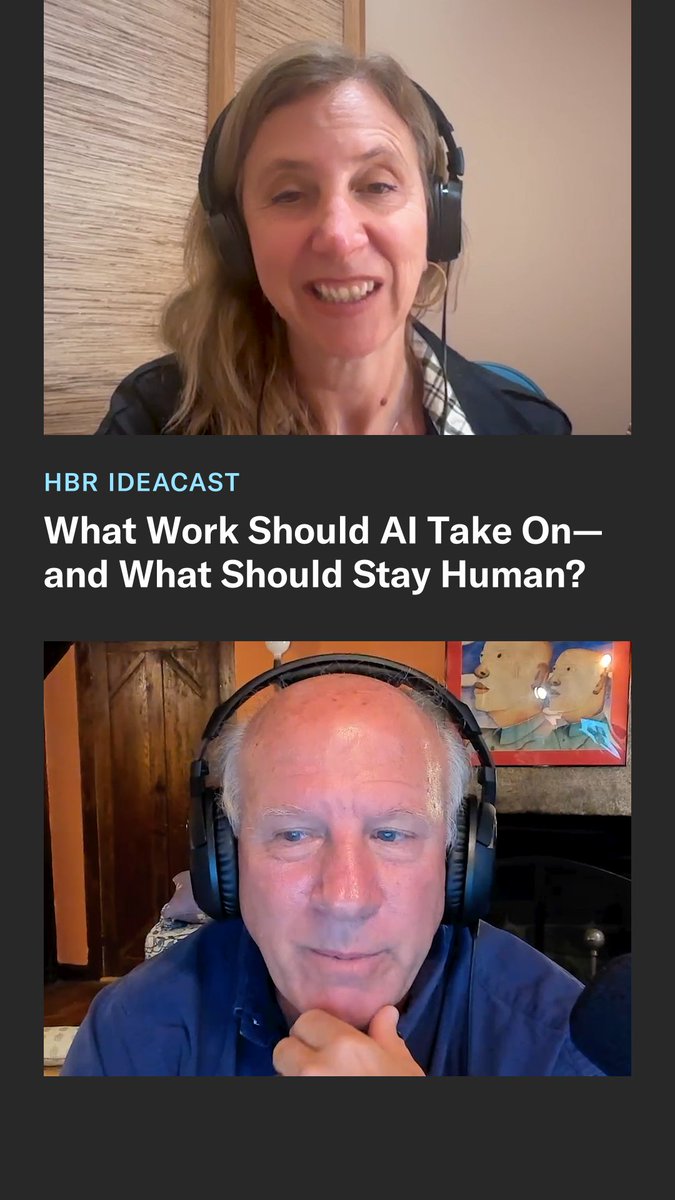
As AI takes on more work, leaders face a fundamental management question: What should AI handle, what should humans and AI do together, and what should remain fundamentally human? The common rule of thumb—give AI routine work and leave complex work to people—only gets you so far. Paula Goldman, Salesforce’s chief ethical and humane use officer, says leaders also need to consider factors like customer and employee preferences and emotions, as well as the sensitivity of the work. As AI becomes more capable, managers may need to rethink their role, too. Goldman argues that AI increasingly needs to be managed as a teammate—and that managing AI agents will become an important leadership skill. Listen to the full IdeaCast episode:
Harvard Business Review14,649 Aufrufe • vor 5 Tagen
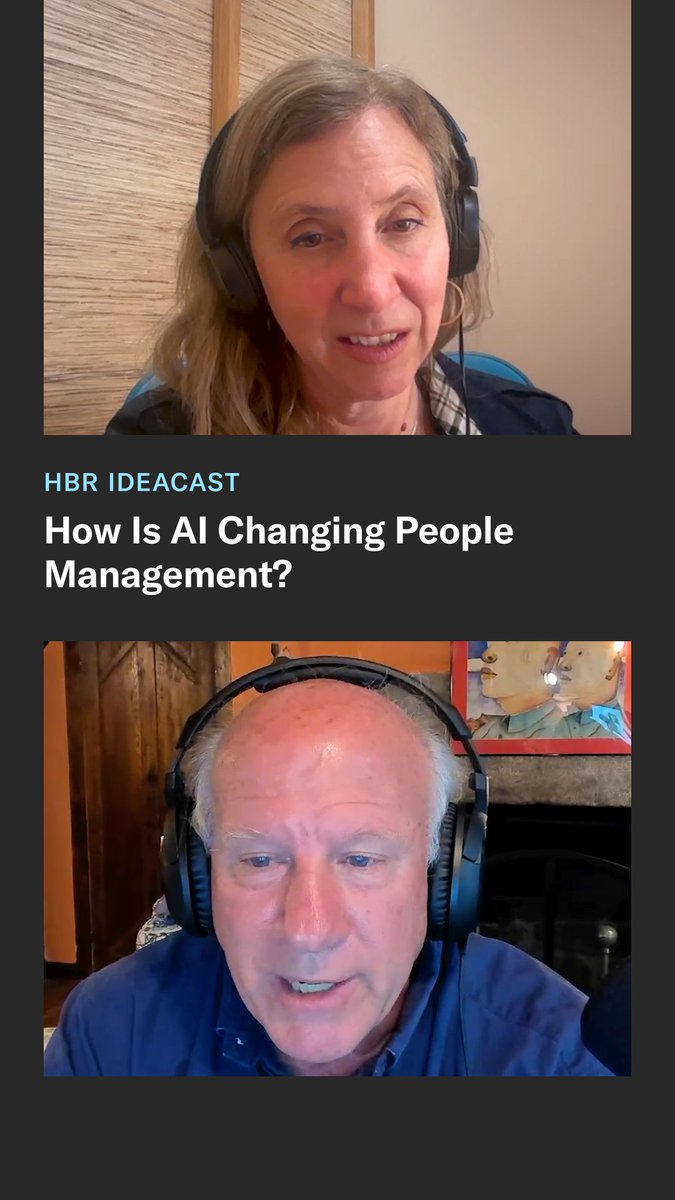
How can HR help organizations navigate the people side of AI transformation? Paula Goldman, Salesforce’s chief ethical and humane use officer, argues that HR functions have an important role to play in shaping how AI changes people management. AI can help give managers more evidence to inform performance decisions, identify employees’ skills, and connect people with projects or learning opportunities that prepare them for what’s next. The opportunity for HR is to use AI intentionally to improve how organizations manage and develop their people. Listen to the full IdeaCast episode wherever you get your podcasts, or here:
Harvard Business Review10,772 Aufrufe • vor 4 Tagen
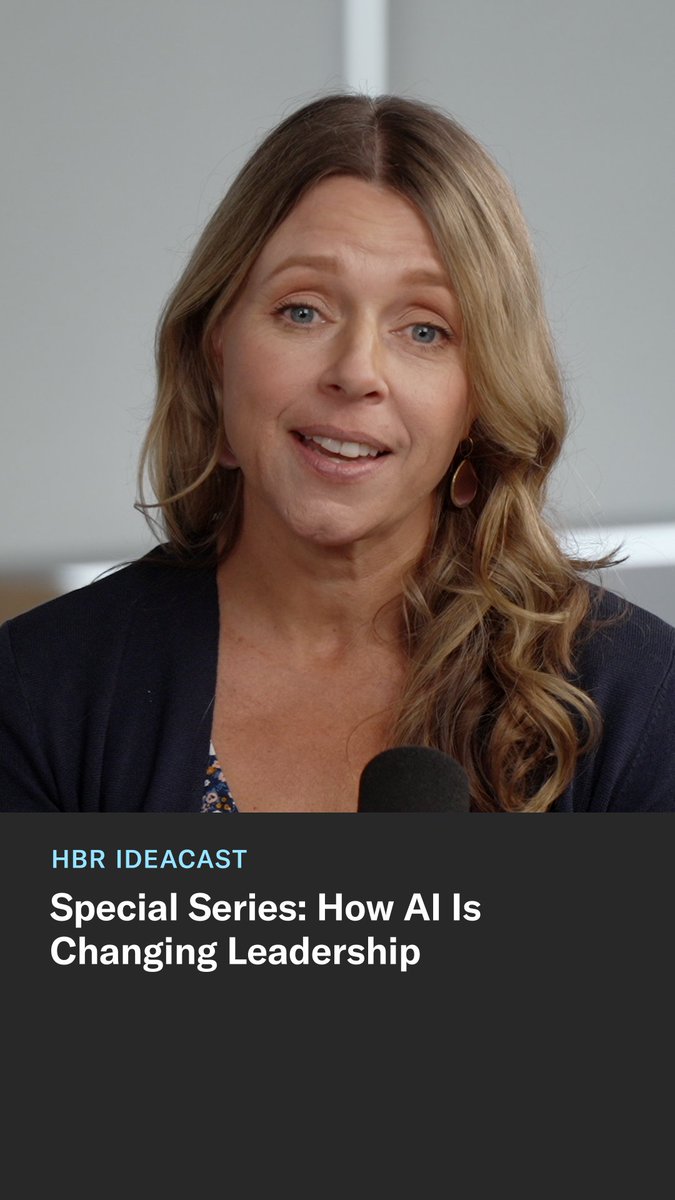
AI is no longer a novelty for organizations. The harder questions are about what follows: How should leaders rethink decisions, expertise, and the way teams work together? In a four-part HBR IdeaCast series, Alison Beard and Adi Ignatius talk with leaders and experts about what AI is changing across culture, talent, communication, innovation, and strategy. New episodes arrive weekly from September 17 through October 8. What new responsibilities has AI created for leaders in your organization? Share your thoughts in the comments. Subscribe to HBR IdeaCast here:
Harvard Business Review16,426 Aufrufe • vor 8 Tagen

For multinational companies, the next major source of growth may come from developing products for emerging markets first. On HBR IdeaCast, Vijay Govindarajan points to three forces making this shift increasingly urgent: 1. Growth is slowing in wealthy countries. 2. Companies in emerging markets are developing innovations that could disrupt incumbents on their home turf. 3. Rising affordability pressures are creating demand for lower-cost solutions everywhere—including in the United States. By developing affordable products for emerging markets, multinationals can compete more effectively in those markets—and uncover new opportunities closer to home. Listen to the full episode:
Harvard Business Review12,171 Aufrufe • vor 11 Tagen

How can leaders find the right people to tackle their toughest innovation challenges? Start by looking beyond the employees formally responsible for innovation. People working closest to a problem often have context and insights that senior leaders lack. Amos Winter, professor of mechanical engineering at MIT, explains how leaders can unlock those ideas: Give employees the tools and opportunities to examine problems from their own vantage points, ask for their input, and show that their perspectives are valued. Listen to the full IdeaCast episode here:
Harvard Business Review12,631 Aufrufe • vor 12 Tagen

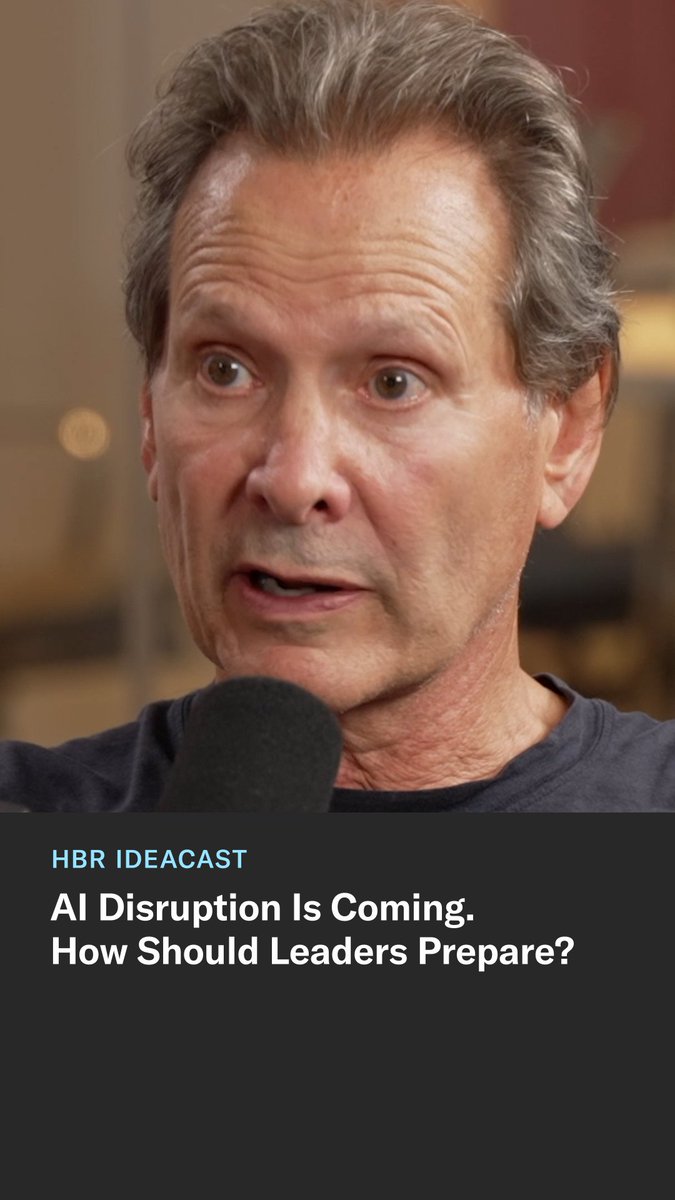
As AI capabilities advance, leaders may not be able to predict exactly how work will evolve. But they still need to prepare employees for what’s ahead. Verizon CEO Dan Schulman tells HBR editor at large Adi Ignatius why the company established a $20 million fund for AI reskilling and training—and why he believes it may need to invest two or three times as much over the next two years. For Schulman, preparing for AI disruption means investing both in Verizon’s employees, and the communities the company serves. Read the full interview:
Harvard Business Review15,141 Aufrufe • vor 18 Tagen
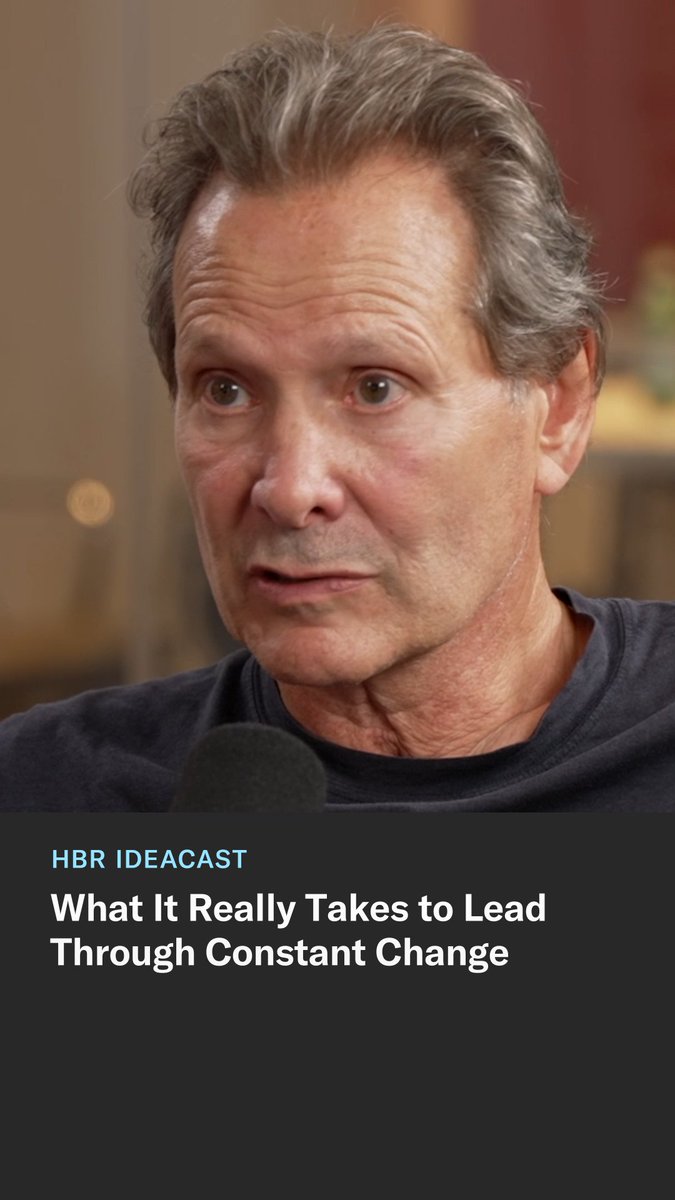
What does it take to lead a company through significant change? Verizon CEO Dan Schulman tells HBR editor at large Adi Ignatius why humility is only the starting point—and what leaders must do to earn people’s confidence through both wins and setbacks. Read the full interview here:
Harvard Business Review21,544 Aufrufe • vor 29 Tagen
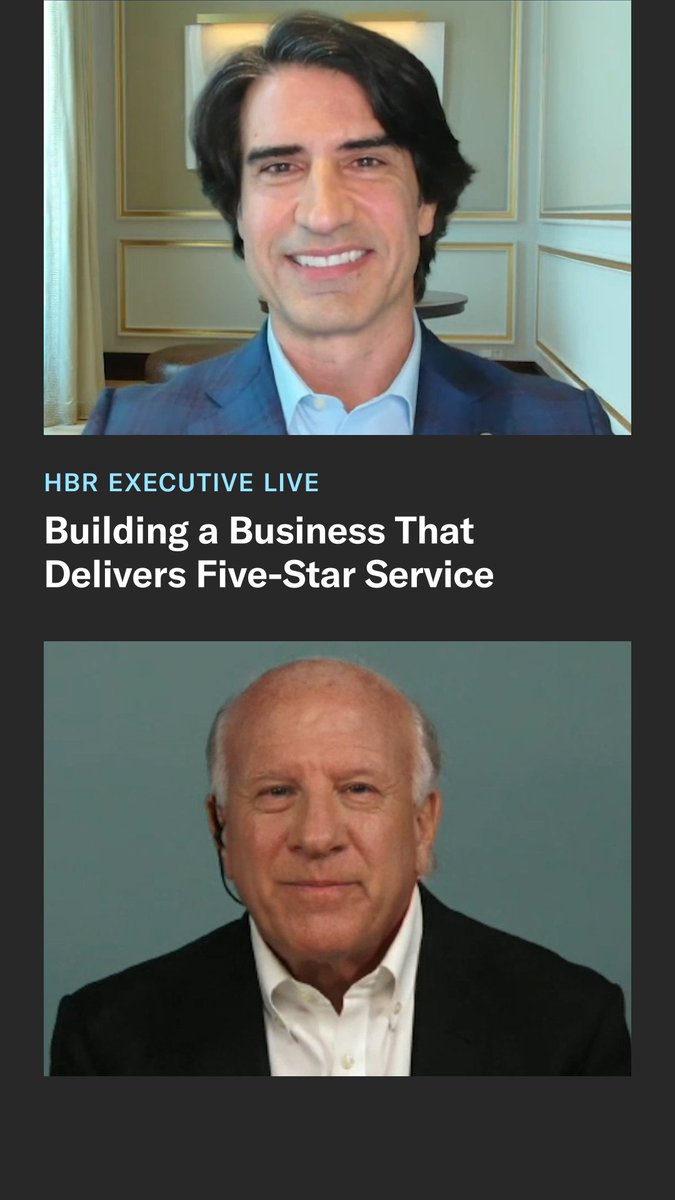
Four Seasons president and CEO Alejandro Reynal joined HBR editor at large Adi Ignatius to explain the three leadership practices behind Four Seasons' legendary customer service: hire for attitude, train for skill, and build a culture where people are empowered to deliver authentic, unscripted care. HBR Executive subscribers can watch the full video here:
Harvard Business Review26,375 Aufrufe • vor 2 Monaten
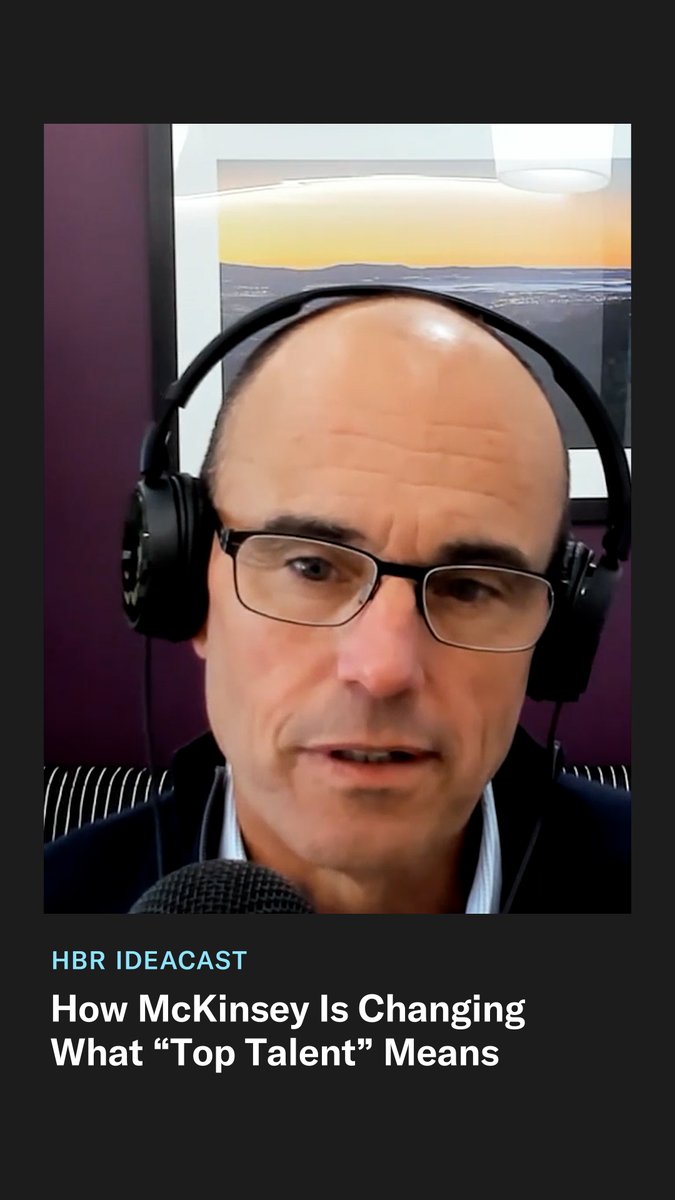
AI is reshaping every industry, but the hardest questions leaders face aren’t technical—they’re human. Where should AI make decisions, and where should human judgment remain the final word? How do you innovate without undermining trust? In this HBR Executive Masterclass, Harvard Business School professor Sandra J. Sucher argues that leaders should start by asking: What are our customers and employees trusting us for? The answer should guide how you use AI. Subscribe at
Harvard Business Review16,352 Aufrufe • vor 1 Monat
After analyzing more than 12,000 real-world AI use cases, researcher Marc Zao-Sanders found that people are increasingly turning to AI for practical help and entertainment, while some self-improvement uses—like organizing life, finding purpose, and healthier living—have fallen out of the top 10. One finding stood out: More than a quarter of the top use cases involve asking AI to do some of our thinking for us. Marc and his team call this "thinkslop": the lazy, sloppy thinking that can emerge when we rely on AI to form opinions, make decisions, or figure out what we think instead of doing that work ourselves. Find the top 100 use cases here:
Harvard Business Review24,066 Aufrufe • vor 2 Monaten
Psychologist Ron Friedman studies "superteams," a small group of high-performing individuals that consistently outperform their peers. One of their secrets? They reward innovation. His favorite example is 3M, the company behind Post-its and Scotch tape. Their "30% Rule" says a division only earns its bonus if at least 30% of revenue comes from products launched in the last four years. This pushes teams to innovate, even when business is strong. Friedman also points to rewarding intelligent failure as a key part of the equation. He argues that a measured risk that doesn't pan out should be rewarded just as much as one that succeeds. If everything's going perfectly, your organization could be falling behind. Read more about superteams:
Harvard Business Review21,242 Aufrufe • vor 2 Monaten

The most important AI question has nothing to do with picking the right technology. It's this: what problem are we actually trying to solve? In this IdeaCast episode, journalist and author Josh Tyrangiel makes the case that successful AI adoption comes down to discipline—pick a real, high-impact problem, follow through on it, and measure the value it creates. What you'll learn: - Why treating AI like magic sets initiatives back - How to identify the targeted problems where AI moves the needle - Practical ways to communicate change and get buy-in across an organization - Real examples from healthcare and beyond of AI creating measurable impact If your org is investing in AI, this conversation gives you a sharper way to think about where that investment should go. Listen to the full episode here:
Harvard Business Review15,401 Aufrufe • vor 1 Monat

Every minute of your workday has a purpose, but your evenings disappear into scrolling and exhaustion. Sound familiar? This is common for high performers: without structure, free time feels wasted before it even begins. Dr. Arthur Brooks argues that the answer isn't less leisure, but more. It's taking your free time as seriously as you take your job. Read the book. Learn the thing. Make your free time feel meaningful again.
Harvard Business Review31,951 Aufrufe • vor 4 Monaten
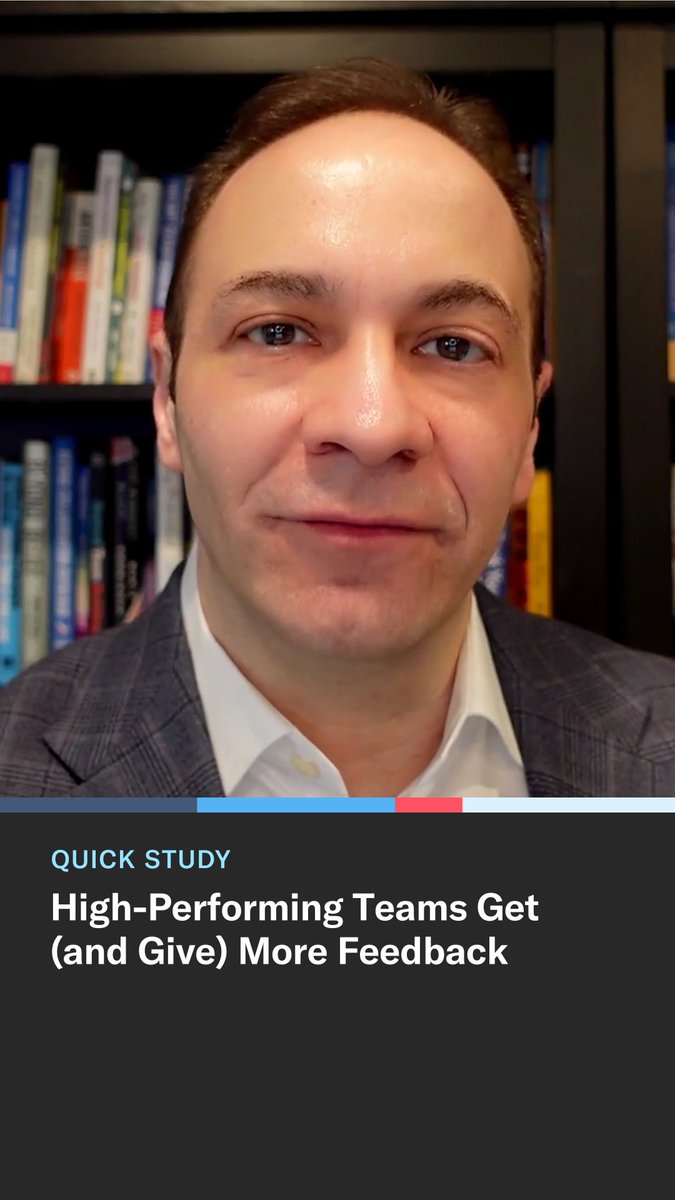
Psychologist Ron Friedman and his colleagues surveyed thousands of workers and identified a small group of high-performing teams—"superteams"—that consistently outperform the rest. One thing that sets them apart? They receive significantly more feedback than average teams. Here’s why: Leaders give feedback more often and frame it in ways that motivate. Colleagues weigh in early, before work reaches the boss or client. Revisions happen while the stakes are still low. Learn more about how to create feedback-seeking behavior on your team:
Harvard Business Review18,561 Aufrufe • vor 2 Monaten
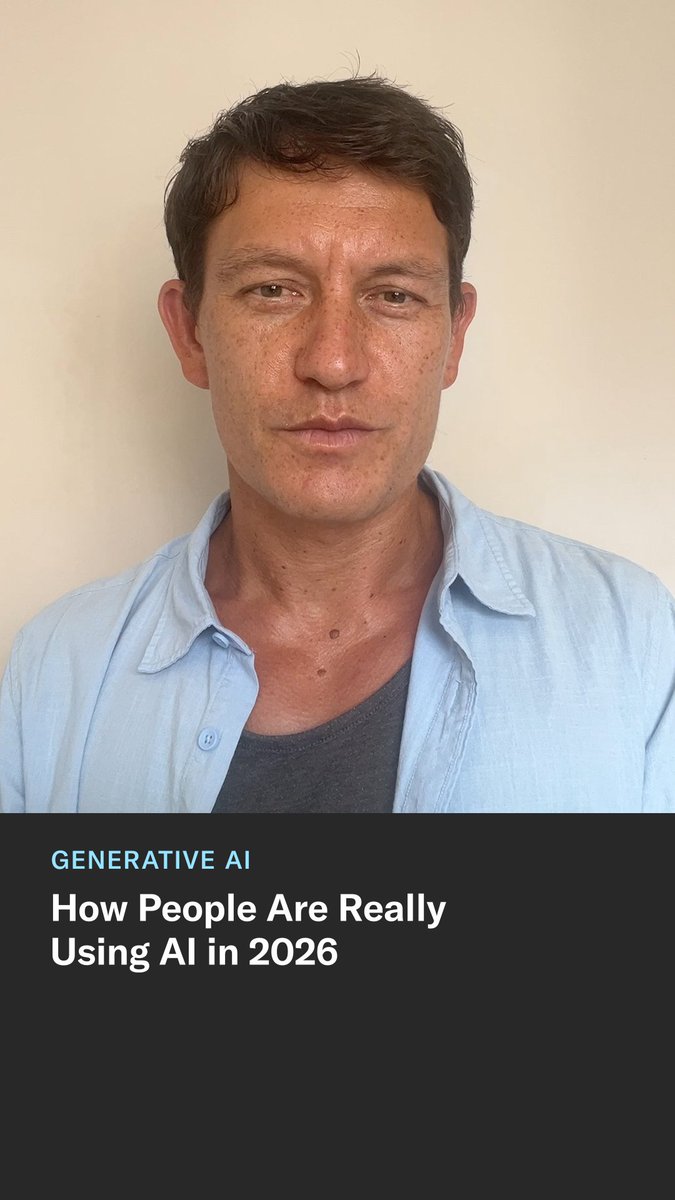
After analyzing more than 12,000 real-world AI use cases, researcher Marc Zao-Sanders found that people are increasingly turning to AI for practical help and entertainment, while some self-improvement uses—like organizing life, finding purpose, and healthier living—have fallen out of the top 10. One finding stood out: More than a quarter of the top use cases involve asking AI to do some of our thinking for us. Marc and his team call this "thinkslop": the lazy, sloppy thinking that can emerge when we rely on AI to form opinions, make decisions, or figure out what we think instead of doing that work ourselves. Find the top 100 use cases here: __ Editor's note: We reposted this to correct an earlier typo.
Harvard Business Review17,244 Aufrufe • vor 2 Monaten