

Harvard Business Review
@HarvardBiz • 5,553,421 subscribers
The best ideas in business and management to help people, organizations, and economies work better.
Shorts






Videos
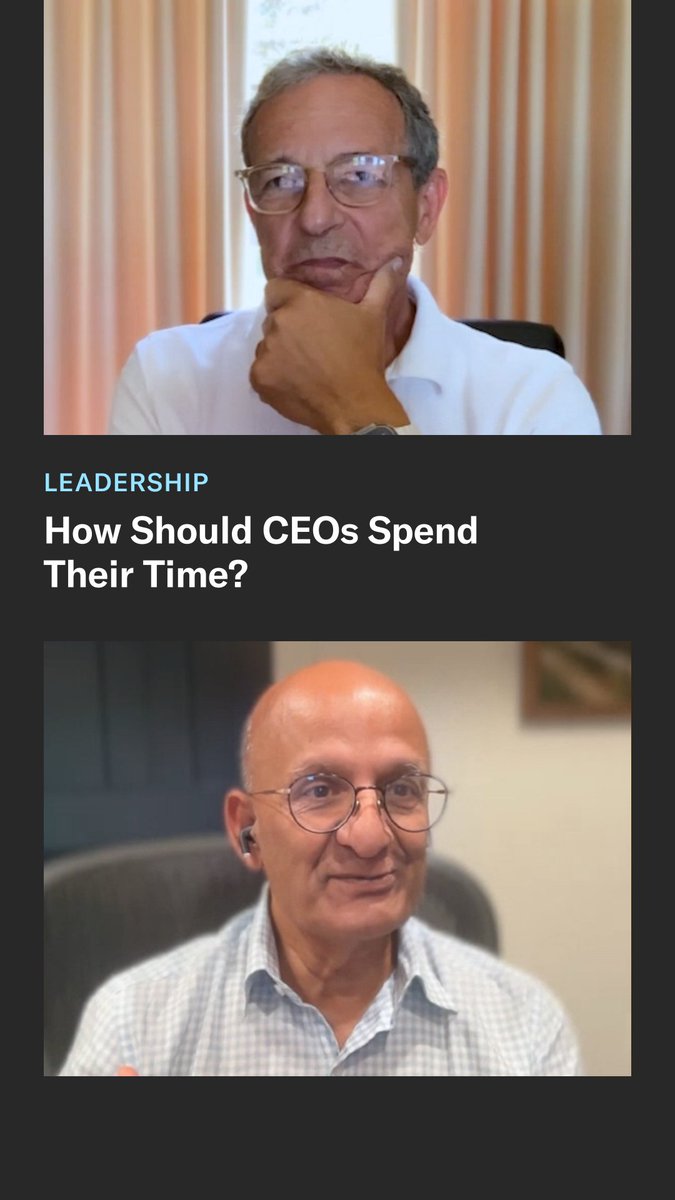
The demands on a CEO’s time can be endless. As the former CEO of Disney, Robert Iger had a simple test for deciding what deserved his attention: Will my involvement make a difference? He prioritized the responsibilities only he could handle, major decisions affecting the business or its brand, and work where he could add unique value. Everything else was a candidate for delegation. Iger shares more lessons from leading Disney in a conversation with Nitin Nohria, former dean of Harvard Business School, including how he approached high-stakes decisions, creative excellence, and the pressures of running an iconic company. Watch the full interview:
Harvard Business Review56,274 просмотров • 7 дней назад
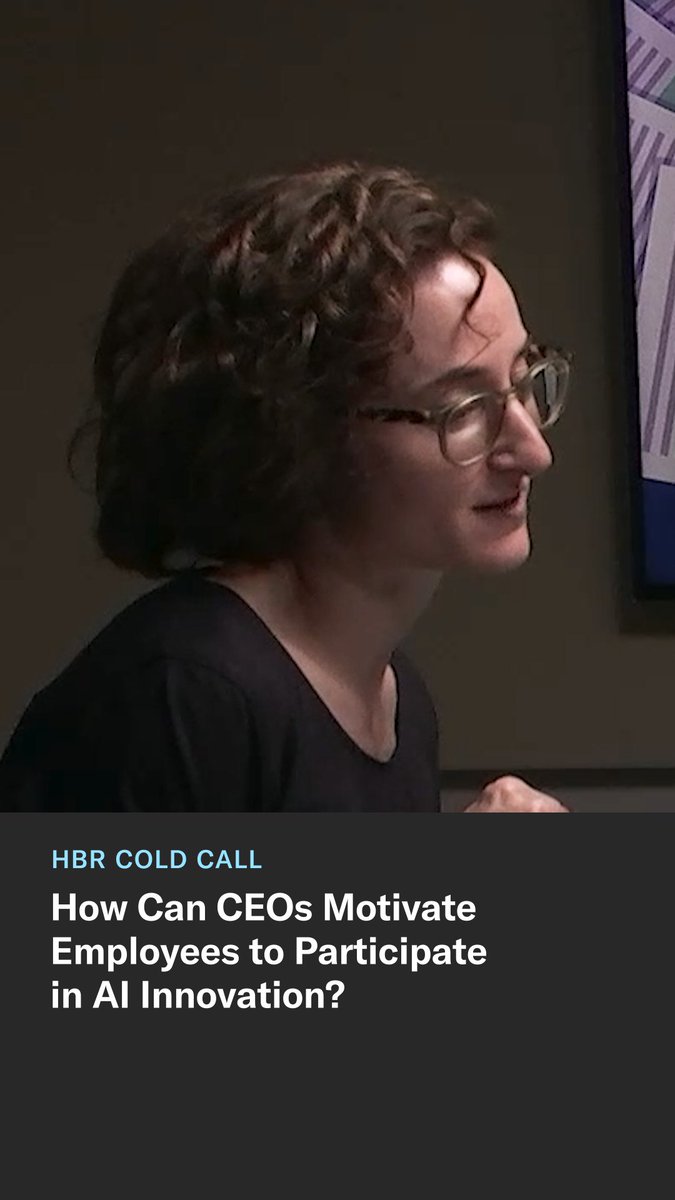
If you want employees to help build and improve AI tools, give them a reason to have a stake in their success. Harvard Business School Associate Professor Zoe Cullen explains that AI innovation can stall when employees are asked to share their expertise without clear incentives—especially when they fear the resulting technology could reduce headcount. Leaders can rethink that dynamic by considering how career incentives, ownership, and intellectual property might allow employees to benefit from the technology they help create. In this episode of Harvard Business School’s Cold Call podcast, Cullen and host Brian Kenny explore who captures the value when human expertise becomes data—and what that means for companies adopting AI. Watch the full episode wherever you get your podcasts, or here:
Harvard Business Review13,461 просмотров • 3 дней назад
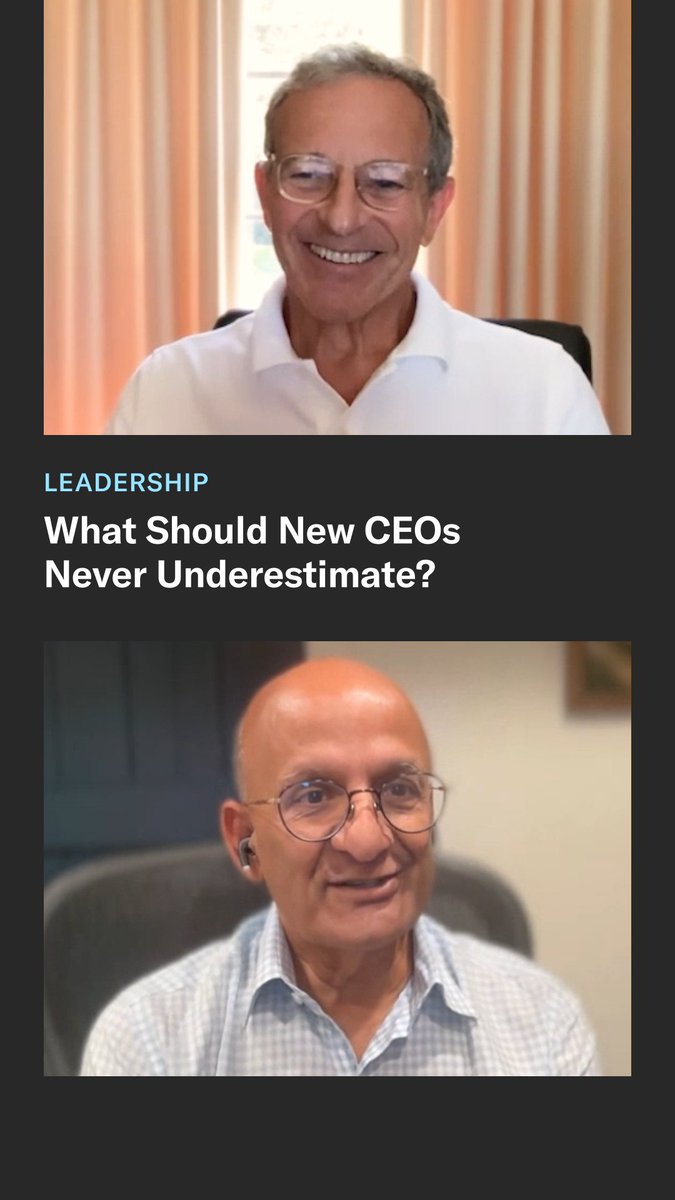
A CEO can shape a company in ways they may not even realize. That’s one lesson Bob Iger wanted to pass on to his successor at Disney: Be aware of how much influence comes with the title. Even at a company more than a century old, a CEO’s words and actions can have an enormous impact, sometimes almost inadvertently. Hear more of Iger’s reflections on the responsibilities, decisions, and pressures that come with leading Disney in his conversation with Nitin Nohria, former dean of Harvard Business School. Watch the full interview:
Harvard Business Review17,077 просмотров • 6 дней назад
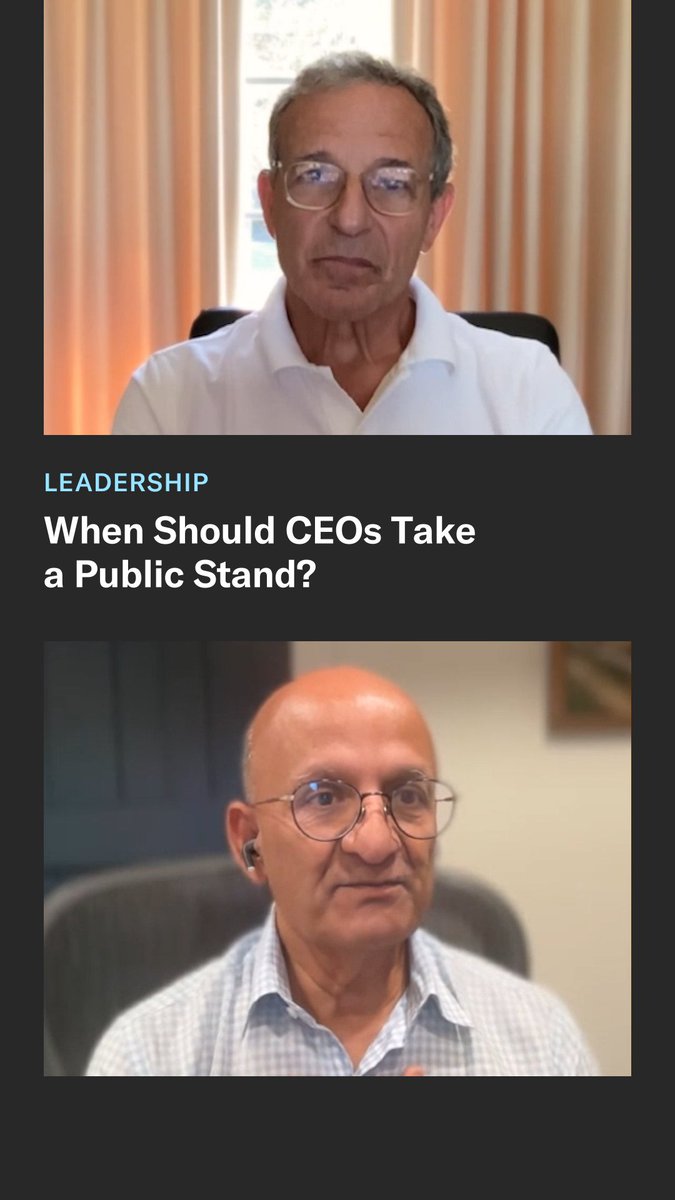
When should a CEO speak out on a public issue? Longtime Disney CEO Robert Iger says leaders need to be clear about why they’re taking a position and how it connects to the interests of the company, its shareholders, and its people. In a wide-ranging conversation with Nitin Nohria, former dean of Harvard Business School, Iger reflects on the leadership lessons he learned at Disney, from making bold bets under pressure to protecting creative excellence and managing through crisis. Watch the full interview:
Harvard Business Review16,750 просмотров • 7 дней назад
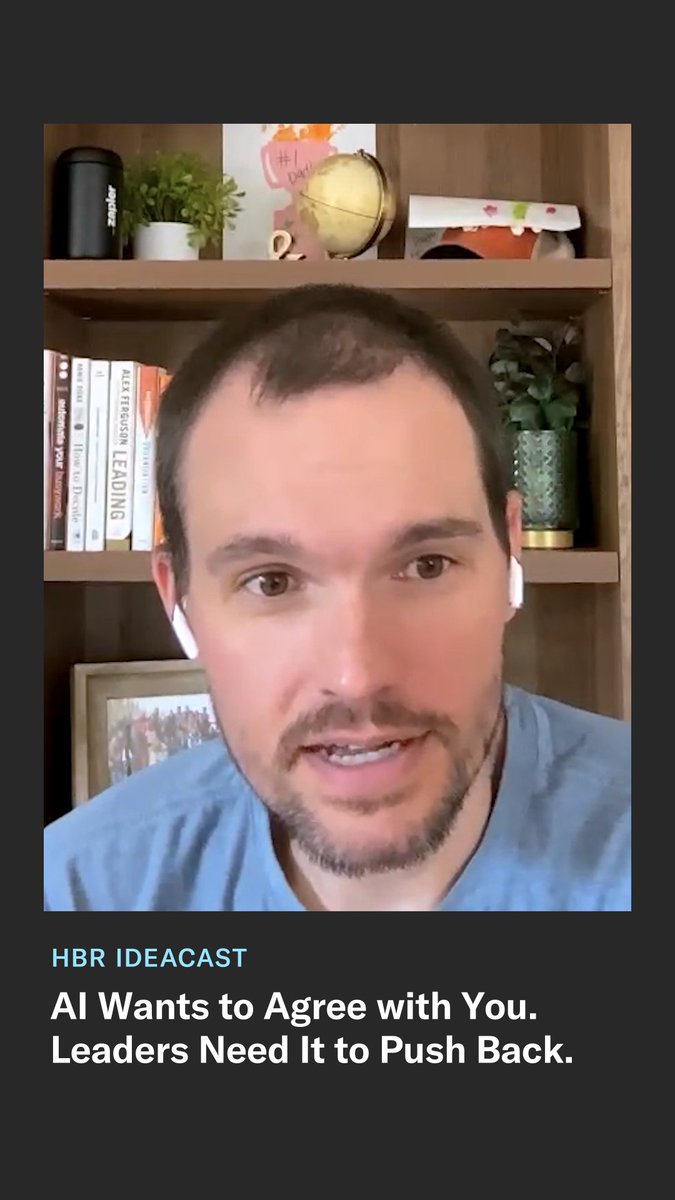
AI can be very good at giving you an answer that sounds right. But it’s not always the answer you want or need. Wade Foster, cofounder and CEO of Zapier, points to a problem leaders should keep in mind: AI models can tend toward pleasing the person asking the question, which can produce recommendations that reinforce what you already want to hear. His approach is to explicitly ask AI to debate him and critique his thinking, with the goal of turning AI into a true thought partner—one that can challenge your assumptions and help you make better decisions. Listen to the full IdeaCast episode wherever you get your podcasts, or here:
Harvard Business Review13,822 просмотров • 6 дней назад
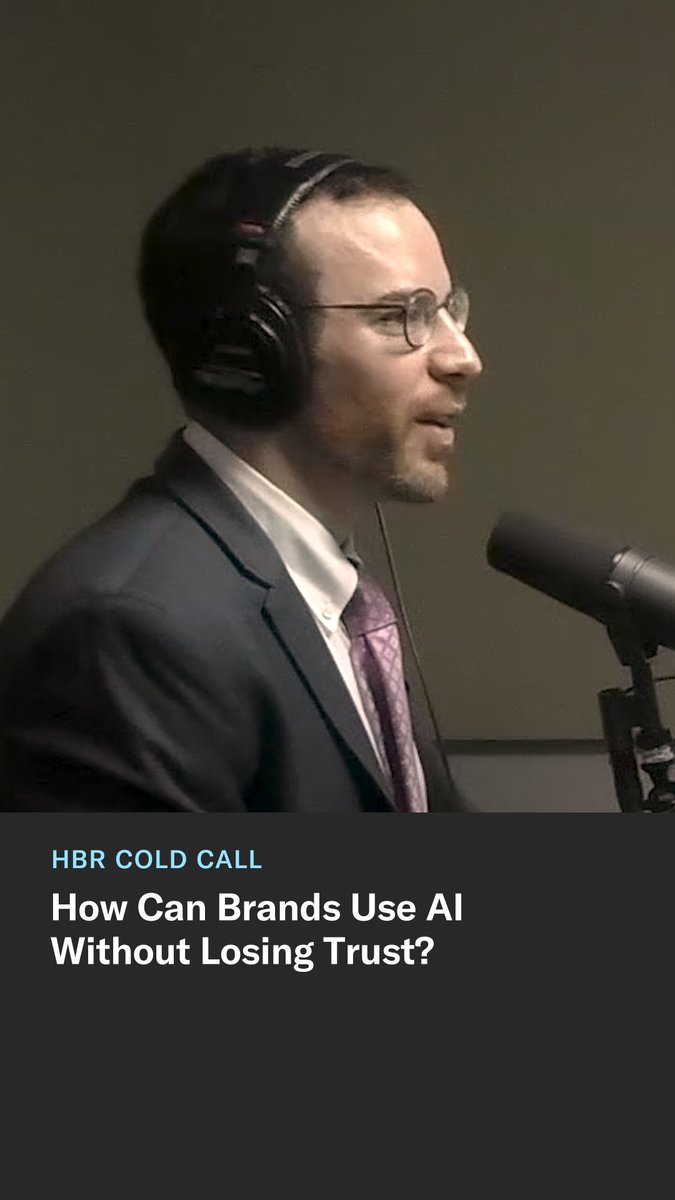
Before adding AI to a product or experience, leaders should ask: Is it solving a real problem—or are we using AI simply because we can? That question becomes especially important in fields where trust and human connection matter. Harvard Business School Associate Professor Julian De Freitas explains that customers are sensitive to superficial uses of AI. The strongest applications offer something genuinely useful that wouldn’t be possible otherwise. In this episode of Cold Call, De Freitas and Harvard Art Museums’ John Connolly explore how organizations can experiment with AI without losing sight of authenticity, trust, and the value they’re creating for their audiences. Watch the full Cold Call episode wherever you get your podcasts, or here:
Harvard Business Review10,743 просмотров • 6 дней назад
As teams hand more work over to AI, leaders have a new judgment call to make: What should AI handle—and what do employees still need to know how to do themselves? Wade Foster, cofounder and CEO of Zapier, warns that delegating too much can create a “comprehension gap.” Employees may produce the work, but when they’re asked to explain it, investigate further, or answer questions, they may discover they no longer understand the subject as well as they need to. Leaders need to be deliberate about where and how much their teams rely on AI. For lower-impact work, fuller delegation may make sense. For higher-impact work, consider what knowledge and capabilities employees need to retain. Tune in for the full IdeaCast episode this Thursday. Listen wherever you get your podcasts or here:
Harvard Business Review12,898 просмотров • 8 дней назад

As AI takes on more work, leaders face a fundamental management question: What should AI handle, what should humans and AI do together, and what should remain fundamentally human? The common rule of thumb—give AI routine work and leave complex work to people—only gets you so far. Paula Goldman, Salesforce’s chief ethical and humane use officer, says leaders also need to consider factors like customer and employee preferences and emotions, as well as the sensitivity of the work. As AI becomes more capable, managers may need to rethink their role, too. Goldman argues that AI increasingly needs to be managed as a teammate—and that managing AI agents will become an important leadership skill. Listen to the full IdeaCast episode:
Harvard Business Review14,649 просмотров • 14 дней назад
AI is no longer a novelty for organizations. The harder questions are about what follows: How should leaders rethink decisions, expertise, and the way teams work together? In a four-part HBR IdeaCast series, Alison Beard and Adi Ignatius talk with leaders and experts about what AI is changing across culture, talent, communication, innovation, and strategy. New episodes arrive weekly from September 17 through October 8. What new responsibilities has AI created for leaders in your organization? Share your thoughts in the comments. Subscribe to HBR IdeaCast here:
Harvard Business Review16,426 просмотров • 17 дней назад
How can HR help organizations navigate the people side of AI transformation? Paula Goldman, Salesforce’s chief ethical and humane use officer, argues that HR functions have an important role to play in shaping how AI changes people management. AI can help give managers more evidence to inform performance decisions, identify employees’ skills, and connect people with projects or learning opportunities that prepare them for what’s next. The opportunity for HR is to use AI intentionally to improve how organizations manage and develop their people. Listen to the full IdeaCast episode wherever you get your podcasts, or here:
Harvard Business Review10,772 просмотров • 13 дней назад

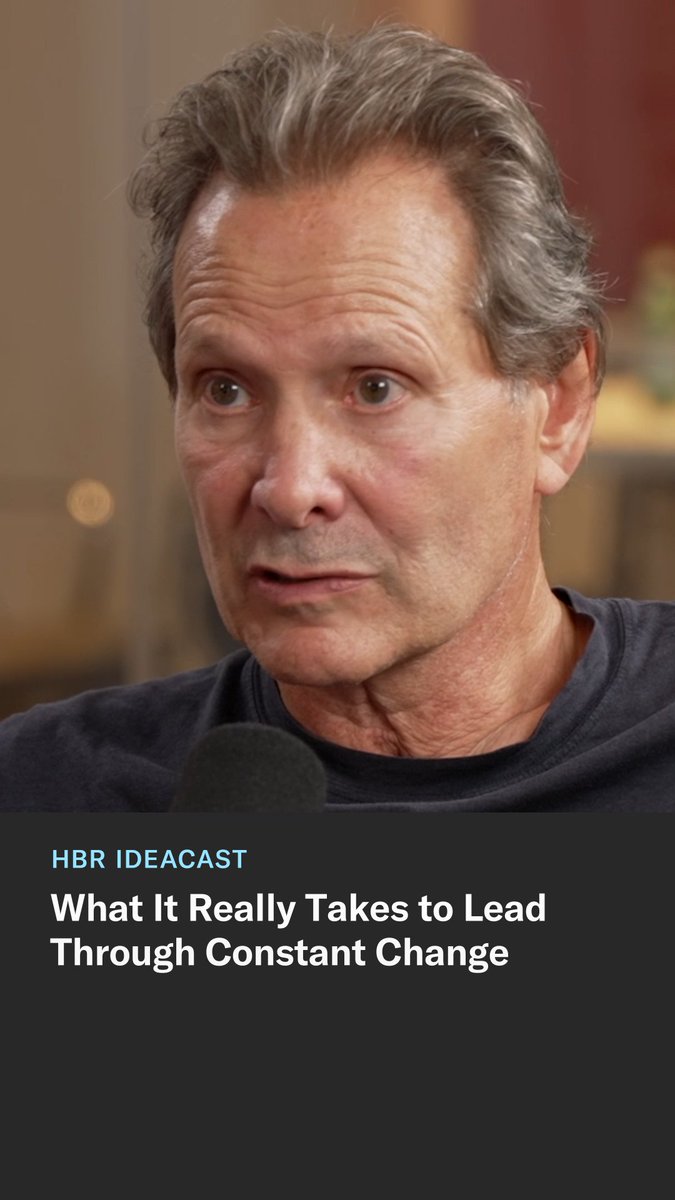
What does it take to lead a company through significant change? Verizon CEO Dan Schulman tells HBR editor at large Adi Ignatius why humility is only the starting point—and what leaders must do to earn people’s confidence through both wins and setbacks. Read the full interview here:
Harvard Business Review21,544 просмотров • 1 месяц назад

For multinational companies, the next major source of growth may come from developing products for emerging markets first. On HBR IdeaCast, Vijay Govindarajan points to three forces making this shift increasingly urgent: 1. Growth is slowing in wealthy countries. 2. Companies in emerging markets are developing innovations that could disrupt incumbents on their home turf. 3. Rising affordability pressures are creating demand for lower-cost solutions everywhere—including in the United States. By developing affordable products for emerging markets, multinationals can compete more effectively in those markets—and uncover new opportunities closer to home. Listen to the full episode:
Harvard Business Review12,171 просмотров • 20 дней назад

How can leaders find the right people to tackle their toughest innovation challenges? Start by looking beyond the employees formally responsible for innovation. People working closest to a problem often have context and insights that senior leaders lack. Amos Winter, professor of mechanical engineering at MIT, explains how leaders can unlock those ideas: Give employees the tools and opportunities to examine problems from their own vantage points, ask for their input, and show that their perspectives are valued. Listen to the full IdeaCast episode here:
Harvard Business Review12,631 просмотров • 21 дней назад
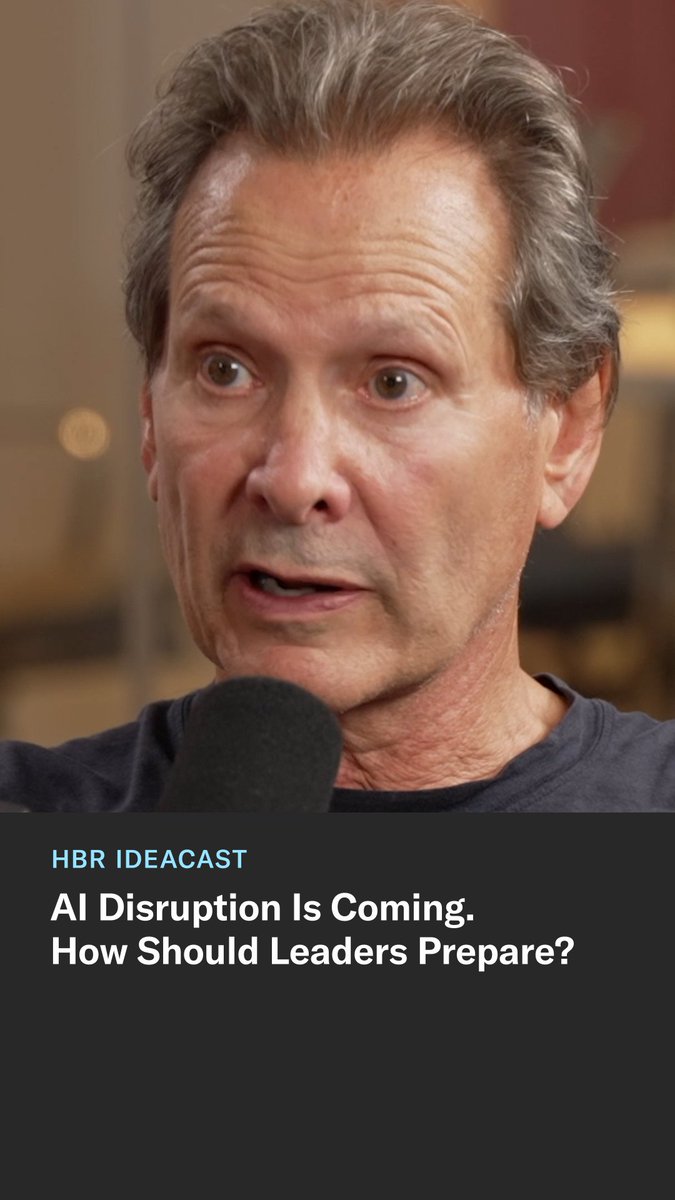
As AI capabilities advance, leaders may not be able to predict exactly how work will evolve. But they still need to prepare employees for what’s ahead. Verizon CEO Dan Schulman tells HBR editor at large Adi Ignatius why the company established a $20 million fund for AI reskilling and training—and why he believes it may need to invest two or three times as much over the next two years. For Schulman, preparing for AI disruption means investing both in Verizon’s employees, and the communities the company serves. Read the full interview:
Harvard Business Review15,141 просмотров • 27 дней назад
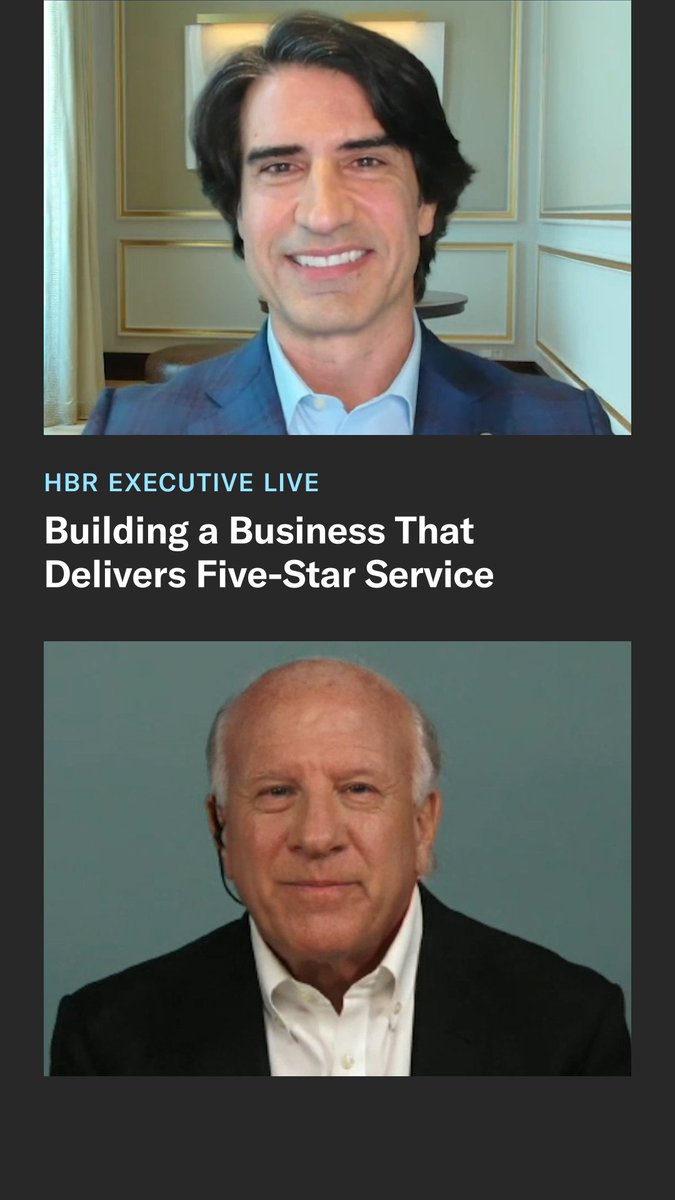
Four Seasons president and CEO Alejandro Reynal joined HBR editor at large Adi Ignatius to explain the three leadership practices behind Four Seasons' legendary customer service: hire for attitude, train for skill, and build a culture where people are empowered to deliver authentic, unscripted care. HBR Executive subscribers can watch the full video here:
Harvard Business Review26,375 просмотров • 2 месяцев назад
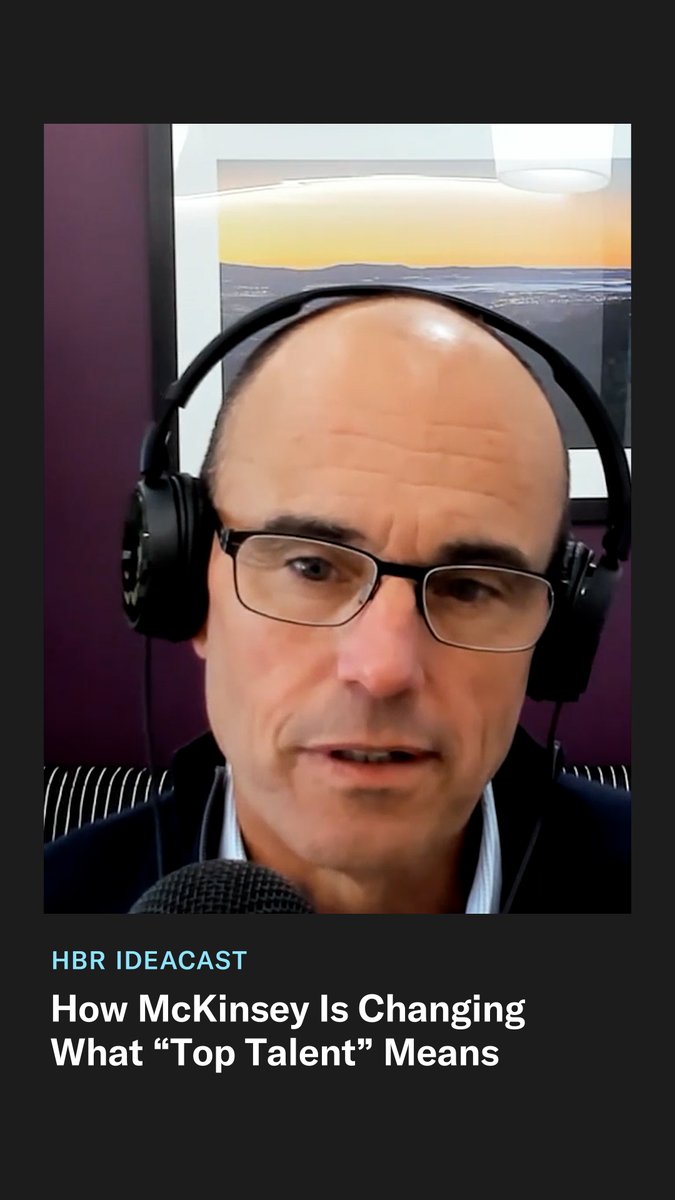
After analyzing more than 12,000 real-world AI use cases, researcher Marc Zao-Sanders found that people are increasingly turning to AI for practical help and entertainment, while some self-improvement uses—like organizing life, finding purpose, and healthier living—have fallen out of the top 10. One finding stood out: More than a quarter of the top use cases involve asking AI to do some of our thinking for us. Marc and his team call this "thinkslop": the lazy, sloppy thinking that can emerge when we rely on AI to form opinions, make decisions, or figure out what we think instead of doing that work ourselves. Find the top 100 use cases here:
Harvard Business Review24,066 просмотров • 2 месяцев назад