Smart Postures
@SmartPostures • 12,783 subscribers
https://t.co/waXvIQg2D6 Build Better Posture. Unlock Better Mobility. One simple habit at a time
Shorts




Videos

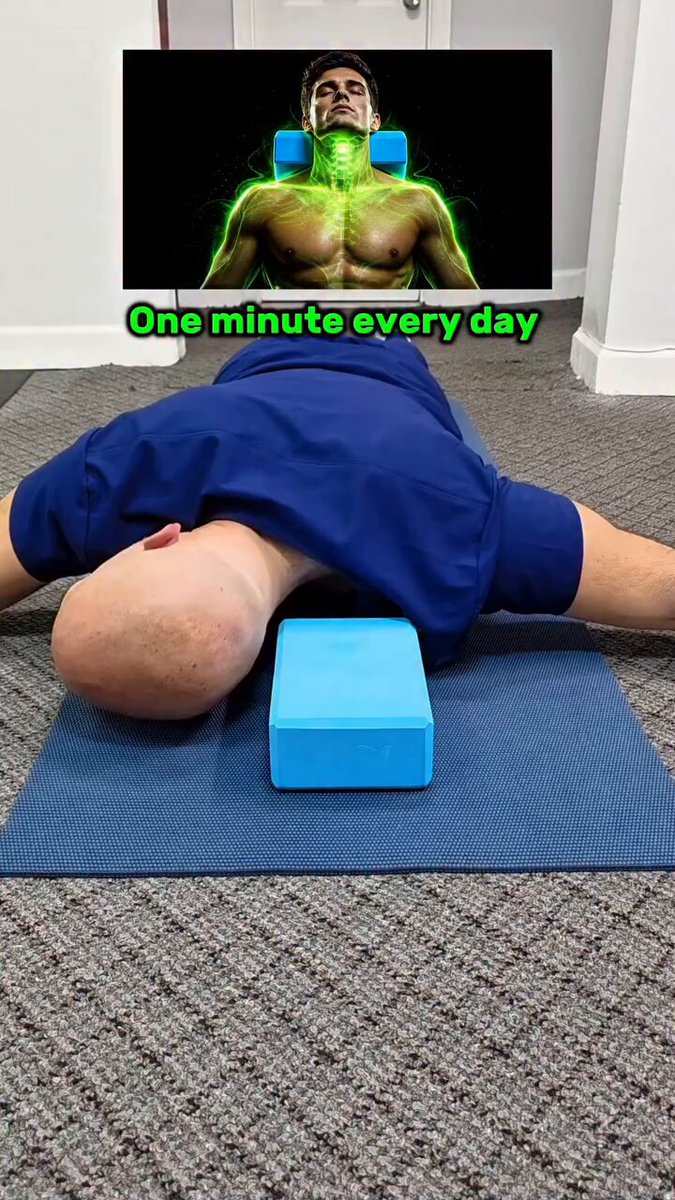
Knees wobble like this? It’s not a knee or balance problem. People spend months doing knee exercises and balance drills, and the wobble never goes away. That’s because they’re working on the wrong area. Do the 3 exercises, then retest in 2 weeks. The shaky side should feel stable
Smart Postures181,998 просмотров • 4 дней назад


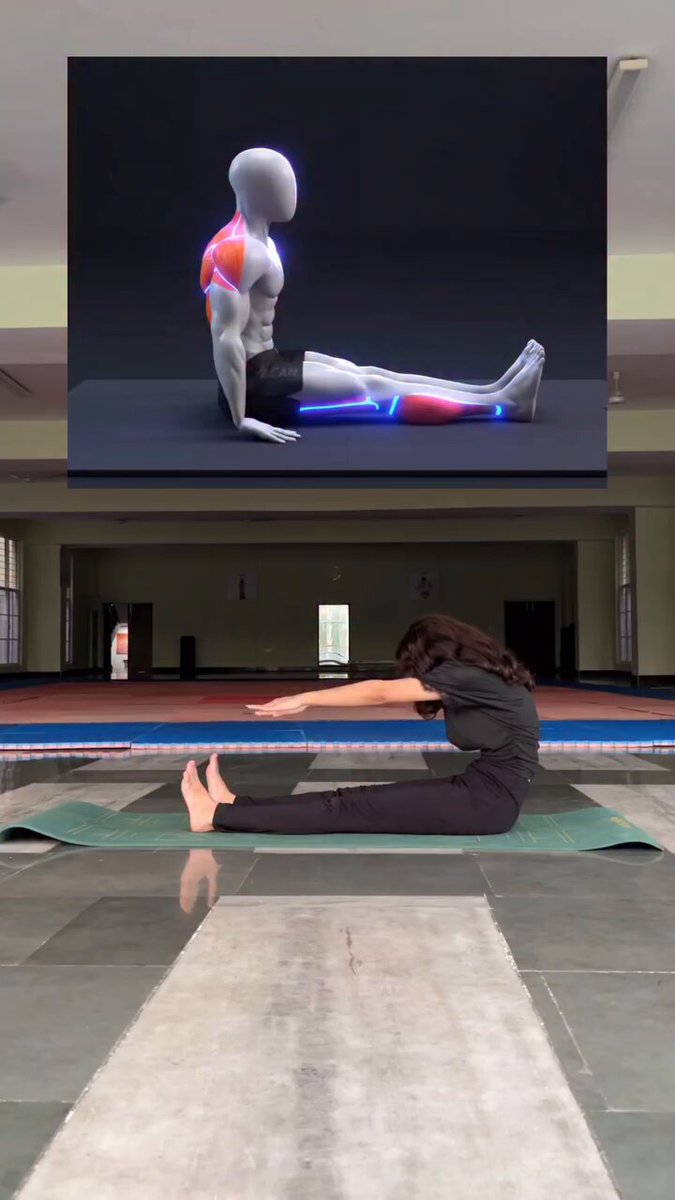
🧘♀️ Paschimottanasana (Seated Forward Bend) A calming yoga pose that gently stretches the back body and helps improve flexibility. ✨ 🌿 Benefits: • Stretches the spine, hamstrings & lower back • Supports better flexibility • Helps calm the mind and reduce stress • May aid digestion • Promotes relaxation and mindful breathing Breathe deeply, move gently, and never force the stretch. 🙏
Smart Postures144,044 просмотров • 1 месяц назад


The people who move the best… Move every day. Not for an hour. Not until they’re exhausted. Just a few intentional minutes. That’s why I start most mornings with a quick mobility flow. Here’s today’s routine: • Neck Circles – 30s • Torso Twists – 30s • Tai Chi Reach – 30s • Hand to Foot – 30s • Deep Side Lunge – 30s • Bear Twist – 30s • Lunge Rotation – 30s Five minutes. No equipment. No perfect routine. Just a simple habit that helps me feel younger, move better, and train harder. You don’t build a resilient body from one amazing workout. You build it from hundreds of small decisions that compound over time. Start with five minutes tomorrow morning.
Smart Postures144,197 просмотров • 2 месяцев назад

🔥 PUSH-UP CHALLENGE 🔥 Do 15 reps of each pushup variation ⚡️ Take 1 minute rest after each set 👍
Smart Postures31,478 просмотров • 15 дней назад


“Stop stretching them. Strengthen them instead.” The useful idea in this video is that some muscles that feel tight may also need better strength and control—not simply more stretching. The exercises here progressively challenge the hip stabilizers and rotators through different positions: lying down, quadruped and seated. You’re asking the hip to control rotation and keep the femur/pelvis organized while the leg moves. That distinction matters. A muscle can feel restricted while still being relatively weak or poorly controlled in certain ranges. Stretching may temporarily change how the movement feels, but strengthening gives you an opportunity to build capacity in that range. I especially like the progression from supported positions toward more demanding, weight-bearing variations. You don't need to force the deepest position. The useful part is controlling the hip without the pelvis constantly shifting to create extra motion. This also doesn't mean “never stretch.” Stretching and strengthening can both have a place depending on the goal and the individual. Start with the beginner variation and progress only when you can maintain control. If you have significant hip/groin pain, recent injury or a sharp pinch during rotation, don't push through it. Sometimes the answer to a “tight” muscle isn't more stretching. It may be teaching it to tolerate and control load.
Smart Postures75,097 просмотров • 1 месяц назад


The “world’s greatest stretch” is popular for a reason—but the useful part isn’t that it magically stretches your entire body. What this sequence actually does well is combine several movements in one flow: hip flexion, hip extension, thoracic rotation and a bit of hamstring/ankle mobility. The rotation is especially interesting. As the front leg stays planted, the upper body rotates away from it, giving the mid-back some movement while the hips work to maintain the position. That makes this a great movement prep drill before training, rather than something you need to force into a maximum stretch. Keep the range controlled and use your hands for support if balance is an issue. If you have an acute hip, knee, ankle or back injury—or sharp pain during the rotation—skip the deeper version and get appropriate guidance first. You don’t need to chase the deepest position. Smooth movement through a comfortable range is the win.
Smart Postures40,803 просмотров • 1 месяц назад

007 EXERCISES FOR PELVIC CONTROL Your mission: better control, stronger joints, and more confident movement If you experience an unsteady or unstable gait, discomfort around the hips or lower-limb joints, reduced control during movement, or simply want to improve your stability
Smart Postures19,040 просмотров • 25 дней назад

How to perform Bulgarian Split Squat right way - How to Target More Quads or More Glutes
Smart Postures12,070 просмотров • 18 дней назад

Strong legs are about much more than muscles. They carry you through life, giving you stability, power, and the freedom to move with strength at 50, 60, 70, and beyond. Your body is no accident. It is the instrument through which you express your energy, quality of life.
Smart Postures14,521 просмотров • 26 дней назад

This sequence is essentially a deep-squat mobility flow, and the value comes from combining several different movement directions instead of repeatedly forcing one stretch. The deep squat into forward fold introduces the position first. The goal is to explore ankle, knee, hip and spinal flexion together while maintaining enough balance to stay relaxed. Instead of trying to push deeper, think about allowing the hips to settle while the feet remain connected to the floor. The alternating internal-rotation variation then changes the demand at the hips. Moving one side at a time gives each hip an opportunity to explore rotation while the other side provides support. This is useful because hip mobility is not only about opening the legs outward—being able to control rotation in different directions is an important part of functional movement. The deep-squat rockbacks add controlled movement rather than holding a static position. Rocking backward and forward allows the ankles, knees and hips to continuously adapt. This can be especially useful for learning where your available range actually comes from instead of aggressively forcing yourself into the end position. The side-to-side rockbacks take that same concept into the frontal plane. Shifting your weight from one side to the other challenges each hip differently and requires the feet and ankles to participate. This is one reason multidirectional mobility work can feel very different from a traditional static stretch. Then comes the knees-in-and-out variation, which gives the hips repeated exposure to changing rotational positions. The important distinction is control: the knees should move because the hips are actively participating, rather than collapsing inward without control. Finally, the thoracic rotation adds upper-body movement to the deep squat, allowing the pelvis and lower body to stabilize while the rib cage rotates. Taken together, this isn't simply a collection of “deep squat stretches.” It trains mobility + active control + coordination across the ankles, hips, pelvis and thoracic spine. That combination is often more transferable to real movement because your body has to control the available range instead of just passively reaching it.
Smart Postures18,851 просмотров • 1 месяц назад

