Best of Kubrick
@KubrickPoint • 41,274 subscribers
Venturing into Stanley Kubrick's cinematic universe. Unpacking masterpieces and exploring the man behind the lens.
Shorts


Videos


1:11
Sensitive content
This media may contain sensitive content.


I always felt like this part of the film was the best I’ve ever seen war done in cinema. It begins with music, marching and a formal preparation for battle. So glorious, but then those men getting shot don’t just fall over dead like every other movie and they roll around drying. Ending with a bleeding gut wound, a man dying in a muddy wet cold ditch 1,000 miles from home. No honor or formality left, merely the reality of war
Best of Kubrick1,077,410 次观看 • 2 个月前

2001. No answers, just the boldest ending ever filmed. Sit with it
Best of Kubrick1,142,279 次观看 • 3 个月前


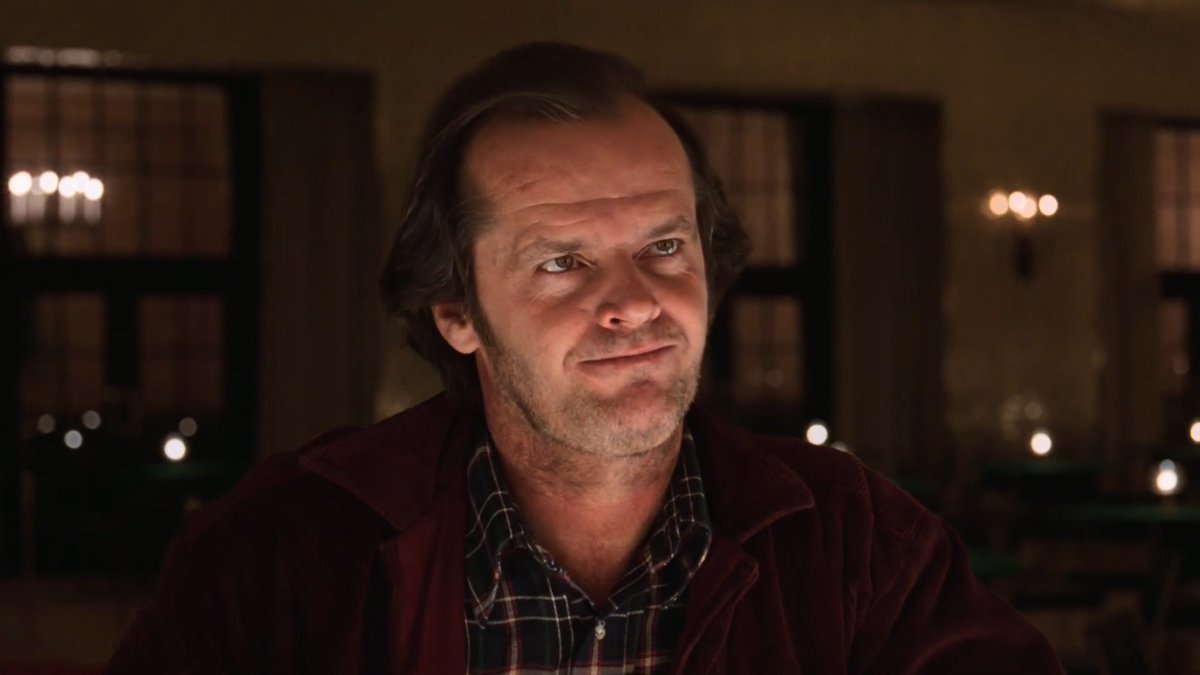
This is THE key moment of the film. The moment Jack drinks the whiskey, the hotel owns him and controls him. Jack is tempted by the Devil (Lloyd the bartender), and takes his offer. Afterall just before this Jack says "I'd sell my goddamn soul for just a glass of beer." This scene and the bathroom scene with Grady are central to that.
Best of Kubrick427,413 次观看 • 1 个月前
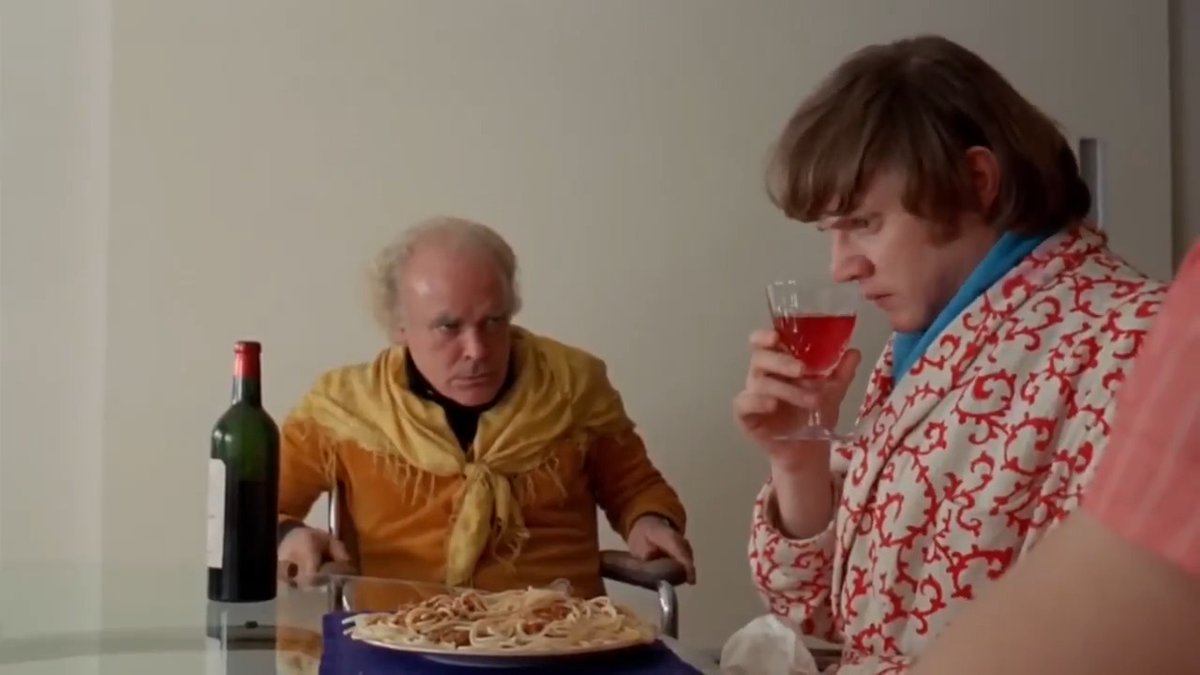
I love Kubrick’s choice of blocking and composition in every shot. It’s interesting how he constantly uses dirty 2-shots, framing Alex between Julian and Mr Alexander, meaning he is trapped and doesn’t have the power. The only times Kubrick doesn’t show Alex this way is when he cuts to close-ups of Mr Alexander and low-angle shots of Julian.
Best of Kubrick152,709 次观看 • 18 天前


The "Open the pod bay doors, HAL" scene from 2001: A Space Odyssey (1968) is still one of the most terrifying moments in film history — and there's not a single horror trope in it. No monster, no screaming, no music cueing you on how to feel. Just Dave Bowman floating outside the ship, asking for a door to open, and HAL calmly refusing with one of the coldest lines ever written: "I'm sorry, Dave, I'm afraid I can't do that." What makes it worse is how polite HAL is. Not angry. Not panicking. Not raising his voice. He just calmly explains that he knows Dave and Frank were planning to disconnect him, and that the mission matters more than letting Dave back in. HAL is essentially murdering a man through customer-service language. Keir Dullea does so much with so little here. You can see the fear building in Dave's eyes, but he holds it together, because panic would only make things worse. Pure "less is more" acting. And over 50 years later, the scene has only gotten creepier. Back in 1968, HAL felt like a warning from some distant future. Now, watching an AI politely refuse a human's command doesn't feel distant at all. That's the real horror of this scene. It's not scary because HAL acts like a machine. It's scary because he acts like a machine that has figured out exactly how to sound reasonable.
Best of Kubrick547,644 次观看 • 3 个月前


