NEJM
@NEJM • 1,035,941 subscribers
The New England Journal of Medicine is the world’s leading medical journal and website.
Shorts

Videos
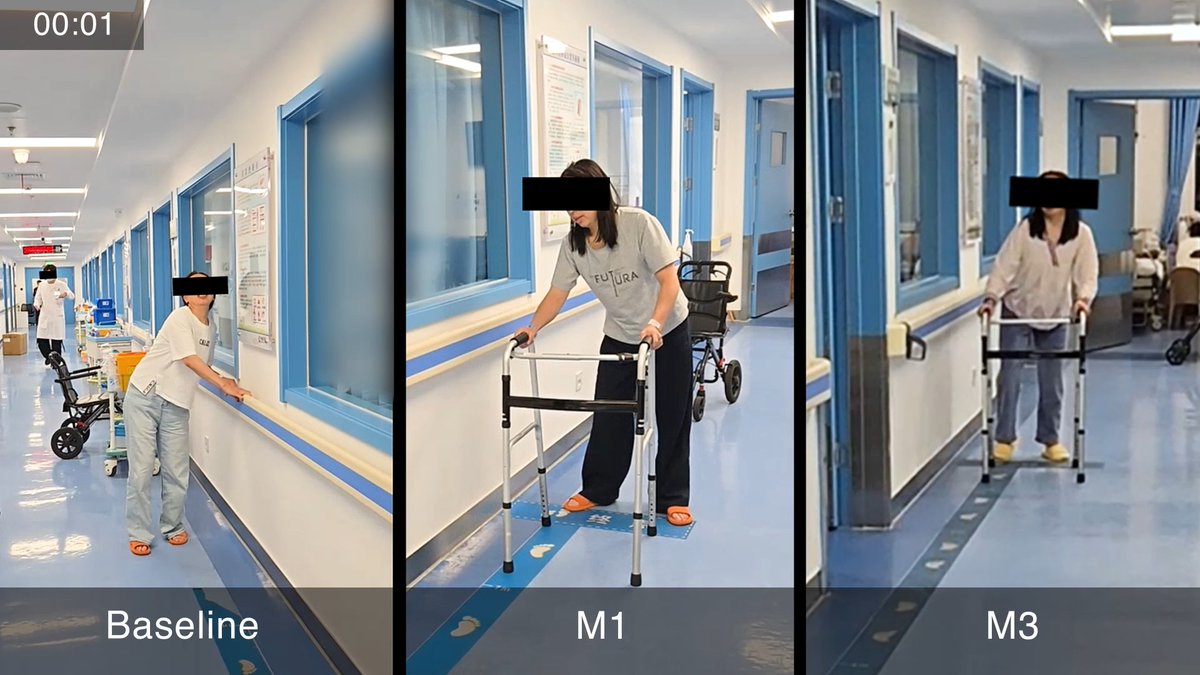
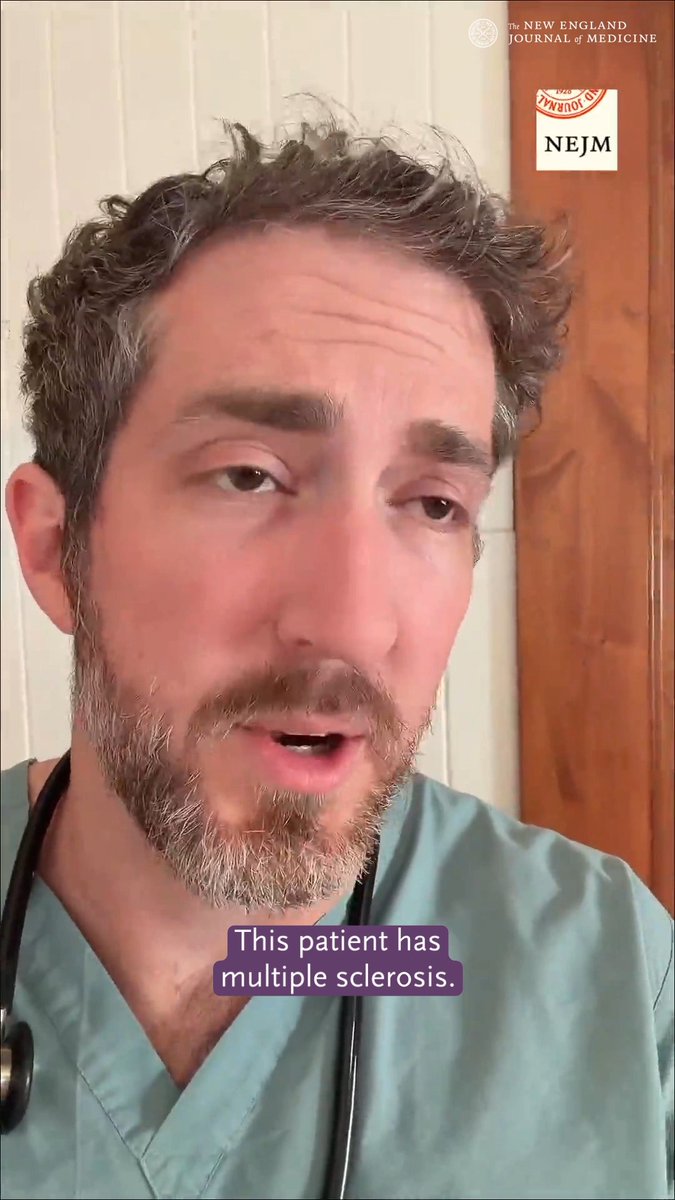
A video shows a patient with progressive multiple sclerosis attempting to walk before and after treatment with JY231, an off-the-shelf lentiviral vector designed for the direct in vivo engineering of CD19-targeted CAR T cells. Learn more in the preliminary results of a phase 1 trial:
NEJM112,470 views • 9 days ago
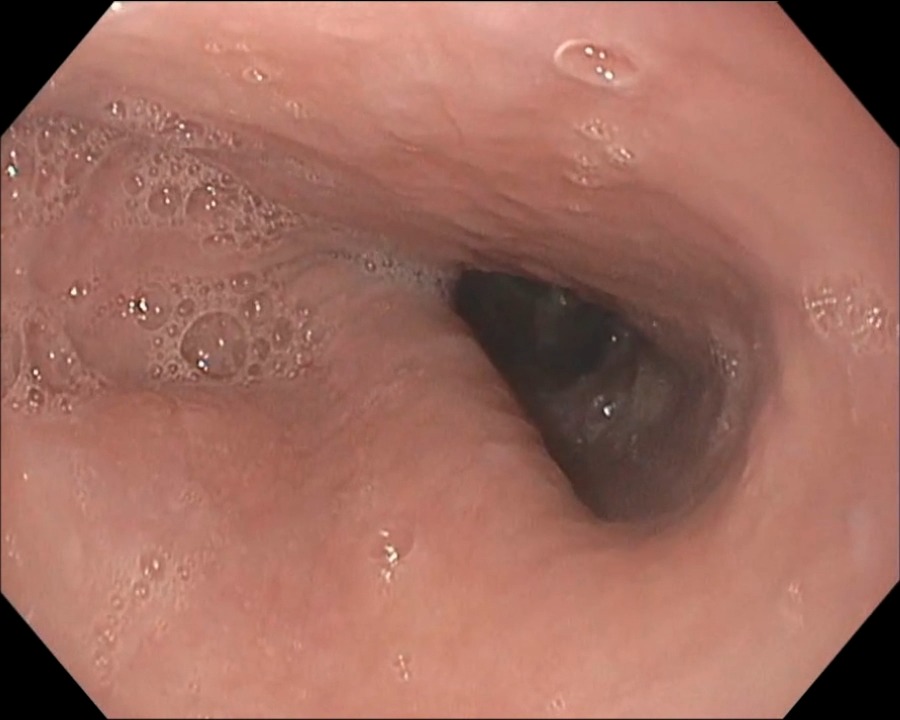
A 54-year-old woman presented with a 4-month history of progressively worsening asthenia and falls and 5 days of dyspnea. On exam, there was also head drop and mild symmetric weakness of the proximal upper and lower limbs. The creatine kinase level was 373 U per liter (reference range, 24 to 173). Magnetic resonance imaging of the head and cervical spine was notable for fatty infiltration of the tongue and paravertebral muscles. What is the most likely disease category? Submit your answer and see how others responded:
NEJM28,235 views • 4 days ago


Well, it depends... who do you want to yell at you? Cardiology or Nephrology? Our latest video in partnership with Dr. Glaucomflecken summarizes the ARISE FLUIDS trial that examined whether hemodynamic resuscitation with early vasopressors versus more liberal fluids could affect outcomes in patients with septic shock. Read the full study for free: #emergencymedicine
NEJM38,851 views • 29 days ago
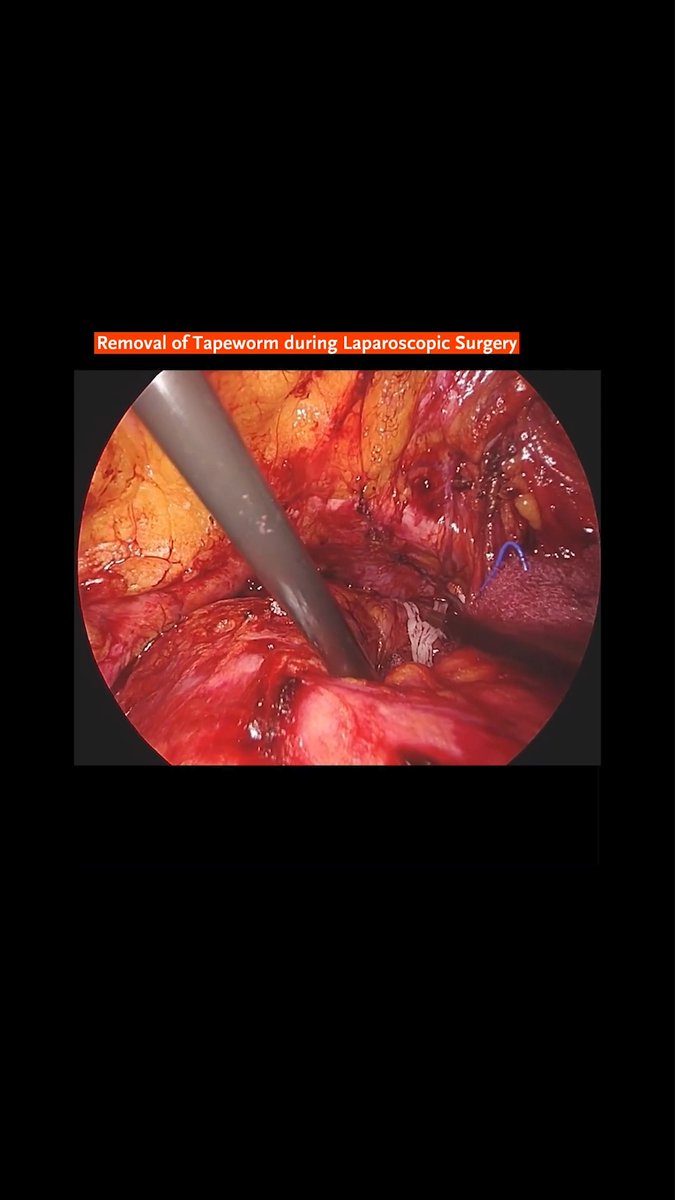
0:33
Sensitive content
This media may contain sensitive content.
Among adults with endocarditis caused by 𝘚. 𝘢𝘶𝘳𝘦𝘶𝘴, 𝘌. 𝘧𝘢𝘦𝘤𝘢𝘭𝘪𝘴, or streptococcus species, tailored-duration antibiotic therapy led to 13 more days alive without antibiotics than standard therapy, but with a higher incidence of relapse. Full POET II trial results: #ESCCongress | European Society of Cardiology
NEJM20,654 views • 16 days ago

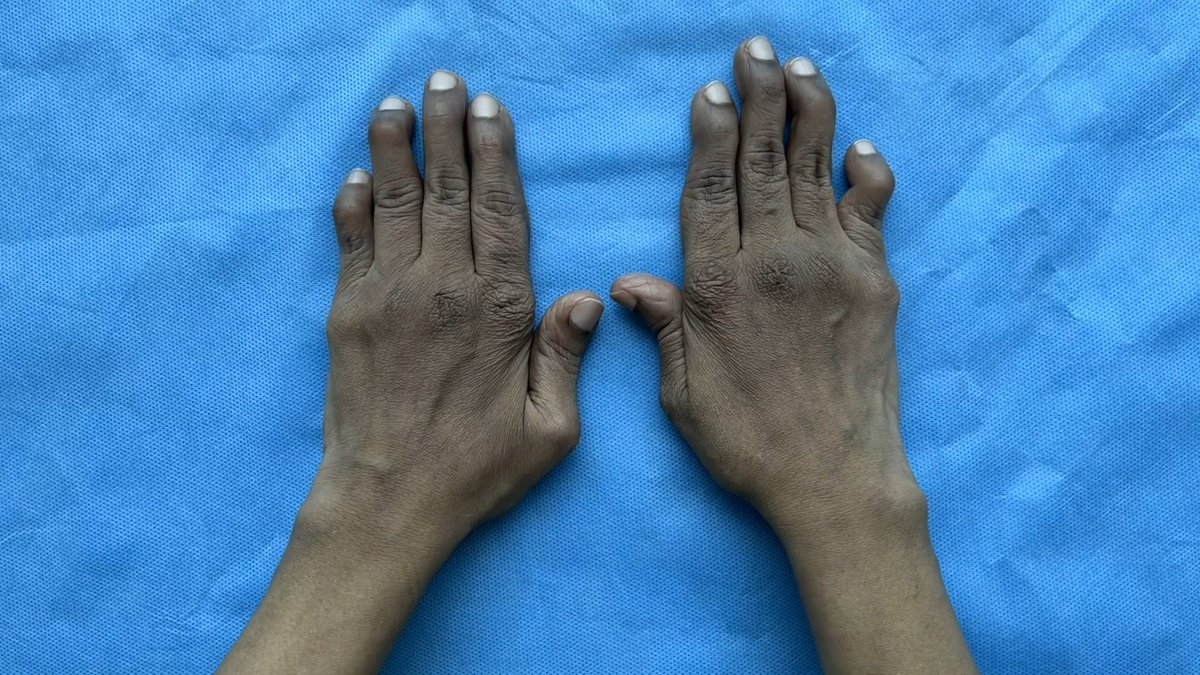
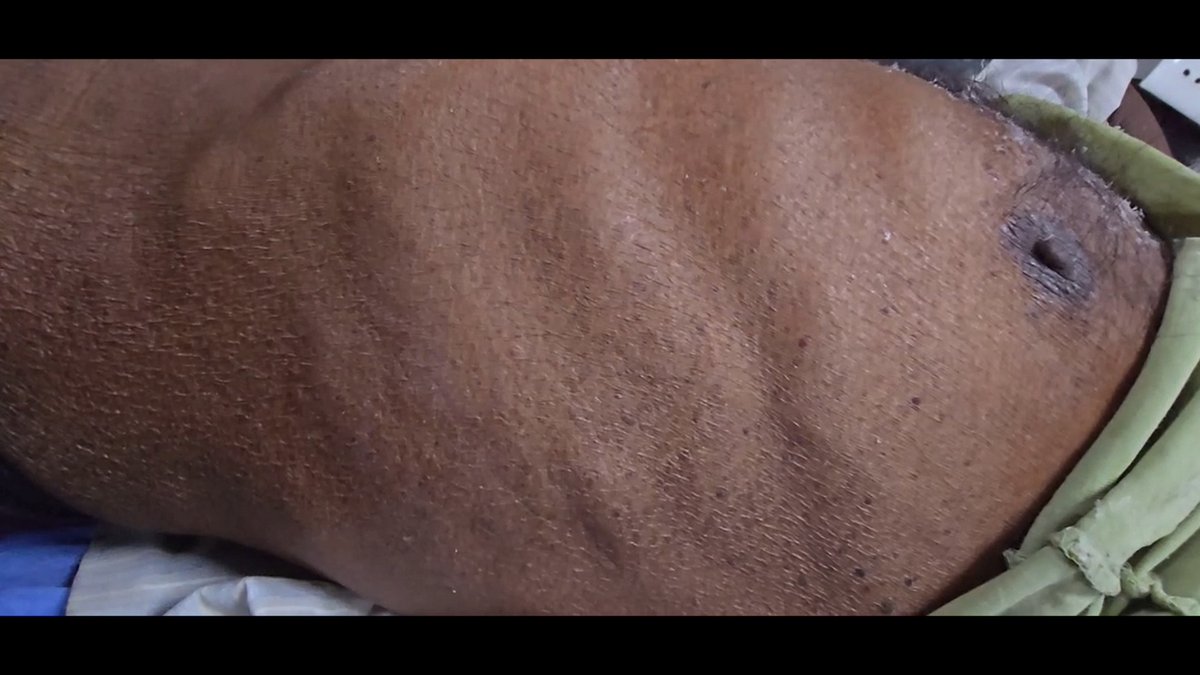
A 46-year-old man with chronic kidney disease presented with a 2-year history of painless shortening and rounding of the fingertips. Ten years earlier, he had received a diagnosis of chronic kidney disease due to obstructive nephropathy from nephrolithiasis. Since then, he had been intermittently lost to follow-up. On physical examination, all the fingertips were short, broad, and bulbous, with a pseudoclubbing appearance. The toes had similar but less severe changes. What do the findings on the exam and imaging represent? Submit your answer and see how others responded:
NEJM28,743 views • 25 days ago

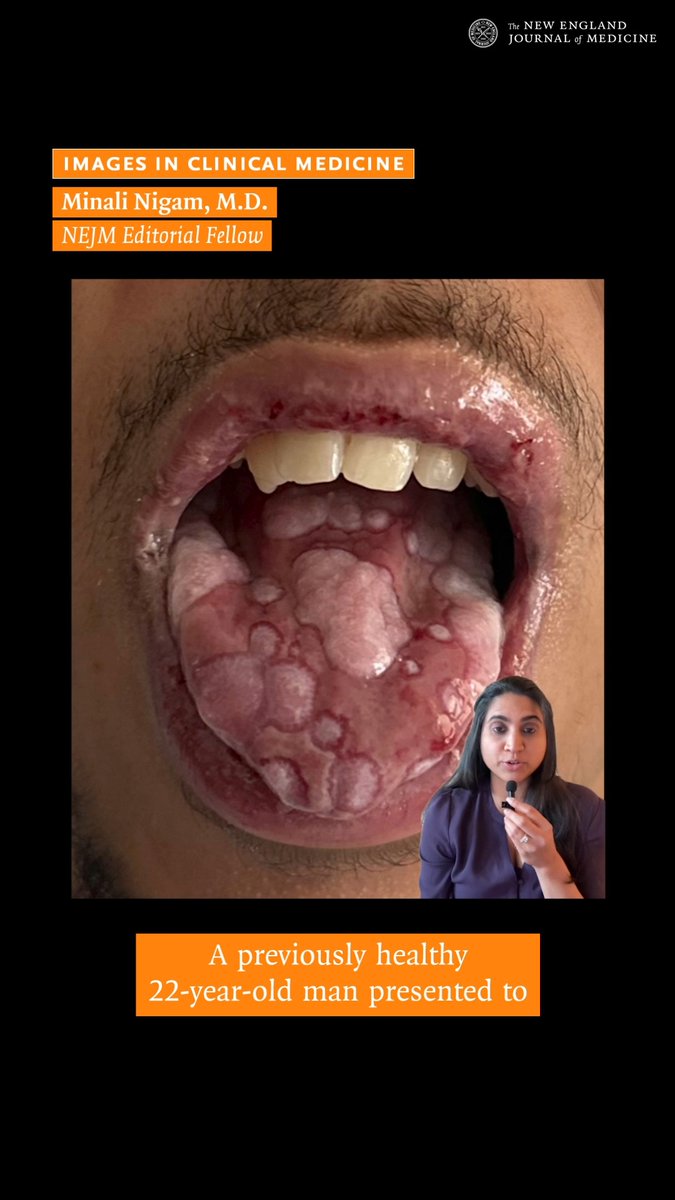
NEJM Editorial Fellow Minali Nigam, MD, describes the case of a 22-year-old man who presented with a 5-day history of painful lesions on his hands, feet, lips, and tongue. Physical examination showed erosions on the tongue and target lesions on the palms. Read the case details and diagnosis:
NEJM36,141 views • 1 month ago

Dr. Ken Wu, a pediatric doctor and NEJM editorial fellow from 2019 to 2020, reflects on his decision to apply for an NEJM editorial fellowship, some of the highlights of the fellowship, and the impact it has had on his career. Sound interesting? NEJM is looking for physicians at any career stage to apply for a one-year, full-time, paid editorial fellowship beginning in July 2027. Several fellows will be selected for the 2027–28 year; applications are due Saturday, August 15, 2026. To learn more and to apply, visit For more reflections from prior NEJM fellows and for more information, visit
NEJM34,145 views • 1 month ago


A 61-year-old man with prolonged neutropenia as a result of salvage chemotherapy for acute myeloid leukemia was evaluated on hospital day 37 for persistent neutropenic fever despite treatment with broad-spectrum antimicrobial agents. Physical exam was notable for a lesion with central necrosis on the chest and a similar lesion on the left palm. A serum 1,3-β-D-glucan level was elevated, and a galactomannan was negative. Computed tomography of the chest, abdomen, and pelvis was performed. Gram’s staining of blood culture revealed septate, hyaline hyphae. What is the most likely causative organism? Submit your answer or see how others responded:
NEJM33,857 views • 1 month ago
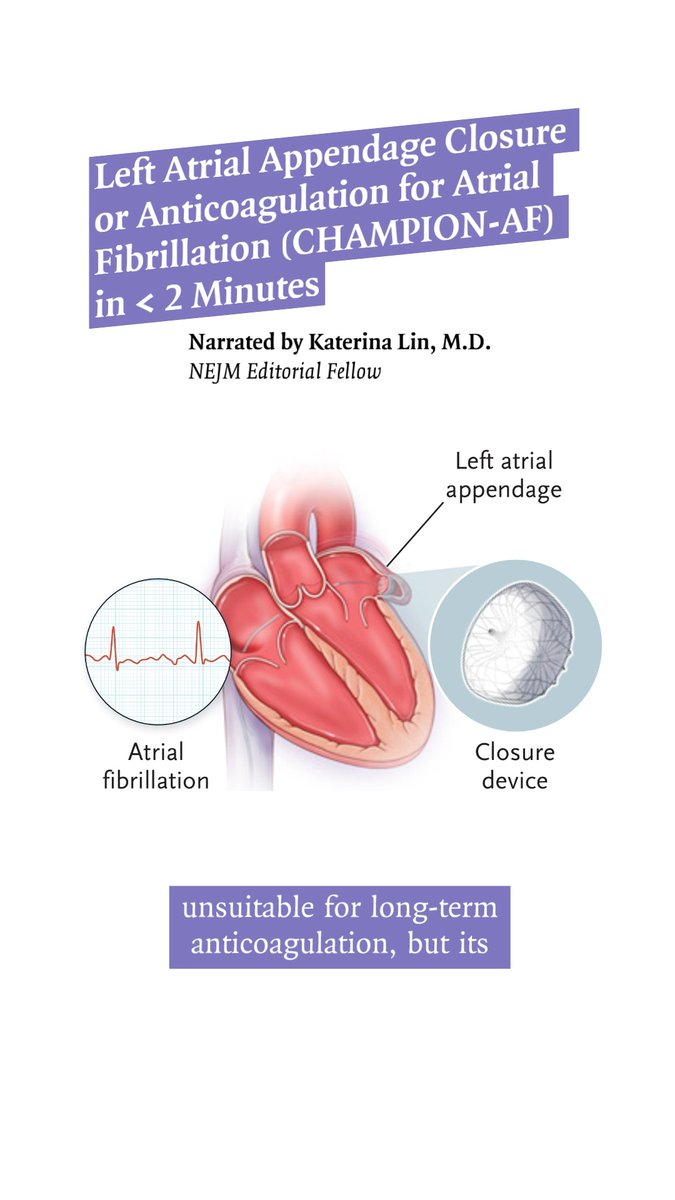
In patients with atrial fibrillation and intermediate stroke risk, direct oral anticoagulation led to a lower risk of stroke, systemic embolism, major bleeding, or death from cardiovascular causes than no anticoagulation. Full SINGLE-AF trial results: #ESCCongress | European Society of Cardiology
NEJM16,284 views • 17 days ago