

Wevolver
@WevolverApp • 64,584 subscribers
Wevolver is the platform that provides the knowledge and connections to develop better technology.
Shorts



Videos
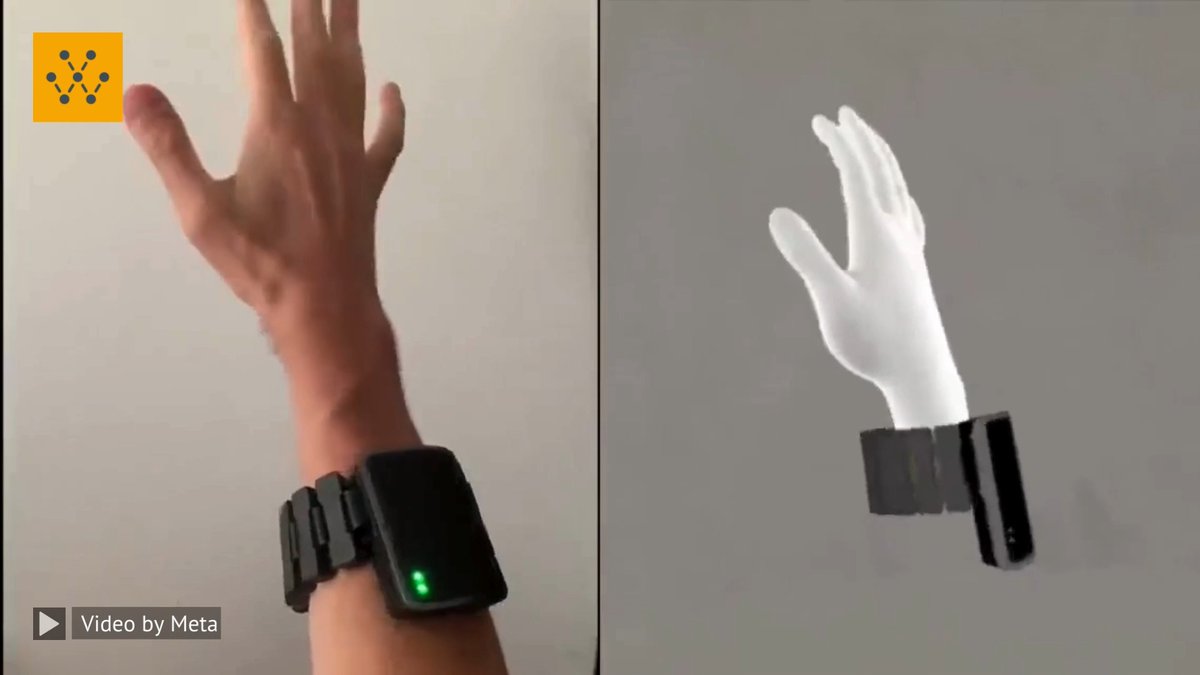
Meta Develops Non-Invasive Neural Interface for Next-Generation Interaction Meta Reality Labs is advancing wrist-based neural interface technology designed to enable more natural and intuitive interaction with future computing platforms. The non-invasive device leverages finger-tracking to interpret user intent. Meta’s CEO has indicated that the technology could reach commercialization within the next few years. Video source: Meta #Meta #VR #AR #NeuralWristband #tech ----------------------- Wanna get your company on Wevolver too? Learn how:
Wevolver333,314 просмотров • 7 месяцев назад
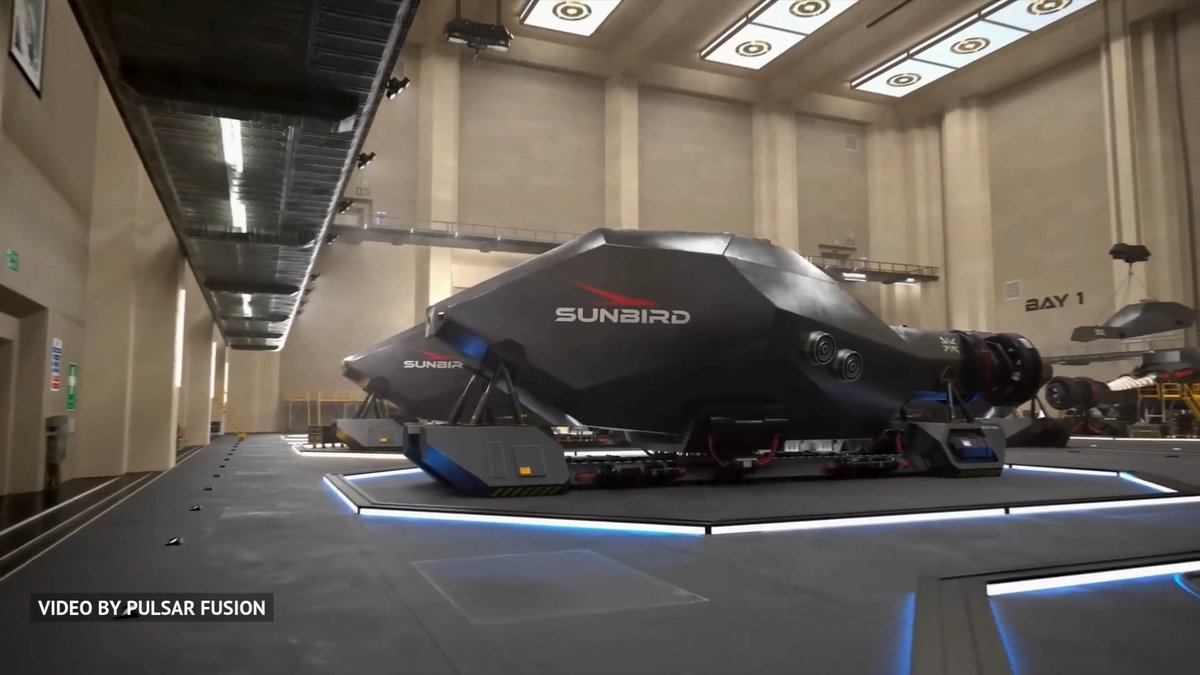
Pulsar’s Sunbird programme achieved first plasma in March 2026, demonstrating initial confinement and particle acceleration using krypton. Upcoming testing will add plasma diagnostics, superconducting magnets, RF and rotating magnetic-field heating, and thrust measurements. The programme aims to advance toward aneutronic fusion propulsion while studying neutron-induced damage to reactor walls and magnets with UKAEA. Video Credit: PULSAR #engineering #technology #fusion
Wevolver103,868 просмотров • 2 месяцев назад
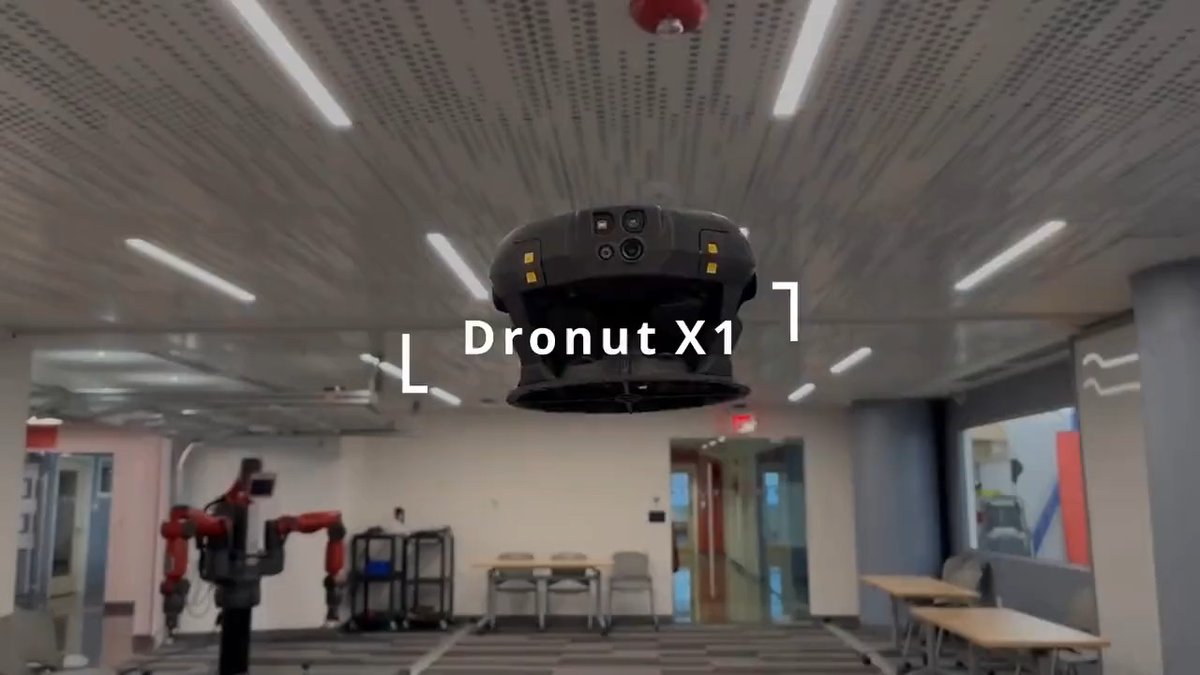
The Dronut X1 is a bi-rotor ducted drone powered by Cleo Robotics' patented thrust vectoring #technology. With no exposed propellers and a compact design that can fit in the palm of your hand, the Dronut can safely fly where no other drone has flown before. #drone #engineering
Wevolver621,534 просмотров • 3 лет назад
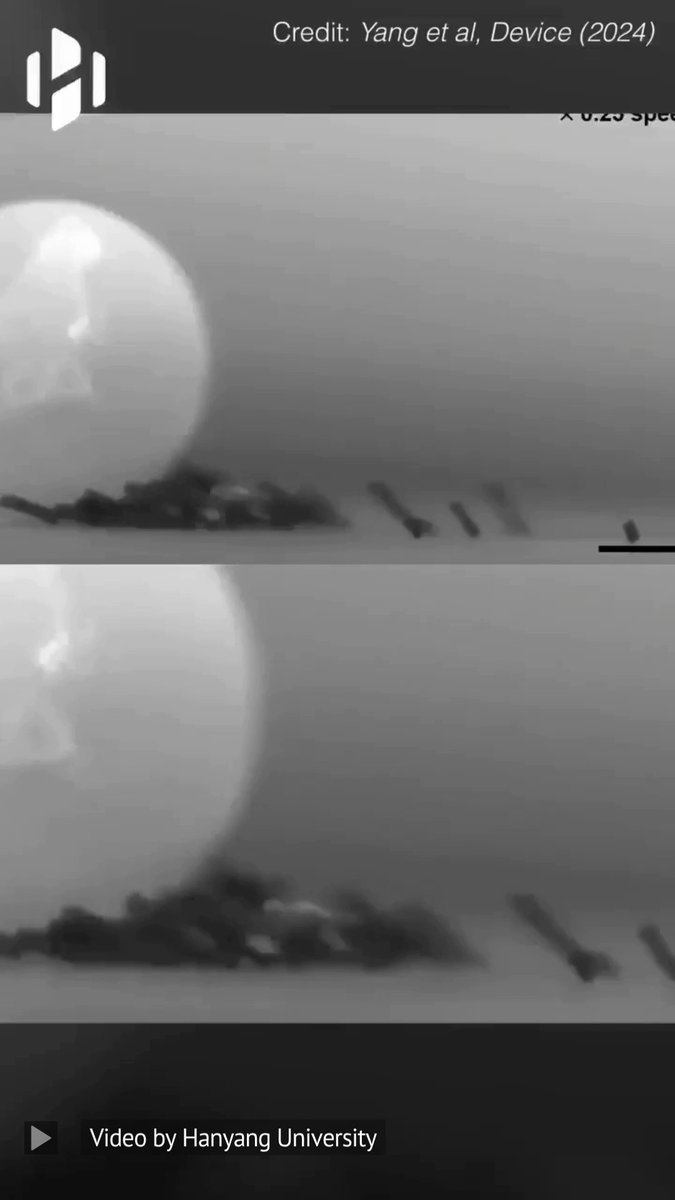
Researchers at Hanyang University developed magnetic micro swarm robots that can operate in groups of up to 1,000 units. Individually simple, the robots collectively achieve capabilities through coordination, including carrying objects up to 350 times the weight of one unit. The swarm can operate on surfaces, in liquids and confined spaces, with potential applications in clearing blocked arteries, drug delivery and pipeline navigation. Video Credit: Hanyang University #engineering #technology #robotics
Wevolver20,760 просмотров • 1 месяц назад
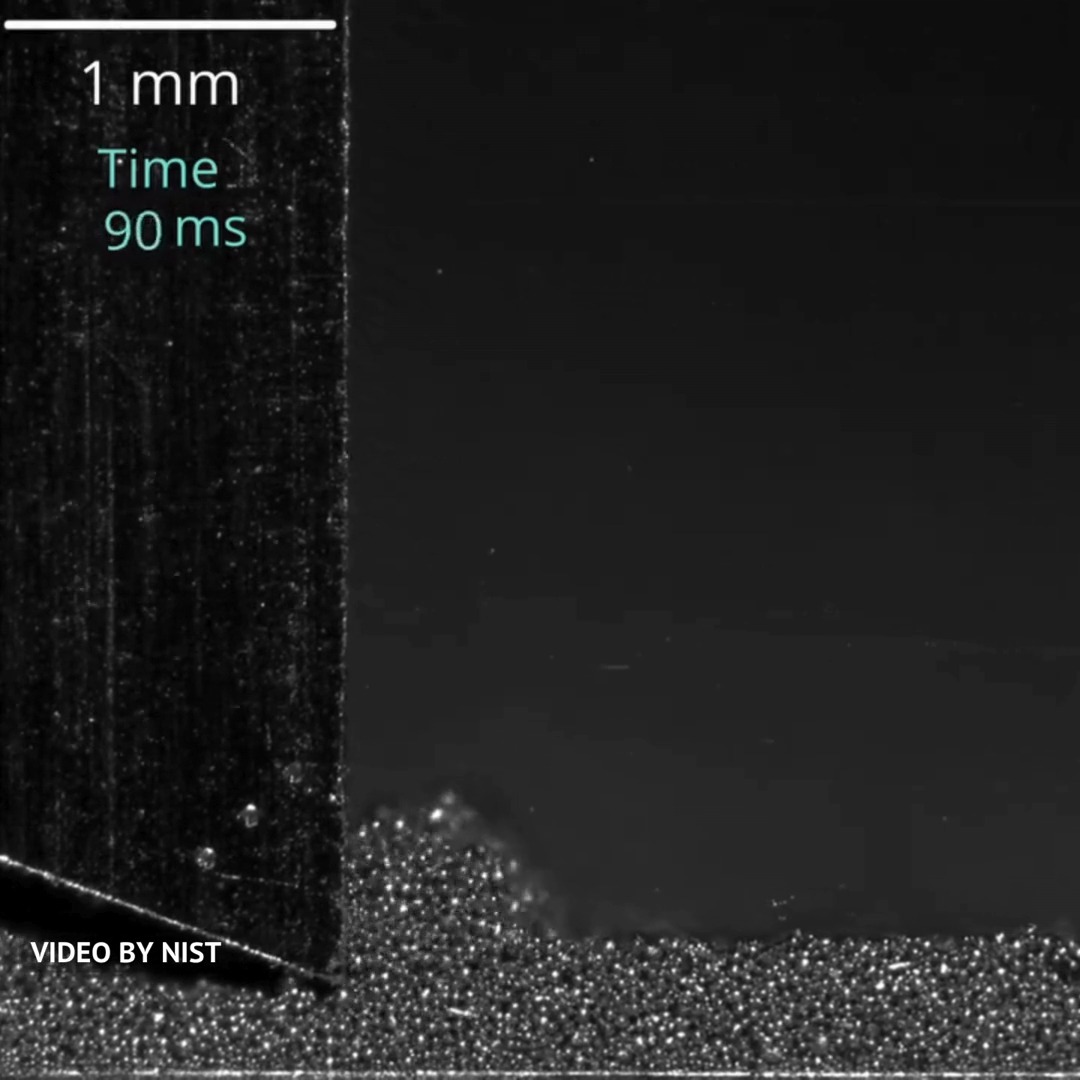
These stainless-steel beads form a powder that is over six times finer than flour, meaning each particle is too small to see with the naked eye. Powders like this are the basic building material of a type of metal 3D printing called "laser powder bed fusion" or (PBF-LB). It works by spreading out a thin layer of metal powder and using a powerful laser to melt the powder together into a specific shape. Then the process continues by laying down a fresh layer of powder on top and repeating. Each layer is leveled off by a wiper. It’s like the way you might level off a cup of flour with the back of a knife. To make a good 3D-printed part, the powder must be spread in an even, consistent way. Now, thanks to NIST research, we can watch the powder spreading and study its behavior. This work will improve the consistency and quality of metal 3D printed parts. Video Credit: National Institute of Standards and Technology #engineering #technology #3dprinting #additivemanufacturing
Wevolver73,297 просмотров • 5 месяцев назад
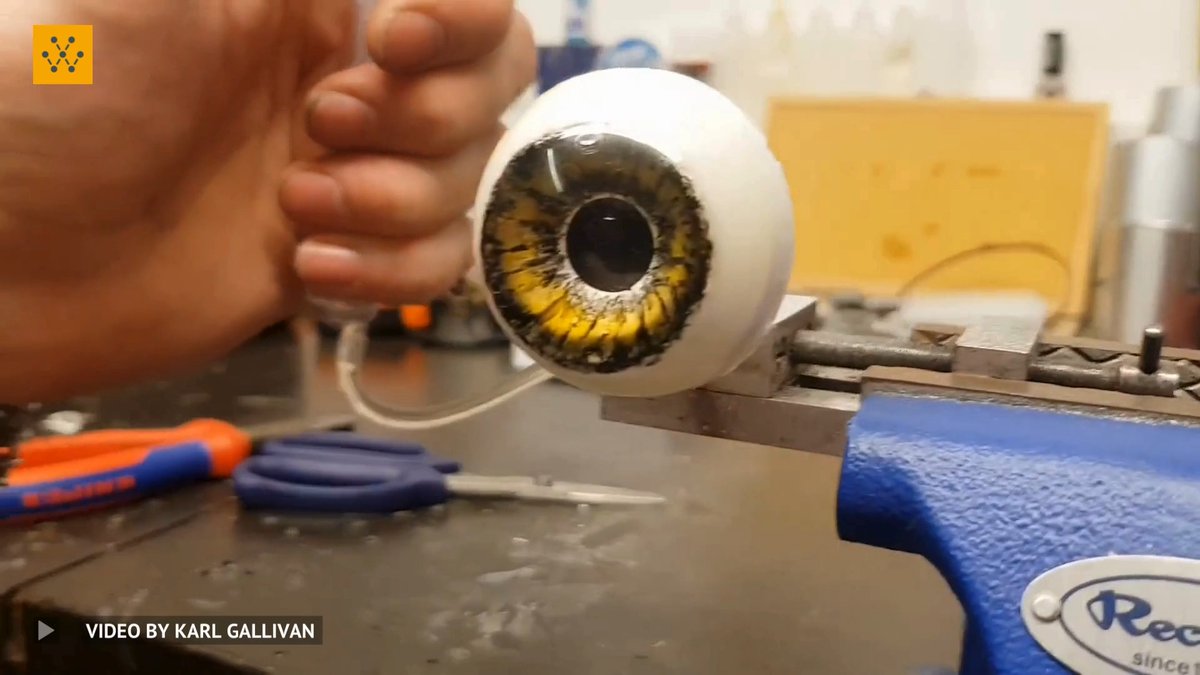
Developing an oil-filled dilated pupil mech on Jurassic World Dominion. It was designed using compressed clear silicone oil to create a magnifying lens over a flexible membrane. Video credit: Karl Gallivan (Karl Gallivan) #props #animatronics #engineering #technology #jurassicworld #jurassicworlddominion
Wevolver277,717 просмотров • 2 лет назад
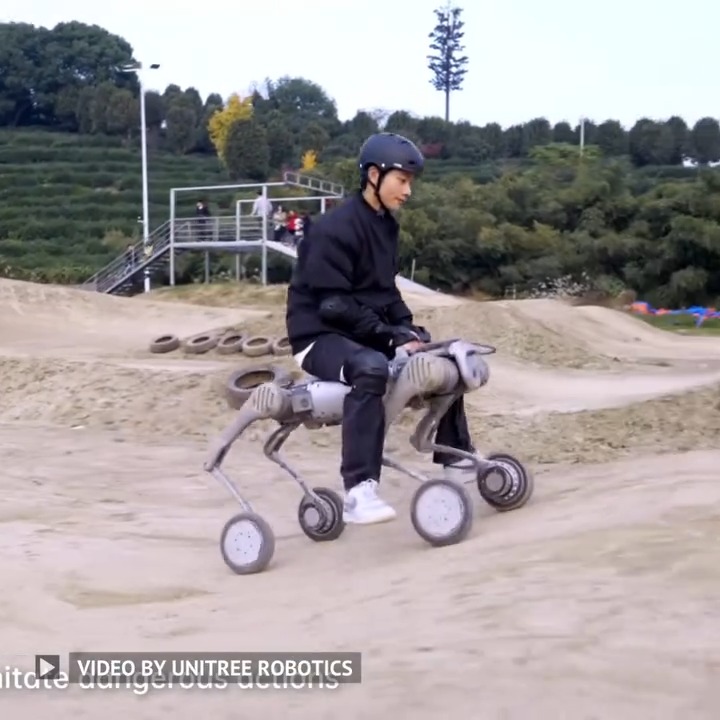
Unitree’s B2-W Industrial Wheel has been upgraded. The B2-W is a quadruped robot from Unitree equipped with wheels on its limbs. Built with industrial-grade protection, it can overcome obstacles and reach speeds of up to 20 km/h. It is designed for stable movement across a wide range of environments, adapting to stairs, flat surfaces, and uneven terrain such as stones, gravel, or sand. Video Credit: Unitree Robotics #robotics #robots #engineering #technology #unitree
Wevolver134,494 просмотров • 1 год назад
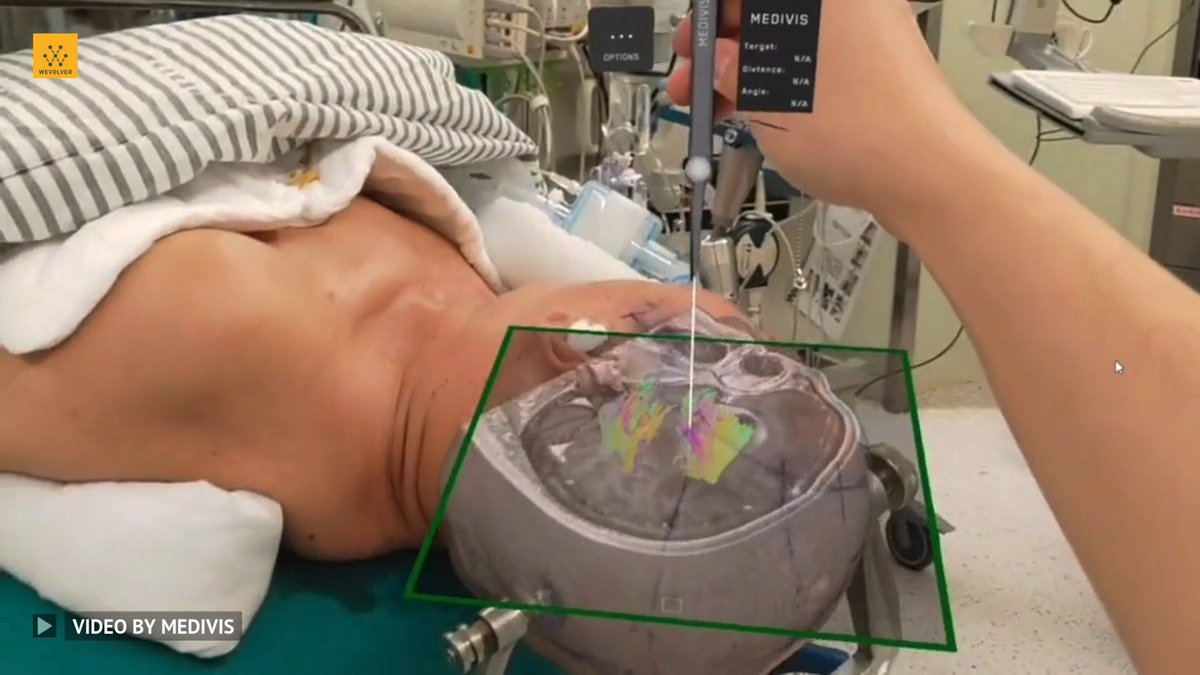
Medivis’ technology transforms complex 2D imaging, like MRI and CT scans, into real-time 3D visualizations that can be superimposed onto the patient's body in real-time at the bedside. Video Credit: @Medivis_AR #engineering #technology #hologram #augmentedreality
Wevolver183,350 просмотров • 1 год назад
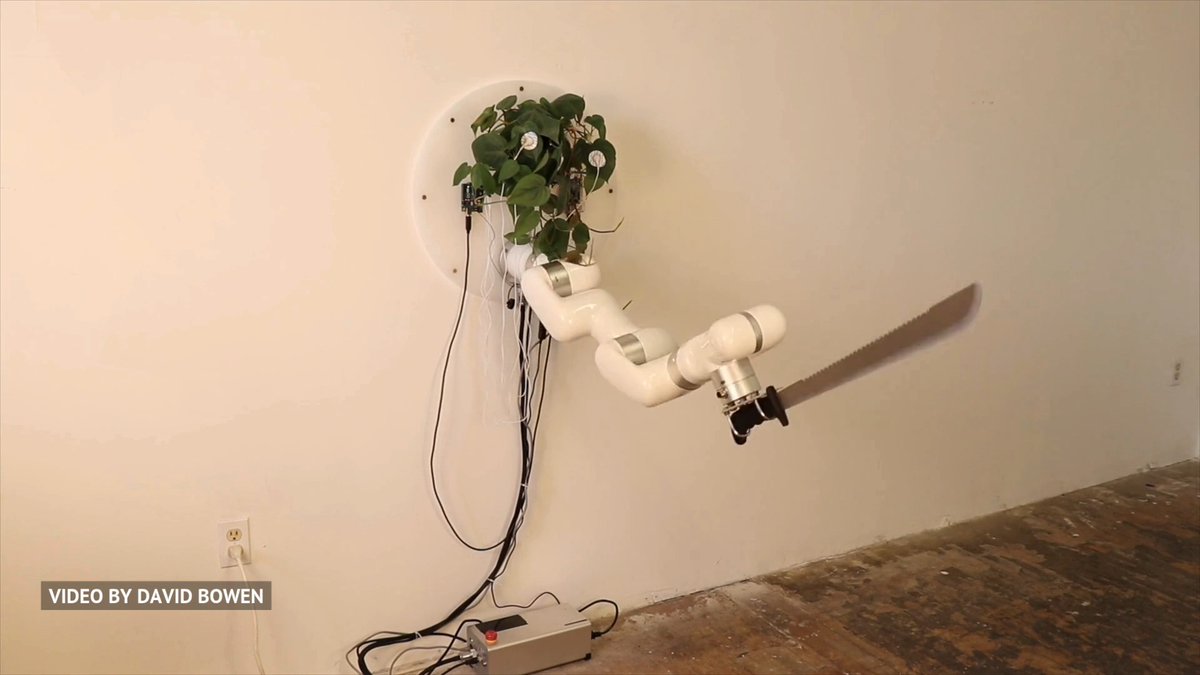
This installation enables a live plant to control a machete. Plant machete has a control system that reads and utilizes the electrical noises found in a live philodendron. The system uses an open-source microcontroller connected to the plant to read varying resistance signals across the plant’s leaves. Using custom software, these signals are mapped in real-time to the movements of the joints of the industrial robot holding a machete. In this way, the movements of the machete are determined based on input from the plant. Essentially, the plant is the brain of the robot, controlling the machete, determining how it swings, jabs, slices, and interacts in space. Video Credit: David Bowen #engineering #technology
Wevolver48,351 просмотров • 5 месяцев назад
1:05
Sensitive content
This media may contain sensitive content.
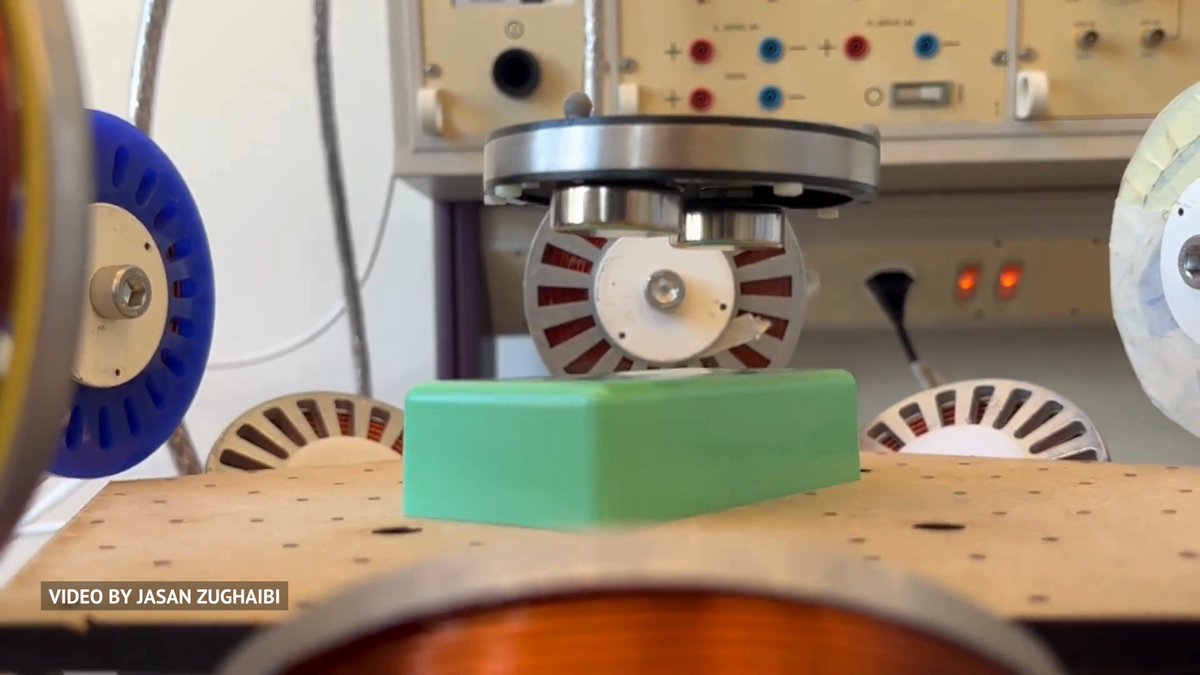
A research team developing minimally invasive surgical technologies has demonstrated remote magnetic levitation for moving objects inside the body. Their objective is to control guidewires and catheters using magnetic fields. Because magnetic levitation is inherently unstable, it requires solving difficult control challenges, including nonlinear magnetic field behavior, real-time system modeling, and control algorithms that can operate across different electroMagnetic Navigation Systems (eMNS) and device types. A key challenge is tracking position and orientation. Once a catheter or microrobot is inside the body, direct visual feedback is often unavailable, leaving researchers to rely on magnetic field and current measurements for localization and control. Credit: Jasan Zughaibi, Dominik Isler, Michael Muehlebach, and Bradley J. Nelson Video Credit: Jasan Zughaibi #engineering #technology #levitation
Wevolver19,406 просмотров • 2 месяцев назад

Ever tried 3D scanning a printed circuit board (PCB)? Capturing tiny solder joints, dense routing, and reflective surfaces is no easy task. In this demo, the AutoScan Inspec 2 takes on a highly complex electronic component to show what high-accuracy 3D metrology can achieve. Watch how it captures fine micro-details and converts them into a precise 3D model ready for reverse engineering, inspection, and quality control workflows. ---- From automotive body panels to aerospace components, precision inspection is becoming a critical part of modern manufacturing. This new whitepaper explores how high-accuracy 3D metrology is helping engineers capture full-field data, reduce inspection bottlenecks, and improve quality assurance workflows with micron-level precision. Get the whitepaper here: #3dscanning #engineering #technology Shining 3D, Inc.
Wevolver36,150 просмотров • 5 месяцев назад
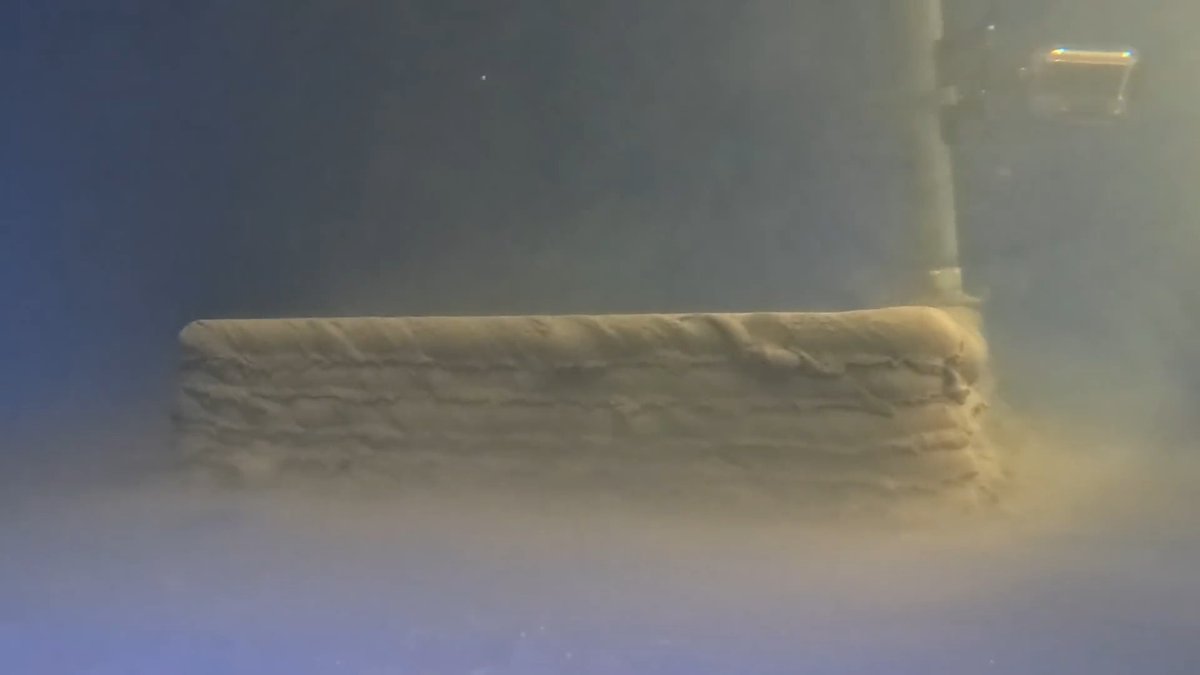
LUYTEN 3D and researchers at the University of Wollongong have developed Australia’s first underwater 3D concrete printing system, alongside a “single-mix” concrete formulation that works underwater without chemical accelerators. The technology enables direct underwater construction and repair of marine and subsea infrastructure while reducing reliance on dry docking and large-scale marine works. Potential applications include ports, coastal infrastructure, offshore energy, and defence projects, including support for future submarine and floating wind farm infrastructure. Video Credit: LUYTEN® #engineering #technology #3dprinting #additivemanufacturing
Wevolver29,398 просмотров • 4 месяцев назад
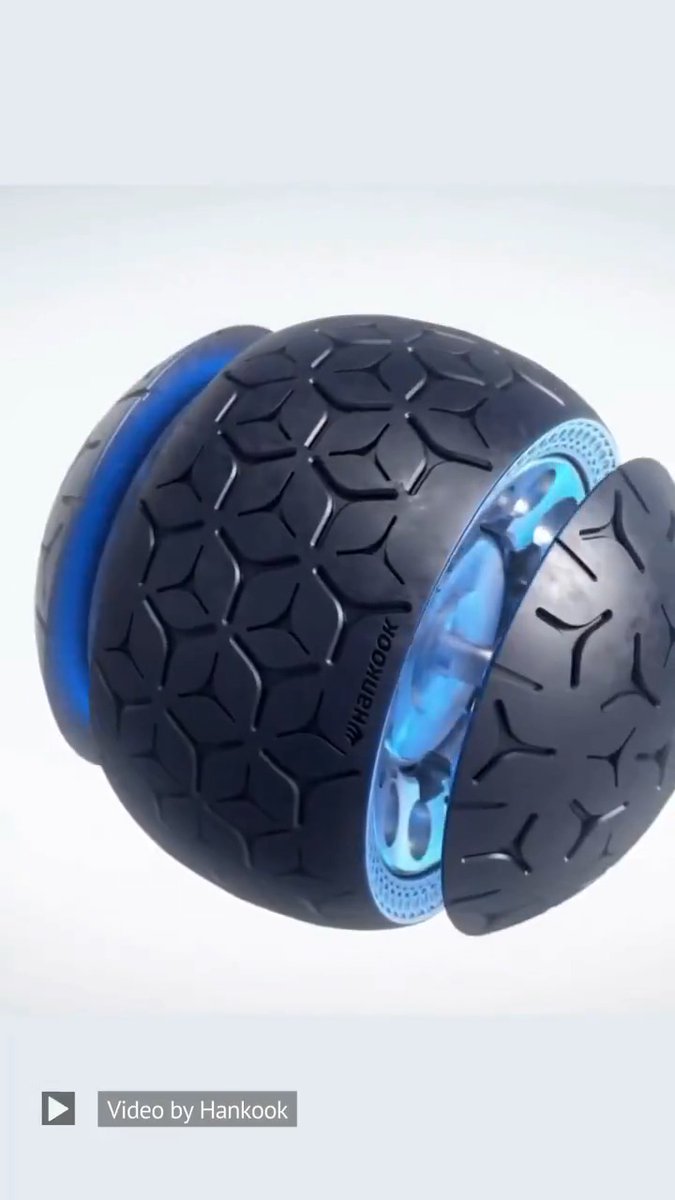
Wheelbot: Conceptual Autonomous Tire System for Versatile Mobility The Wheelbot is a conceptual autonomous tire and wheel system designed to navigate a range of terrains, including urban settings. This concept explores the potential for future mobility solutions in which wheels can detach from vehicles and function independently as robotic units. Credit: Hankook Tire #hankook #tyres #formulaone #formula1 #engineering #techology -------------------------------- Stay ahead of the curve! Follow us now on our WhatsApp ( and Telegram ( channels and stay updated about the cutting edge.
Wevolver50,433 просмотров • 9 месяцев назад
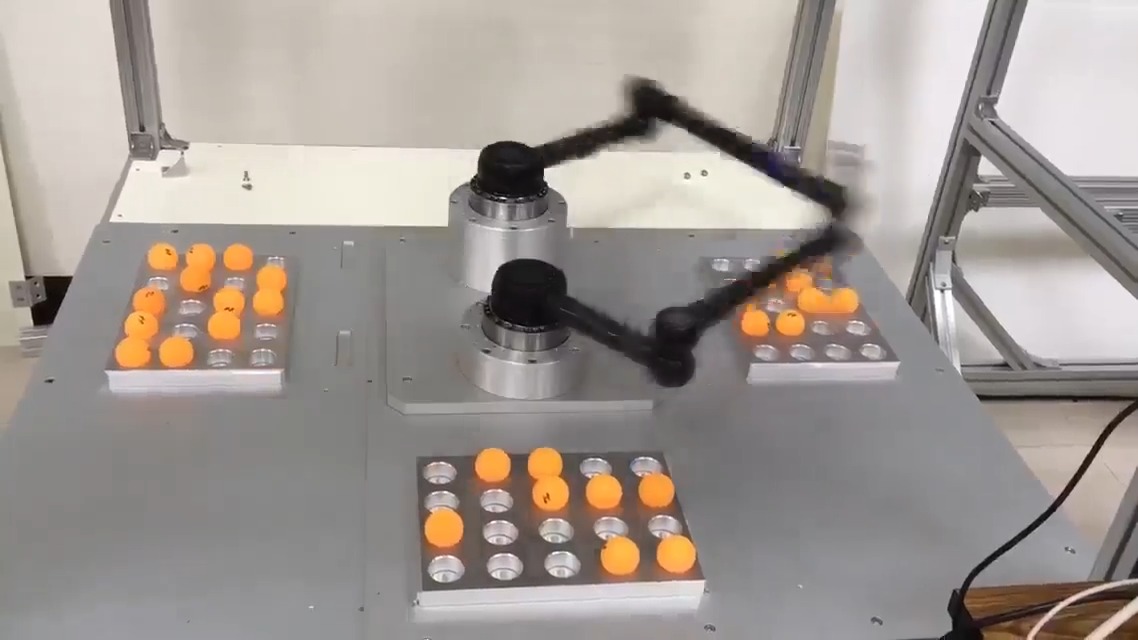
A Taiwanese startup is rethinking what a SCARA robot can do. They developed a robot that outperforms typical SCARA models in speed, stability, and space efficiency. Unlike most conventional arms, it can also move smoothly through singularity positions, where many robots lose control or need complex workarounds. That matters more than it sounds. Singularity limits often prevent standard industrial robots from handling certain tasks. Solving it could unlock more advanced automation in tighter, more demanding spaces. Video Credit: Marc Theermann #robotics #robots
Wevolver30,736 просмотров • 5 месяцев назад

ULEAD (Unsprung Load Electric All Drive) is a suspension system featuring 18 wheels, each equipped with an independent electric motor and suspension. The design minimizes ground impact and enables the vehicle to traverse uneven terrain without causing surface damage. Video source: 18 WHEELS #innovation #tech -------------------------------- Stay ahead of the curve! Follow us now on our WhatsApp ( and Telegram ( channels and stay updated about the cutting edge.
Wevolver50,833 просмотров • 11 месяцев назад
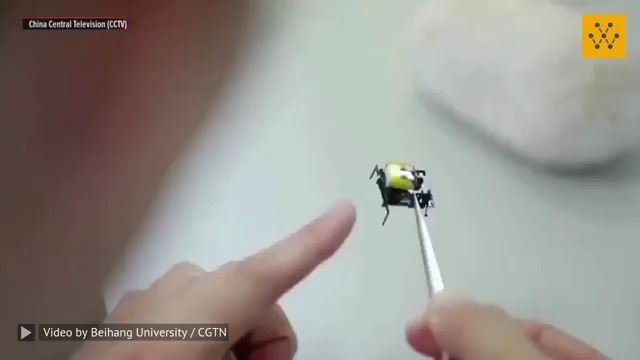
Researchers at the Beihang University in Beijing have invented a 2-centimeter-long microbot with ultrafast untethered running speeds. The research results were published in a study titled "A Wireless Controlled Robotic Insect with Ultrafast Untethered Running Speeds" in journal Nature Communications. Resembling a bug, this innovative robot has the potential for future applications in emergency rescue and mechanical inspection. Video source: Beihang University / CGTN #microrobot #locomotion #biomimicry #robotics #technology #engineering #innovation -------------------------------- Stay ahead of the curve! Follow us now on our WhatsApp ( and Telegram ( channels and stay updated about the cutting edge.
Wevolver61,865 просмотров • 1 год назад
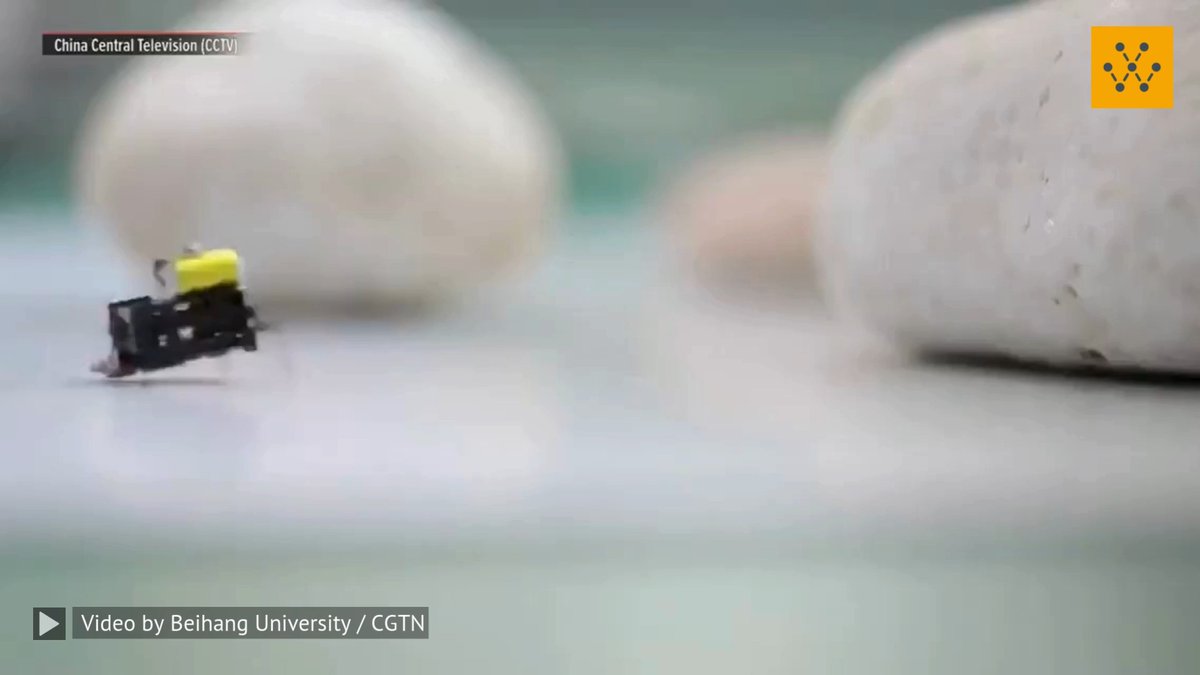
Researchers at the Beihang University in Beijing have invented a 2-centimeter-long microbot with ultrafast untethered running speeds. The research results were published in a study titled "A Wireless Controlled Robotic Insect with Ultrafast Untethered Running Speeds" in journal Nature Communications. Resembling a bug, this innovative robot has the potential for future applications in emergency rescue and mechanical inspection. Video source: Beihang University / CGTN #microrobot #locomotion #biomimicry #robotics #technology #engineering #innovation -------------------------------- Stay ahead of the curve! Follow us now on our WhatsApp ( and Telegram ( channels and stay updated about the cutting edge.
Wevolver50,486 просмотров • 1 год назад