Some plyometrics & reactive speed work will turn strength... into speed 🔥 Full Workout 3x30s: Box Jumps Side Skates Pogo Jumps Side to Side Squat Twists Lunge Jumps Lunge to High Knee Single Leg Knee Drive Single Leg High Knee Save these and try them in your next workout 💪🏼show more
Yoga & Mobility Exercies
119,690 次观看 • 25 天前
FULL BODY DUMBBELL WORKOUT A complete full-body session using... dumbbells. Split it into 2 circuits of 4 exercises. Complete 3 rounds of Circuit 1, then 3 rounds of Circuit 2. Rest 30–60 seconds as needed. 1. Reverse Lunge into Dumbbell Swing — 8–10 each leg Hold a dumbbell in each hand at your sides. Step one foot back into a reverse lunge. Lower until both knees are bent comfortably, keeping your front knee aligned with your foot. Push through your front foot to stand back up. Hinge at your hips and swing the dumbbells forward to about chest height. Control the weights back down, then repeat on the other leg. Targets: Quads, glutes, hamstrings, and core.show more
Muscle Freak
21,122 次观看 • 8 天前
Strong hip flexors keep your knee drive holding up... when the late-race fatigue sets in. The kettlebell hip flexor march is a running-specific way to train them. Single leg, upright, knee driving up with load. Focus points: → Stand tall on one leg → Place a light kettlebell on top of the opposite foot → Brace your core before you lift → Drive the knee up to 90°, hold the kettlebell balanced → Lower slow and controlled, don't let the foot touch down between reps → Stay tall through the standing leg, no leaning back 3 x 8-12 per leg. Aim for RPE 7. The standing leg gets a stability challenge. The driving leg gets loaded hip flexion. And your shin works isometrically to keep the kettlebell from sliding off. Bonus tib anterior work most runners never train.show more
Tim Roozendaal
17,546 次观看 • 4 个月前
🚨 Want glutes that actually function—not just look good?... The single-leg glute bridge is one of the smartest moves for building real posterior chain strength, fixing imbalances, and protecting your hips, knees, and lower back. Here’s why they're an elite movement: • Unilateral power: Forces each glute and hamstring to work independently. No more stronger side compensating for the weaker one (most people are shocked how weak one side feels). • Injury-proofing & rehab gold: Excellent for knee/hip issues. Strengthens stabilizers without heavy spinal loading. • Longevity-friendly: Improves hip extension, pelvic stability, and movement mechanics, key for staying strong and mobile as you age. • Highly scalable: Beginners progress from standard bridges. Advanced? Add dumbbells, bands, or elevate your foot. How to do it: 1. Lie on back, knees bent, feet flat. 2. Engage core, lift one knee to tabletop. 3. Drive through the planted foot, squeeze glute, lift hips while keeping them level. 4. Lower with control. 10+ reps per side. Start simple. Master form. Then progress. Your glutes, hamstrings, and lower back will thank you. Drop a 🔥 if you’re in. #GluteTraining #StrengthTraining #FunctionalFitnessshow more

Kristie Leong M.D.
14,418 次观看 • 1 个月前
This is the prompt for figure 4 head lock:... Begin with a low three-quarter view from Honoka’s left side, showing Arisa standing behind her head. Move closer gradually while keeping Arisa’s hips, knees, ankles, and Honoka’s defensive movements fully visible. 0.0–1.5 sec: Honoka lies facing upward, breathing heavily, with both knees slightly bent and her gloves near her chest. Arisa stands behind Honoka’s head with a wide, balanced stance. She studies Honoka briefly, then bends her knees and lowers into a controlled squat. 1.5–3.0 sec: Arisa sits onto the canvas directly behind Honoka’s head. She places both palms on the mat beside Honoka’s shoulders for balance, without grabbing Honoka’s wrists or arms. Honoka reacts by lifting her head and shoulders slightly and raising both gloves defensively. 3.0–4.8 sec: Arisa shifts onto her left hip and slides her right thigh beneath the back of Honoka’s neck and upper shoulders. Arisa’s right knee points diagonally toward Honoka’s left shoulder, while her right lower leg extends along the canvas beside Honoka’s head. Honoka tries to turn toward Arisa and pushes against Arisa’s thigh. 4.8–6.5 sec: Arisa swings her left leg across the front of Honoka’s upper chest and near shoulder. The back of Arisa’s left knee settles beside Honoka’s right cheek and shoulder line. Arisa keeps her left foot elevated briefly while adjusting the angle, preventing Honoka from sitting upright. 6.5–8.0 sec: Arisa bends her left knee more deeply and brings her left ankle toward the bend behind her right knee. At the same time, she lifts her right lower leg from the canvas and folds it inward, crossing it over the left ankle. Her knees close around Honoka’s head-and-shoulder line, creating a compact closed loop. 8.0–9.5 sec: Arisa secures the crossed-leg arrangement by placing the back of her right knee firmly over her left ankle. She flexes both feet, draws her heels closer to her hips, and rotates her torso slightly toward Honoka’s right side. One hand remains posted on the canvas while the other steadies her own shin. 9.5–11.5 sec: Honoka struggles fiercely. She grips Arisa’s lower leg with both gloves, bridges her hips high, twists her shoulders, and plants both feet against the canvas. She tries to turn onto her side and slide her chin and shoulder toward the open space. 11.5–13.2 sec: Arisa follows Honoka’s movement by scooting her hips backward several inches, keeping her knees tightly connected. She lowers onto one forearm, slightly straightens her upper leg, and pulls the opposite heel inward to stop Honoka from rotating free. 13.2–15.0 sec: Honoka continues resisting without surrendering. She bridges again, kicks her heels against the canvas, pushes at Arisa’s knee, and twists her torso from side to side. Arisa maintains the secured leg configuration with steady posture and controlled pressure. End with Arisa holding the dominant position while Honoka remains conscious, active, and still refusing to tap.show more

Angel Combat
16,048 次观看 • 1 个月前
Game Day Priming for Marshall Baseball 🦬🔥 Biggest points... of emphasis: ✅Add everything in a small dosage within a short time parameter. “Small doses stimulate. Large doses annihilate.” Tony Holler ✅Program exercises that maximize intent and output. The session should be High CNS and set them up for a great performance during games or scouting. ✅Add in needed concepts as determined necessary. Love adding in the Hunter Eisenhower Force System, especially in the warm up. For this session, the goal was to get a rotational rhythm and then experience force across different time parameters depending on the high or low catch for each limb. This also extends into the circuit, just built into a crescendo for our Fast Force exercises. Warm Up: Rhythm Med Ball Side to Side Hip Toss Chest-Supported Plate Y High Drop Catch 1 Plate Drop Low Catch Circuit: Heavy Med Ball Slam Light Med Ball Slam Trap Bar Pin Pull Reactive Trap Bar Jump Bent Knee Hamstring Rebound Straight Leg Small to Large Primetimes Sprint Rest #realtrainingshow more
Nat Sauberan
58,279 次观看 • 2 年前
👀Connecting your coaching eye to your clinical reasoning! Observe... the leg cycle of the leg closest to the camera on each drill. Can you see small medium then big elliptical on the right limb and very limited ones on the left? What does limb movement and synergies say about muscle properties and pelvic structure ? Does “technique” matter? Well only if you want to load specific tissues and create protective system tension. We had a really interesting 10.6 sprinter with repeated right side hamstring strains over the past year join our hamstring workshop. UPMC Sports Surgery Clinic 💪🏾Isokinetic tests have him really really strong on both limbs. 🔋Emg told a story of right side dominance and good lateral to medial hamstring balance whilst the left side was far more imbalanced with medial hamstrings dominating action that we assumed the lateral would. 🧐When we went on to the track, we saw similar things. 🚩Notably a reluctance to open up into late swing phase, avoiding long lever eccentric stress on the distal hamstrings…. ON THE LEFT LEG! Well this was noticed across a range of exercises velocities and complexities. 🏃🏾♀️ Drills with speed and locomotion, static fast drills as well as static slow drills. 🧐Movement illuminates structural qualities. 🧐Can you spot the difference in these two leg cycles? Could it be that the right side is repeatedly hurt due to the deficit in the left side. After all, if you can’t integrate late swing phase, then you will have poor negative foot speed. You will be able to accelerate…. But all the work will be on the right side the deeper you get into a sprint. Ed Mias Sportsmithshow more
Jonas Dodoo
14,323 次观看 • 1 年前
I created a dance movement sheet by using a... reference image to animate every 16 panels from the reference image I provided. GPT Image 2 + See Dance 2.0 on Yapper Tutorial Below Prompt Here’s every step with the text under each heading: 1. Basic Stance Stand with your feet shoulder-width apart. Relax your knees. Keep your upper body relaxed. Get ready. 2. Step to the Right Step to the right. Move your body in the direction of the step. Keep your knees soft. Keep your gaze forward. 3. Step to the Left Step to the left. Move your body in the direction of the step. Keep your knees soft. Return to the starting position. 4. Two Steps Take two steps in sequence. Step to the right first. Then step to the left. Connect smoothly. 5. Body Wave Start the wave from your chest. Move through your ribs and hips. Finish with your lower body. Make the motion smooth like a wave. 6. Hip Sway Move your hips side to side. Shift your weight with the motion. Use your body naturally. Keep your upper body relaxed. 7. Arm Swing Swing your arms wide. Step to beat with your feet. Coordinate your arms and steps. Return your arms to center. 8. Turn Preparation Prepare for a turn in place. Cross one foot over the other. Use your core to maintain balance. Spot in the direction of the turn. 9. Right Turn Turn to the right. Keep your core engaged. Pivot on the ball of your foot. Spot forward after the turn. 10. Left Turn Turn to the left. Keep your core engaged. Pivot quickly. Keep your posture upright. 11. Jump Up Bend your knees and jump up. Reach your arms overhead. Land softly on your feet. Connect to the next move. 12. Kick Pose Kick your leg forward. Keep your supporting leg stable. Engage your core for balance. Control your landing. 13. Side Lunge Step wide to one side. Bend one knee and lower your body. Keep the other leg straight. Show the direction of your strength. 14. Freeze Pose Hit a strong pose on the beat. Freeze your body momentarily. Create a powerful shape. Show your presence. 15. Finishing Pose Finish the dance gracefully. Keep your balance. Show your confidence. End with a clean, sharp pose. 16. Whole Flow Connect from the basic stance to the finishing pose. The steps, waves, and turns flow naturally together. Express your own style.show more

Sharon Riley
54,571 次观看 • 4 个月前
Was happy to get my first look at SS... Rock Arnold (OSU Cowboy Baseball) down in Jupiter. Went 1-for-2 in the game I saw him and hammered a backside RBI triple. Recently re-classed into the C/O 2026. Listed at 6'1" and 190-lbs, Arnold has a lean, athletic frame with some length in his lower-half and present strength. Stands fairly tall in the box, small leg lift gives way to a normal stride. Hands will drift and drop a bit in his load that includes a barrel tip. Present bat and hand speed, slightly uphill swing path that's geared towards lifting the baseball. There's a degree of adjustability in Arnold's swing, and he's shown the ability to drop his back knee to help create leverage. Some swing and miss, particularly against secondaries, but Arnold's swing decisions were sound and he stayed within the strike zone in my look. Has shown he can impact the baseball—especially to the pull side. Arnold's athleticism is evident both in the box and on the dirt. Flashed an above-average arm on the left side of the infield with solid carry across the diamond. Didn't display the quickest first step on the play I saw him attempt to make, though he showed comfortability attacking the baseball. Figures to get the chance to stick at shortstop. When bucketing these players out, Arnold fits into a handful of them: He's an athletic, lefthanded hitting SS with present power and potentially more on the way. Definite name to follow closely this spring in the Northeast.show more

Peter Flaherty III
13,296 次观看 • 11 个月前
Thank you Bryan Johnson. Jefferson is amazing. I will... try to summarize the general dunk formula right now: 1. Height is a huge factor 2. Genetic jumping starting point 3. Age and injury history Then I would say 2 main things go missed: 1. Not being able to palm a ball is a huge barrier - not only to putting the ball through the rim, but holding back the JUMP INTENT itself. A small or foam ball (and even low rim if needed) can be a breakthrough to BECOMING A GOOD JUMPER. Getting well up over the rim is the first step and you can get better quality jumps without holding a ball. 2. A full squat. Think Wemby, 7+ feet tall, no chance genetically to be an Olympic weightlifter but then the top Olympic weightlifter of all time, pound for pound, is like 5’5” and no chance blocking Webmy’s dunk - and so FULL SQUAT tends to go missing! It gets overlooked. But I’ve seen NOTHING come close to how much it SUPPORTS dunk goal, because it strengthens legs AND KNEES. It’s almost like the worse you are at full squat, the more potential is waiting for you. For dunking, knee is NOT #1 power but knee PAIN is #1 BARRIER. Even in pro dunking you’ll now find the majority full squat. I personally coached many of them 8 years ago and it changed dunking, behind the scenes, forever. I’m not saying to work through pain. Here and on a weekly basis I post pain-free full squat strategy. 3. Similarly, seated calf machine goes underrated for extra Achilles support. So if we recap: Dunk is largely your starting point you can’t do anything about. But you can do a LOT with uninhibited jumping - that means neither ball nor knee pain or Achilles pain holding you back. Then, yes, any other power method is valid and can further boost! Doesn’t help that from 1970s to today, in many textbooks, “NO KNEE OVER TOES / NO FULL SQUAT” was forced on millions of students, despite no long-term research, which now shows that mistake.show more
KneeOverToesGuy
69,444 次观看 • 8 天前
RHP Cole Leaman (Lehigh Baseball) is an arm I'm... really looking forward to following this spring. Fresh off a strong Sophomore season in which he worked a 2.31 ERA with 49 Ks to 23 BB across 46.2 IP. Showed some positive flashes on the Cape. While slightly undersized, Leaman has a strong and athletic build at 6' and 190-lbs. Has put on a lot of good weight over the last couple of years. Leaman has almost a "check point" delivery in which he takes a noticeable side step towards the 1B side, gathers himself and breaks into the rest of his motion. Lengthy arm stroke and attacks from a high-3/4 slot from a low release height. Leaman is a high-level athlete and a dynamic mover on the mound. Sits really well on his back glute and his lead leg block enables him to generate power and drive his back side through. Drop and drive delivery. Little bit of effort, but plenty of arm speed. Leaman's FB sits in the 91-94 range, but it was up to 96 this summer and 98 this fall. Jumps out of his hand from a ~5'3" release height and flashes riding life through the zone. Averaged 15" of carry this summer and 2,361 RPMs. Gets over the barrels of opposing hitters when located in the top-1/2 of the zone, which is where the pitch is at its best. Command can be erratic at times. Would give it a 55. Leaman's most-used off speed pitch is a high-70s-to-low-80s CB. Shape is inconsistent and it can get a little slurvy at times, but he snapped off a handful of really good ones between the spring and summer. When it's at its best, it will flash a bigger shape with sharp, downward tilt. Leaman will also mix in a low-to-mid-80s SL that's distinct in shape. Another pitch he's still gaining a feel for, but like his CB it's also shown big time flashes. Shape of it will vary, but it will sometimes flash plus with sharp, two-plane break (more sweep than depth) and essentially take a late, hard left turn. Rounds out his arsenal with a high-80s cutter and a mid-to-high-80s CH. The former is more intriguing than the latter. Curious to see how much he uses the cutter this spring, threw a couple this summer that had late glove-side life. Leaman has a very intriguing blend of athleticism and stuff, though he'll need to iron out his command and control in order to maximize his upside. As mentioned, it's a bit scattered right now and has hindered him in some starts. 5th-8th round type this July. (📽️: Falmouth Commodores)show more
Peter Flaherty III
26,757 次观看 • 1 年前
#TheInvisibleDragon #เคียงมังกร #FirstKhaotung #เฟิร์สข้าวตัง Today’s training vs. Traditional Lion... Dance 🦁🐲 Today’s intense Aerial Rope conditioning, deep flexibility work, and partner acrobalance training perfectly align with the physical and technical demands of traditional and high-pole lion dance in several key aspects: 1️⃣ Simulating "Pole Climbing" & "Mid-air Leaps" High-pole Jumps: Modern high-pole lion dance involves stakes ranging from 1.2 to 3 meters high. Performers must execute long-distance leaps across these dense poles. Aerial Suspension: In traditional "Cai Qing" (plucking the greens), performers often dangle from high structures using one hand or feet. The gripping and balancing techniques are identical to what they are practicing. 2️⃣ Extreme Upper-body & Core Explosive Strength Lion Head Control: The front performer requires tremendous grip and core stability to lift and manipulate the heavy lion head while suspended mid-air. Partner Stunts: Moving from a one-handed side extension balance to a standard high-pole double-lifting pose requires absolute elite-level acrobatic core control and strength from both partners! 3️⃣ Aerial Awareness & Coordination Lion dance requires a true unity to express emotions mid-air. Suspension and balance training help actors adapt to the sensation of losing ground support, allowing precise body control. 4️⃣ Extreme Flexibility & Injury Prevention To perform lifelike lion movements — such as deep crouches on top of high poles or extreme high-kicks — performers must have maximum flexibility. Executing a standard high-pole dual-lift strike while holding a high single-leg lift with arms spread wide perfectly demonstrates how intensive stretching expands their range of motion and protects their joints from high-impact landings. 💡 In modern theatrical productions, lion dance heavily merges with contemporary acrobatic arts. Therefore, integrating "Lion Dance + Aerial Stunts + Core Balance" is an incredibly smart, highly professional choice by the production team. These training sessions require overcoming pain, fatigue, sweat, and even minor injuries. I admire every effort you've made! I'm incredibly proud of you 🥹👍 Looking forward to The Invisible Dragon 🐉🔥 A tribute to the team 🙏 Thank you P'Ja Yossie for everything 🙏 Included below is a video of traditional lion dance training, showing how to jump from the ground to the plum blossom poles for a performance and then back to the ground ⬇️show more
Ling
31,186 次观看 • 25 天前
EVERYONE PROMPTS THE ACTION. ALMOST NOBODY LOCKS THE IDENTITY... — WHICH IS WHY TWO-CHARACTER SCENES FALL APART. Two freerunners racing across Tokyo rooftops, eight cuts, corkscrews over a rooftop gap at the end. The parkour is the easy part. Keeping them two separate people who never blend into each other is the part that actually breaks. Here's the full prompt built that way. Attach two reference photos as image_1 and image_2, and the same structure works for any multi-character action piece: FORMAT: 15 seconds, 16:9, 1080p, 8-cut cinematic ultra-advanced parkour footage. CHARACTERS: Two realistic individuals from image_1 and image_2. Use the attached images as absolute character references, and fully maintain the facial features, hairstyles, hair colors, skin textures, body types, height differences, outfits, color schemes, and age appearances of each person across all cuts. No altering into different people, face swaps, outfit changes, hairstyle changes, or mixing of the two individuals' features. SETTING: A sunny modern Japanese city reminiscent of Tokyo, Shibuya, and Yokohama — rooftops, alleys, staircases, railings, pipes, concrete walls. The two protagonists, as equals, race through at high speed running side by side, following, crossing paths, and coordinating. CUTS: 1. (00:00–00:01.60) Low-angle rear tracking. Both accelerate side by side and simultaneously kong vault over separate obstacles. 2. (00:01.60–00:03.40) Front low-angle. One wall runs the left wall, the other the right, then tic-tac to cross in midair and land on opposite rooftops. 3. (00:03.40–00:05.20) Lateral tracking. Consecutive precision jumps, then cat leaps to grab and climb a high wall. 4. (00:05.20–00:07.20) Rooftop tracking. The leader dash vaults, the trailer websters over the gap, then they swap front and back positions. 5. (00:07.20–00:09.20) Overhead moving camera. Both dive roll, then run side by side to speed vault a long railing. 6. (00:09.20–00:11.30) Handheld retreating from the front. One underbars, the other side flips, conquering the obstacle simultaneously. 7. (00:11.30–00:13.20) Drone from diagonal rear above. Both palm spin off left and right walls, kong vault, accelerate into the final jump. 8. (00:13.20–00:15.00) Climax. Both leap a large rooftop gap, each doing a corkscrew, camera circling them in midair as they land on separate rooftop edges — then run side by side into the distance. QUALITY: Live-action film quality. World-championship-level smooth freerunning. Realistic center-of-gravity shifts, muscle movement, natural landing impacts, swaying hair and clothing. Sharp background, natural motion blur only during high-speed movement. PROHIBITED: Facial distortion, altering into different people, face or body swaps, outfit changes, hairstyle changes, body type changes, limb multiplication, duplicates, body fusion, penetration, warping, floating, unnatural landings, anime style, CG style. A few things worth noticing about why it's built this way: The character block does identity work three separate times — the reference images, the "fully maintain" list, and the prohibited list at the end. That redundancy isn't padding; each one closes a different door the model tends to walk through. The prohibited list names the exact failure modes — face swaps, body fusion, limb multiplication. Telling the model what not to do is more effective here than describing what you want, because these are the specific ways two-character scenes collapse. Every cut assigns each person a distinct action — one wall runs left, the other right; one underbars, the other side flips. Giving them separate roles keeps them functionally two people, so the model can't average them into one. And the cuts are individually timed and framed. Long continuous motion is where identity drift creeps in — breaking it into eight discrete shots gives the model less room to blend them. Made in Seedance 2.0.show more

Nexlow
114,345 次观看 • 1 个月前
Made with GPT Image 2 + Seedance 2.0 by... Yapper Prompt: Aurban city street, consistent young adult male same from reference Image (short dark hair, casual clothing), full-body framing, fixed side camera, slight gradual zoom-in, smooth interpolation, high character consistency Timeline Breakdown (15 seconds total) 0.0s – 1.5s | Scene 1 — Introduction young man standing still holding skateboard vertically at his side, relaxed posture, neutral expression, quiet city street background, no motion 1.5s – 3.0s | Scene 2 — Setup he lowers skateboard to ground and steps onto it, slight crouch, arms relaxed for balance, subtle anticipation 3.0s – 5.0s | Scene 3 — Rolling he rides forward smoothly, knees slightly bent, body leaning forward, light motion lines, slight background blur begins 5.0s – 6.5s | Scene 4 — Trick Preparation he crouches deeper, back foot pressing tail, front foot ready, arms widen, tension builds before jump 6.5s – 8.0s | Scene 5 — Ollie Jump he pops the board and jumps, skateboard rises with him, mid-air suspension, knees bent, strong motion lines 8.0s – 9.5s | Scene 6 — Landing he lands cleanly and continues riding, now wearing open casual jacket, expression more confident 9.5s – 11.5s | Scene 7 — Speed Increase he rides faster, leaning slightly, stronger motion blur, dynamic lines emphasize speed 11.5s – 13.5s | Scene 8 — Kickflip he performs kickflip, skateboard flips beneath him mid-air, controlled posture, high energy motion 13.5s – 15.0s | Scene 9 — Final Pose he lands and stabilizes, standing confidently on skateboard, now wearing full tracksuit jacket, relaxed stance, motion settles into still frame Motion & Style Controls motion strength: low (0–3s) medium (3–9s) high (9–13.5s) ease-out (final 1.5s) transitions: smooth interpolation between scenes camera: fixed side tracking + slight zoom-in across full 15s pacing: gradual acceleration then clean slowdownshow more

Zar⭕on
12,089 次观看 • 4 个月前
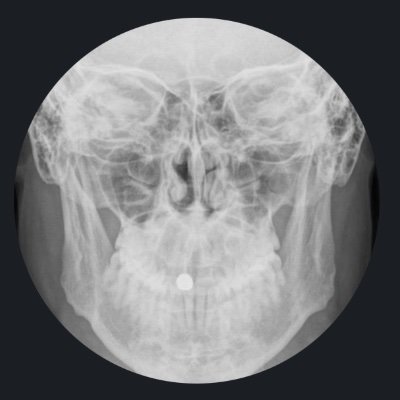
Consent ✅ The thing I enjoy most in my... job is collaboration with expert physiotherapists on complex cases, especially in elite sportsmen & women It’s a symbiotic relationship – there is mutual learning & professional growth - and the patient gets the best of both worlds I had the privilege of assessing a professional ballet dancer who flew in from Budapest alongside the amazing Liz Bayley recently I thought I’d summarise our joint knee assessment for those interested (get a cup of tea! 😆) 2 months ago, sharp pain in the medial knee after sitting with legs crossed for 30 minutes ‘Instability’ during Swan Lake rehearsals, with pinching pain and fear of knee buckling – had one fall on stage during a performance One episode woke up one morning with local swelling, ‘pressure’ in the joint, and diffuse anteromedial knee pain - unable to walk or fully extend / flex the knee Currently experiencing sensation of pain, ‘swelling’ & fullness, particularly anteromedial patella - burning, prickly sensation Warms up with activity – latent post exercise pain Aggs - Grand plie in first position, squatting, bridges with hip adduction, transferring weight in turned-out position, down stairs Reviewed MRI in Hungary – Normal menisci, Hoffa's fat pad & articular cartilage – but report missed adductor magnus distal tendinopathy! (see sagittal image) – always check the images yourself Exam- Hip joint & lumbar spine clear Full squat sore especially with R leg bias Tender medial aspect of the knee, particularly in the region of the pes anserinus Fat pad compression test negative Mild awareness PFJ compression Knee flexion pain at end range but other meniscal tests negative Adductor loading / stretch tests (including adductor magnus bias) negative Prone knee bend neural tension test with saphenous nerve bias – minimally provocative DDs: · Patellofemoral pain – ‘common things are common’ · Pes anserine bursitis with associated infrapatella branch of saphenous nerve irritation? · Distal adductor magnus tendinopathy with associated saphenous nerve irritation? (AM forms floor of Hunter’s canal) POCUS in clinic – Great for tracing saphenous nerve & distal branches reliably; no nerve pathology seen or pain reproduction on systematic Tinel’s test using probe. Adductor magnus tendinopathy confirmed – but on further review of MRI, the inflamed adductor magnus tendon seems some distance from saphenous nerve (see axial image), so symptoms less convincing related to secondary nerve irritation However, pes anserine fluid noted vs contralateral side & correlates with her typical pain US guided local anaesthetic injection (video) significantly improves symptoms on comprehensive testing in gym & pilates studio P - Liz Bayley refined a Ballet specific rehabilitation plan now we have more diagnostic confidence - so cool watching her piece this together! Observe how symptoms respond over 6-8 weeks If no improvement, consider definitive injections to pes & / or PFJ – but need to exercise caution especially around tendons that are placed under huge athletic demandshow more
James Noake
21,546 次观看 • 1 年前
Seedance2.0 × パルクール Prompt ↓ A hyper-realistic, 8K resolution,... adrenaline-fueled single-take POV action sequence. The camera is chest-mounted on a man wearing camouflage joggers and worn-out black-and-white sneakers. He stands on the dizzying edge of a rusted skyscraper, 1000 feet above a crystalline turquoise ocean. No clouds, no haze—just a sheer, terrifying vertical drop into the deep blue. [The Initial Freefall] The sequence begins with a sudden, heart-stopping leap into a 20-meter vertical freefall. The camera points directly at his feet as the sea surface rushes toward the lens. A deafening, high-pitched whistling 'Hyuo' wind screams past the microphone. Just before the impact, he catches a lower rusted horizontal bar with both hands—white wristband visible—and swings his body forward to land on a tiny vertical pole. [The Rhythmic Jumps & The Near-Death Slip] He immediately begins a rhythmic series of high-speed jumps: Jump 1: A clean, agile spring to a second vertical pole 2 meters away. Jump 2: A rapid leap to a thin, rusted horizontal pipe. Jump 3 (The Slip): As he jumps toward the third vertical pole, his right sneaker completely misses the mark and slides off the rusted metal. The camera tilts violently over the edge, staring straight down at the 1000-foot abyss. He lets out a sharp, panicked gasp. For a terrifying second, his body leans into the void, but he desperately claws at the pole with his fingers, his boots scrambling against the side until he manages to hook his leg and haul himself back up. Jump 4: Still trembling, he forces a frantic, heavy-breathing leap to the next bar to keep the momentum. Jump 5: A final, explosive long-distance jump to a swaying metal platform. He lands with a heavy, jarring metallic 'Clang', his body hunching low, gripping the vibrating metal for dear life. [The Ending] The camera remains in a low, fetal position on the final bar, shaking from the adrenaline. No dialogue. The audio is a visceral layer of the aggressive 'Hyuo' wind, his intense, ragged, and rapid gasping for air, and a loud, thumping heartbeat that resonates as if inside his chest. The harsh midday sun glints off the ocean waves far below, creating a blinding, beautiful, yet lethal glare. Cinematic materials, fluid 120fps motion, hyper-detailed rust and skin textures.show more

GENEL | AIを用いた動画制作
24,201 次观看 • 5 个月前
Bedroom chaos turns into midnight confidence with a seamless... transition that hits right on the beat. Seedance 2.5 on DomoAI official Prompt FORMAT 10 seconds, 2 shots. Shot 1: Indoor bedroom, 0.0–5.0s. Shot 2: Outdoor night street, 5.0–10.0s. Transition: seamless hard cut exactly on shoe impact. Style: photorealistic live-action, premium cinematic commercial, realistic movement/physics, authentic handheld cinematography. SHOT 1 — INDOOR BEDROOM | 0.0–5.0s ENVIRONMENT Minimalist young woman's @[Image 1](image_1) private bedroom in daylight; clean, modern, intimate, naturally lived-in. Large curtain several meters behind Sharon, simple desk/console farther behind, minimal personal objects and subtle decoration. Enough depth for subject separation. Background softly out of focus; Sharon remains sharp and readable. CAMERA / LIGHTING Eye-level handheld, medium-wide/full-body framing with room for lateral movement and shoe actions, moderate shallow depth of field. Soft natural daylight, natural skin tones, soft highlights, gentle realistic shadows, warm clean atmosphere. Camera is operated physically with Sharon: lateral tracking, short push-in, reactive pull-back, quick pans, tilts and reframing. Never perfectly smooth or automated; movement is quick, light, imperfect and physically motivated by her actions. ACTION + CAMERA 0.0–1.1s — Sharon enters from RIGHT holding TWO SHOES, one in each hand, and walks toward center. Camera: handheld lateral tracking LEFT, physically stepping sideways while keeping medium-wide framing. 1.1–1.8s — Sharon @[Image 1](image_1) stops near center, raises one shoe toward camera as if showing it, then brings it toward her nose. Camera: short handheld push-in; keep face and shoe sharp. 1.8–2.4s — Sharon smells the shoe, immediately recoils with surprised disgust, pulls her face away and gives a short head shake. Camera: small reactive pull-back, then immediately settle toward her face. 2.4–3.0s — Sharon casually throws the first shoe toward the side of the room. Camera: quick reactive pan following the shoe briefly, then fast pan back to Sinta; believable handheld imperfection. 3.0–3.8s — Sharon shifts sideways, focuses on the second shoe, and throws it vertically upward. Camera: tilt up following the shoe; as it reaches the top of its trajectory, quickly tilt back down toward Sinta while keeping awareness of her and the descending shoe. 3.8–4.4s — Sharon tracks the descending shoe with her eyes, adjusts footing, rotates slightly sideways and prepares a high side kick. Camera: short lateral handheld adjustment keeping body and falling shoe in frame; subtle natural Dutch tilt may develop. 4.4–5.0s — Shoe descends into kicking range. Sharon performs a fast, precise HIGH SIDE KICK: leg extends sharply sideways, torso rotates slightly, supporting leg grounded, arms naturally counterbalance, eyes locked on the shoe. Full real-time. Camera: quick handheld lateral reposition and reactive pan following the kick; frame momentarily shifts with the force. EXACT MATCH CUT — 5.0s Hard cut at the exact moment Sharons extended foot contacts the airborne shoe. The kick is still at full speed and the cut happens DURING the action. Outdoor shot continues the same body direction, leg extension, torso rotation and momentum. SHOT 2 — NIGHT / QUIET CITY STREET | 5.0–10.0s ENVIRONMENT Relatively quiet modern urban street at night with broad paved roadway, streetlights, scattered storefronts, illuminated windows, trees, signage and distant buildings creating layered practical lighting. Sparse distant traffic. Spacious, cinematic, quiet. A WHITE SPORT MOTORCYCLE is behind Sinta and slightly toward one SIDE of frame, not centered directly behind her. Open street creates a clear diagonal path from Sharon to the motorcycle. LIGHTING / OUTFIT Naturalistic night lighting: warm streetlights mixed with cooler ambient city illumination, realistic highlights on black riding outfit, natural reflections on white motorcycle and asphalt, cinematic contrast with realistic exposure. Sharon wears a coordinated black-and-white motorcycle riding set: fitted black racing jacket with clean white shoulder/sleeve panels; fitted black short riding pants with subtle white detailing; compact black knee/shin protection; black motorcycle gloves with small white accents; clean white low-top sport sneakers; white crew socks to mid-calf; loose natural hair; no helmet. Motorcycle: white sport motorcycle. CAMERA Handheld kinetic cinematography. Operator physically follows Sharon using diagonal tracking, short arc movement, reactive panning, slight push-in and quick reframing. Never a perfectly programmed path; camera reacts to her changing body direction. ACTION + CAMERA 5.0–5.5s — HARD CUT. Sharon appears outdoors continuing the indoor side kick: kicking leg extended, torso rotated, momentum continuing. White sport motorcycle partially visible behind her toward one side. Camera immediately reacts. Camera: quick handheld pan/reframe catching the continuing kick trajectory. 5.5–6.3s — Sharon lowers her kicking leg naturally and does not stop. She moves DIAGONALLY across frame toward the motorcycle, forward-diagonal rather than straight backward/sideways, gradually turning torso and hips toward it while moving. Camera: handheld diagonal tracking with slight forward tracking plus lateral shift; keep Sharon dominant while motorcycle remains visible near the side. 6.3–7.2s — Sharon continues diagonally; body progressively rotates toward motorcycle. This is a traveling diagonal turn, NOT a stationary turn-in-place. Feet keep carrying her forward while torso rotates. Camera: short handheld arc around Sharon while continuing diagonal tracking; slight angle change and subtle pan to keep her centered; motorcycle remains partially visible at the side. 7.2–8.0s — SLOW MOTION BEGINS. Sharon is already mid-diagonal movement toward motorcycle. Body continues diagonal rotation; loose hair swings naturally; jacket moves with rotation; movement becomes elegant and cinematic. Camera: slightly smoother handheld character, subtle handheld push-in combined with short arc; stay physically close; motorcycle remains visible toward the side. 8.0–8.4s — Gradually return to normal speed. Sharon completes diagonal rotation and now faces motorcycle more directly. Camera: normal handheld movement; quick reframing keeps Sharon and motorcycle visually connected. 8.4–10.0s — Sharon moves confidently toward the white sport motorcycle, purposeful and energetic. Motorcycle stays slightly off-center. Camera: handheld forward tracking, maintaining medium-wide framing, subtle push-in, then small reactive pan toward motorcycle as Sharon reaches it. End with Sharon immediately beside the motorcycle. SPEED PRIORITY 0.0–5.0s: full real-time; shoe throw and high side kick are fast; match cut at full-speed impact. 5.0–7.2s: full real-time immediately after cut. 7.2–8.0s: subtle slow motion only during diagonal body rotation toward motorcycle. 8.0–10.0s: normal real-time. MATCH CUT PRIORITY Cut exactly on impact. Preserve across the cut: leg extension, torso rotation, body orientation, movement direction, screen position and continuous physical momentum. Location, time of day, lighting, wardrobe and motorcycle may change entirely through the hard cut. The transition must feel instantaneous, physical, stylish and seamless. #DomoAI #DomoAICPPshow more

Sharon Riley
28,768 次观看 • 6 天前
LHP Zach Root (Arkansas Baseball) is one of the... best college lefthanders in this year's Draft class. After splitting time between the bullpen and rotation as a Freshman, Root last year was a full time starter and pitched his way to a 3.56 ERA with 76 Ks to 21 BB across 68.1 IP. Slightly undersized at 6'1" and 186-pounds, but there's present strength and physicality in his lower-half. Natural funk and deception in his delivery that includes a high leg lift and some tilt in his upper-half. Average arm stroke with a slight wrist coil, attacks from a mid-three quarter (maybe a tick lower) slot with a bit of cross fire. Root's FB will sit in the 91-94 range, but it was up to 97. Will flash arm side life through the zone and is best when located on either third (arm or glove side) of the plate or in the top-half. Not a real bat-misser right now, so refining its shape should be a point of focus both this spring and beyond. Bread and butter offerings are his secondaries. Root's low-80s CH gets averaged almost 10 MPH of separation off his heater and it's a pitch he throws with conviction. Consistently flashes fade to the arm side as well as late diving life. Generated a 46% miss rate last spring, would stick a plus grade on it. High-70s-to-low-80s CB flashes big-time depth with some sharpness. 11-to-5 shape against RHH, but will be longer than it is deep against LHH. Has a decent feel for the pitch, and last season it held opposing hitters to a minuscule .048 average while generating a 48% miss rate. Rounds out his arsenal with a mid-to-upper-80s CUT/SL that against LHH will flash sweeping life with some late bite. Potentially average offering. Would like to see his strike-throwing improve this season. Day 1 profile this July. (📽️: ECU Baseball)show more
Peter Flaherty III
63,571 次观看 • 1 年前