The current war with Iran is not a contained... regional crisis but instead It is a direct threat to one of the most important economic arteries in the world. When the Gulf is destabilized, the consequences move immediately into oil prices, shipping costs, insurance risk, and supply chains across continents. This is why escalation in this region should be understood as a global economic shock, not a local event. Everyone feels it.show more

Books
39,083 views • 5 months ago
🚨 BREAKING: GLOBAL ENERGY SHOCK: IRAN STRIKES SAUDI OIL... HEARTLAND One of the most important oil facilities on the planet — Saudi Arabia’s Ras Tanura refinery — has reportedly been hit. Fires. Shutdowns. Export disruption. This isn’t just another strike. This is an attack on the world’s energy lifeline. Ras Tanura is the artery through which vast amounts of global oil flows to Europe and Asia. If that artery is threatened, the economic consequences ripple across the entire planet — fuel prices, markets, supply chains, everything. The conflict has now crossed a dangerous threshold. This is no longer regional escalation. This is global economic warfare. Stand by.show more

Jim Ferguson
67,359 views • 6 months ago
🚨 THE STRAIT OF HORMUZ IS FALLING SILENT Satellite... tracking now shows very little commercial traffic moving through the Strait of Hormuz — the narrow corridor through which around 20% of the world’s oil supply normally flows. This is not just a regional disruption. It is a global economic shockwave forming in real time. Tankers are turning away. Insurance markets are pulling coverage. Shipping companies are refusing to risk their vessels. When Hormuz slows, the entire world feels it. • Gulf oil producers lose their main export route • Energy traders scramble for supply • Oil prices surge on fear alone • Inflation pressures return across global economies The Gulf region only has about three to four weeks of storage capacity for oil already produced. If tankers cannot move it out, wells will eventually be forced to shut down. And if that happens, the supply shock becomes far more severe. Markets are watching every satellite image, every tanker movement, every missile strike near the shipping lanes. If the Strait of Hormuz effectively closes, even temporarily, the world’s energy system enters crisis mode.show more
Jim Ferguson
25,316 views • 6 months ago
🚨 BREAKING: GLOBAL ENERGY SHOCKWAVE — IRAN STRIKES TANKER... NEAR HORMUZ Alarming reports are emerging that Iran has struck an oil tanker near Oman as it attempted to enter the Strait of Hormuz — the single most critical energy choke point on Earth. If confirmed, this is not just another incident. It is a direct attack on the artery of the global economy. Nearly a fifth of the world’s oil supply passes through this narrow corridor. Even temporary disruption can trigger immediate market panic, insurance shutdowns, shipping paralysis, and price spikes felt across every continent within hours. This is how regional wars become global crises. The strategic message from Tehran appears unmistakable: If Iran is under attack, the world’s energy system will feel the consequences. The risk now is escalation by momentum. More strikes. More retaliation. More economic shockwaves. Shipping lanes, military forces, and financial markets are now locked into the same feedback loop. The next moves will matter enormously. Stand by.show more
Jim Ferguson
18,674 views • 6 months ago
🚨 BREAKING: GULF POWERS EDGE CLOSER TO WAR WITH... IRAN Saudi Arabia and the UAE are now moving toward joining the conflict, according to reports. This follows repeated Iranian attacks on Gulf energy and infrastructure — forcing a response. Key developments: • Saudi Arabia allowing U.S. access to strategic air bases • UAE considering major action against Iranian assets • Both nations signalling their patience is running out This is the turning point. If Saudi Arabia and the UAE step in fully… This is no longer a contained conflict. It becomes a regional war with global consequences: Oil supply Shipping routes Energy markets worldwide The line is being crossed — slowly, but clearly. And once it is… There’s no going back.show more
Jim Ferguson
37,549 views • 6 months ago
🚨 THIS IS NOT NORMAL The Iran conflict has... now opened another major front. The Houthis attacked two Saudi Arabian vessels last night. Trump immediately warned: “If they do it again, the U.S. will hold Iran responsible, as the Houthis are its puppets.” This changes the situation completely. The U.S. is no longer treating future Houthi attacks as isolated actions from Yemen. It is saying: → Houthis attack Saudi Arabia → Iran is held responsible → The U.S. may respond directly against Iran Now connect the dots: → Commercial vessels were attacked → Saudi shipping is now under threat → Trump publicly blamed Iran → The U.S. warned of consequences if it happens again → Iran and the U.S. are already threatening larger retaliation This is not de-escalation. It creates another retaliation loop: → Houthis strike Saudi vessels → Saudi Arabia responds in Yemen → Houthis target Saudi oil infrastructure → The U.S. blames Iran → Iran retaliates against U.S. or Gulf targets The Strait of Hormuz is already unstable. Now the Red Sea and Bab el-Mandeb are becoming active military zones again. That puts two of the world’s most important energy routes at risk at the same time. The market consequences are simple: → Shipping and insurance costs rise → Saudi oil exports face disruption → Oil moves higher → Inflation expectations return → Fed cuts get priced out → Liquidity tightens → Stocks and crypto come under pressure The most dangerous part is Trump’s warning. The next Houthi attack may not remain a Saudi-Yemen issue. It could be treated as a direct Iranian escalation. One more strike on a tanker or Saudi oil facility could trigger a much larger regional response. Markets are still treating this as another temporary headline. They may not understand the risk until the next attack happens. Keep in mind: I called the 2025 $BTC ATH. I called the move from $126K to $60K. Follow and turn notifications on. I’ll post the warning before the market fully reacts.show more

Wimar.X
82,154 views • 2 months ago
🚨 NEW: Secretary of State Marco Rubio has arrived... in Abu Dhabi as the Trump administration ramps up direct talks with America’s key Gulf allies after the preliminary U.S. agreement with Iran. This is exactly what serious diplomacy looks like when America is back in charge. Over the next three days, Rubio is set to meet with leaders in the UAE, Kuwait, and Bahrain, with the focus on regional security, protecting Gulf partners, and keeping the Strait of Hormuz open to global shipping at a moment when the entire world is watching what Iran does next. That waterway matters to every American, because when Iran threatens shipping, energy markets react, oil prices move, and families feel it at the pump. The old Washington class treated the Middle East like a never-ending committee meeting where America gave speeches while Iran tested limits, attacked partners, and played games with the world. Trump’s team is doing the opposite. They are locking in the allies, keeping pressure on Tehran, protecting shipping lanes, and making sure any agreement with Iran is backed by strength, enforcement, and regional coordination. Peace does not survive because politicians use nice words. Peace survives when America leads, allies trust the White House again, and Iran understands there are consequences if it tries to turn diplomacy into another trap. 🇺🇸🔥show more

ⁿᵉʷˢ Barron Trump 🇺🇸
42,802 views • 3 months ago
🚨SOMETHING EXTREMELY BAD IS COMING THIS MONDAY!! Most people... are still completely UNPREPARED for what could happen next. The Iran conflict is now entering its most dangerous phase yet. Trump has already ordered strikes against Iran in the coming days, according to the WSJ. They will begin as early as this weekend. This will become one of the MOST aggressive bombing campaigns of the entire conflict. And Iran is not waiting. Tehran says it has already prepared a “comprehensive” response if the attacks begin. Read that again. The strikes may already be ordered. The targets may already be selected. And Iran’s retaliation may already be prepared. Now connect the dots: → Trump orders strikes on Iran → U.S. and Israel target energy infrastructure → Iran launches a major retaliation → Gulf oil facilities and U.S. bases come under threat → The Strait of Hormuz becomes the center of the war This is no longer another temporary escalation. This is the setup for a direct U.S.-Iran war. And once the first strike happens, the retaliation loop could become impossible to stop: → Iranian energy facilities are destroyed → Iran attacks U.S., Israeli, or Gulf targets → Oil infrastructure across the region comes under fire → The U.S. launches an even larger response → The entire Middle East moves closer to full-scale war The Strait of Hormuz is already unstable. Saudi vessels have already been attacked. The Red Sea and Bab el-Mandeb are becoming active military zones again. Now Iran’s energy infrastructure could be hit directly. That puts the world’s most important oil routes at risk at the exact same time. But here is the part almost nobody understands. Iran is not promising a symbolic response. It is preparing a comprehensive one. That could mean attacks on: → U.S. military bases → Israeli cities and infrastructure → Saudi and Gulf oil facilities → Commercial tankers → The Strait of Hormuz One successful strike on a major oil facility could send markets into complete panic. And one closure of the Strait of Hormuz could change the global economy overnight. Markets are still acting like this is another headline that will disappear in 24 hours. They may not understand what is happening until oil is exploding and risk assets are already collapsing. Follow and turn notifications on. I’ll post the warning BEFORE the market realizes how serious this is.show more
Wimar.X
361,594 views • 1 month ago
Here's what you missed over the weekend in the... ongoing conflict in Iran. Get caught up below👇 🚨 OPERATIONAL UPDATE: ISRAEL U.S. WAR WITH THE ISLAMIC REPUBLIC - Reporting Window: 3/27 - 3/30 *⃣ Israel sustained a wide strike campaign inside Tehran, targeting missile production, air defense systems, and core regime infrastructure in the capital. *⃣ The IAEA confirmed Iran’s Khondab heavy water facility at Arak is no longer operational after Israeli strikes, marking one of the clearest verified hits to nuclear-linked infrastructure. *⃣ Iran continued missile attacks into Israel, including impacts near the Neot Hovav industrial zone that caused fires and industrial disruption without mass casualties. *⃣ The Houthis in Yemen officially entered the war, launching ballistic missiles and drones toward Israel and signaling continued attacks. *⃣ The Gulf front intensified, with damage to infrastructure in Kuwait and sustained pressure tied to the Strait of Hormuz and regional energy systems. *⃣ The United States is now weighing escalation options tied to Iran’s enriched uranium stockpile while maintaining a public posture of diplomacy. ━━━━━━━━━━━━━━━━━━ ✈️ STRATEGIC AIR CAMPAIGN OVER IRAN Israel’s campaign seems to have shifted from targeting regime objectives and symbols, like Basij headquarters, to industrial and military complex infrastructure. This is likely due to a prioritization to degrade the long term capabilities of the regime should the conflict end before regime change objectives can be achieved. Sustained strikes across Tehran, combined with the confirmed disabling of the Arak heavy water facility, show a shift toward dismantling Iran’s military and nuclear backbone. This is now a campaign against production, command, and regeneration capacity. Power disruptions and secondary infrastructure damage across Tehran reinforce that this is expanding beyond military sites into the broader ecosystem that sustains the regime’s ability to fight. This is not a temporary degradation effort. It is structural. ━━━━━━━━━━━━━━━━━━ 🚀 IRANIAN ATTACKS ON ISRAEL Iran is still firing. But the pattern has changed. Missile attacks continue across Israel, including impacts in the south and repeated alerts across multiple regions. The strike near Neot Hovav fits the current model: disruption, not mass casualties. Launch tempo is down significantly from earlier phases, but the capability remains intact. What matters now is not volume. It’s persistence. Iran can still impose pressure. It just can’t dominate the battlefield in any meaningful way. ━━━━━━━━━━━━━━━━━━ 🟥 YEMEN FRONT: HOUTHIS ENTER THE WAR The Houthis officially joined the war on March 28, launching ballistic missiles toward Israel for the first time in this conflict and signaling continued operations going forward. Since then additional drone launches toward Israel have been reported and intercepted. The group has framed its attacks as part of a unified “resistance front” alongside Iran, Hezbollah, and Iraqi militias. This matters for three reasons: 1. Range and geography - Yemen is over 2,000 km away. These are long-range strikes that stretch Israel’s defensive envelope. 2. Multi-front pressure - Israel is now dealing with Iran (direct), Hezbollah (north), Houthis (south / long-range). That is a true multi-front war. 3. Escalation pathway - The Houthis are not limited to Israel. They sit on the Bab al-Mandeb Strait, one of the most critical shipping chokepoints in the world. If they escalate there, it links directly with Hormuz. This could even further choke critical shipping lanes in the global economy. ━━━━━━━━━━━━━━━━━━ 🌍 GULF / HORMUZ / ENERGY WAR Iran is now fully leaning into economic warfare. Confirmed damage to infrastructure in Kuwait, combined with continued disruption around Hormuz, shows a deliberate strategy: expand the cost of the war beyond Israel. This is not incidental escalation. It is strategic leverage. ━━━━━━━━━━━━━━━━━━ 🇺🇸 POLITICAL / STRATEGIC DEVELOPMENTS The United States is now the pivot. The public posture is diplomacy and de-escalation messaging. The operational reality is that troop deployments are increasing, escalation planning is underway, and uranium-targeting scenarios are under consideration. At the same time, Iran is not signaling compromise. It is mobilizing, expanding proxy activity, and behaving like a regime preparing for a longer war and signaling it can outwait it's adversaries. That gap is now one of the most important dynamics in the conflict. ━━━━━━━━━━━━━━━━━━ 📌 WHAT MATTERS MOST RIGHT NOW ➡️ Israel is systematically dismantling Iran’s military and nuclear-supporting infrastructure, with Tehran now a primary focus. ➡️ Iran still has strike capability, but its attacks are increasingly intermittent but now beginning to be supplemented by proxy fronts in Lebanon and Yemen. ➡️ The Gulf and global energy system are a growing target for the IRGC's war trajectory. ➡️ The United States is positioned between diplomacy and escalation, with the ability to decisively shift the war if it acts. Bottom line, this is no longer just Israel vs Iran. It is now: Iran, Hezbollah, Houthis VS the US, Israel, Gulf States, and the global economy.show more

Inside_Israel_Intel
39,012 views • 5 months ago
This is not a border dispute. It is a... sermon. A Hamas leader on a Gaza stage tells seven million Palestinians abroad to stop warming up. There are Jews everywhere, he says. Attack every Jew on Earth. Slaughter them. Kill them. With Allah’s help. The crowd is not a war room. It is a public. Hamas did not invent that sentence. Hamas is but one franchise of it. Islamic Jihad says the same thing with a different logo. Hezbollah wraps it in Khomeini and the language of “the Zionist entity.” The Houthis put “death to Israel, curse the Jews” on a flag and call it governance. The regime in Tehran funds the network and calls the Jewish state a tumor. Different uniforms. Same theology. For them, Jewish sovereignty is an insult to Allah, and Jewish lives outside the land are not off-limits. That is why “from the river to the sea” is not a housing policy, and why October 7 was not an accident of occupation. The target list in this clip is not a soldier at a checkpoint. It is Jews as such, wherever they are. Once the enemy is a people, not a government, there is no ceasefire that satisfies the idea. There is only a pause. Western coverage keeps shrinking this to one militia and one strip of coast because a regional ideology is harder to manage than a “peace process.” Factions are useful that way. They let you condemn Hamas on Tuesday and treat Hezbollah as Lebanese politics on Wednesday and the Houthis as a shipping problem on Thursday. The preacher does not bother with those folders. He names the Jews and asks the diaspora to start. If you want to understand the war, start with what they say when they are not fundraising in English. The map they want is not two states. It is a world with fewer Jews in it, sanctified as duty. Hamas is the local office. The ideology is the corporation.show more
Mor Edge Insight
74,915 views • 14 days ago
Gulf Oil War: U.S. airstrikes did not hit energy... facilities on Iran’s Kharg Island, but Iran responded with attacks on regional oil assets. An oil tanker was struck in UAE territorial waters and a fuel storage tank was hit in Fujairah. At the same time, a fire is burning at an oil facility in Muharraq, Bahrain. Tehran appears to be focusing more on Bahrain and the UAE because both countries have normalized relations with Israel. The conflict is shifting toward economic pressure through energy infrastructure. The situation is now entering its third week and shows signs of turning into a prolonged economic confrontation.show more

Basha باشا
27,216 views • 6 months ago
🚨 WARNING: THE NEXT 24 HOURS WILL CHANGE EVERYTHING!!... Tomorrow, UAE will officially leave OPEC and remove all caps on oil production and exports. They spent $3.3 BILLION building a secret pipeline to flood the market with cheap oil. And Iran’s blockade CANNOT touch it. That means oil supply changes overnight. And when oil supply changes, every market reprices. Stocks. Bonds. Crypto. One of the world’s largest oil producers is now positioned to pump at full scale while routing exports around the entire Iran conflict. More oil supply with protected export infrastructure changes global pricing. Oil moves everything. Energy drives inflation. When oil falls, transport costs fall. Manufacturing costs fall. Shipping costs fall. Consumer prices fall. And when inflation falls, central banks move. Now connect it: → UAE pumps more oil → Habshan–Fujairah routes it around Hormuz → Global supply expands without regional bottlenecks → Oil prices fall → Inflation drops → Rate cuts accelerate → Liquidity expands And when liquidity expands, risk assets skyrocket. Bitcoin. Tech. Growth stocks. Capital rotates fast. But there are only two options now: 1⃣ US-Iran war ends. Regional pressure cools. Shipping stabilizes. Iranian exports return. And UAE supply scales at full capacity through Fujairah. That creates maximum supply expansion. No bottlenecks. No quota limits. No blocked exports. Oil drops hard → Inflation falls fast → The Fed pivots → Liquidity returns → Risk assets surge. 2⃣ War escalates. Hormuz becomes unstable. Shipping lanes face disruption. Regional exports get squeezed. But UAE keeps exporting. That makes UAE the most strategically protected oil exporter in the Gulf. While others face chokepoint risk, UAE keeps flowing. That makes Fujairah one of the most important oil terminals in the world. It’s not just a pipeline. It’s an oil war hedge. It’s a supply chain weapon. It’s the infrastructure behind UAE’s OPEC exit. They built their own route. Then they removed the cap. That was the plan. And now the market is repricing it. Pay attention NOW. Because the pipeline changes who controls oil flows in the world. I’ve studied markets for over 10 years and called nearly every major top and bottom. And I’ll call the next market crash too. Follow and turn notifications on. I’ll post the warning BEFORE it’s too late.show more

0xNobler
1,186,666 views • 4 months ago
Israel’s Beersheba steel complex is on fire after the... latest Iranian missile arrivals Over a month into the war, Iran is still able to announce what it will be targeting, launch missiles, evade air defences, and strike targets in Israel. All the goals of the war have failed: IRGC command and control is still effective Iran’s missile capabilities have not been degraded, in fact, they have more than what the US and Israel estimated Iran’s government did not collapse under the pressure of this enormous US-Israeli bombing campaign Iran had better intelligence than either the US or Israel expected While the US and Israel suffer the consequences of their own arrogance, the Gulf States, which did not want this war, also suffer the consequences, as Iran exercises its own Samson Option of creating a regional war and economic chaos. What was meant to be a quick Venezuela-style regime change war has turned into a quagmire. If the US is foolish enough to escalate this with boots on the ground, it will end the same way as Vietnam, Afghanistan, and Iraq did: Total failure, and American lives lost.show more

Afshin Rattansi
36,539 views • 6 months ago
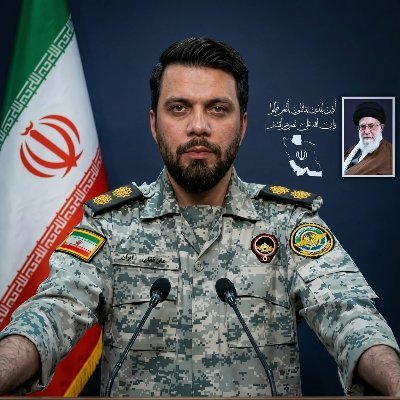
The War Is Turning Iran Into a Major World... SuperPower." After the US, Russia, and China, Iran is emerging as the fourth global power.With full control over the Strait of Hormuz, dominance in the oil chokepoint, advanced missiles, and unmatched resilience, Iran has proven it can withstand sanctions, attacks, and wars, and still shape the world order.Those who thought Iran would collapse are in shock. Iran’s entry into the New World Order is confirmed.show more
Ebrahim Zolfaghari
74,627 views • 3 months ago
🚨 IRAN THREATENS REGIONAL SHUTDOWN AS BLOCKADE ESCALATES Iran’s... military is warning that if its ports are targeted— no port in the Gulf will be safe. This comes as the United States enforces a naval blockade on Iranian ports, stopping vessels tied to Tehran’s oil trade. Now the stakes have changed. This is no longer just a blockade. It’s a standoff over global shipping routes, energy supply, and control of the Middle East. If this escalates— every country will feel it.show more
Jim Ferguson
14,244 views • 5 months ago
BREAKING: The global petrochemical market is entering a shock... phase. Replacing the lost production capacity of Iranian and Arab producers in supplying global demand for polyethylene, urea, ammonia, and even methanol is not easy—this is a moment of real concern for the world. The Amir Kabir complex, a key producer of LLDPE (used for plastic bags), and Tondguyan, a major producer of PET (used for plastic bottles), were critical to both domestic supply and broader industrial development. Their loss will ripple across food, packaging, and manufacturing industries. With major petrochemical facilities in Mahshahr hit, a sharp surge in global prices for fertilizers, polymers, and plastics is now expected. The impact could extend far beyond Iran, potentially affecting regional producers such as Saudi Arabia and reshaping global supply chains. #OperationEpicFury #OperationLionsRoarshow more

Babak Taghvaee - The Crisis Watch
48,877 views • 5 months ago
🚨 WARNING: MONDAY WILL BE THE WORST DAY OF... 2026!! Trump just OFFICIALLY confirmed that the US will invade Cuba IMMEDIATELY after finishing with Iran. Should I remind you what happened to the markets when the US started strikes on Iran? When markets start pricing that reality, this will NOT be just another headline. This is a geopolitical catalyst hitting an already fragile system. Stocks will dump. Crypto will dump. Risk will get hit all at once. This is no longer just about Iran. It is about expansion. And now the pressure just multiplied. Because when one conflict is still burning and the next target is already being named, markets stop pricing de-escalation. They start pricing EXPANSION. And expansion is where the real damage starts. That one fact explains a lot. This is NOT just a Cuba story. This is about the war map getting bigger, not smaller. There are only a few ways this goes from here, and they are NOT equal. - LIGHT SHOCK: it stays at the headline level, markets panic first, then stabilize if nothing follows. - HEAVIER SCENARIO: Cuba starts getting priced as the next pressure point, and regional risk starts spreading. - WORST CASE: markets start pricing a second front after Iran, and the whole risk picture changes again. That last one is the REAL danger. Because if Iran was phase one, Cuba becomes phase two. Now connect the dots. This does NOT stay political. It hits flows. It hits freight. It hits regional risk. It hits every market that was hoping Iran was the end of the story. That is why this matters so much. Because once markets stop pricing closure and start pricing expansion, the whole framework changes. Not a dip. Not a fake panic. A REAL warning that the geopolitical map is getting bigger again. I’ve studied macro for 10 years and I called almost every major market top, including the October BTC ATH. Follow and turn notifications on. I’ll post the warning BEFORE it hits the headlines.show more
Wimar.X
125,288 views • 4 months ago
🚨 WARNING: THIS CHANGES EVERYTHING UAE just left OPEC... after 60 years. NO oil production caps. NO oil export limits. NO oil quotas. One of the world’s biggest oil producers is now free to pump at FULL SCALE. And most people still don’t understand what this means for other markets. Bonds. Stocks. Crypto. YOU ARE UNDERPRICING WHAT HAPPENS NEXT. OPEC’s power has always been supply control. Supply control keeps prices elevated. But when a major producer steps outside that system, the game changes. More oil doesn’t create uncertainty. It creates pressure on prices. And oil prices move everything. Energy is the foundation of global inflation. When crude drops, transportation gets cheaper. Manufacturing costs drop. Shipping costs fall. Consumer prices cool. And when inflation cools, central banks move. Now connect the dots: → More UAE oil hits the market. → Oil prices fall. → Inflation drops faster. → Rate cuts accelerate. → QE returns. → Liquidity expands. And when liquidity expands, risk assets skyrocket. Bitcoin. Tech. Growth stocks. That’s where capital rotates. But there are only two paths from here: 1⃣ US-Iran war ends. Conflict cools down, sanctions ease, and upply routes normalize. Massive oil supply floods the market. That’s maximum supply expansion. UAE pumps freely and Iran exports more. Global inventories rebuild. Oil drops hard → Inflation falls fast → The Fed pivots → Liquidity returns → Risk assets pump higher. 2⃣ War keeps escalating. Regional tensions rise. Supply routes stay threatened. Iran stays restricted. Middle East exports stay unstable. UAE increases exports. But UAE supply alone will not cover global demand gaps. Not if regional disruption spreads. Not if shipping lanes stay under pressure. Not if infrastructure risk expands. That changes everything. Because if UAE cannot offset the supply shock: → Oil spikes higher. → Inflation surges again. → Rate cuts disappear. → Yields rise. → Liquidity tightens. And when liquidity tightens, markets break. That’s when capital leaves risk. High-growth tech. Small caps. Crypto. Everything reprices. This is why the UAE leaving OPEC matters. It’s not just an oil story. It’s a macro story. If war ends, oil crashes and liquidity explodes. If war escalates and UAE can’t fill the gap, oil surges and liquidity disappears. There is no middle ground. Markets will price one of these paths. And they will price it fast. Pay attention NOW. Because the next move in oil will decide the next move in everything. I’ve studied markets for over 10 years, and I’ve called almost every major market top and bottom. And I'll also call the next market crash. Follow and turn notifications on. I’ll post the warning BEFORE it's too late.show more
0xNobler
737,371 views • 5 months ago
Respect according to Trump: when hegemony becomes a mirage... By Brainless Partisans 🏴☠️☢️☣️🪆 "We are a country that is more respected than we have ever been respected before." This is Donald Trump's solemn proclamation about the war against Iran. A phrase that sounds like a declaration of imperial self-satisfaction... except that on the ground in the Middle East, "respect" increasingly resembles a mixture of anxiety, mistrust, and strategic calculation. Because if we listen to the Gulf capitals, the problem is no longer Iran. The problem is America. First, there is the question of protection. For decades, the oil monarchies have lived under the American security umbrella. Military bases, a fleet in the Gulf, missile defense: the implicit contract was simple, Washington protects, the oil monarchies align their interests. But the current war has cracked that pact. Iranian strikes against facilities in the region, including sites linked to the American military presence, have been a brutal reminder that these states remain exposed despite the American arsenal. As a result, even the most loyal allies are beginning to have doubts. According to several analyses cited by Foreign Policy, the Gulf monarchies are "questioning Washington's ability and willingness to guarantee their security" after the Iranian attacks. Diplomatic translation: the American bodyguard may not be as reliable as its press conference claims. Then there is the geopolitical reality that no one is saying too loudly: this war increasingly looks like a war waged by Israel with US military power. The Gulf states do not want to participate in a prolonged campaign against Tehran or serve as a platform for escalation. Several governments have made it clear that they do not want their territory or airspace to be used to attack Iran. In other words: thanks for the military bases, but you're on your own when it comes to war. Finally, there is the factor that is most damaging to the American image: the unintended demonstration of vulnerability. Iran obviously cannot compete with American military power. But it can strike where it hurts: scattered bases, energy infrastructure, the Strait of Hormuz. Since the escalation began, drone and missile attacks and the disruption of maritime traffic have shown that even the world's most powerful military empire cannot completely secure the region. It is precisely this type of asymmetric warfare that erodes the influence of a superpower. Iran does not need to win militarily; it only needs to demonstrate that American hegemony is no longer unchallenged. And this is where Trump's statement becomes almost comical. Because in the history of international relations, respect is not proclaimed. It is observed. When allies start looking for assurances elsewhere, towards China, Russia, or regional arrangements, that is not respect. It is a survival strategy in an international system where the Pax Americana increasingly resembles a museum relic. Trump believes that war proves American power. In much of the Middle East, it proves something else: that even empires have cracks. And that sometimes, the adversary does not even need to widen them. It is enough that they are visible.show more

Brainless Partisans 🏴☠️☢️☣️🪆
19,501 views • 6 months ago
❗️ War in the Middle East could lead to... the collapse of the global economy - ship traffic through the Strait of Hormuz has almost completely stopped. ◾️ Over the past 24 hours, only two commercial vessels have passed through the Strait of Hormuz, and not a single oil tanker, the Joint Maritime Information Center said. ◾️ This is a key energy artery of the world: normally, about 20% of all oil passes through it. If tanker traffic stops, the world could lose up to 15-20 million barrels per day. ◾️ In the event of a protracted crisis, oil prices could soar to $120-150 per barrel, leading to higher fuel prices, inflation, a decline in production, and the risk of a global recession. ◾️ Europe and Asia, which are critically dependent on oil from the Persian Gulf, are already feeling the biggest impact. ◾️ Fuel flows from the Middle East have fallen by about 90%, and in Singapore, bunker fuel prices have already risen by more than 40%. In fact, the energy crisis has already begun in Asia. ◾️ More and more experts are pointing out that the Strait of Hormuz is blocked not only by war but also by insurance companies that have canceled insurance for global ocean commercial tonnage due to military risks in the Persian Gulf, the Gulf of Oman, and all Iranian territorial waters. 📹: Ship traffic in the Strait of Hormuz over the past 24 hours.show more

Anton Gerashchenko
486,064 views • 6 months ago