Video yükleniyor...

Video Yüklenemedi

Ana Sayfaya Dön

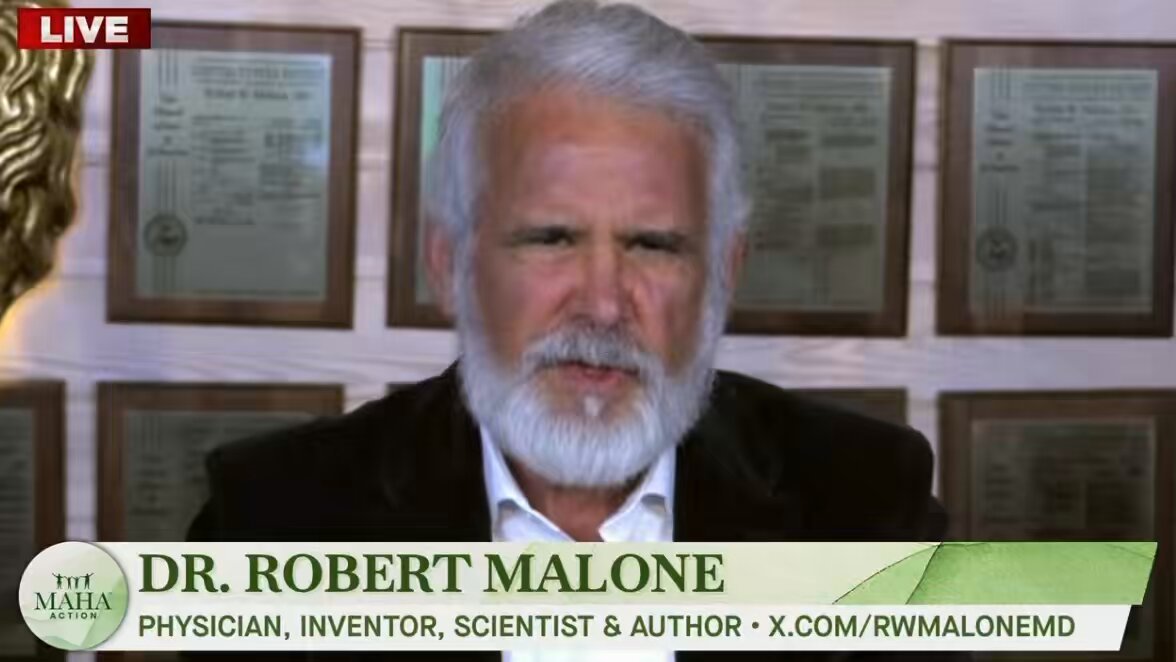
A 1992 study found that one inexpensive vitamin greatly improved the symptoms of patients with advanced Alzheimer's disease. The study was so surprising they ran it again in 1997 and confirmed that this vitamin can significantly reduce the need for nursing care. Why is this not common knowledge? Because...

26,784 görüntüleme • 9 ay önce •via X (Twitter)

0 Yorum

Yorum bulunmuyor

Orijinal gönderinin yorumları burada görünecek

Benzer Videolar

Dr. Angus Dalgleish, a leading oncologist, has revealed a startlingly simple yet overlooked factor in cancer treatment success: vitamin D levels. Over 15 years ago, during early immunotherapy trials using low-dose interleukin-2 and immune stimulants, Dalgleish and his team noticed a stark divide. Some patients responded remarkably well, while most did not. The burning question was: why? The answer was astonishingly straightforward. With the advent of reliable, rapid vitamin D assays, the team discovered that patients with robust vitamin D levels responded brilliantly to immunotherapy, while those with low levels saw little to no benefit. By correcting vitamin D deficiencies, Dalgleish’s team dramatically improved response rates. “The data is that black and white,” he says. This revelation extended beyond immunotherapy. Dalgleish cites his colleague, Dr. Daniel Von Hoff, a renowned pancreatic cancer trialist in the U.S., who initially scoffed at the vitamin D connection. Three months later, Von Hoff called back, stunned. After reviewing records, he found that no pancreatic cancer patients responded to chemotherapy if their vitamin D was low. His team began correcting vitamin D levels, and outcomes improved. Armed with this evidence, Dalgleish and senior colleagues approached the UK’s National Institute for Health and Care Excellence (NICE) over 15 years ago, urging them to mandate vitamin D testing and correction before starting cancer treatments. Low vitamin D, they argued, sabotages not just immunotherapy but also chemotherapy. NICE’s response? A dismissive promise to consider it in their “five-year plan.” Fifteen years later, vitamin D testing remains a mere footnote in nutritional advice, not a standard of care. Dalgleish is scathing about this inaction. He calls NICE and similar organizations “inappropriately named” and accuses their leaders of being out of touch, more interested in costly, toxic drugs from big pharma like Pfizer than in cheap, non-toxic solutions like vitamin D. “They might as well talk to keepers at the zoo,” he quips, highlighting their disconnect from the patient-clinician interface. The implications are profound. Dalgleish sees patients who’ve failed chemotherapies and immunotherapies, only to find their vitamin D levels “in the boots.” He insists no patient should begin treatment—whether chemotherapy or immunotherapy—without first correcting vitamin D deficiency. The evidence is overwhelming, yet the system lags behind. This isn’t just a medical oversight; it’s a failure of leadership. Dalgleish argues the NHS and organizations like NICE have a duty to prioritize affordable, effective interventions that can save lives. Vitamin D is cheap, safe, and vital for immune response and treatment success. Why, then, is it ignored while expensive, marginally effective drugs dominate? It’s time for change. Patients deserve better. Clinicians should demand routine vitamin D testing and correction as a prerequisite for cancer treatment. Policymakers must stop dragging their feet and act on the evidence. As Dalgleish puts it, the data is clear: optimize vitamin D, and you optimize outcomes. How many more lives must be lost before this simple truth becomes standard practice?

Camus

43,293 görüntüleme • 1 yıl önce

High dose vitamin D supplementation might be doing more harm than good. Stephanie Seneff, MIT researcher: Vitamin D is a signalling molecule, not a nutrient to megadose. It mobilizes calcium — but doesn't control where calcium goes. High dose vitamin D drives calcium into the arteries, leaching it from bones. A 3-year study comparing 400 IU/day, 4,000 IU/day and 10,000 IU/day found the highest dose group had statistically significantly worse bone mineral density. A 2006 study found that calcitriol supplementation (the active form of vitamin D) in young adults with kidney disease increased artery calcification — because calcitriol is taken up directly by cells in the artery wall. Artery calcification is one of the strongest risk factors for cardiovascular disease. An Indian study compared vitamin D supplementation to 20 minutes of daily sunlight in 100 men with severe deficiency. Remarkably — the supplement group had a larger increase in serum vitamin D than the sunlight group. Yet opposite effects on cholesterol: Sunlight group — cholesterol dropped. Supplement group — cholesterol increased. Why? Sunlight and vitamin D supplements take completely different routes through your body. Vitamin D supplements are fat-soluble. The liver has to synthesize cholesterol and release LDL particles just to transport them through the blood. Sunlight stimulates cholesterol sulfate synthesis directly in the skin. The sulfate component makes the molecule water-soluble — transported freely in the blood without being packaged inside an LDL particle. Because cholesterol sulfate is both water-soluble and fat-soluble, it can transfer from skin cell membranes to HDL particles or red blood cells and deliver cholesterol directly to tissues that need it. No LDL carrier required. When you get vitamin D from a supplement instead of the sun, you don't get the simultaneous increase in cholesterol sulfate. The pill doesn't just fail to replicate sunlight. It uses a completely different biological pathway. Seneff: "Vitamin D wants to be subtle. Get out in the sun." "People answer: oh yeah I know, vitamin D is important." "No. Not vitamin D. The sun.” Vitamin D is a proxy for sunlight exposure. The proxy isn't the mechanism.

no.mind

240,679 görüntüleme • 3 ay önce