Loading video...

Video Failed to Load

Go Home

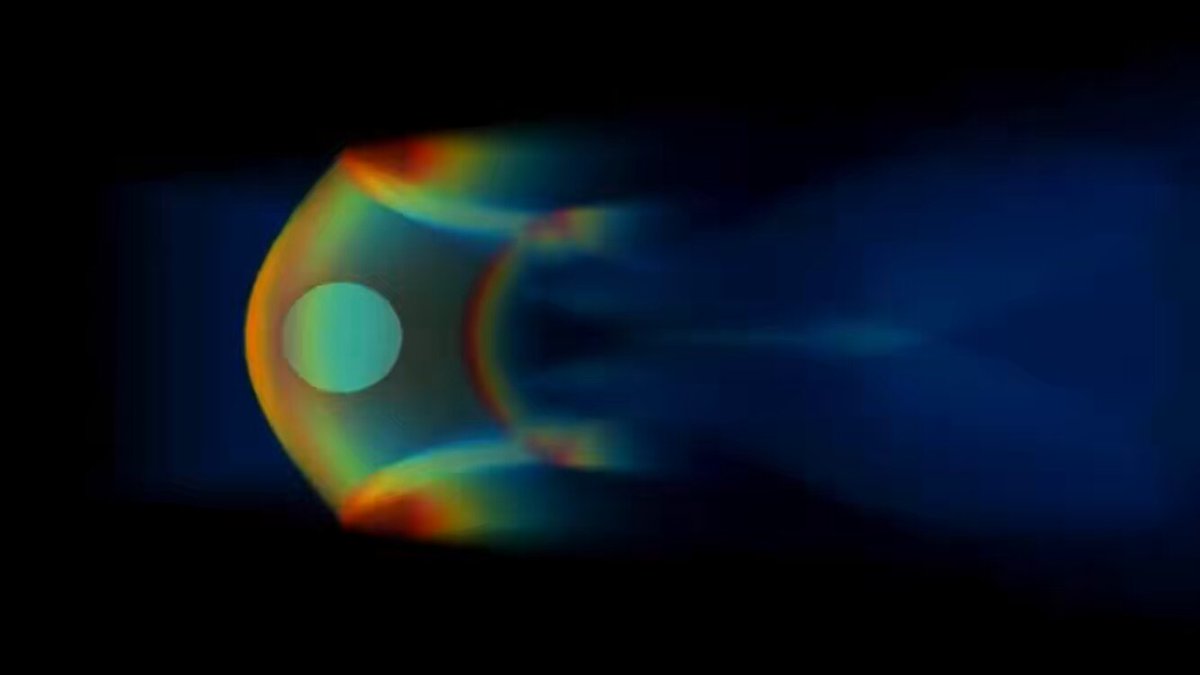
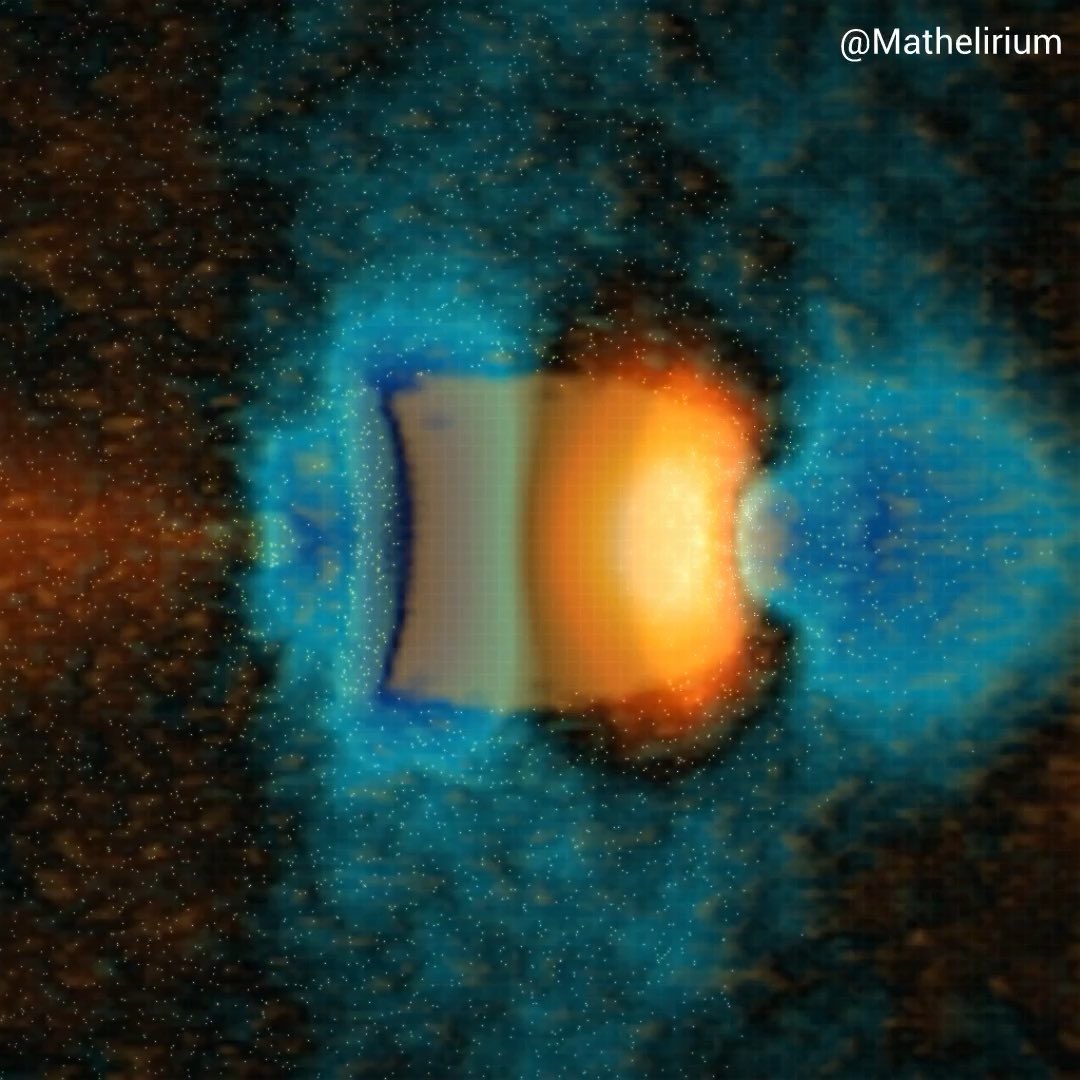
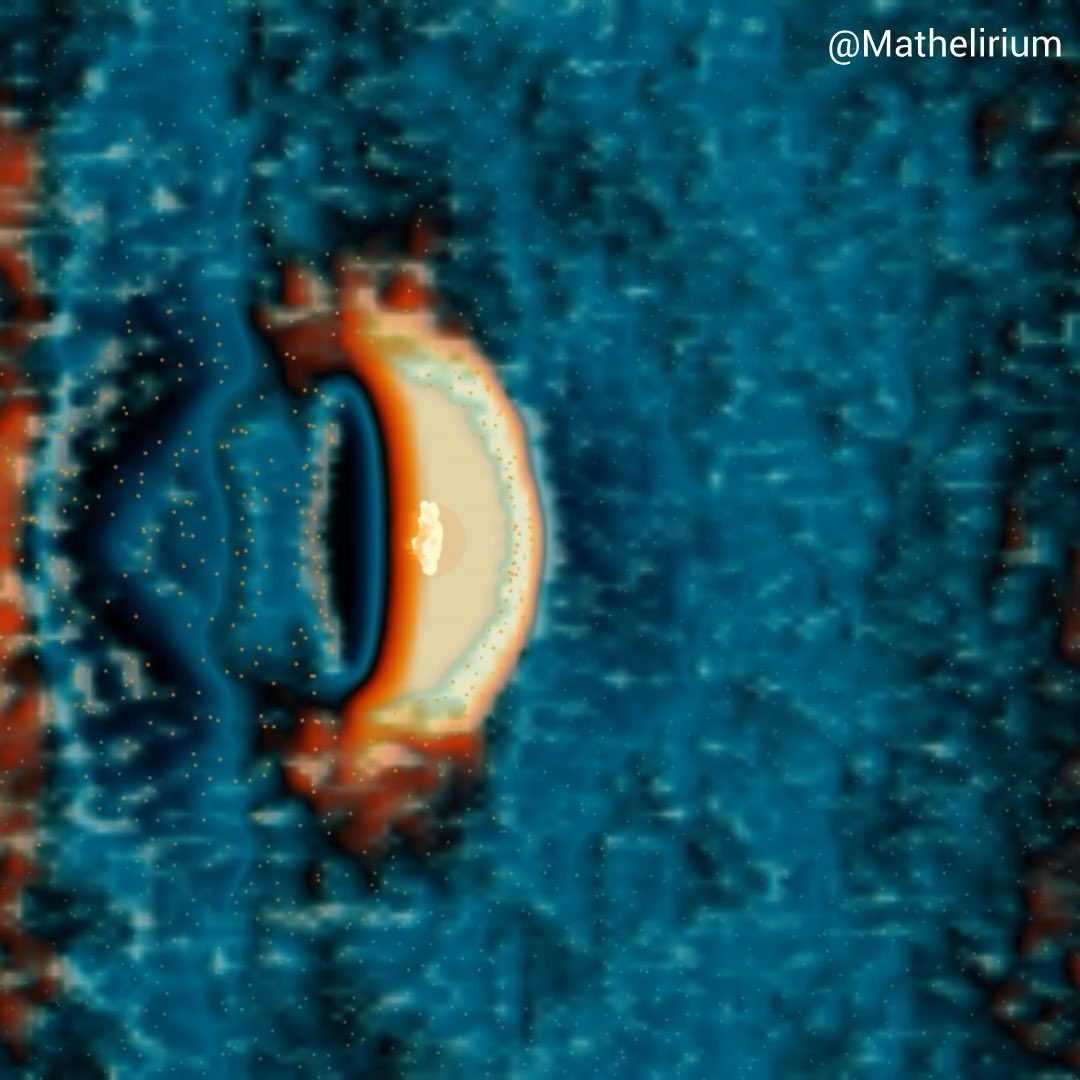
A 200-femtosecond laser strips electrons from the air, creating a plasma “seed”. Microwaves rapidly heat that path until branching fractal patterns appear and a Mach 1 shockwave races outward. For a split second, the air starts behaving like a living structure.

18,719 views • 4 months ago •via X (Twitter)

0 Comments

No comments available

Comments from the original post will appear here

Related Videos

When a gas chamber filled with a fuel-air mixture is ignited, the flame does not instantly appear everywhere. Instead, it starts at the ignition point and spreads outward as a moving "flame front." For combustion to happen, fuel molecules must react with oxygen molecules. When a spark or flame provides enough energy, the first few molecules ignite and release heat. This heat then warms the nearby unburned gas, causing those molecules to reach their ignition temperature as well. The process repeats rapidly, creating a chain reaction that pushes the flame through the chamber. Think of it like a row of dominoes. The spark knocks over the first domino, which triggers the next one, and so on. In a gas chamber, heat and highly reactive particles called free radicals play the role of the falling dominoes. As the flame spreads, the hot combustion gases expand dramatically. This expansion creates pressure waves that move ahead of the flame. The speed of flame propagation depends on factors such as the fuel type, the fuel-to-air ratio, temperature, pressure, and turbulence inside the chamber. Turbulence mixes the gases more effectively, allowing the flame to spread much faster. In engines, this controlled flame spread is essential because it releases energy smoothly. However, if the flame spreads too rapidly or transitions into a shock wave, it can become a detonation or explosion,producing a sudden and destructive pressure spike. In short, a flame spreads because each burning region heats and ignites the next region, creating a self-sustaining wave of combustion that moves through the fuel-air mixture.

Mechanical Knowledge

11,937 views • 1 month ago

I'd like to take a second to discuss what it means for a storm to be a Category 5. It's a beautiful, mesmerizing, terrifying and awe-inspiring pageant of power and elegance. It's the atmosphere at its most dynamic, raw and extreme. The hurricane has to have an absolutely perfect, undisturbed balance. It's an extremely rare feat. A Category 5 is like a spinning top whirring on a table; even the slightest jiggle can knock it off-kilter – like bumping the table. There must be virtually no shear, or changing winds with height. The upper-level winds around the system must be relatively calm. It's incredible to think that the planet's most furious storms are born out of an abundance of calm. The waters must be exceptionally warm – upwards of 86 degrees – to be replete with "oceanic heat content," or heat energy for the hurricane to draw upon. The warm waters heat and moisten the air above. That air rushes into the building hurricane. As air nears the center of the storm, it expands due to the hurricane's low pressure. That expansion releases heat energy to the environment, encouraging air to rise and powering the storm. In theory, that air parcel (pocket) should cool, but it doesn't. Why? It's still being heated by the oceans below. The ocean is constantly re-heating the lower atmosphere – and energizing the storm – at the exact same rate the air is releasing heat energy into the storm. Most of the moisture in the air condenses and produces rain, releasing even more "latent heat" to the environment. Near the hurricane's center, there's a lot of heat energy. So much so that the air rises, as if in a chimney. That rising air literally lifts air up and away from the surface. There's literally less air, and therefore less air weight, or *pressure*, at the center of the storm. Most Category 5 hurricanes are "missing" about 8-10 percent of the air from the middle. It's that deficit of air that behaves like a vacuum of sorts. Air from outside the storm rushes in to fill the void, like water spiraling into a sink drain. The greater the deficit, the faster the winds. The wind increases exponentially closer to the center of the storm; Category 5 hurricanes have winds over 157 mph. So why doesn't the eye, with the "missing" air, just "fill in?" Because the hurricane is rotating so furiously! The air is flung outwards by the "centrifugal force" at the exact same rate it's being pulled inwards by the "pressure gradient force." The air can never fully reach the eye – and instead it swirls around and around, like water perpetually sloshing around the edges of a toilet. We call that "cyclostrophic balance." Thus, the eye doesn't fill in. The storm charges on. And – until the system is torn apart by disruptive upper-level winds or moves over cooler waters/land – it continues.

Matthew Cappucci

24,772 views • 1 year ago