Video wird geladen...
Video konnte nicht geladen werden
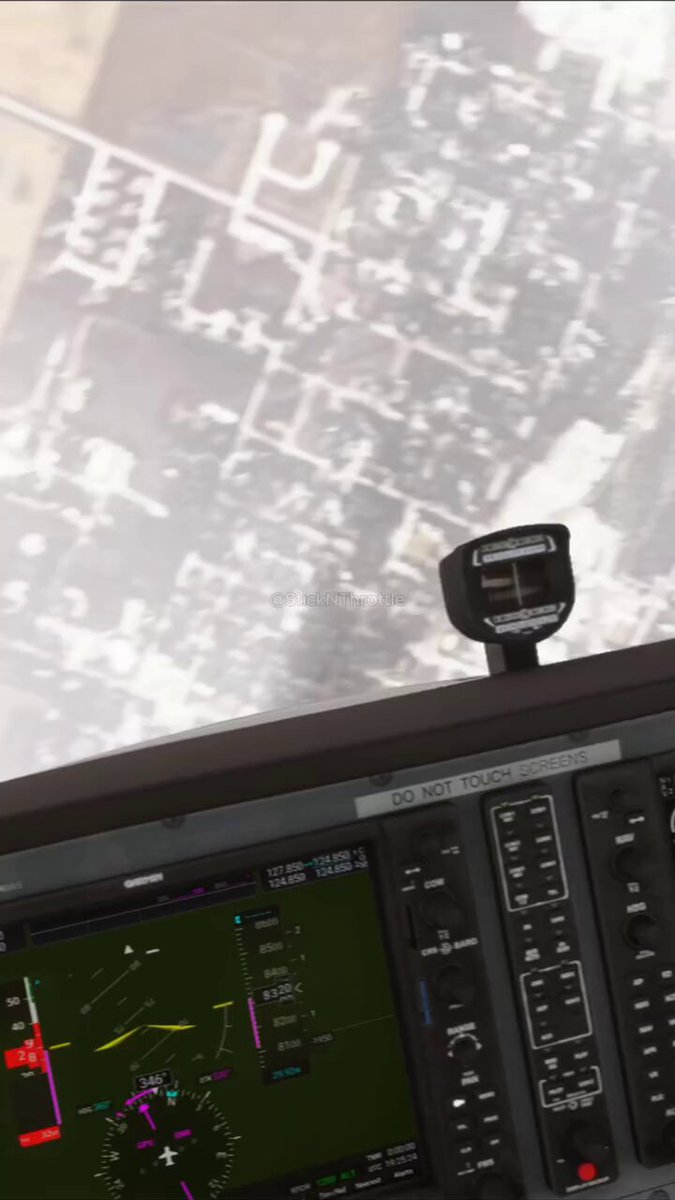
🎥 A routine flight quickly became a life-or-death situation on June 25 when the pilot of a Cessna declared a Mayday after suffering an engine failure with three people on board. As the aircraft searched for a safe place to land, the crew of a nearby Sun Country Boeing... show more

34,792 Aufrufe • vor 3 Monaten •via X (Twitter)
0 Kommentare
Keine Kommentare verfügbar
Kommentare vom Original-Post werden hier angezeigt




![A preventable tragedy On This Day in 1967: Stockport air disaster (England). A British Midland C-4 [G-ALHG] crashes in Stockport, 72 of 84 aboard die. On a go-around, crew lost control after 2 engines failed. Investigation traced the issues to a known - but never addressed - design issue in the fuel system. More details here by ASN (video is from British Pathé) PROBABLE CAUSE: "The immediate cause of the accident was loss of power of both engines on the starboard side, resulting in control problems which prevented the pilot from maintaining height on the available power with one propeller windmilling. The loss of power of the first engine was due to fuel starvation due to inadvertent fuel transfer in flight. The loss of power of the second engine was due either to fuel starvation resulting from inadvertent fuel transfer in flight or to misidentification by the crew of which engine had failed followed by failure to restore power in time to the engine misidentified as having failed. Contributory causes of the accident were: (a) The design of the fuel valves and location in the cockpit of their actuating levers, so that a failure by the pilot correctly to position the lever by an amount so small as to be easy to do and difficult to recognize would result in inadvertent fuel transfer on a scale sufficient to involve the risk after a long flight of a tank expected to contain sufficient fuel being in fact empty. (b) Failure of those responsible for the design of the fuel system or the fuel valves to warn users that failure by a small amount to place the actuating levers in the proper position would result in inadvertent fuel transfer on a scale involving this risk after a long flight. (c) Failure of British Midland's air crew or engineers to recognize the possibility of inadvertent fuel transfer in the air from the evidence available in previous incidents in flight and contained in the fuel logs. (d) Failure of other operators of Argonauts who had learned by experience of the possibility of inadvertent fuel transfer in flight to inform the Air Registration Board, the Directorate of Flight Safety of the Board of Trade or its predecessors, or the United Kingdom Flight Safety Committee of the facts which they had learned so that these might be communicated to other operators of Argonauts and other aircraft equipped with similar systems and fuel cocks."](https://image.24vids.com/tw-2062414198571753810/ext_tw_video_thumb/2062414179756044288/pu/img/r5FK9y-e8pi1UUFi.jpg)