Video yükleniyor...
Video Yüklenemedi
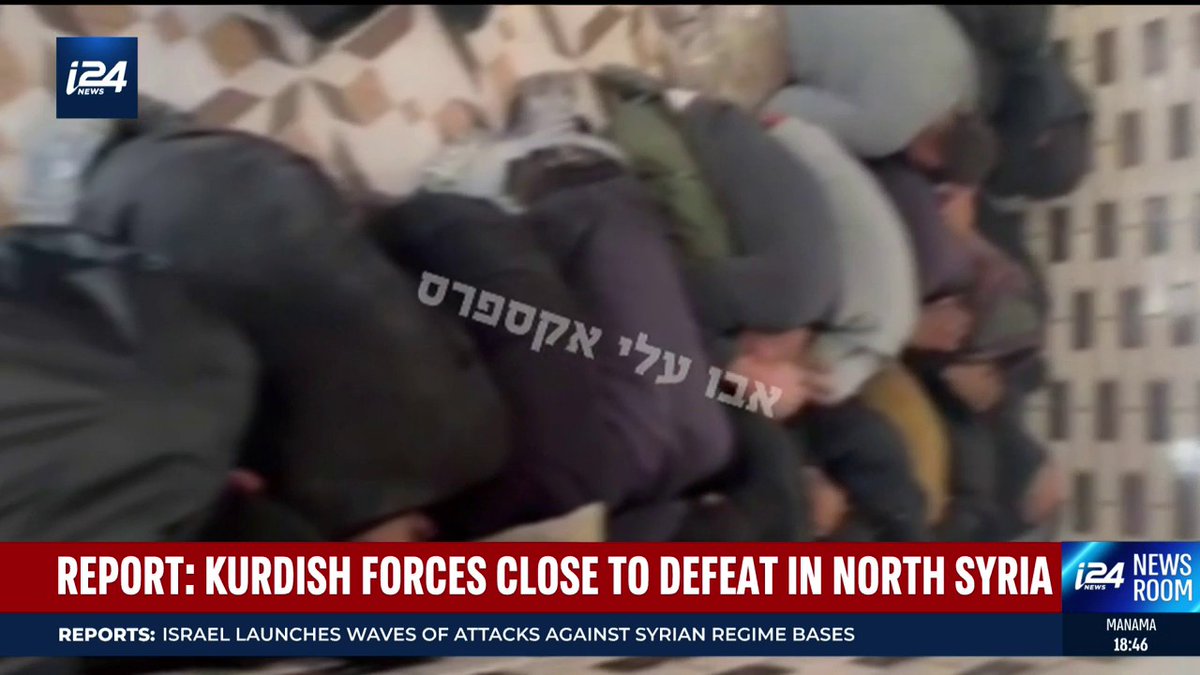
Ateret Shamuel: “Kurds are one of Middle East’s largest indigenous nations, divided across Iraq, Iran, Syria, and Turkey. Today, Kurdish areas face heavy attacks.” Iran’s regime is brutally targeting Kurds: “IRGC forces opened fire on Kurdish protesters, killed civilians, raided a hospital in Ilam, and imposed an internet blackout... show more

24,819 görüntüleme • 8 ay önce •via X (Twitter)
0 Yorum
Yorum bulunmuyor
Orijinal gönderinin yorumları burada görünecek




![I’ve watched John Kennedy at least five times. While I hope his warning doesn’t fall on deaf ears, I’m even more concerned that it might be yet another empty promise—the kind the Kurds have sadly come to expect from American politicians. “Erdogan, leave the Kurds alone. Kurds as you know are wonderful people. There are probably 30-40 million [sic] …living mostly in Turkey, Iran, Northern Iraq & Syria. Kurds are a distinct ethnic group…a stateless country bc they are spread all over the world. The Kurds are America’s friend 🇺🇸 Not many years ago, ISIS established a caliphate in the Middle East, Which America destroyed. The people most responsible for destroying ISIS were the Kurds. We lost less than 20 American lives in destroying ISIS. Our friends the Kurds lost over 10,000 fighting alongside us, and over 30,000 wounded. Without the Kurds, ISIS would still be there. Erdogan doesn’t like the Kurds. Right now Erdogan has troops, tanks & weapons marshaled at border between Turkey & Syria. The Kurds live very peacefully in northeast Syria, so my message to Erdogan is: Don’t do it! Leave the Kurds alone! If you invade Syria, and touch a hair on the head of the Kurds, I’m going to ask the US Congress to do something, & our sanctions won’t help the economy of Turkey. And I don’t want to do that, so LEAVE THE KURDS ALONE.” cc: Recep Tayyip Erdoğan 🇺🇸](https://image.24vids.com/tw-1869942503388151957/amplify_video_thumb/1869942202174189568/img/XCBUCf5-o20salc7.jpg)

