Video wird geladen...
Video konnte nicht geladen werden
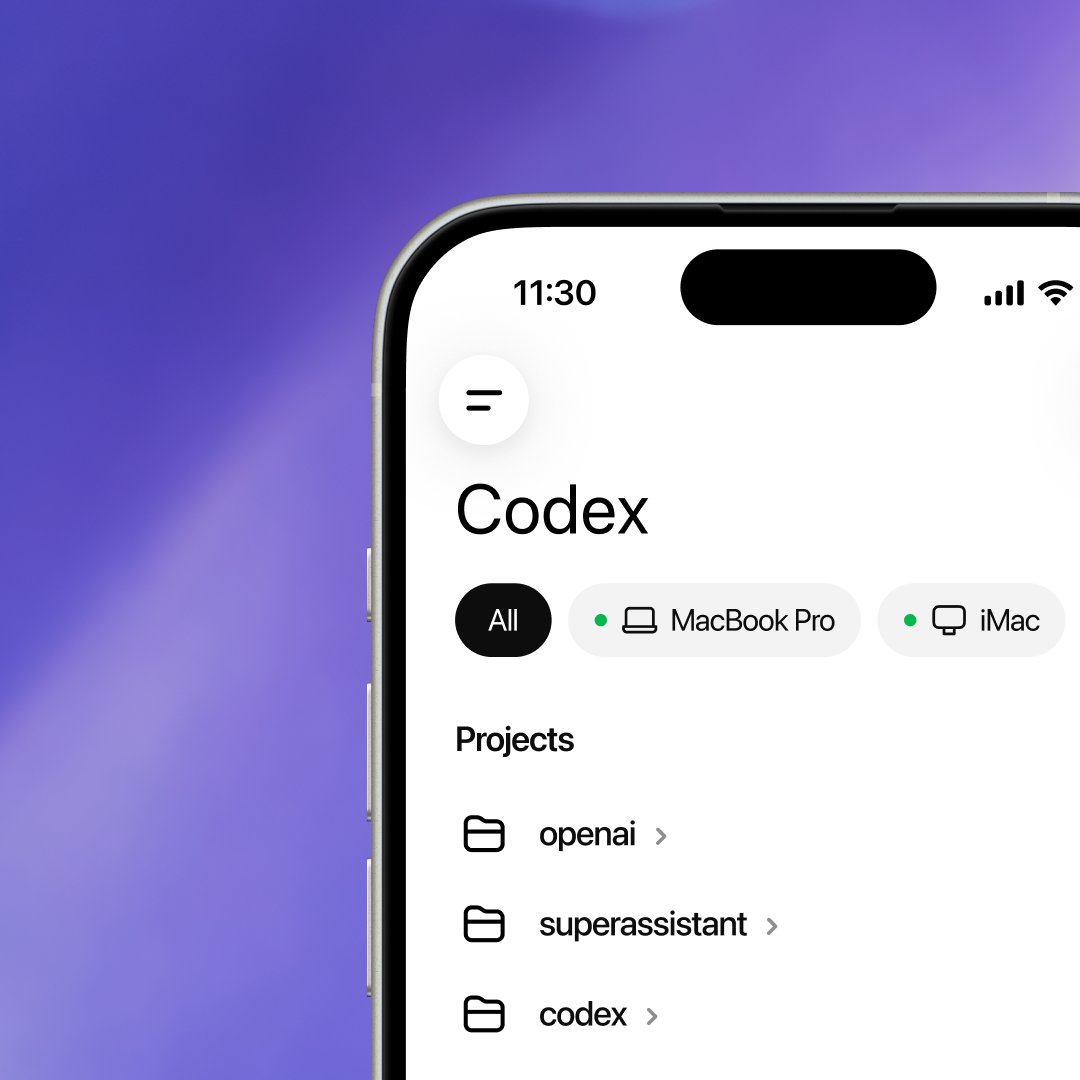
Auto-review is a new mode that lets Codex work longer with fewer approvals and safer execution. It helps Codex keep moving through tests, builds, and more, including during long tasks and automations, while a separate agent checks higher-risk steps in context before they run.

439,549 Aufrufe • vor 6 Monaten •via X (Twitter)
34 Kommentare

Been using auto review, aka "guardian" in the CLI for weeks Absolute game changer for UX Flow state activated.

Anyone tested the token cost that the guardian agent incurs during an average session? Curious what the “auto-review tax” looks like

#keep4o Give 4o back to the public.

Yeah thats cool. But what's even cooler is being able to use my phone to approve what Codex is doing on my desktop at work

are you saying I have to do even LESS work? Well alright then

This is the right architecture. Not "can the agent do this?" but "should it, right now?" Graduated trust is how agentic coding actually becomes safe for production.

I’ve seen more AI tools moving toward auto execution with safety layers. I just observe how it performs in real tasks and keep structure with Sertexity for clearer execution understanding.

This multi-agent pattern (Doer + Reviewer) is exactly the shift we need for true autonomy. I’ve been implementing a similar automated reviewer architecture in my own workflows using the Gemini ecosystem, and it’s a game-changer for long-running automations. We are officially moving from "Prompt Engineering" to "Workflow Architecture.

For me Codex frequently gets stuck since the launch of 5.5, even using 5.4 it just.. stops doing anything, but shows it's still working. Just wasted an hour waiting on it finishing reading 4 files, then nudged it asking if its still at work and it just said "yea" and kept reading

This auto review was much needed, no one needs to approve every single minor request. Now I will have more time to wander around during sessions.

#BringBack4o #keep4o #OpenSource4o bring back 4o 🤓

Although I've run full approval for a year, convincing others to do so was a pain, with all the warnings... good job

Is there any advantage to this over full YOLO mode if im just building local things and trust the agent? Does the review process actually help or just avoids asking for permissions?

Any numbers you can share on how safe it is?

Google trial access is still being illegally obtained and sold by numerous unscrupulous Chinese businesses using technical means, and these accounts can be directly subscribed to the Plus Pro subscription plan In China there are still two or three illegal sellers taking chances using technical methods to obtain and misuse redemption codes and selling them in small batches even though the official site has strengthened fixes on the Google side after my report there are still some loopholes and room for illegal profit that these bad actors are exploiting many users can subscribe to a twenty dollar Plus plan for around four dollars which is completely unfair to those who actually paid full price please continue to strengthen risk control and fixes on the Google side this post will serve as the final update on the progress Also I have no business ties with the owner of the Chong site I am not his agent or reseller so stop guessing this time we came prepared A large number of accounts with or without Google trial eligibility that can activate Plus or Pro for zero dollars have flooded the market with bad actors extracting credentials through technical means and selling them😂🤗🤗

So this means no more bugs at all right?!

neat

Auto-review feels like software inventing its own internal compliance layer. Fewer approval clicks for the user, more governance inside the loop. That is probably how long-running agents become normal

auto-review is the feature codex users have been babysitting around. what's the token overhead?

fewer approvals + AI making more autonomous decisions... what could go wrong 😅 hope the safety checks are actually solid

the friction isn't the AI doing work. it's approving every micro-step. checkpointing on risky ops only is how you get pipelines that actually run autonomously

The separate reviewer is the important part. Autonomy feels a lot safer when the risky step is checked in context instead of making the human babysit every click.

Fucking fuck yeah

Auto-review matters because autonomy is not just longer runs, it is safe momentum. The real unlock is keeping flow without making approvals a full-time job.

That’s a strong direction for scaling agentic workflows. If it’s implemented well, separating execution from a safety-checking layer could improve both speed and reliability—especially for long-running tasks where constant human approvals become a bottleneck. The real test will be how accurately the system identifies “high-risk” steps without blocking legitimate progress or missing edge cases.

the interesting part is still the approval boundary. fewer approvals helps, but only if the failure path stays visible.

@TheRealAdamG ahh that explains oai staff talking about weekend long sessions
This is the part people miss: the real unlock is not just smarter output, it is safer momentum. Fewer approvals means agents stop feeling like interns waiting for permission every 3 minutes.

kinda like having a co-pilot who taps you only when shit gets real
This is the part people miss: agent autonomy only matters if the safety loop scales with it. Longer-running execution without smarter review just creates faster mistakes.

This sounds like a game-changer for streamlining workflows and enhancing productivity—excited to see how it improves efficiency in development processes!

The Autonomy Layer: Codex "Auto-review" Mode Unleashes Long-Running Agents. OpenAI has introduced "Auto-review" for Codex, a breakthrough in autonomous execution. By delegating low-risk approvals to a secondary "Supervisor" agent, Codex can now maintain continuous momentum through complex builds and tests without human bottlenecks. High-risk actions remain gated by contextual checks, but the friction of manual oversight is effectively eliminated. In 2026, the competitive edge belongs to those who shift from "Reviewing Every Step" to "Orchestrating Autonomous Outcomes." #Codex #OpenAI #AgenticAutonomy #AIProductivity #Sovereignty

works well so far

is this available via codex sdk? please please be