Loading video...

Video Failed to Load

Go Home

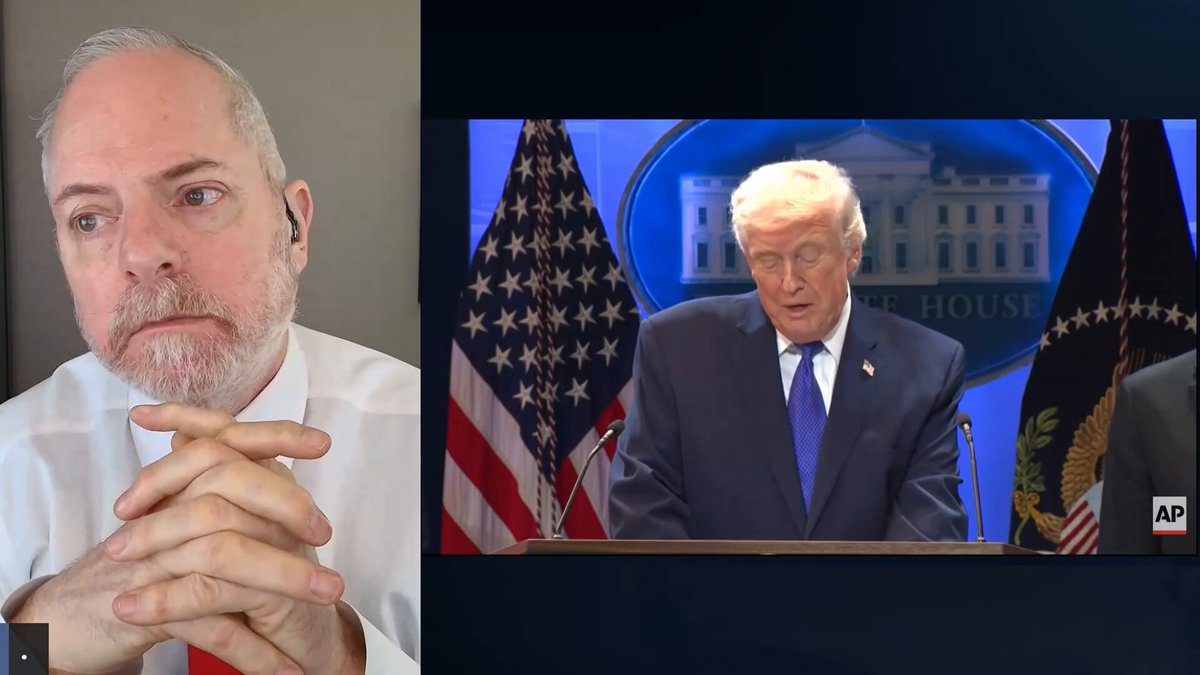
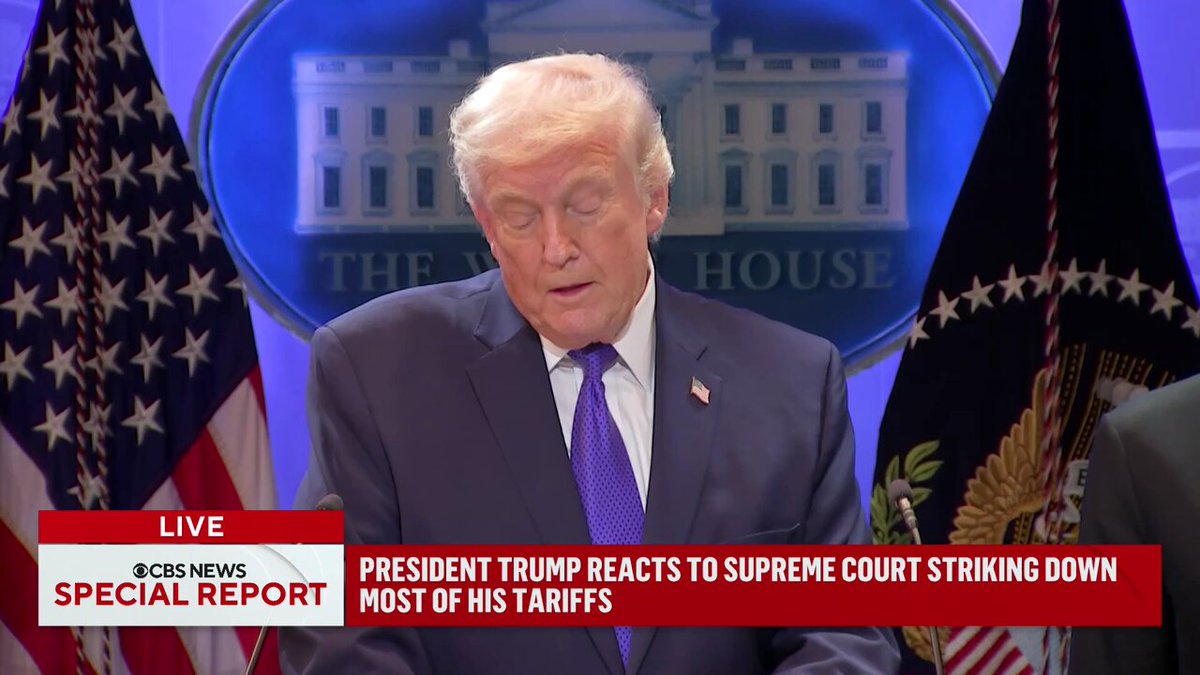
🚨 BREAKING: In a worrying development, the U.S. Supreme Court appears VERY skeptical of President Trump's emergency tariff powers, setting the stage for striking them down. GORSUCH: "Congress as a practical matter can’t get this power back once it’s handed it over. The president is a one way rachet...

1,688,134 views • 9 months ago •via X (Twitter)

0 Comments

No comments available

Comments from the original post will appear here

Related Videos

🇺🇸🚨Alastair Crooke: The Supreme Court striking down Trump’s tariffs would spark MAJOR CRISIS with geopolitical consequences ‘The Constitution says that the revenue raising in the United States is a prerogative of Congress, not of the President. The President contends he has the right to set tariffs on whom he wants, when he wants, as he wants, for as long as he wants under the one provision which is the act of declaring an emergency. But the Emergency Act says nothing about tariffs. It just says that in the case of an emergency, special measures are permitted. So what the Supreme Court will do, it could even order the repayment of all those tariffs, which are about $90 billion, that had been raised mostly from Americans. It would be a major crisis. The legal experts, many of them think that there’s a good chance that the court will side against the President on tariffs and return the authority to Congress. Imagine then the geopolitical consequences to this, because the whole of his geopolitical structure framework has been based on tariffs and using tariffs as a sort of weaponised, forcing agent to get more money, to shake down states in Southeast Asia or in Gulf states or anywhere he can, to modify the deficit a little.’ -Alastair Crooke, the former Middle East Advisor to the EU Foreign Policy Chief, joins us for Saturday’s episode of Going Underground Don’t miss it, follow our Rumble channel, link below in the replies👇

Going Underground

25,179 views • 9 months ago

Trump claims tariffs will make America rich again, but that’s not how it works. Tariffs aren’t paid by other countries—they’re paid by Americans. It’s not a tax on countries like China; it’s a tax on the stuff we buy. Here’s how it works: when the government puts a tariff on something, it raises the price of that product. The idea is to make imported goods more expensive so people buy American-made products instead. Sounds good, right? The problem is, most things we use in the U.S. are made overseas, and it would take years—or even decades—to make them here. And in some cases, it might never happen because it costs too much to produce those goods locally. For example, if something costs $50 and a tariff adds $5, the new price is $55. That extra cost comes out of your pocket. This can cause inflation, making everything more expensive, and people either stop buying or have to spend more because there are no cheaper options. So, who gets the money from tariffs? The U.S. government collects it, but it’s not paid by China or any other country. It’s paid by you—the American consumer. The U.S. can’t tax other countries directly, so the burden falls on taxpayers here. Tariffs can work if the product being taxed is already made in the U.S. For example, if China floods the market with super-cheap goods that hurt local manufacturers, tariffs can make those imports more expensive, giving American businesses a chance to compete. But slapping tariffs on goods we don’t make here—or won’t make for years—just makes things more expensive for everyone. That’s why no president has wanted to be known as a "tariff president." They knew tariffs are really just taxes on Americans and can backfire politically. If tariffs drive up prices and hurt voters’ wallets, it could mean big trouble in the next election. Republicans might certainly lose in 2026.

Simon Ateba

50,090 views • 1 year ago