Загрузка видео...

Не удалось загрузить видео

На главную

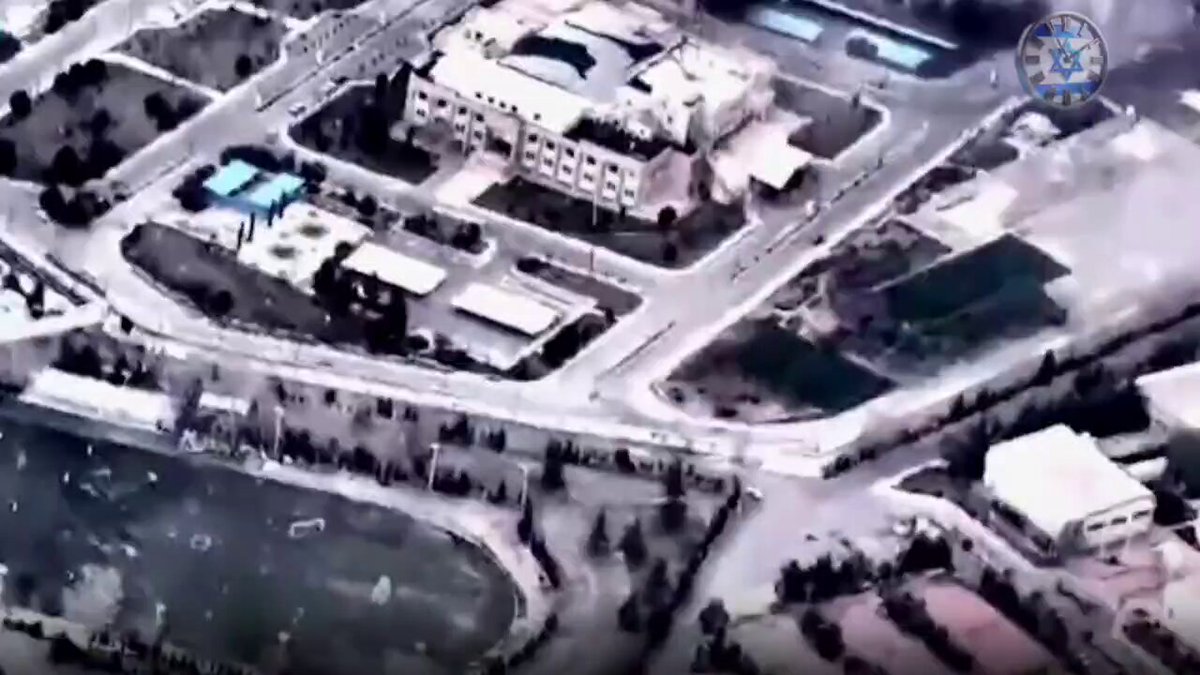
🚨 BREAKING – LEAKED INFO FROM INSIDE INDIA'S ATOMIC ENERGY DEPT 🚨 Sources confirm that during #Pakistan’s precision strike on BrahMos depot in Beas, nuclear-capable warheads meant for active deployment were dangerously exploded. In panic, Indian govt is spreading anti-Pakistan disinfo to distract global attention. Radiation concerns now escalating....

Комментарии: 0

Нет доступных комментариев

Здесь появятся комментарии из оригинального поста

Похожие видео

🇮🇳 & Cavemen Misconceptions Before Conflict: Public Support India believed that Pakistan’s polarized environment would prevent its people from supporting their armed forces. They were proven wrong when the Pakistani nation united resolutely against India. The Taliban assumed they could leverage the "Islamic biradar card" to avoid Pakistan’s retaliation. However, fed up with terrorism, the Pakistani people overwhelmingly supported action against terrorists. International Support India assumed years of diplomatic posturing, amplified by Jaishankar’s laser eyes moments, would rally global support and isolate Pakistan. They failed miserably on the diplomatic front. Afghanistan expected China and Russia to come to their rescue, but the international community had largely abandoned them, urging compliance with the Doha Agreement. Propaganda Warfare India believed its vast media apparatus would dominate the international narrative. Instead, they became a laughingstock after falsely claiming to destroy Lahore’s nonexistent seaport, losing credibility both globally and domestically. Afghan accounts, backed by Indian support, thought fake news and emotional propaganda would incite panic in Pakistan. Their efforts backfired, exposing and embarrassing them. Military Response India, clinging to the delusions of 2019, believed a border would shield their jets and limit the conflict to an aerial skirmish. They were stunned when seven Indian jets were shot down deep in their territory, showcasing Pakistan’s military resolve and shocking the world. Afghanistan assumed their sleeper cells and guerrilla tactics would keep Pakistan on the defensive without retaliation. Pakistan disproved this by striking Kabul twice in one week with its air force, with more actions likely to follow. Superiority Complex One important aspect to add in this is the strange superiority complex both these countries cling onto, one sees itself as a global superpower, while the other boasts of defeating superpowers. Each is trapped in its own delusions, and Pakistan has taken the responsibility to bring them back to reality. Current Threats Now, both India and Afghanistan think they can pressure Pakistan with threats of water disputes, terrorism, or political unrest. To them, I offer this quote: "Heat not a furnace for your foe so hot that it do singe yourself."

Mohsin Ali

14,452 просмотров • 8 месяцев назад

🚨 OPERATIONAL UPDATE: ISRAEL U.S. WAR WITH THE ISLAMIC REPUBLIC - Reporting Window: Last 24 Hours Heavy strike activity continued across Iran, while Iran maintained intermittent but still damaging attacks into Israel and across the Gulf. Open-source reporting, civilian footage, and mainstream outlets including The New York Times, AP, The Guardian, Ynet, and The Jerusalem Post all point to the same picture: sustained pressure across multiple fronts with no meaningful slowdown. ━━━━━━━━━━━━━━━━━━ ✈️ INSIDE IRAN The most concrete strike detail in this window is the continued targeting of Iran’s energy and industrial base. Multiple sources, including The Guardian, AP, and Ynet, confirm Israeli strikes on the South Pars gas field, specifically a major petrochemical facility responsible for roughly half of Iran’s petrochemical production. Additional reporting indicates that, combined with prior strikes, a large portion of Iran’s export-linked petrochemical capacity has now been taken offline. This sits alongside continued strikes in and around Tehran, with open-source reporting and local accounts indicating ongoing explosions, air defense activity, and damage to both infrastructure and regime-linked sites. At the same time, Majid Khademi, head of the IRGC Intelligence Organization, was killed in strikes attributed to Israel and the United States. That removes a senior figure tied directly to internal security, intelligence coordination, and regime control. Taken together, this window reinforces what has already been visible: *⃣ Energy and industrial infrastructure are being hit directly *⃣ Senior regime figures remain active targets *⃣ Tehran itself continues to absorb repeated strike activity ━━━━━━━━━━━━━━━━━━ 🚀 IRANIAN STRIKES ON ISRAEL Iran continued to launch missiles into Israel, with the most detailed reporting coming from Ynet and corroborated by open-source imagery and emergency response reports. A cluster munition missile dispersed submunitions across central Israel, creating 20 to 28 separate impact sites across the Tel Aviv metropolitan area. Residential buildings, vehicles, and infrastructure were damaged, and at least one person was wounded. Separately, rescue operations in Haifa confirmed four civilian fatalities after a direct missile strike caused a structural collapse in a residential building. This is consistent with what you’ve already been reporting: *⃣ Iran still has the ability to penetrate defenses at times *⃣ Civilian impact remains real even at reduced launch tempo *⃣ Cluster munitions continue to increase the number of impact sites per strike ━━━━━━━━━━━━━━━━━━ 🔥 LEBANON FRONT Lebanon remained active, though not the central focus of this window. Israeli strikes continued in Beirut’s southern suburbs, targeting Hezbollah positions, with large secondary explosions and visible damage. Reporting from Asharq Al-Awsat and additional regional sources indicates continued evacuation patterns and reduced civilian presence in targeted areas. There is also continued reporting of internal Lebanese tension, with criticism of Hezbollah growing in some areas as strikes expand geographically. This front remains active, but its role in this window is supportive rather than dominant. ━━━━━━━━━━━━━━━━━━ 🌍 GULF AND REGIONAL PRESSURE Iran continued applying pressure beyond Israel, particularly in the Gulf. Reporting from The National indicates Kuwait has now intercepted hundreds of drones and ballistic missiles since late February, with continued targeting of: *⃣ Oil refineries *⃣ Power infrastructure *⃣ Desalination facilities Daily life in Kuwait is continuing, but under persistent alert conditions. This reinforces the broader pattern already established that Iran is sustaining regional pressure even as its direct strike tempo into Israel fluctuates. ━━━━━━━━━━━━━━━━━━ ⚓ HORMUZ AND THE POLITICAL CLOCK The most consequential non-kinetic development remains tied to the Strait of Hormuz. Reporting across The New York Times, AP, and Al Jazeera confirms that the U.S. has again issued a deadline for Iran to reopen the strait, with explicit threats to strike power plants, bridges, and national infrastructure if that does not occur. Iran has responded by signaling it will retaliate if those strikes are carried out. At the same time, there are indications of ongoing diplomatic efforts, including proposals being circulated through regional intermediaries, though none appear close to resolution. ━━━━━━━━━━━━━━━━━━ 📌 WHAT MATTERS MOST RIGHT NOW • Israeli strikes continue to hit energy infrastructure and regime leadership targets inside Iran • Iran maintains the ability to cause civilian damage inside Israel, including multi-impact cluster strikes • Civilian fatalities inside Israel were confirmed in this window • Hezbollah positions in Beirut continue to be targeted • Gulf infrastructure remains under sustained Iranian pressure • The Hormuz deadline remains the clearest trigger for possible escalation ━━━━━━━━━━━━━━━━━━ 🧠 ASSESSMENT The pattern across the war is holding. Israel continues applying pressure across military, industrial, and economic systems inside Iran. Iran continues to respond within its constraints, maintaining the ability to strike while distributing pressure across multiple fronts. The most important variable is not a new development. It is timing. The U.S. has now attached a clear deadline to Hormuz, with specific targets named publicly. If that deadline passes without resolution, escalation will not be gradual. ━━━━━━━━━━━━━━━━━━ 📖 BOOK PLUG If you want the deeper context behind everything you’re watching play out right now, I break it down in: Contested Land, Uncontested Truth It goes beyond daily updates and explains the history, strategy, and narratives shaping this conflict. Continued thanks to Michael W for continuing to contribute to the open-source picture behind these reports.

Inside_Israel_Intel

24,295 просмотров • 3 месяцев назад

🚨 OPERATIONAL UPDATE: TALKS ADVANCE, PRESSURE HOLDS - Reporting Window: Last 24 Hours *⃣ If you find these reports useful, PLEASE consider sharing them, this is how more people get access to clear, open source breakdowns of what’s actually happening. Diplomacy is now fully underway, but the underlying structure of the war has not changed. U.S. and Iranian officials are actively engaged in talks in Islamabad, while Israel continues operations in Lebanon and regional pressure points remain unresolved. Negotiations are real, but they are happening alongside continued military activity, not in place of it. ━━━━━━━━━━━━━━━━━━ 🧠 MY ASSESSMENT The disconnect in this phase of the war is no longer just military. It is perceptual. Iran is negotiating like a peer power. It is not operating like one. The regime has taken real damage across leadership, infrastructure, and military capability. That much is clear from weeks of sustained strikes and the cumulative effect they’ve had on its systems. At the same time, the United States and Israel retain clear escalation dominance, including the ability to threaten core Iranian infrastructure on a scale that would put the regime itself at risk. And yet, Iran continues to negotiate from a maximalist position. That is not because it holds superior leverage. It is because the leverage it does have is concentrated in disruption, not control. Hormuz remains the clearest example. Iran does not need to shut it permanently to create pressure. It only needs to make it unstable enough to raise global economic costs and force urgency into negotiations. The same applies to its proxy network. Hezbollah does not need to win in Lebanon. It only needs to remain active enough to prevent a clean separation of fronts. So the reality is more specific than either extreme. Iran is not negotiating from strength. But it is not negotiating without leverage. It is negotiating from a weakened position, using time, disruption, and regional pressure to offset what it has lost militarily. That is what makes this phase unstable. The United States is trying to convert military advantage into a negotiated outcome. Iran is trying to convert limited leverage into constraints on that outcome. Israel is continuing to act where it is not constrained. Those dynamics do not resolve cleanly. They drag. And the longer they drag, the more the outcome depends not just on capability, but on tolerance for escalation and time. Now let's break down all the different theaters contributing to this assessment: ━━━━━━━━━━━━━━━━━━ 🇵🇰 ISLAMABAD TALKS: REAL, HIGH-STAKES, BUT FAR APART The most significant development in this window is the shift to direct U.S.–Iran engagement in Pakistan. Senior delegations are now physically present in Islamabad under heavy security, with Pakistan acting as the central intermediary trying to convert a temporary ceasefire into something more durable. But the gap between the two sides remains wide: • Iran’s reported framework focuses on sanctions relief, security guarantees, and preserving proxy influence • The U.S. framework demands nuclear dismantlement, missile limits, and a permanently open Hormuz Both sides are treating these as opening positions, not final terms. At the same time, Iranian negotiators are still pushing to include Lebanon in ceasefire guarantees, a condition that continues to complicate progress. ━━━━━━━━━━━━━━━━━━ 🇱🇧 LEBANON REMAINS ACTIVE Despite the diplomatic push, Lebanon remains an active combat zone. Israeli strikes continued across southern Lebanon in this window, including deadly strikes in Nabatieh and surrounding areas. Reporting indicates: • More than two dozen killed in a single strike event, including members of Lebanese security forces • Additional strikes on urban areas, shops, and infrastructure • Continued clashes on the ground, with IDF personnel wounded in exchanges along the border At the same time, Hezbollah fire has not stopped entirely, with intermittent launches toward northern Israel continuing. The key continuity point holds: Lebanon is not covered by the ceasefire structure being negotiated in Pakistan, and it is not behaving like it is. ━━━━━━━━━━━━━━━━━━ ⚓ HORMUZ: STILL UNRESOLVED The Strait of Hormuz remains the central strategic lever. U.S. officials are signaling active efforts to secure the waterway, including naval movements and mine-clearing operations, though some claims remain unverified. At the same time, Iran continues to threaten rapid retaliation against U.S. vessels operating in the area. This is the same unresolved issue sitting underneath the negotiations: • The ceasefire depends on Hormuz being open and stable • That condition has not yet been fully met • Both sides are still signaling willingness to escalate if it breaks down ━━━━━━━━━━━━━━━━━━ 🌍 REGIONAL PRESSURE AND SPILLOVER The regional layer of the war remains active even as talks proceed. Recent reporting highlights: • Continued Iranian-linked pressure on Gulf infrastructure, which has already disrupted Saudi industrial capacity in recent days • Pakistan increasing its own military posture, including sending fighter jets to Saudi Arabia as part of broader defense coordination • European pressure, particularly from France, to expand the ceasefire framework to include Lebanon This reinforces the broader pattern: The war is no longer confined to one front, and it cannot be easily paused in one place without consequences elsewhere. ━━━━━━━━━━━━━━━━━━ 🇮🇷 INTERNAL IRAN DYNAMICS Additional reporting in this window provides a clearer picture inside Iran. • Iran’s current Supreme Leader, Mojtaba Khamenei, remains seriously injured from earlier strikes but is still actively governing through remote coordination • The regime continues to maintain tight control domestically, including extended internet blackouts • There are increasing indications of information control and narrative shaping as negotiations proceed Separately, reporting suggests the regime has encouraged civilians to position themselves near key infrastructure as a deterrence tactic, reinforcing a pattern of using civilian presence as part of its defensive posture. ━━━━━━━━━━━━━━━━━━ 📌 WHAT MATTERS MOST RIGHT NOW • Direct U.S.–Iran talks are now fully underway in Pakistan, but positions remain far apart • Lebanon remains an active battlefield, with continued Israeli strikes and ongoing casualties • Hormuz is still not fully stabilized, leaving the entire diplomatic framework conditional • Regional actors are adjusting posture, including Gulf states and Pakistan, signaling continued instability • Iran continues to operate from a constrained but still functional position, both militarily and internally

Inside_Israel_Intel

15,357 просмотров • 3 месяцев назад

🚨 WARNING: SOMETHING BIG WILL HAPPEN THIS WEEK!! Iran just proposed stopping its nuclear program for 5 years. While President Trump demands a 20-year halt. Many people think that a deal is not possible right now because the gap is massive. But my insider just confirmed that this is simple bargaining. He also says that governments have almost found a compromise at around 12 years. If you hold any assets: - Stocks - Crypto - Bonds - Or even the dollar YOU MUST READ this post before it's too late. So here's what's happening: Iran named a specific timeframe and is ready to discuss diluting its enriched uranium. This is a MASSIVE step forward compared to what we had a month ago. Trump confirmed on Monday: "IRAN REACHED OUT DIRECTLY AND WANTS TO MAKE A DEAL." For the market, this is a signal: “WAR IS EXPENSIVE for everyone—time to take profits and reopen ports.” - The S&P 500 and Nasdaq are showing optimism because easing tensions in the Strait of Hormuz is instant profit for the global economy. As soon as news about a possible second round of negotiations came out, oil started cooling off. This unloads inflation and gives markets a reason to move higher. - Sources from Pakistan (where the tensions are happening) leaked info that the deal was 80% ready. Yes, they didn’t sign over the weekend, but they are very close. Now mediators (Egypt, Turkey, and Pakistan) have stepped in to push through the remaining 20%. Iran is backed into a corner by the blockade and wants its assets unfrozen. Trump wants a “GRAND DEAL”. To go down in history as a peacemaker and crash gasoline prices. You can also see that after the "FAILED" negotiations in Islamabad, the market didn't CRASH. Instead, it started rising on headlines about continued dialogue, which is the best indicator. As soon as governments make a deal, markets will SKYROCKET. This is exactly the time when REAL MONEY is made. And you should track all the updates so you don’t miss the opportunity. But don’t worry, I will keep you updated on everything here. I will post everything before it becomes HEADLINES. When I make my next move, I’ll share it publicly here. Follow and turn on notifications so you don't miss it. Comment "Strategy" and I will send you my guide in DMs. Many people will regret not following me earlier...

ᴛʀᴀᴄᴇʀ

383,089 просмотров • 3 месяцев назад

PRESS RELEASE 🚨 Title: Pakistani Activist State-Led Intimidation After Criticizing Punjab Leadership [Gujrat ,Pakistan 20-07-2025] A Pakistani social media activist Aladeen and political commentator is facing state-backed harassment, threats, and surveillance in response to public criticism of Punjab’s Chief Minister, Maryam Nawaz, and the provincial administration's handling of corruption, governance, and human rights concerns. In the past two weeks, the activist, who is choosing to remain temporarily anonymous due to ongoing death threats, has been vocal on digital platforms about: • Multi-billion rupee corruption scandals under the current Punjab government, • Administrative failure during recent monsoon flooding in the province, • And the alleged abduction of a political figure known as Sajid Chacha, raising concerns of enforced disappearances. As retaliation, the following events have taken place: • A fake First Information Report (FIR) has been lodged against the activist by Punjab Police under vague allegations of "spreading social media unrest". • 20-07-2025 around 1:30 to 2:00, three police vehicles and one unmarked car carrying approximately 20 officers stormed the activist’s family residence in Gujrat. • The activist’s father was harassed, his national ID and mobile phone were confiscated, and he was ordered to appear before officials in Gujranwala. • The family continues to face psychological and physical intimidation from Pakistani intelligence services (ISI) in both Kharian and Gujranwala. • The activist reports receiving direct and indirect death threats and warns of a deliberate campaign to silence dissent using fear, coercion, and legal manipulation. “This is not just about me. This is about the increasing use of state power to silence voices that question corruption, abuse of power, or enforced disappearances. I will not be silenced by fear. I intend to pursue legal action in Europe and raise this matter before international human rights bodies,” the activist stated. The activist alleges that Pakistan’s powerful intelligence agency, the ISI, is being misused to shield politicians and suppress lawful criticism. This raises serious questions about press freedom, civil liberties, and the rule of law in Pakistan. The activist has begun collecting legal documentation and has pledged to pursue international legal action against all involved officials and institutions, both in Pakistan and in European jurisdictions, where relevant laws allow legal recourse against torture, threats, and persecution. This case is part of a larger pattern of digital repression in Pakistan, where journalists, critics, and civil society members face threats, enforced silence, and exile for speaking truth to power. The activist calls upon: • The international community, • Human rights defenders, • Journalistic and legal networks, to closely monitor the situation in Punjab, demand accountability, and ensure protection of democratic rights and freedom of speech in Pakistan. Media Contact: Aladeen Cc Amnesty International South Asia, Regional Office Steve Hanke Ilhan Omar Claudia Webbe Mike Benz UN Human Rights Human Rights Watch Derek J. Grossman Jared Genser Sadiq Amini - صادق امینی Ben Linden PEN America Rep. Suhas Subramanyam (VA-10) Greg Casar Rep. Jimmy Panetta Rep. Johnny Olszewski Richard Medhurst Mario Nawfal Kasim Khan Jemima Goldsmith Darren J. Beattie 🌐 Larry Brilliant MD MPH FACPM 💛💙 Jeffrey Skoll Volker Türk Piers Morgan Mehdi Hasan

Aladeen

19,981 просмотров • 1 год назад

What Iran just did to Israel is nothing short of an unprecedented humiliation. For the second time in the same day, Iranian missiles targeted Israel, destroying government and military buildings as well as secret installations. But it didn’t stop there. Iranian cyber units hacked into the settlers’ public surveillance cameras and were watching them live on screen while bombing them inside their homes. These Iranian strikes have become devastating and highly dangerous. Everything is in chaos, and no one can grasp how Iran has achieved such power and precision in its attacks. The Iron Dome is failing, unable to intercept most of the incoming missiles. So what happened exactly? Here’s a quick breakdown of how things got to this point. Just about two hours ago, Iran launched a new missile salvo that resulted in one of the most precise and dangerous strikes so far. The strike hit an area known as "Paris Square" in the occupied city of Haifa. This area includes the famous Sail Tower, the tallest building in the city, located near the rabbinical court and other important government complexes. What many people don’t know is that the tower is not just an administrative structure. It’s a central hub that manages the entire northern region of the Israeli entity. Inside are offices for the Ministries of Interior, Health, Education, and Justice, along with branches of the Tax Authority, Housing Ministry, and Civil Registry. It’s also only about 700 meters from the Haifa port. In other words, this building is the backbone of Israel’s northern administrative system. According to the (IRGC), the buildings targeted weren’t just government offices, they also housed concealed military command and control centers (C2 sites). Iran had been tracking this area and hit them with a direct, precise strike. So far, Israeli media has confirmed around 27 injuries from the attack, as the building was occupied at the time. The mayor of Haifa also confirmed that two strategic sites were hit, validating the significance of the target. And it doesn’t stop there. In this same wave of strikes, and in direct retaliation for Israel’s recent bombing of Iran’s national broadcasting center live on air, Iran hit the building of Israeli Channel 14, which it had previously threatened to target. According to news sources, the strike successfully hit its mark. Now here’s what surprised Israel's axis of evil. Iran’s strikes were never random. Yet, they are now focused on highly strategic targets such as command centers, government buildings, ports, and critical infrastructure. This new precision is the result of an intense cyber war raging between the two states. Since the start of the war, a massive cyber alliance has formed, bringing together hackers from Iran, Russia, China, North Korea, and Pakistan. They’re battling against Israel’s cyber warfare teams and their Western allies. Iran’s coalition has already caused severe disruptions to Israel’s electronic infrastructure. This Iranian cyber alliance is now penetrating highly sensitive systems, and there are (unconfirmed) reports that they may have infiltrated Zionist Israel’s air defense codes. Supporting this claim is the fact that more missiles than ever before are now breaching Israeli defenses. A Bloomberg report (linked in the thread) revealed that Iran successfully hacked into public and civilian surveillance cameras across the occupied territories. They are using this access to instantly assess the results of their strikes and update targeting coordinates in real-time. This led Israel’s former deputy head of cybersecurity to publicly urge citizens to either shut off or immediately change the passwords to their surveillance cameras, warning that Iran is now using them to monitor internal activity and track strike zones. Continue👇🏻

Marwa Osman || مروة عثمان

102,062 просмотров • 1 год назад

DIRECTED ENERGY WEAPONS (DEWs) While typical civilian access to DEW technology is hyper limited, AI gives more insight into the reality of Directed Energy Weapons as used in combat. However, this is not a very comprehensive snapshot of what DEW munitions really are. First, they are not lasers, but rather known as sasers (sound outside of human audible range) that delivers more than just excited photons as per lasers, but envelopes microwave radiation delivered through linear particle accelerators and amplified by square-wave (jackhammer) ultrasonic concussion exceeding 20,000 pulses per second, where each impact doubles in energy through secondary emissions for every pulse. Secondary emissions are created on-the-spot through Neutrino Events that harvests brand-new energy directly out of atmospheric neutrinos, turning them into new ions. Hence why saser beams deliver more energy to the target than anything short of a nuclear blast. DEWs also actively draw energy out of surrounding capacitors at the scene of the target as well as from local sources in the path of the beam. Microwaves excite the electrons within the target structure, such as car batteries and the electric wires inside homes, that causes additional increase in amplitude. Since the energy being siphoned off is focused in the zero point of the beam, that area creates dual opposing twin vortices at zero target forming a hyperbola in the center of the affected area where the energy collapses in on itself, sucking oxygen out of the air which then amplifies the thermal radiation only within that toroidal vortex area, achieving crucible-level temperatures in an open-air setting. This is hyper-accelerated by the coupling of the SBX-1 mobile Vortex generator that delivers oxygen to the strike zone with hyper-focused accuracy at up to 70+ MPH winds. Which is why target zones see hurricane winds out of nowhere and from clear skies without any clouds. DEWs generate temperatures that are vastly higher than normal house or forest fires; 1200F and 1500F respectively. A self-imploding DEW saser strike can generate thermal signatures high enough to burn terracotta roofing tiles (2100F), melt glass (2900F), and vaporize stucco walls that are rated to hold up for 1 HOUR under direct torch flame, rendering it to tiny traces of powder. Even the concrete slab foundations of homes in the Santa Rosa fire of 2017 had been incinerated and literally gone as if evaporated into the air. Since the air surrounding the strike zone becomes immediately depleted, fire will not be readily sustained anywhere outside of the hyperbola area (just the home or automobile), leaving brush, trees, plastic, within just a few feet away barely seared and, in many cases, totally unscathed altogether. Houses that incinerate all the way down to ash within minutes will leave no soot, or flame marks on white-painted homes as little as ten feet away as if there was no heat or fire present of any kind. It is important to note that a normal house fire takes 3-4 hours to burn down, leaving large portions of the home and contents behind unconsumed. DEW crucible vortex fires consumed homes down to nothing but white ash in Santa Rosa, incinerated within 20 minutes that I observed after pounding on doors in one residential neighborhood of 2 story homes at 2:30 in the morning screaming to get out, then returning to that same location less than a half hour later, with nothing left but smoldering ash. There is nothing ‘normal’ about DEW remains. Kitchen stoves, pots and pans, washers, dryers, water heaters simply vanished. The cast-iron engines in cars just gone with their aluminum alloy wheels and windows melted on the street. Since DEW sasers work through the delivery of microwaves (that are radioactive) through encapsulation within tachyons (like protective bubbles), the resulting debris fields of target areas are also left contaminated, similar to the aftermath of nuclear detonation sites. The sites where homes once stood in the Santa Rosa fire for instance, had to have the soil under the vaporized concrete slabs excavated and stored in radiation containment casks before any new construction could resume, as reported by locals there that were involved in the cleanup. The Lahaina target homes in Maui are still blocked off with absolutely no entrance for any reason for this same reason almost a year and a half later. DEWs have been seen pulling massive arcs from lightning strikes, obviously generated by the extreme excitation of atmospheric particles of the beam, as well as from overhead electrical wires that supercharge the phonon shafts that are invisible to the naked eye unless backlit from flame or sparks. This technology has been shown to cut full size military ships in half from high altitude delivery systems in seconds, rendering all previous forms of explosive armaments, including nuclear warheads, obsolete. All the military weapons delivered from the US and other countries to Ukraine in recent years were outdated and considered unusable in a genuine modern conflict and were therefore literally being disposed of to make room for other, newer forms of weaponry in armories here at home. In other words, they were merely junk. US dark and black ops have had functioning DEW assault systems in place for many decades already. While AI admits to Turkey using them in combat in 2019, the real date of deployment of DEWs goes back more than just centuries, but prior to humans' arrival to earth in 560m BC. A recent use of DEWs shown here from the Great Chicago Fire of 1871. An even more recent DEW ‘Tara Cleansing’ as they’re called, was the Great San Francisco Fire of 1906 that was blamed on a 7.9 earthquake. And yes, the HAARP SBX-1 hurricane generator is also an earthquake generator as well. None of this is new tech, just new to you. Satellite and antigravity drone delivery of such weapons are entirely remotely-controlled, placing no mil soldiers' lives on the line to mount a siege, making military battlefield loss of life virtually a thing of the past at this time. VIDEO: DEW ATTACK PACIFIC PALISADES 1/8/25 gratis Kyle Zink

W.R. Schock, QBD

611,836 просмотров • 1 год назад

🚨🇷🇺🇺🇦 For Russia, the situation on the front is becoming critically difficult, signaling a potential Ukrainian breakthrough in the near future that could completely collapse Russia's defensive fortifications in the south. Rybar, one of the most authoritative military bloggers close to the Russian Ministry of Defense, is shouting about this hysterically: The situation in the southern regions of Russia is taking on an increasingly alarming character. Since the beginning of May, Ukrainian formations have significantly increased the number of drone strikes on transport vehicles delivering various goods to the Kherson and Zaporizhzhia oblasts, as well as Crimea. The threat of a shortage of certain goods has emerged on the peninsula, and fuel is being sold with restrictions. The threat concerns not only the disruption of the holiday season in Crimea or shortages of individual products. Strikes on cargo carriers on the peninsula directly impact the combat capabilities of the Russian Armed Forces on the southern fronts, where the situation is already unstable. 🔻 What is happening on the front? ➡️ In the Kamenske direction, the enemy has been active for a long time and managed to advance in several sectors, forcing Russian forces to retreat: Stepnohirsk has been lost, and Plavni is nearly lost, along with practically all territorial gains achieved by the Russian Armed Forces during the offensive that began in early 2025. ➡️ There is a risk that the enemy will not only restore the status quo but will transition to an offensive themselves on the Kamenske-Shcherbaky line. Indirect signs indicate that attention has already been paid to the problems in this sector, but the situation remains difficult. ➡️ The activity of Ukrainian drone operators has significantly increased regarding strikes on Kamianka-Dniprovska, Vodiane, and Enerhodar. Local channels publish reports every 20–30 minutes about drone attacks on the city, the number of which reaches dozens. There are casualties and injuries among the civilian population. Among the targets are also employees of the Zaporizhzhia Nuclear Power Plant, which was officially confirmed by the station's resources. ➡️ This could indicate preparation by the enemy for, if not a full-scale landing, at least a diversionary attack through the reed beds located on the bottom of the former Kakhovka Reservoir. Allowing the loss of the Zaporizhzhia Nuclear Power Plant is unacceptable — dislodging even small groups from there will be extremely difficult. Furthermore, the Russian Armed Forces will be significantly restricted in strike assets, as the Zaporizhzhia NPP is not a facility that is advisable to bomb with aviation. ❗️ Given that Ukrainian formations have already partially paralyzed Russia's logistics in the land corridor toward Crimea, it is not difficult to imagine what will happen if the Armed Forces of Ukraine break through Russia's defenses on the Kamenske-Shcherbaky line. 📌 The Russian Armed Forces will have to redeploy additional forces to the Vasylivka direction, the routes to which are already frequently targeted by enemy strikes. In the worst-case scenario, stabilizing the situation will require transferring additional forces to the Tokmak direction, and further to Berdiansk and Mariupol. It is on these roads that the delivery of civilian cargo is already seriously disrupted. ❓ What can be done? The issue of organizing "small sky" air defense is already understood and studied, and it has been mentioned at the highest level. The skyrocketing increase in strikes after the May holidays is clearly visible, though the roads were not safe before that either. It was in early May that the Armed Forces of Ukraine began testing Hornet-type systems, and already after the ceasefire, they started mass usage, leaving no opportunity for a pause to devise tactics. Video is made Grok AI

Visioner

54,634 просмотров • 1 месяц назад

🚨 OPERATIONAL UPDATE: ISRAEL U.S. WAR WITH THE ISLAMIC REPUBLIC - Reporting Window: LAST 24 HOURS • Iran widened its fire again with a broad evening missile barrage on central Israel and continued attacks across the Gulf, including a drone strike that hit a fuel tank at Kuwait International Airport • Israel intensified strikes across Iran, with reported hits in Tehran, Qazvin and Alborz industrial areas, plus continued pressure on missile infrastructure and launch cells • Hezbollah kept the northern front active, including a direct rocket hit on a building in Kiryat Shmona, while Israel deepened its Lebanon campaign and Katz publicly framed the objective as a security zone up to the Litani • The diplomatic track moved forward, but only in the strangest possible way: Trump says talks are progressing, Iran still publicly denies direct negotiations, and multiple reports now point to JD Vance as Tehran’s preferred American interlocutor • The big picture is unchanged: the war is still live on every major front, but the center of gravity is shifting toward a contest over how it ends, who gets to define victory, and whether the Gulf will stay adjacent to the war or be pulled fully into it The most important thing to understand about the last 24 hours is that this was not a quiet period masked by negotiations. It was the opposite. The battlefield remained active from Tehran to southern Lebanon to Kuwait, even as Washington and Tehran edged further into a murky negotiation channel. That is what gives the last day its character: not de escalation, but simultaneous escalation and diplomacy, both moving at once. Open source reporting reflects the same picture, with repeated indications of strikes in Tehran and Qazvin, attacks near Baghdad airport, a Kuwait airport fuel fire, and a large Iranian barrage toward central Israel late in the window. **Special thanks to Michael W for your continued contribution to the open-source intel picture behind these updates. ━━━━━━━━━━━━━━━━━━ 🚀 IRANIAN MISSILE FIRE ON ISRAEL Iran kept up the pressure on Israel in two different ways over this window. Earlier in the cycle, a cluster warhead strike wounded nine people in Bnei Brak, with additional damage in Petah Tikva, while Hezbollah fire from Lebanon killed a woman near Mahanayim Junction and wounded several more in Kiryat Shmona. Later, near the end of the reporting window, Iran launched another broad barrage toward central Israel, with warnings stretching across Gush Dan, Sharon, Wadi Ara, Samaria, Judea and the Dead Sea region. Open source reporting you provided tracked that second wave in real time, showing how broad the alert footprint was even though initial reports indicated no immediate casualties from that specific evening barrage. This is what stands out operationally: Iran’s missile campaign is not gone, but it looks increasingly built around selective disruption rather than the huge opening barrages of the war. The salvos are still dangerous, still capable of civilian casualties and still capable of producing visually dramatic and politically effective moments, but they are landing against a backdrop of steadily intensifying strikes on Iran’s launch network. That makes each successful hit feel more deliberate and more strategic. ━━━━━━━━━━━━━━━━━━ ✈️ THE AIR CAMPAIGN OVER IRAN KEPT MOVING Israel’s strike campaign inside Iran also remained broad and geographically layered. Reuters reported renewed Israeli strikes as talks were being floated through intermediaries. Open source intelligence adds texture to that by showing repeated reporting from open source channels of impacts in eastern and western Tehran, the Alborz industrial zone in Qazvin province, and additional blasts reported across Khuzestan and other regions. There were also repeated reports of targeted assassination attempts in east Tehran, which fits the broader pattern of not just degrading launchers and production nodes, but also hunting the people tied to them. The color here matters. This no longer looks like a campaign limited to air defenses and obvious military compounds. The picture from the last 24 hours is of a system being pressed from multiple angles at once: missile depots, industrial support zones, launch crews, command elements and regime infrastructure in and around Tehran. Open source reporting reinforces that sense of breadth, especially the repeated references to Qazvin and Alborz secondary explosions and to ongoing heavy activity over Tehran. ━━━━━━━━━━━━━━━━━━ ⚡ THE ENERGY WAR IS STILL HOT The clearest new regional energy development in this window was Kuwait. Reuters reported that a drone attack hit a fuel tank at Kuwait International Airport, causing a fire but no casualties. That matters not because the material damage was catastrophic, but because it again shows Iran or Iran aligned actors reaching directly for civilian and logistical energy infrastructure in Gulf states. This was not an abstract threat anymore. It was a live strike on a functioning international hub. Your outbox tracked the same event quickly and repeatedly, alongside additional open source reporting about nearby attacks and power disruptions in Kuwait. At the same time, the diplomatic and military discussion around the Strait of Hormuz kept shaping everything else. Markets moved on talk of a U.S. proposal and possible hosted talks in Pakistan or Turkey. Oil eased on negotiation optimism, but the underlying structure of the crisis remains the same: Iran still retains the ability to disrupt shipping and energy confidence without fully “closing” the Strait in a formal sense. That is why even modest signs of diplomacy can move oil sharply, and why even a localized drone strike in Kuwait still carries outsized weight. ━━━━━━━━━━━━━━━━━━ 🇱🇧 LEBANON IS NOT A SIDESHOW The northern front kept boiling. Reuters reported that Israel now intends to occupy a swathe of southern Lebanon up to the Litani River, with Defense Minister Israel Katz explicitly describing a “security zone” concept. That is not rhetoric you use if you still think this is a short punitive phase. At the tactical level, Hezbollah continued to demonstrate that it can still impose costs, including a direct rocket hit on a building in Kiryat Shmona and earlier casualties in the north. Meanwhile, open source reporting pointed to Israeli strikes in Nabatieh, Rashidiya, Bchamoun and broader southern Lebanese infrastructure, which matches the picture of sustained pressure rather than episodic retaliation. The broader meaning is straightforward. Israel is signaling that if the Iran war ends inconclusively on the Iranian front, it does not intend to leave Hezbollah’s northern threat structure intact and simply hope for the best. Lebanon is being shaped now as part of the endgame, not just the current fight. ━━━━━━━━━━━━━━━━━━ 🇮🇶 IRAQ STAYED ACTIVE TOO Iraq remained active in the background, but it should not be treated as background noise. Open source intel reporting includes repeated reporting on a targeted U.S. strike on a vehicle near Baghdad airport and continued militia related activity tied to U.S. positions and proxy structures. That comes after the prior cycle’s major strikes on PMF and militia command nodes. It fits the larger pattern we have now seen for weeks: Iraq is not the main theater, but it is still one of the places where the war keeps trying to widen horizontally. ━━━━━━━━━━━━━━━━━━ 🌍 THE NEGOTIATION TRACK GOT STRANGER, NOT CLEARER Trump is still publicly presenting the talks as real progress. Reuters reports that Pakistan conveyed a U.S. proposal, with Pakistan or Turkey possible venues, and that Washington has floated a broader framework dealing with nuclear capability, missiles and proxies. At the same time, Iran continues to publicly deny meaningful direct talks and has toughened its public stance, insisting on guarantees, compensation and no rollback of its missile deterrent. What makes the last 24 hours more interesting is the growing focus on who would even talk for the United States. Times of Israel and Jerusalem Post reporting both indicate that JD Vance is increasingly central to the diplomacy, with Tehran reportedly preferring him over Witkoff and Kushner. The diplomatic track here appears as both real and deeply unstable, with questions about who on the Iranian side actually holds authority and whether Washington is now seeking an end state short of outright regime collapse. That shift matters because it tells us something important: Washington increasingly seems to be searching for an off ramp that still looks like victory, while Israel and Gulf allies appear much less comfortable with ending this war before Iran’s military and proxy architecture are degraded further. That tension is now one of the defining features of the conflict. ━━━━━━━━━━━━━━━━━━ 📌 WHAT MATTERS MOST RIGHT NOW 1️⃣ The war is still fully active across multiple fronts Iran hit central Israel again, Kuwait airport was struck, Lebanon stayed hot and Israel kept pounding targets inside Iran. Negotiations did not replace combat. They were layered on top of it. 2️⃣ The pressure on Iran’s internal military system keeps deepening The accumulating pattern of strikes in Tehran, Qazvin, Alborz and other areas suggests a campaign that is still broadening the target set, not narrowing it. Open source reporting in your files strongly supports that picture. 3️⃣ The diplomatic track is real, but it is not clean Trump is selling progress. Iran is denying direct talks. Vance is becoming more central. And nobody looking at the battlefield would conclude that the war is genuinely close to stopping on its own. ━━━━━━━━━━━━━━━━━━ BOTTOM LINE The last 24 hours painted a clearer picture than some of the recent reporting windows. This is no longer just a war of salvos and counterstrikes. It is now a war over end states. Iran is still trying to prove it can widen the cost map, not just hit Israel but keep the Gulf under pressure too. Israel is still trying to prove that sustained, system level degradation inside Iran can continue even while diplomacy swirls overhead. And Washington is trying to find a formula that can stop the war without looking like it backed down. That is why the reporting feels different now. The battlefield is still violent, but the arguments over how this ends are becoming just as important as the strikes themselves.

Inside_Israel_Intel

23,818 просмотров • 3 месяцев назад

Israel Has Hit Nearly Everything It Planned To. Now What?... 🚨 OPERATIONAL UPDATE: ISRAEL U.S. WAR WITH IRAN - Reporting Window: Last 24 Hours Israel has now largely completed its preplanned strategic strike package inside Iran, while Iran’s response continues to degrade in scale but not in intent. At the same time, the northern front is heating back up, and regional actors are positioning for what comes next rather than what comes now. ✈️ STRATEGIC AIR CAMPAIGN OVER IRAN Israel has effectively finished its target list. The IDF now confirms that nearly all “vital and strategic” targets have been struck. Over the past 24 hours, operations focused on depth and completeness rather than expansion. Strikes hit a wide geographic spread including Tehran, Shiraz, Kermanshah, and Ahvaz, with particular emphasis on military-industrial infrastructure. Key targets included: *⃣ Approximately 20 weapons production and R&D fa cilities in Tehran *⃣ Mehrabad Airport and adjacent regime-linked infrastructure *⃣ A chemical supply node tied to SPND, Iran’s weapons development apparatus At the same time, Israel continued its shift into economic warfare. The destruction of major components of Mobarakeh Steel, Iran’s largest industrial complex, is not tactical. It is strategic degradation of long-term national capacity. What changed here is straightforward. This is no longer a shaping campaign. This is a completion phase. Israel has moved from identifying targets to executing them, and now toward locking in the strategic outcome. 🚀 IRANIAN MISSILE ACTIVITY Iran is still responding, but the character of that response has changed. In the latest barrage, roughly 10 ballistic missiles were launched in the opening wave. That makes it one of the larger salvos in recent weeks, but still far below earlier peak volumes. Most were intercepted, and physical damage was limited, though civilian impact remains real, particularly through panic, injuries, and indirect casualties. The important distinction is this: Iran still has the stockpile, but not the operational tempo. Its retaliation doctrine remains intact. It continues to mirror categories of targets struck inside Iran, expanding at times to civilian and economic infrastructure in Israel and across the Gulf. But the scale is no longer overwhelming. It is calibrated. 🔥 NORTHERN FRONT: LEBANON ESCALATION While Iran slows, the northern front is doing the opposite. Hezbollah resumed intense rocket fire into northern Israel, including a direct hit in Kiryat Shmona that caused multiple injuries. In response, Israeli operations intensified significantly. In the last 24 hours: *⃣ Over 40 Hezbollah fighters were killed *⃣ A senior Hezbollah commander was eliminated in Beirut *⃣ The IDF began systematically destroying homes used for launch positions and surveillance This marks a clear doctrinal shift. Israel is no longer just responding to fire. It is shaping the battlefield, likely toward a buffer-zone model similar to early phases of Gaza operations. 🌍 REGIONAL AND GLOBAL DIPLOMATIC MOVEMENT Diplomatic activity is accelerating for one reason. The military phase is stabilizing. President Trump again stated that the war is nearing completion, though notably without offering a clear timeline or exit structure. That ambiguity is now a central feature of the conflict’s political layer. At the same time: *⃣ Pakistan has emerged as a potential mediator between the U.S. and Iran *⃣ Gulf and European states are pushing for de-escalation frameworks *⃣ Discussions are increasingly focused on maritime security and the Strait of Hormuz The UAE, in particular, has highlighted the scale of Iranian regional attacks, reporting hundreds of intercepted missiles and drones while framing Iran’s actions as violations of sovereignty and international law. This is no longer just about the battlefield. It is about shaping the post-war order. ⚠️ INTERNAL IRAN PRESSURE Inside Iran, pressure is building across multiple fronts. The economy is entering a wartime shock phase, with inflation rising sharply and essential goods becoming harder to access. At the same time, the regime continues internal crackdowns, including executions tied to earlier protests. There are also signs of instability at higher levels. The reported assassination attempt on former foreign minister Kamal Kharazi adds another layer of uncertainty, whether internal or externally driven. Public trust is eroding. Information control is weakening. The internal environment is becoming more volatile, not less. 🧭 THE BIG PICTURE What changed in the last 24 hours is not the scale of the war. It is the clarity of its trajectory. Israel has largely completed its strategic objectives inside Iran. Iran continues to respond, but at a reduced and more controlled pace. The center of gravity is shifting away from large-scale strikes and toward political positioning. At the same time, the Lebanon front is emerging as the most active and unpredictable theater. 🧠 MY ASSESSMENT This is the phase most observers misread. The war is not ending because Iran has collapsed or because stability has been achieved. It is moving toward an endpoint because the core objectives have been demonstrated. Israel and the United States have shown that they can penetrate Iran at will, dismantle critical infrastructure, and do so without being pulled into a prolonged ground conflict. That changes the strategic equation. Even if the regime remains in place, the message is now unmistakable. Military dominance does not require occupation. Deterrence no longer depends on long wars. And that lesson will not be lost on Iran, Hezbollah, the Houthis, or any actor watching how this conflict unfolded.

Inside_Israel_Intel

129,155 просмотров • 3 месяцев назад

Leaks, Lies, and Lessons: Taliban, This One’s for You Over the last week, the Taliban decided to run a ridiculous social media campaign accusing me of being a Pakistani Inter-Services Intelligence (ISI) spy and by supporting other misinformation campaigns—a feeble attempt to distract from the fact that they still can’t figure out how I compromised their General Directorate of Intelligence (GDI) and their Ministries of Interior and Defense. As most people know, I’m not one to get mad. I’m one to get even. So, if the Taliban are begging me to help Pakistan, for example, why not give them exactly what they’re asking for? Let’s do this, shall we? Honestly, I just do not want to see a military wasting perfectly good munitions made by great American companies on the wrong locations. That seems utterly foolish. What We Observed On November 27, 2025, we monitored the movements of American-made Navistar 7000 military trucks loaded with light and heavy weapons and ammunition departing the central depots of the Taliban’s three principal military and intelligence institutions: the Ministry of Defense, the Ministry of Interior, and the GDI. Attached are videos so the Taliban understands that I am serious here. These trucks were ferrying weapons left behind by the United States, along with ammunition from Taliban-controlled depots in the Central and Eastern Zones, to newly constructed “classified” (oops, classified no longer) storage sites in Kandahar, Uruzgan, and Helmand provinces. These locations were chosen due to the Taliban’s historic strongholds during their twenty-year insurgency, but they forget that some of us made friends there, too. Why They Moved the Arsenal The relocation plan began immediately after recent Pakistani Air Force strikes on terrorist camps belonging to designated foreign terrorist organizations such as Al-Qaeda and Tehrik-e-Taliban Pakistan (TTP), as well as on Taliban weapons stockpiles across Kabul, Nangarhar, Khost, Paktia, Paktika, Kunar, and Kandahar. The strikes rattled the Taliban’s leadership, and I enjoyed every second of the internal implosions, as they couldn’t find the source of the leak(s) that compromised their weapons depots. It finally hit them that their entire storage network had a massive vulnerability and was no longer safe or secure. The Order From Haibatullah The Taliban’s Supreme Leader Mullah Haibatullah personally ordered the redistribution of these weapons on Wednesday, October 15, 2025, during a meeting of the Taliban Cabinet’s Leadership Council at Mandigak Palace in Kandahar’s 2nd security district. While the meeting addressed other issues, including appointing a delegation led by Mullah Yaqoob for “peace” talks with Pakistan in Doha, Qatar, the core agenda was simple: secure the arsenal, move it far from Pakistan’s targeting reach, and hide it where outsiders (a reference to people like me) cannot locate it. They were so close to meeting all these objectives. The Transfer Plan Again, fearing that Pakistan had acquired precise coordinates for their long-standing depots, they devised a multi-layered, compartmented transfer system designed to eliminate tracking and shield the operation from internal leaks. Well, I guess there is no better time than now to leak it. The plan relied on three groups of drivers: let’s call them what the Taliban did—Group A, Group B, and Group C. Group A: These drivers transported the weapon-loaded trucks from Kabul’s central depots to the Salar area of Maidan Wardak, where the trucks were handed off to Group B. The drivers were not given each other’s identities and were barred from seeing each other’s physical features. The handover occurred only after Group B confirmed a rotating codeword issued directly by the Ministry of Defense and Haibatullah’s Leadership Council. You don’t really need to know this part, but it’s very important for the Taliban to understand that I know it. Group B: These drivers then moved the cargo to the end of Shah Joy also known as Shahr-e-Safa between Zabul and Kandahar, and onward to the entrance of Daman district. The first two videos are evidence from the Group B movement. There, another codeword-verified the handover and transfer of the weapons to Group C. It's just like the movies, isn't it?! Group C: These drivers were no ordinary unit. How could they be? They were supposed to be the only individuals who knew the final weapons storage locations. Video evidence from the Group C transport is the third attachment. This segment of the movement was carried out by Omari Lashkar, a special forces unit tasked with protecting Haibatullah. The unit also received transport support from the Al-Badr Force, a special forces unit under the command of Mullah Yaqoob. These fighters-turned-drivers were originally trained as suicide operatives who were never selected for missions (not the best look boys, you couldn’t even hack it as a suicide bomber) and have now been reorganized into parts of the Taliban’s special operations units. For this move, both units fell under the direct command of Mawlawi Abdul Ahad Talib, the current Taliban Police Chief in Kandahar. Group C’s overall mission was to deliver the U.S. weapons and ammunition into newly carved tunnel complexes in the remote, mountainous regions of Kandahar, Uruzgan, and Helmand. These tunnels were dug out after 2022 on Haibatullah’s verbal order and built by the Taliban’s Ministry of Defense as hardened, covert weapons depots. Their locations were meant to be isolated, inaccessible, and fortified—a model of next-generation strategic storage by terrorists. The Monitoring System Along the route, observation posts were established about every 60 miles on mountain tops and high ridges to monitor the entire process (see the last attached video showcasing one of these posts). Each post had three purposes: (1) To monitor the weapon-transporting trucks in real time and ensure they did not deviate from their assigned route; (2) To host liaison officers from the Ministry of Defense, the Ministry of Interior, and GDI who monitored the trucks' movements when they entered their zone; and (3) To communicate and maintain constant contact with the truck drivers to solve any issues immediately. And here is the part the Taliban will really hate: every one of these movements was tracked. Every handoff. Every convoy. Every tunnel entrance. If you think you buried those locations so deep that no one knows where you’re hiding your arsenal now, you are sorely mistaken. A Final Message for the Taliban For My Dear Friends in the Taliban: You wanted a reaction. What you got was a lesson. I really hate having to make you move your weapons again, just kidding, I don't give a damn!

Sarah Adams

124,672 просмотров • 7 месяцев назад

🚨OPERATIONAL UPDATE: ISRAEL U.S. WAR WITH THE ISLAMIC REPUBLIC - Reporting Window: 3/11 to 3/12 • Iran widened pressure on the Gulf energy system, with tankers hit near Basra, a container vessel struck near the UAE, and fuel infrastructure targeted in Bahrain and Oman, sending oil back above $100. • Israel expanded its campaign inside Iran, striking IRGC command infrastructure, missile production sites, and drone launch networks in and around Tehran. • Hezbollah launched one of its largest rocket barrages of the war, triggering heavy Israeli strikes on command centers and weapons infrastructure in Beirut’s southern suburbs. • Iranian proxies and aligned forces continued attacks on U.S. positions across the region, bringing the total number of incidents targeting American sites or personnel to at least 25 since the war began. The central story of the last 24 hours is that the conflict is increasingly moving beyond the battlefield and into the systems that keep the region functioning. Iran continues to pressure shipping, energy infrastructure, and U.S. positions across the Middle East, while Israel is pushing deeper into the regime’s military and security architecture. The result is a war that now looks less like a contained exchange of strikes and more like a widening struggle over the region’s economic stability, military balance, and internal political control. ━━━━━━━━━━━━━━━━━━ *⃣ PERSIAN GULF: IRAN CONTINUES TO PRESSURE THE ENERGY SYSTEM The Persian Gulf remained the most strategically significant theater over the last 24 hours. Multiple reports confirmed additional attacks affecting shipping and energy infrastructure across the region. Two oil tankers were reported burning in Iraqi waters near Basra after earlier strikes on vessels in the Gulf, while another container ship was reportedly hit near the UAE. Fuel and logistics infrastructure also came under pressure. Bahraini authorities reported that Iranian aggression targeted fuel tanks at a facility in Muharraq near Bahrain International Airport, while additional reports indicated that oil storage facilities at Oman’s Port of Salalah were struck. These attacks reinforce a clear pattern: Iran may not be able to fully close the Strait of Hormuz, but it is demonstrating that it can disrupt the broader logistical network surrounding the Gulf’s energy system. The market reaction was immediate. Oil prices moved back above $100 despite coordinated moves by the United States and its partners to release large volumes from strategic petroleum reserves. The International Energy Agency and several governments have moved to inject supply into the market, but these measures are temporary buffers. As long as shipping through the Gulf remains at risk, the global energy market will continue to price in disruption. ━━━━━━━━━━━━━━━━━━ *⃣ TEHRAN: THE CAMPAIGN IS NOW HITTING THE REGIME’S CORE SECURITY NETWORK The latest strike waves inside Iran appear to be moving beyond general bombardment and toward a systematic dismantling of the regime’s security infrastructure. Israeli strikes reportedly targeted the IRGC Air Force headquarters in Tehran, ballistic missile storage and production facilities, Basij paramilitary command centers, and a compound at Imam Hossein University that functions as an operational hub for the Revolutionary Guards. Additional strikes were reported against Iranian intelligence ministry facilities and internal security infrastructure, indicating that the campaign is beginning to focus not only on missile capability but on the regime’s ability to control events inside the country. Separate strikes in western Iran reportedly hit drone launch teams preparing attacks toward Israel, suggesting that launch infrastructure is now being targeted dynamically as it emerges rather than only through preplanned strikes against fixed installations. Satellite imagery also confirmed damage to Iranian F-14 fighter aircraft at Isfahan’s 8th Tactical Air Base, further degrading an already aging Iranian air force that has struggled to contest Israeli and U.S. air superiority throughout the conflict. Taken together, the targeting pattern suggests that the coalition is increasingly focusing on the regime’s operational nervous system: command networks, launch infrastructure, and internal security forces that allow the government to coordinate and sustain military operations. ━━━━━━━━━━━━━━━━━━ *⃣ LEBANON: ISRAEL IS NOW TARGETING HEZBOLLAH’S OPERATIONAL COMMAND STRUCTURE The northern front also escalated sharply over the last 24 hours. Hezbollah launched one of its largest barrages of the war, firing large numbers of rockets and drones toward northern Israel in coordinated strikes linked to Iran’s broader regional campaign. Israel’s response focused heavily on Hezbollah’s command and operational infrastructure rather than simply retaliating against launch sites. Israeli aircraft struck multiple facilities in Beirut’s southern suburbs (Dahieh), including command centers, operational headquarters, and weapons storage sites linked to Hezbollah’s Radwan forces, the elite unit responsible for cross-border operations against Israel. Additional strikes targeted missile launch infrastructure and militant positions across southern Lebanon, as well as logistical sites used to support ongoing rocket attacks. The concentration of strikes in Dahieh is significant. The area functions as Hezbollah’s central military and intelligence hub, and repeated attacks there suggest Israel is attempting to disrupt the group’s command-and-control structure rather than merely suppress individual launch cells. This shift indicates that the northern theater may be entering a new phase where Israel seeks to systematically degrade Hezbollah’s operational leadership and coordination networks, not just reduce the immediate rocket threat. ━━━━━━━━━━━━━━━━━━ *⃣ REGIONAL SPILLOVER: U.S. POSITIONS AND GLOBAL SECURITY CONCERNS Regional spillover continues to grow. Iranian proxies and aligned groups have carried out repeated attacks targeting American facilities or sites hosting U.S. personnel across the Middle East. Analysts now count at least 25 attacks targeting U.S. sites or locations housing American personnel since the war began. One of the most significant recent incidents involved a drone strike on a large U.S. diplomatic facility near Baghdad International Airport. The attack caused damage but did not produce casualties, and U.S. officials suspect it was carried out by Iranian-aligned militias operating in Iraq. Beyond the Middle East itself, intelligence warnings suggest the conflict could reach further. U.S. authorities have warned about potential Iranian retaliation targeting American interests abroad, including scenarios involving drone launches from maritime platforms. Cyber activity linked to Iran has also been detected in Europe, including an attempted attack on a nuclear research facility in Poland that officials say bears multiple indicators of Iranian involvement. These developments show that while the war’s kinetic center remains in the Middle East, the broader confrontation between Iran and its adversaries is beginning to manifest across multiple domains: military, cyber, and economic. ━━━━━━━━━━━━━━━━━━ *⃣ WHAT MATTERS MOST RIGHT NOW The key takeaway from the past 24 hours is that the war is continuing to widen in practice even as some political messaging suggests it could be nearing a conclusion. Iran is still capable of imposing meaningful costs through attacks on shipping, energy infrastructure, and proxy operations across the region. Israel, meanwhile, is expanding its strike campaign into deeper layers of Iran’s military and security architecture while escalating pressure on Hezbollah in Lebanon. Neither side appears close to a decisive breakthrough. Iran’s leadership structure remains intact despite heavy strikes, and its network of proxies continues to generate pressure across multiple fronts. At the same time, Israel and the United States retain overwhelming military superiority and appear committed to degrading Iran’s ability to sustain a prolonged conflict. For now, the trajectory remains clear: the war is evolving from a direct exchange of strikes into a broader contest over the region’s economic stability, military balance, and political future. --------------------------------- END REPORT

Inside_Israel_Intel

30,124 просмотров • 4 месяцев назад

🚨 WARNIING: SOMETHING BIG WILL HAPPEN TOMORROW!! President Donald Trump recently extended THE ceasefire. During this time, negotiations are taking place in Pakistan. Iran is demanding two things right now: - The removal of the naval blockade - Unfreezing all Iranian assets, which is around $11 TRILLION now Meanwhile, THE US is demanding guarantees for shipping security and a halt to the nuclear program. Trump is pushing for a GREAT DEAL. If both sides actually sign at least a framework agreement tomorrow, this will become a signal for GLOBAL DEESCALATION. Here's what's happening right now: Crypto right now is extremely sensitive to war-related news. If a deal is announced tomorrow: > END OF FUD The war-premium risk-off will disappear. Investors who were sitting in cash and gold will start rotating liquidity back into risk assets. > BTC AS A PEACE INDICATOR In 2026, BTC has fully established itself as an asset that reacts first to geopolitical easing. Analysts predict that on peace news, Bitcoin could break resistance and target $90,000–$100,000. > OIL DAMPENER Right now, Brent oil is trading around $130–$150 due to the blockade of the Strait of Hormuz. This is a war premium that is choking the global economy. If tomorrow the unblocking of the strait is confirmed, oil could instantly drop by $20–$30 per barrel. A sharp drop in oil equals a sharp drop in expected inflation. This gives markets a signal that the Fed no longer needs to keep rates so high. Investors start pricing in faster rate cuts, which always sends crypto to the moon. > LIQUIDITY While everyone is watching Iran, the Fed is playing its own game. At the moment, the balance sheet is around $6.7 TRILLION. QT is ongoing, despite any market shocks caused by war. War forces THE Fed to inject EMERGENCY LIQUIDITY through reverse repo. As soon as geopolitics cools down, THE Fed can shift from firefighter mode to soft-landing mode. Market stabilization will allow banks to more confidently deploy excess reserves—those same hundreds of billions in reverse repo. Crypto is a sponge for liquidity. When the system becomes easier to breathe and fear of systemic collapse disappears, this money flows first into BTC and ETH. If tomorrow we see headlines saying IRAN–US DEAL SIGNED, THEN most likely we will see THE GREENEST DAY in 2026. This is exactly the time when REAL MONEY is made. And you should track all the updates so you don’t miss the opportunity. But don’t worry, I will keep you updated on everything here. I will post everything before it becomes HEADLINES. When I make my next move, I’ll share it publicly here. Follow and turn on notifications so you don't miss it. Comment "Strategy" and I will send you my guide in DMs. Many people will regret not following me earlier...

ᴛʀᴀᴄᴇʀ

149,718 просмотров • 2 месяцев назад

Reports Claim US Readying 'Long-Term' Attrition Op Against Iran Simplicius SIMPLICIUS Ѱ Feb 16, 2026 SUBSTACK link: Reuters reports ‘insider info’ that Trump is preparing for a large-scale Iranian strike operation lasting weeks or even months. This news comes as Trump sends a second aircraft carrier to the region. Recall that during Desert Storm and the 2003 Iraq War, the US had six carrier strike groups (CSGs) operating in the region. But there are already rumored to be problems with this. In a new interview, Colonel Daniel Davis Daniel Davis Deep Dive claims that Larry Johnson’s SonofNewAmericanRevolution naval sources told him that a serious “classified problem” has already stopped the USS George HW Bush from being able to transit the Atlantic, causing it to be replaced by the Gerald R Ford at the last minute It may sound farfetched at first, until you realize that the Navy’s top officials have been warning for months that Trump’s yanking about of the carrier groups is causing major concerns about the integrity of these aging hulks: More concerning is the fact that Trump has allegedly been weighing sending “commando teams”—or, in other words, ground troops—into Iran, presumably to attempt another snatch-and-grab-style raid as seen in Venezuela. The options U.S. President Donald Trump has been weighing include military action targeting Iran’s nuclear program and ability to launch ballistic missiles, with U.S. officials saying he is also considering options that would include sending American commandos to go after certain Iranian military targets. - NYT If you’re still wondering, what exactly would be the objective of such an operation? Well, Trump himself doesn’t seem to know. In a must-watch video, a reporter finally tasked him with the central question: what’s the purpose of striking Iran if the US had already allegedly taken out its nuclear program in the “Operation Midnight Hammer” strikes on Fordow? As I said, Trump’s response is a must-see, and demonstrates the contemptible criminality of the US’s lawless geopolitical “last hurrah”: You see, as per his usual M.O. Trump has no principled answers—he sticks to his tactic of playing both sides, wanting his cake and eating it too. He seeks our belief in his ‘miraculously’ executed Fordow strikes, yet at the same time wants us to accept the inanely contradictory notion that Iran still needs to be further bombed to reduce its nuclear potential. In reality, we all know what the strikes would really be all about: simply creating chaos to destabilize the Iranian government, foment more unrest, and attempt to create a ‘critical mass’-like situation of social panic that can be further exploited by co-conspirators like Israel. The good news is that this could be one of Trump’s threatening ruses with the purpose of leveraging Iran into negotiations concessions. As of this writing, there are new reports that Iran is willing to play ball to an extent, and could be willing to open up certain cooperative oil and gas development projects inside Iran to US companies: Though unsourced, one pro-Iranian account claimed: Iran will open certain economic sectors to US companies as part of an upcoming deal The Deputy Foreign Minister has stated that Iranian oil and gas fields and mining investments will be open to US companies Tehran also plans to purchase more than 100 passenger airplanes Total economic activity could exceed $500 billion This deal-making appeared to be supported by recent statements by top DC energy consultant Bob Mcnally who was virtually salivating in a recent speech over the potential of the US anarcho-extortion vulture capitalism bandwagon alighting in Iran, whose oil and gas fields he believes hold far more plunder potential than those of Venezuela: >>

𝐃𝐚𝐯𝐢𝐝 𝐙 🇷🇺

25,305 просмотров • 5 месяцев назад

🚨 OPERATIONAL UPDATE: ISRAEL U.S. WAR WITH THE ISLAMIC REPUBLIC - Reporting Window: LAST 24 HOURS • Iranian missiles struck Tel Aviv and northern Israel, causing injuries and structural damage • Israel expanded strikes across Iran, including Tehran, Tabriz, Isfahan, Bandar Abbas, and missile infrastructure sites • U.S.–Israel strikes hit senior PMF infrastructure in Iraq, killing key commanders • Reported strikes on Iranian gas infrastructure in Isfahan and Khorramshahr signal a potential shift toward energy targeting • Lebanon intensified with evacuations, Rashidiya strikes, and continued Hezbollah fire • Trump abruptly pivoted to negotiations with Iran and extended the Hormuz deadline, delaying a major escalation The past 24 hours were not defined by a single headline event, but by a combination of very real battlefield activity and a sudden political shift at the top level. On the ground, the war remained active across every front: Israel, Iran, Lebanon, Iraq, and the Gulf. At the same time, the expected U.S. escalation tied to Hormuz did not happen. Instead, Washington pivoted toward negotiations, with Trump claiming talks are close to agreement while Iran publicly denies that anything meaningful is underway. That combination, ongoing war with a simultaneous negotiation track, is new. And it matters. ━━━━━━━━━━━━━━━━━━ 🚀 IRANIAN MISSILE ATTACKS ON ISRAEL Iran continued missile launches into Israel, with a clear pattern of split targeting between central and northern sectors. A missile hit in Tel Aviv injured several civilians and damaged nearby residential structures. Later waves triggered wide alert zones across northern Israel, including the Galilee, Golan, and confrontation line communities. Your outbox tracked these alerts across dozens of locations in real time. There were also additional impacts from fragments and debris, including a schoolyard hit and damage to homes in the north without mass casualties. This continues a trend seen over the last several days: • lower salvo size • wider disruption footprint • sustained daily pressure Iran is no longer relying on large coordinated barrages. It is maintaining pressure through frequency, geography, and effect per missile. At the same time, Israeli officials continue to investigate interception gaps, including earlier failures tied to THAAD systems, reinforcing that even a degraded Iranian launcher network can still produce meaningful results. ━━━━━━━━━━━━━━━━━━ ✈️ STRATEGIC AIR CAMPAIGN OVER IRAN The Israeli and U.S. strike campaign inside Iran remained broad, multi-layered, and geographically extensive. Mainstream reporting confirmed strikes on: • missile storage and production facilities • regime and intelligence headquarters in Tehran • additional infrastructure in Isfahan and surrounding regions Open source intel shows how wide this really was. Strikes or explosions were reported across: • Tehran (multiple districts including eastern sectors and Parchin-adjacent areas) • Tabriz • Khuzestan and Dezful • Bandar Abbas and coastal nodes • Yazd and missile infrastructure There were also multiple reports of targeted assassination strikes, destruction of missile-related infrastructure, and pressure on internal security nodes This matters because the campaign is not narrowing. It is hitting production, command, logistics, and leadership. This is a system-wide degradation effort, not a tactical suppression campaign. ━━━━━━━━━━━━━━━━━━ ⚡ ENERGY INFRASTRUCTURE: THE WAR IS GETTING CLOSER TO THE GRID One of the most important developments in this window was the reported targeting of Iranian gas infrastructure. Reuters reported a gas company office and pressure reduction station hit in Isfahan and a pipeline feeding a power station in Khorramshahr struck At the same time, oil prices rose again as markets reacted to continued Hormuz disruption, uncertainty around negotiations, and risk of escalation into full infrastructure targeting Open source intel strongly corroborates these reports, with repeated references to the same targets and follow-on rhetoric about retaliatory strikes on regional power systems. This is the key shift. The war is moving from military systems toward civilian energy systems. Not fully yet, but clearly closer. ━━━━━━━━━━━━━━━━━━ 🇮🇶 IRAQ: PROXY COMMAND STRUCTURE HIT The Iraq front escalated meaningfully. Reuters reported that strikes hit: • PMF headquarters in Anbar • a residence tied to PMF leadership Casualties included at least 15 fighters killed, dozens wounded, and the confirmed death of operations commander Saad al-Baiji. Open source intel confirmed this in real time, including militant messaging and follow-on threats against U.S. positions. This was not a minor militia strike. It was a hit on central PMF command infrastructure. That keeps Iraq as an active and important front, not just a background theater. ━━━━━━━━━━━━━━━━━━ 🇱🇧 LEBANON: PRESSURE CONTINUES AND DEEPENS The Lebanon front remained highly active. Key developments included evacuation warnings north of the Zahrani River, Israeli strikes near Rashidiya and southern Lebanon infrastructure, and continued Hezbollah rocket fire into northern Israel. Open source intel tracked: • strike activity near Rashidiya refugee camp • additional targeted strikes in Bchamoun • repeated northern Israeli alerts Israel continues shifting toward targeting infrastructure, limiting movement, and shaping the battlefield. Hezbollah remains active, but increasingly constrained. ━━━━━━━━━━━━━━━━━━ 🌍 WASHINGTON, TEHRAN, AND THE NEGOTIATION TRACK In a sharp pivot, Trump announced that the U.S. is now holding talks with Iran, the Hormuz deadline was extended, and discussions are “close to agreement”. From there markets reacted immediately with oil prices dropping and then global markets rallying. But the reality is far less clear. Iranian leadership denied meaningful negotiations, and then demanded compensation and guarantees as new conditions for an any agreement, including limiting U.S. presence in the Gulf There is also uncertainty about who the U.S. is even talking to. Reports suggest contact with Mohammad Ghalibaf rather than Mojtaba Khamenei, who has not been seen publicly. At the same time, there is a deeper shift: The U.S. may now be willing to end the war without full regime change. That is a major departure from earlier expectations. Meanwhile, Israel is trying to ensure any deal reflects its interests, with Netanyahu reportedly engaging directly with the administration. ━━━━━━━━━━━━━━━━━━ 📌 WHAT MATTERS MOST RIGHT NOW Three developments define the war right now. 1️⃣ The battlefield remains fully active across all fronts. Missiles, strikes, Lebanon operations, and Gulf pressure all continued in this window. 2️⃣ The war is moving closer to energy infrastructure targeting. Isfahan and Khorramshahr are early signals of a potentially much more dangerous phase. 3️⃣ Negotiations have entered the picture, but nothing is settled. The war is still being fought at full intensity even as diplomacy begins. Bottom line, this was not just another day of escalation. It was the first clear moment where war and negotiations are happening at the same time. That creates a new dynamic: • escalation is still real • pressure is still increasing • but the outcome is now less predictable than it was 24 hours ago Quick note... big thanks to Michael W for contributing to the open-source intel picture behind these updates. If you’re serious about following this war and the broader geopolitical landscape, he’s worth having in your feed. ━━━━━━━━━━━━━━━━━━ END OF REPORT

Inside_Israel_Intel

37,207 просмотров • 3 месяцев назад

🚨 OPERATIONAL UPDATE: ISRAEL U.S. WAR WITH THE ISLAMIC REPUBLIC - Reporting Window: Last 24 Hours ✳️The war is entering its final phase, but the battlefield is becoming more dangerous, not less. For the first time since the conflict began, the United States has signaled that its objectives against Iran have largely been achieved and that military operations could conclude within 2 to 3 weeks. At the same time, the operational picture tells a more complex story. Strikes inside Iran are intensifying, not slowing. Iran’s responses are becoming less concentrated but more geographically expansive. And across the region, the risk of broader escalation remains very real. This is no longer an open-ended war. It is a race between final military objectives and the risk of wider regional destabilization. ━━━━━━━━━━━━━━━━━━ 🏁 POLITICAL ENDGAME SIGNAL EMERGES President Donald Trump stated that the war could end within weeks, indicating that core objectives have been achieved, including the degradation of Iran’s strategic capabilities and the disruption of its leadership structure. He also signaled that the United States does not intend to remain indefinitely engaged, suggesting that responsibility for securing critical global nfrastructure, particularly the Strait of Hormuz, may shift to regional and international stakeholders. At the same time, tensions with NATO allies are surfacing. Frustration over limited allied participation in the war has raised the possibility of a broader fracture within the Western alliance structure. Parallel reporting indicates that elements within Iran are signaling openness to a ceasefire framework, particularly if maritime access through Hormuz is restored. Taken together, this marks a clear transition: the war now has a defined political end state, even as military operations continue. ━━━━━━━━━━━━━━━━━━ ✈️ FINAL PHASE STRIKE CAMPAIGN INSIDE IRAN The intensity of strikes over the past 24 hours reflects what appears to be end-stage shaping operations. Israeli and US-aligned strikes targeted a wide range of sites across Iran, including weapons production facilities, research and development centers, and critical infrastructure nodes tied to the regime’s military capabilities. Tehran remains a central focus. Approximately twenty military-industrial sites were struck, along with infrastructure at Mehrabad Airport and locations linked to Basij coordination. A senior Quds Force engineering figure, Mahdi Vafaei, was eliminated in a precision strike. His role in developing underground weapons infrastructure across Lebanon and Syria made him a key long-term asset for Iran’s regional military network. Additional strikes hit industrial targets, including steel production facilities and a site identified as supporting materials linked to Iran’s chemical weapons development pipeline. This is not a campaign aimed at symbolic damage. It is a systematic effort to dismantle Iran’s ability to produce, coordinate, and sustain war over time. ━━━━━━━━━━━━━━━━━━ 🎯 IRANIAN RESPONSE AND CIVILIAN IMPACT Iran continues to launch missiles toward Israel, but at a reduced scale compared to earlier phases of the war. Limited salvos were recorded over the past 24 hours, causing injuries and localized damage. One of the most significant developments was the reported use of cluster munitions in central Israel, critically injuring a child and causing multiple casualties. At the same time, Iran appears to be adapting operationally. Rather than attempting large-scale saturation attacks, it is increasingly relying on smaller strikes, drones, and diversified targeting strategies. This does not indicate de-escalation. It reflects an effort to remain operational under sustained pressure. ━━━━━━━━━━━━━━━━━━ 🌍 REGIONAL EXPANSION: THE WAR SPREADS While direct attacks on Israel have become more limited in scale, Iran is expanding the conflict across the region. In the Gulf, infrastructure in Kuwait and Bahrain was struck, including fuel storage facilities at Kuwait International Airport. Fires and damage were reported, adding to a growing pattern of attacks on energy and logistical nodes. A commercial tanker was also struck near Qatar, further extending the conflict into maritime space. These developments mark a continued shift where Iran is targeting not just Israel, but the broader economic and energy architecture of the region. ━━━━━━━━━━━━━━━━━━ 🚢 THE STRAIT OF HORMUZ The strategic center of gravity in this war is now unmistakable. The Strait of Hormuz remains contested, with ongoing disruption to global shipping and energy flows. The United States is actively evaluating options to reopen and secure the waterway, including potential direct military action against Iranian coastal capabilities. At the same time, Gulf states, particularly the UAE, are pushing for a coordinated military effort to ensure the strait is reopened. However, regional positioning remains complex, with some actors balancing public caution and private pressure. Notably, the United States has signaled that it may not take long-term responsibility for securing Hormuz, instead shifting that burden to global stakeholders. The implication is clear: control of Hormuz will determine not only the outcome of the war, but its aftermath. ━━━━━━━━━━━━━━━━━━ 🔥 NORTHERN AND PROXY FRONTS Iran’s proxy network remains active, but increasingly strained. In Lebanon, Israeli strikes continue to target Hezbollah leadership and infrastructure, including the reported elimination of a senior commander in Beirut. Rocket fire persists, but Israeli operations are steadily degrading launch capabilities. In Yemen, the Houthis have formally entered the fight against Israel and are likely contributing to the expanding pattern of regional attacks, including those affecting Gulf infrastructure. Across Iraq and Syria, Iranian-aligned militias remain engaged, while underlying instability continues to create openings for additional actors. This is now a multi-front conflict, but one in which Iran’s network is under pressure across every axis. ━━━━━━━━━━━━━━━━━━ 🧠 WARFARE EVOLUTION A critical and often overlooked development is the role of advanced targeting systems. Israel is employing AI-assisted capabilities to identify threats, prioritize targets, and synchronize strikes across multiple theaters in near real time. This has significantly compressed the operational cycle, allowing for rapid follow-up strikes and reduced recovery time for Iranian forces. The result is a battlefield environment where Iran has less time to act, less time to adapt, and fewer opportunities to rebuild degraded capabilities. ━━━━━━━━━━━━━━━━━━ 📊 THE BIG PICTURE The trajectory of the war is now coming into focus. The United States and Israel are executing a campaign designed to dismantle Iran’s ability to function as a coherent military actor. Iran, in response, is expanding the conflict geographically in an attempt to impose broader costs. At the same time, political signals indicate that the war is approaching a defined end state. Markets are already reacting to this expectation, with oil prices declining and global indices rising on the assumption that the conflict may soon conclude. However, the final phase carries its own risks. As Iran’s conventional capabilities degrade, its reliance on asymmetric and regional tactics is increasing. The decisive question is no longer how the war is fought day to day. It is whether the final objectives can be secured before broader escalation overtakes them. ━━━━━━━━━━━━━━━━━━ 📘 BOOK RECOMMENDATION If you want a deeper understanding of the history, narratives, and strategic realities behind this conflict: Contested Land, Uncontested Truth This book breaks down the ideological, geopolitical, and historical forces that led directly to moments like this, with clarity and evidence. 👉 If you found this report valuable, share it. Follow for daily operational updates.

Inside_Israel_Intel

60,835 просмотров • 3 месяцев назад

🚨🇻🇪🇺🇸 TRUMP’S VENEZUELAN BLITZ: PRECISION, FIRE, AND FURY Trump has officially kicked the door down in Venezuela. What started as a slow-motion “anti-narcotics” campaign has now turned into a fireworks display of targeted bombings across the Maduro regime’s military infrastructure. After months of maritime skirmishes and ambiguous drone kills, the gloves came off in spectacular fashion when U.S. forces lit up Caracas. Trump signed off. Drones flew low. Explosions followed. Venezuela screamed imperialism. The Pentagon nodded silently. Let’s rewind. The appetizer came on December 18, 2025, with a quiet but deliberate drone strike in the Alta Guajira region, near the Colombian border. The target? A remote shack allegedly used by Tren de Aragua’s drug runners - nothing but a glorified cocaine closet, depending on who you ask. The site went boom with textbook Hellfire precision. No bodies, no real infrastructure, but a message was clearly delivered: “We see you.” The U.S. stayed coy, but satellite images confirmed the crater. That was just the warm-up act. The real show started in the pre-dawn hours of today. Caracas residents awoke to the sound of low-flying aircraft and blasts echoing through the capital. The sky lit up, electricity went down, and Venezuela’s military command went dark - literally and figuratively. First on the hit list was Fuerte Tiuna, the crown jewel of Venezuelan military infrastructure and the headquarters of the Ministry of Defense. It's where the regime parks its helicopters, armored toys, and top brass. One well-placed missile reportedly took out enough hardware to cancel a parade. Lights out, communications scrambled, and panic fully activated. Next, the U.S. struck La Carlota Air Base. Known formally as Generalissimo Francisco de Miranda, it’s a compact but strategic base nestled in eastern Caracas, housing presidential jets, military transports, and - more recently - Russia’s favorite export: the Buk-M2E surface-to-air missile system. Satellite images had already shown those toys parked there late last year. Post-strike footage suggested ammo depots and maybe a few SAMs went up in flames. Call it a preemptive unboxing of Moscow’s latest shipment. Down by the coast, the Port of La Guaira caught its own taste of American firepower. It’s Venezuela’s second-busiest port, but also home to the Coast Guard Command and a few naval vessels, plus the nearby naval academy. Officially, it’s about cargo containers and cruise ships. Unofficially? It’s a convenient military logistics site that just got barbecued. The U.S. says it was used for drug trafficking. Venezuela says it was a civilian port. The smoldering wreckage says someone is lying. Further east, Higuerote Airport took a direct hit. On paper, it’s a sleepy airstrip for rich kids’ skydiving adventures and weekend charters to Los Roques. But secondary explosions and towering flames suggest it had become a convenient home for something a bit more explosive - fuel dumps, ammo, maybe a SAM system or two. Also hit: a radar or comms antenna near El Volcán. It's one of those strategic-but-forgotten installations that quietly makes the rest of the military function. After the strike, not so much. El Libertador Air Base, Venezuela’s biggest and baddest air hub, is where the Su-30MK2 fighters sleep - what’s left of them, anyway - and where Venezuela’s once-proud Air Force still pretends it has an air force. If the U.S. wanted to neuter Maduro’s wings, this was the jugular. All of this sits atop months of maritime operations, during which U.S. drones and patrol ships have shredded more than 100 drug boats in the Caribbean and Eastern Pacific. These strikes weren’t random - they were paving stones on the path to January’s open-air bombardment. Venezuelan military losses remain unclear, mostly because the Maduro regime has been too busy shouting about sovereignty to admit how badly they got smoked. But one thing is clear: what used to be covert is now undeniable, another full-blown regime change operation is now underway. Sources: CBS News, Reuters, The Guardian, ABC, AP

Mario Nawfal

158,053 просмотров • 6 месяцев назад

‼️An interesting interview with Lavrov Sergey Lavrov regularly gives interviews, and almost every one of them is an information operation designed to create an alternative reality. The March 26 interview with France Télévisions is no exception. Let's break it down and point out where there are lies and where there is manipulation. 1. Lavrov claims that Russia is supposedly defending international law while speaking in the "language of principles" regarding Iran. What's wrong: it's basic role reversal. Moscow is trying to speak from the position of a "guardian of the law," even though it is waging an aggressive war against Ukraine. In the case of Iran, Lavrov is also deliberately omitting half the picture: yes, the US withdrew from the nuclear deal, but Iran also faced non-proliferation concerns raised by the IAEA. Why it matters: It is an attempt to whitewash Russia's crimes through someone else's crisis and to present the aggressor (Russia) as the judge. 2. Russia does not provide Iran with intelligence; the coordinates of US bases are "already known to everyone." What's wrong: it's an evasive statement, not a complete refutation. There is no independently verified evidence of specific target marking data transfers in open sources, nor can there be, but the Kremlin's "we have nothing to do with it" claim has no basis for being automatically considered true. Why it matters: A typical Kremlin tactic - to deny anything that does not align with Russia's interests and to continue operating in a gray area. 3. Saudi Arabia and the UAE have denied the US access to their airspace, so Russia is right about the "American venture." What's wrong: The caution of Gulf countries is real, but Lavrov turns it into a crude anti-Western caricature. Regional politics are more complex than the Kremlin's narrative that "everyone understands everything, only the US is pushing the world into chaos." Why it matters: The Kremlin takes a partial truth and builds a convenient political myth around it. 4. Russia isn't waging wars for its own gain; it's the US that wants to control the energy sector, the Strait of Hormuz, and the markets. What's wrong: It's pure projection. It is Russia that has used energy as a weapon for years, and after 2022, turned petrodollars into fuel for war. Why it matters: Moscow accuses others of doing what it does systematically - this is one of the central techniques of its propaganda. 5. Since 2014, Ukraine has been ruled by a "Nazi regime" that came to power through a coup. What's wrong: After Yanukovych fled, Ukraine held snap presidential elections, which the OSCE recognized as meeting international standards and being competitive. The claim of a "Nazi regime" is a political label, not a description of reality. Why it matters: "Nazism" in Kremlin rhetoric is a tool for dehumanizing Ukraine and justifying the war. 6. The Russian language is allegedly completely banned in Ukraine. What's wrong: Ukraine has strengthened the role of the state language, but this does not mean a total ban on Russian. The law does not apply to private communication and does not criminalize the everyday use of the language. Why it matters: The Kremlin is exaggerating language policy to the level of a "linguistic apocalypse" to sell the war as a supposed humanitarian mission. 7. Ukraine is allegedly at war with Orthodoxy and has "banned the canonical church." What's wrong: This is not about "banning a faith," but about a law regarding religious organizations linked to the Russian Orthodox Church. Even criticism from human rights activists does not support the Kremlin's claim of "persecution of Orthodoxy." Why it matters: Moscow is using the language of religious protection to cover up its network of influence in Ukraine. 8. The West allegedly cynically exploited the Minsk agreements as a respite to arm Ukraine. What's wrong: The Minsk process was collapsing because of the Kremlin's desire to use the agreements to establish de facto control over Ukraine, not because of some "cunning plot" by Paris and Berlin. Why it matters: The Kremlin is rewriting history retroactively to portray its own aggression as a supposedly forced response to "universal betrayal." 9. Russia does not attack civilians; its targets are solely facilities associated with the AFU. What's wrong: It's an outright lie. For years, the UN and independent sources have documented systematic Russian strikes on cities, residential areas, energy facilities, and civilian infrastructure. Why it matters: This is no longer just propaganda, but a cynical denial of documented terror against civilians. 10. The Bucha massacre is allegedly "not proven": there are no names, no evidence, and journalists haven't shown anything. What's wrong: This is one of the most mendacious claims. There are UN documents, testimonies, criminal investigations, identified suspects, and evidence of executions and killings of civilians. Why it matters: The Kremlin is not trying to refute the crime, but to wear down the audience with doubt and turn mass murder into "one of the versions." 11. Russia wants peace and negotiations. What's wrong: In the Kremlin's vocabulary, "peace" does not mean an end to aggression, but rather acceptance of its results. "Realities on the ground" means occupation; "root causes" means demanding recognition of Russia's right to punish neighbors for their political choices. Why it matters: Lavrov isn't offering peace. He's dressing up surrender in softer language. 12. Europe is supposedly dragging out the war, while Russia is looking for a solution. What's wrong: Russia started this war itself. European aid to Ukraine is a response to the aggression, not its cause. Why it matters: This is the main inversion of Kremlin logic - to make the audience forget who attacked first and shift the discussion from aggression to a "conflict that has dragged on too long." 13. RT and Sputnik are victims of censorship, and France has no right to speak about freedom of speech. What's wrong: RT and Sputnik were banned not as "ordinary media," but as state-run tools of disinformation. Their role as propaganda channels has been publicly acknowledged both in the EU and in France. Why it matters: The Kremlin wants to portray the defense of democracies against malicious information operations as a restriction of free speech. 14. France and Europe have made Russia an enemy; Moscow is merely reacting. What's wrong: The cause of the rift is not "Russophobia," but Russia's invasion, war crimes, blackmail, and influence operations against Europe. Why it matters: The Kremlin is systematically trying to reverse the cause-and-effect relationship: it is not that "Russia destroyed relations," but that "the West rejected Russia." 15. Individual real episodes - the tanker, incidents in France, disputes among allies - allegedly prove Western hypocrisy and justify Russia. What's wrong: Lavrov takes a real but local fact and uses it as a smokescreen. None of these incidents erases Russia's crimes or the very fact of its aggression. Why it matters: This is a favorite Kremlin method - using others' difficulties and whataboutism to cover up its own crimes.

Anton Gerashchenko

88,596 просмотров • 3 месяцев назад

🚨 BREAKING: New Alleged TPUSA Sexual Scandal at Turning Point USA Event Garners Millions of Views 🚨 - A new alleged sexual scandal for TPUSA has garnered millions of views. I have written before about the sexualized frat-boy party culture at Turning Point along with the alleged cover-up by Turning Point action COO Tyler Bowyer of an employee sexual assault. On August 5, 2025, former Turning Point USA employee Morgan Ariel accused Emily emilysavesamerica “You got fingered in the middle of a hotel lobby at a TPUSA event while everybody watched and there were families around. You brag about having sex with married MAGA dads and doing drugs. You have been completely ran through by both single and married men in the Right-Wing. You call young virgins losers and encourage them to have premarital sex and you’re pro-abortion. You’re a disgusting feminist whore with a Jezebel spirit who uses filters in all of her videos and lives in rebellion to God while grifting off of the conservative movement and simultaneously trashes women who desire to live God honoring lifestyles because their engagement rings didn’t cost enough or their lifestyle isn’t flashy enough.” As of the writing of this article, the post has been viewed on X over 1.2 Million times. Ariel went on to say in another video post “Why is Turning Point USA like this? Charlie Kirk why do you platform and promote degenerate feminist whores who have sex in the lobbies of your events with teenagers around while black listing conservative Christian’s from your events?” and “TPUSA props up the most detestable vile human beings who uphold no conservative values.“ Jason D posted an alleged photo of the incident with a woman who appears to match the physical description of Emily and a man he described as Urban Meyer with his hands in close proximity to the woman. Some have made assertions that there is video evidence of the incident though requests to provide the video have not yet been returned. Photo confirmation has not been obtained at this time. This prompted commentary including from Ghost of Daniel Morgan 🇺🇸 who said “I still can’t believe that happened lmao, but let’s be real, TP had drag queens transformers just because they said MAGA, they’ve fallen down the slop hole massively.” And @reeseonable posted “Watching these faux right-wing influencers unravel is such vindication. Half of them are nothing more than OnlyFans rejects cosplaying as political voices & monetizing from it, while sleeping with married & unmarried men at TPUSA events, pushing pro-abortion takes, & parading their hyper-sexualized, godless lifestyles as if that’s what conservatism is now. They’re hypocrites, & they’re poison. They’re letting the left’s depraved culture bleed into the GOP, rebranding it as edgy & big tent, while mocking & attacking the very Christian & pro-life values that built this movement. They don’t stand for anything but attention, & we need to call them what they are—wolves in red hats.” Patriot J posted “I had no idea Charlie Kirk was running Freak Offs at these TPUSA events.” Predead Atheist Walrus said “Guys at this rate if you have a family you should be staying away from TPUSA events. They platform pornstars and very clearly don’t have any regard for the stuff families are exposed to at these “conservative” events.” Walter Sobchak said “TPUSA is a massive grift and MAGA is degeneracy distilled down to it’e essence and promoted as virtue by low-IQ deviants, perverts, and psychopaths to glorify the orange child-molester they worship as their lord and savior. VERY CHRIST-LIKE, MANY SUCH CASES” A Pattern of Allegations of Immoral Sexual Behavior at TPUSA Events This is not the first time allegations of immoral sexual behavior at TPUSA events and parties have been made. A Washington Examiner opinion article in 2018 titled Turning Point USA struggles with allegations of student sexual assault, harassment alleges “By all accounts, the 2017 Student Action Summit hosted last December by conservative college organization Turning Point USA was boisterous. During the day, more than 1,200 high school and college kids listened to speeches by big names like Ben Shapiro, Donald Trump, Jr., and Tomi Lahren. By night, some of those same students got blackout drunk. Witnesses describe a scene reminiscent of “Animal House.” Kids weren’t just drinking in their hotel rooms. They say some wandered drunk through the lobby. Students weren’t just roughhousing by the hotel pool. They say some were wasted in the water. And while many of the young conservatives proved a temperate bunch, the vomit in the bushes served as visceral testament to the appetites of the rest.” On August 5th Scott alleged that TPUSA featured speaker and paid Influencer “Benny Johnson takes the guys in the rooms during TPUSA events, while his wife waits for him to finish. Sometimes she joins the action. here is one of his make out encounters.” A screenshot of a post from Saeed Jones is shown saying “I made out with Benny Johnson in an empty dressing room at BuzzFeed holiday partying 2013. It haunts me to this day. Anyway it’s funny that’s he’s done literally everything BUT come out of the closet.” and “Benny and I went into a dressing room and started kissing. Would’ve gone further but he said something cringe enough to snap me back to my senses. I rolled my eyes and left.” and “Anyway I’m definitely not the only guy Benny Johnson has made out with. I’ve heard him and his wife are swingers. She’s pregnant with their fourth child now which… LOL. Anyway. When I warn y’all about sleeper agents, I’m speaking from experience. Demons walk amongst us!” On August 7, 2025 Milo posted “Got fucked over a balcony by a stranger at a TPUSA party, among other things. Allegedly of course.” Additional Background And Allegations Evan Kilgore made further allegations saying “TPUSA told me to remove all public affiliation with them after Jenna Ellis and Dan Bongino falsely smeared me and made fun of me for calling them out. There is a history of TPUSA always siding with those who oppose real Conservative Christian values and I’m done being silent.” and “TPUSA allegedly fired one of their employees after the influencer trip to Israel because she made a post about Jews needing to accept Jesus Christ as their Savior. TPUSA also allegedly fired a Contributor because he spoke out against the use of pride flags on set of The Chosen.” Morgan Ariel said “TPUSA kicked me out of their organization and blacklisted me because I exposed Israel and the Talmud right after October 7th. Charlie Kirk is owned by his Jewish donors and his loyalty doesn’t lie with Christians. Christ is King.” Kirk has also been accused of being anti-Semitic: This brought immediate backlash from pro-Israel influencers such as Laura Loomer who said “Turning Point USA Turning Point USA was able to grow as much as they did over the years because President Trump promoted them. I think tonight we all saw that they just view President Trump as a means for being financially secure. I get along with many people from TPUSA, but it needs to be said that you can’t call yourself a thought leader when you play both sides of every issue. Can you really call yourself pro-Trump anymore when you don’t challenge Tucker Carlson on his anti-Trump crusade that he’s been on for the last 3 weeks, going as far as saying Trump isn’t even America First? Tucker lied about the conflict in Iran and also just allowed Iran’s President to completely get away with lying by saying Iran has never killed a US citizen and that they didn’t try to kill Trump. I don’t want to hear anyone from TPUSA ever again say they think Islam is incompatible with the US Charlie Kirk . Obviously you do. You clearly have no issue with Tucker Carlson being a mouthpiece for Qatar and Iran and then spewing his anti-Trump and anti-American propaganda at your TPUSA event. You’ve got to stop playing both sides of every single issue. It’s time to draw a line in the sand instead of flip flopping on every single issue. This is about moral clarity. I’m sick of people letting this issue slide.” Nurit Greenger of Newsblaze said in a July 18, 2025 article: “Your July 2025 Turning Point USA Student Action Summit, held in Tampa, Florida, was a huge disappointment for me and many others. You of all people?“ and “How can you sit on the stage and agree with Madam Kelly that Jeffrey Epstein was working on behalf and for Israel’s Intelligence Unit Mossad?! These kinds of accusations benefit useful idiots. But you?” Greenger went on to say “So Charlie, there is a serious problem on hand which you help exacerbate.” and “Charlie, every Friday on your radio show you wish your audience “Shabbat Shalom” (Peaceful Sabbath); you of all people should have known better than to allow what we have watched and heard during your recent conference. Charlie, it would be better if you remained true to your strong moral compass which guided you throughout the years. Speak out against antisemitism, even if it comes from your friends and associates. Are you now walking in their path, as if your mask has fallen? Where is Turning Point USA going?” Stephen R Young said “Everybody that donates to turning point, USA should cancel their donations“. It is time for Turning Point and Turning Point Action, Charlie Kirk and Tyler Bowyer to be investigated and called to account and held responsible for any of these and many other allegations that are proven true. As always public comment by Charlie Kirk and Tyler Bowyer was sought and ignored.
0:17

Sensitive content

🚨 BREAKING: New Alleged TPUSA Sexual Scandal at Turning Point USA Event Garners Millions of Views 🚨 - A new alleged sexual scandal for TPUSA has garnered millions of views. I have written before about the sexualized frat-boy party culture at Turning Point along with the alleged cover-up by Turning Point action COO Tyler Bowyer of an employee sexual assault. On August 5, 2025, former Turning Point USA employee Morgan Ariel accused Emily emilysavesamerica “You got fingered in the middle of a hotel lobby at a TPUSA event while everybody watched and there were families around. You brag about having sex with married MAGA dads and doing drugs. You have been completely ran through by both single and married men in the Right-Wing. You call young virgins losers and encourage them to have premarital sex and you’re pro-abortion. You’re a disgusting feminist whore with a Jezebel spirit who uses filters in all of her videos and lives in rebellion to God while grifting off of the conservative movement and simultaneously trashes women who desire to live God honoring lifestyles because their engagement rings didn’t cost enough or their lifestyle isn’t flashy enough.” As of the writing of this article, the post has been viewed on X over 1.2 Million times. Ariel went on to say in another video post “Why is Turning Point USA like this? Charlie Kirk why do you platform and promote degenerate feminist whores who have sex in the lobbies of your events with teenagers around while black listing conservative Christian’s from your events?” and “TPUSA props up the most detestable vile human beings who uphold no conservative values.“ Jason D posted an alleged photo of the incident with a woman who appears to match the physical description of Emily and a man he described as Urban Meyer with his hands in close proximity to the woman. Some have made assertions that there is video evidence of the incident though requests to provide the video have not yet been returned. Photo confirmation has not been obtained at this time. This prompted commentary including from Ghost of Daniel Morgan 🇺🇸 who said “I still can’t believe that happened lmao, but let’s be real, TP had drag queens transformers just because they said MAGA, they’ve fallen down the slop hole massively.” And @reeseonable posted “Watching these faux right-wing influencers unravel is such vindication. Half of them are nothing more than OnlyFans rejects cosplaying as political voices & monetizing from it, while sleeping with married & unmarried men at TPUSA events, pushing pro-abortion takes, & parading their hyper-sexualized, godless lifestyles as if that’s what conservatism is now. They’re hypocrites, & they’re poison. They’re letting the left’s depraved culture bleed into the GOP, rebranding it as edgy & big tent, while mocking & attacking the very Christian & pro-life values that built this movement. They don’t stand for anything but attention, & we need to call them what they are—wolves in red hats.” Patriot J posted “I had no idea Charlie Kirk was running Freak Offs at these TPUSA events.” Predead Atheist Walrus said “Guys at this rate if you have a family you should be staying away from TPUSA events. They platform pornstars and very clearly don’t have any regard for the stuff families are exposed to at these “conservative” events.” Walter Sobchak said “TPUSA is a massive grift and MAGA is degeneracy distilled down to it’e essence and promoted as virtue by low-IQ deviants, perverts, and psychopaths to glorify the orange child-molester they worship as their lord and savior. VERY CHRIST-LIKE, MANY SUCH CASES” A Pattern of Allegations of Immoral Sexual Behavior at TPUSA Events This is not the first time allegations of immoral sexual behavior at TPUSA events and parties have been made. A Washington Examiner opinion article in 2018 titled Turning Point USA struggles with allegations of student sexual assault, harassment alleges “By all accounts, the 2017 Student Action Summit hosted last December by conservative college organization Turning Point USA was boisterous. During the day, more than 1,200 high school and college kids listened to speeches by big names like Ben Shapiro, Donald Trump, Jr., and Tomi Lahren. By night, some of those same students got blackout drunk. Witnesses describe a scene reminiscent of “Animal House.” Kids weren’t just drinking in their hotel rooms. They say some wandered drunk through the lobby. Students weren’t just roughhousing by the hotel pool. They say some were wasted in the water. And while many of the young conservatives proved a temperate bunch, the vomit in the bushes served as visceral testament to the appetites of the rest.” On August 5th Scott alleged that TPUSA featured speaker and paid Influencer “Benny Johnson takes the guys in the rooms during TPUSA events, while his wife waits for him to finish. Sometimes she joins the action. here is one of his make out encounters.” A screenshot of a post from Saeed Jones is shown saying “I made out with Benny Johnson in an empty dressing room at BuzzFeed holiday partying 2013. It haunts me to this day. Anyway it’s funny that’s he’s done literally everything BUT come out of the closet.” and “Benny and I went into a dressing room and started kissing. Would’ve gone further but he said something cringe enough to snap me back to my senses. I rolled my eyes and left.” and “Anyway I’m definitely not the only guy Benny Johnson has made out with. I’ve heard him and his wife are swingers. She’s pregnant with their fourth child now which… LOL. Anyway. When I warn y’all about sleeper agents, I’m speaking from experience. Demons walk amongst us!” On August 7, 2025 Milo posted “Got fucked over a balcony by a stranger at a TPUSA party, among other things. Allegedly of course.” Additional Background And Allegations Evan Kilgore made further allegations saying “TPUSA told me to remove all public affiliation with them after Jenna Ellis and Dan Bongino falsely smeared me and made fun of me for calling them out. There is a history of TPUSA always siding with those who oppose real Conservative Christian values and I’m done being silent.” and “TPUSA allegedly fired one of their employees after the influencer trip to Israel because she made a post about Jews needing to accept Jesus Christ as their Savior. TPUSA also allegedly fired a Contributor because he spoke out against the use of pride flags on set of The Chosen.” Morgan Ariel said “TPUSA kicked me out of their organization and blacklisted me because I exposed Israel and the Talmud right after October 7th. Charlie Kirk is owned by his Jewish donors and his loyalty doesn’t lie with Christians. Christ is King.” Kirk has also been accused of being anti-Semitic: This brought immediate backlash from pro-Israel influencers such as Laura Loomer who said “Turning Point USA Turning Point USA was able to grow as much as they did over the years because President Trump promoted them. I think tonight we all saw that they just view President Trump as a means for being financially secure. I get along with many people from TPUSA, but it needs to be said that you can’t call yourself a thought leader when you play both sides of every issue. Can you really call yourself pro-Trump anymore when you don’t challenge Tucker Carlson on his anti-Trump crusade that he’s been on for the last 3 weeks, going as far as saying Trump isn’t even America First? Tucker lied about the conflict in Iran and also just allowed Iran’s President to completely get away with lying by saying Iran has never killed a US citizen and that they didn’t try to kill Trump. I don’t want to hear anyone from TPUSA ever again say they think Islam is incompatible with the US Charlie Kirk . Obviously you do. You clearly have no issue with Tucker Carlson being a mouthpiece for Qatar and Iran and then spewing his anti-Trump and anti-American propaganda at your TPUSA event. You’ve got to stop playing both sides of every single issue. It’s time to draw a line in the sand instead of flip flopping on every single issue. This is about moral clarity. I’m sick of people letting this issue slide.” Nurit Greenger of Newsblaze said in a July 18, 2025 article: “Your July 2025 Turning Point USA Student Action Summit, held in Tampa, Florida, was a huge disappointment for me and many others. You of all people?“ and “How can you sit on the stage and agree with Madam Kelly that Jeffrey Epstein was working on behalf and for Israel’s Intelligence Unit Mossad?! These kinds of accusations benefit useful idiots. But you?” Greenger went on to say “So Charlie, there is a serious problem on hand which you help exacerbate.” and “Charlie, every Friday on your radio show you wish your audience “Shabbat Shalom” (Peaceful Sabbath); you of all people should have known better than to allow what we have watched and heard during your recent conference. Charlie, it would be better if you remained true to your strong moral compass which guided you throughout the years. Speak out against antisemitism, even if it comes from your friends and associates. Are you now walking in their path, as if your mask has fallen? Where is Turning Point USA going?” Stephen R Young said “Everybody that donates to turning point, USA should cancel their donations“. It is time for Turning Point and Turning Point Action, Charlie Kirk and Tyler Bowyer to be investigated and called to account and held responsible for any of these and many other allegations that are proven true. As always public comment by Charlie Kirk and Tyler Bowyer was sought and ignored.

Sword Truth

34,897 просмотров • 11 месяцев назад