Loading video...

Video Failed to Load

Go Home

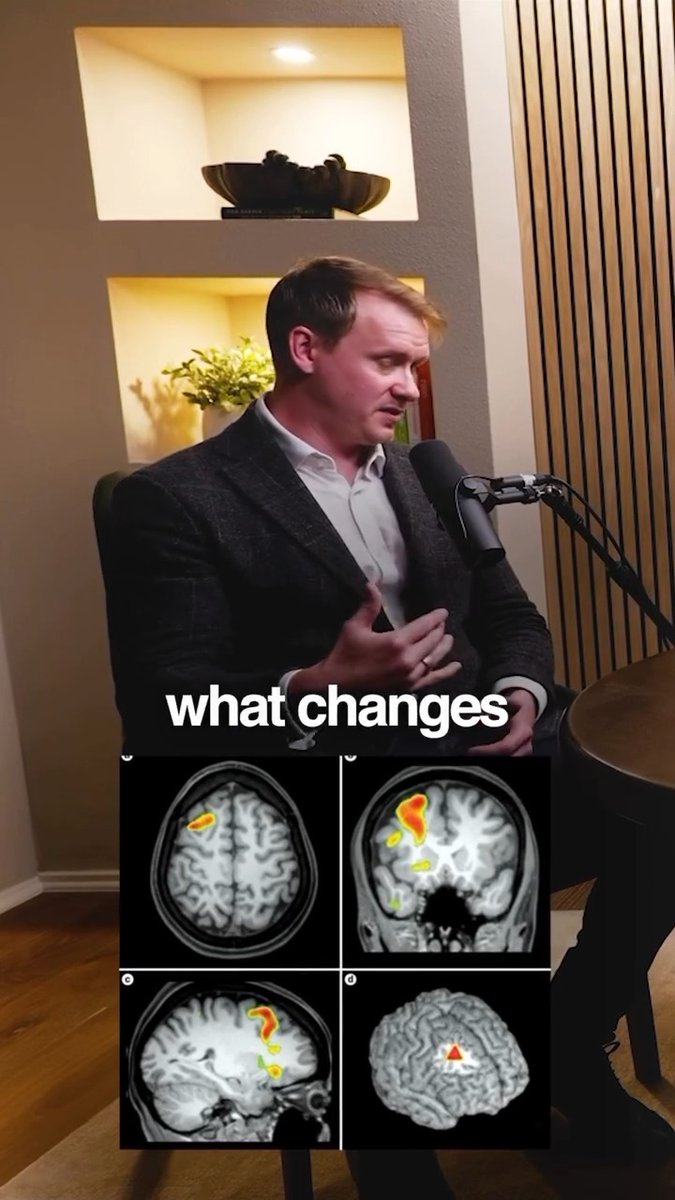
Dr. Annette Bosworth (Dr. Boz) just issued the ultimate keto acceleration protocol on Diary of a CEO:“ The Sardine Challenge: Eat THREE cans of sardines per day for 3 days.” She’s been strict keto for 10 years and says this is the fastest way she’s ever seen to reach...

508,671 views • 10 months ago •via X (Twitter)

0 Comments

No comments available

Comments from the original post will appear here

Related Videos

What if the best performance hack isn’t a supplement… it’s literally deleting sugar? In the Diary of a CEO episode, Dr. Annette Bosworth (Dr. Boz) dropped absolute gold on Steven Bartlett that’s going to make a lot of people rethink everything about carbs. She’s had thousands of patients living in deep ketosis for YEARS with zero downsides. The second they eat carbs again? → Joints ache in 1–2 weeks → Brain fog returns like clockwork → Mood crashes → Vision even gets blurry Her words: “It’s like giving your brain a minor concussion when sugar comes back.” But the athletic part is where it gets insane: Military studies showed soldiers fully keto-adapted for 18 months had almost 50% MORE power than their carb-eating counterparts. At 6 months they were already 20% stronger — while weighing less. Why? Muscle learns to burn fat (an endless, cleaner fuel) instead of glucose. Inflammation plummets, so recovery after heavy deadlifts or any brutal session is dramatically faster — especially once you hit your 30s and 40s. One catch: the first 4–8 weeks of adaptation can feel rough for high-intensity stuff. Start keto 3 weeks before a marathon and you’ll hate life. Give it 6–18 months? You’ll never look back. 4:03 clip attached — watch Dr. Boz explain it perfectly. If you lift, play sport, or just want your brain firing on all cylinders into your 40s, 50s and beyond… is this the cheat code we’ve all been sleeping on?

Camus

70,133 views • 9 months ago

She was 41, had Down syndrome and full-blown Alzheimer’s. In her entire life, she had NEVER spoken a three-syllable word. The longest thing she could say was “Mom-ma”. Then her mother put her on a strictly measured ketogenic diet. Three weeks later — 21 days — she looked at her mom in church, smiled, and clearly said: “I understand.” Her mother, who had cared for her every single day for 41 years, broke down in tears in the doctor’s office. She had never heard her daughter string three syllables together. Ever. This is a real patient story told by Dr. Annette Bosworth on Steven Bartlett’s Diary of a CEO. The same patient lost another 20 lbs, started doing household jobs again, left the house willingly, and — according to her lifelong caregiver — had the best brain function her mom had ever witnessed. This is NOT medical advice. This is NOT a claim that keto cures Alzheimer’s (it doesn’t — yet). This is one extraordinary anecdote that lines up with what scientists are seeing in early research: - Alzheimer’s brains struggle to burn glucose (“Type 3 diabetes”) - Ketones bypass that defect and fuel the brain more efficiently - Small human studies show temporary memory & cognition improvements in mild Alzheimer’s - Bigger, longer trials are urgently needed But when you watch a mother cry because her daughter spoke a full sentence for the first time at age 41… …it’s hard not to feel something massive is being uncovered. Watch the 4-minute clip. This is the kind of story that should make researchers run, not walk, to the lab. Important: This is an individual case. Results are not typical. Ketogenic diets carry risks and are not suitable for everyone. Always consult your doctor before making major dietary changes, especially with neurological conditions.

Camus

1,470,436 views • 9 months ago

🚨 “LOW TO VERY HIGH DOSES.” DR. WILLIAM MAKIS’ IVERMECTIN PROTOCOL FOR PARASITES, CANCER, FAMILY HISTORY & NEUROLOGICAL CONDITIONS Ivermectin is best known as an antiparasitic medicine. But Dr. William Makis discusses a much broader range of potential applications, including Parkinson’s disease, Alzheimer’s disease and cancer-related protocols. The accompanying Ivermectin protocol graphic organizes his reported dosing framework into four tiers. 📋 Ivermectin dosage framework shown in the chart Ivermectin Dosage Guide 🟢 LOW Anti-parasitic: 0.0267 g/kg • 3 days on, 4 days off • Minimum 7 weeks • Supplements: OFF days Cancer remission: 222 mg • 3 days on, 4 days off • Minimum 7 weeks • Supplements: OFF days Family history: 444 mg • 3 days on, 4 days off • Minimum 7 weeks • Supplements: OFF days 🟡 MEDIUM Anti-parasitic / most cancers: 0.0535 g/kg • 6 days on, 1 day off • Until remission • Minimum 3 months Cancer: 444 mg • 6 days on, 1 day off • Until remission • Minimum 3 months 🔵 HIGH Aggressive cancers: 0.1070 g/kg • 6 days on, 1 day off • Until remission Leukemia, pancreatic, brain: 888–1,000 mg split doses • 6 days on, 1 day off • Until remission 🔴 VERY HIGH Terminal, metastatic cancers: 0.1337 g/kg • 6 days on, 1 day off • Short term Cancer: 1,500 mg split doses • 6 days on, 1 day off • Maximum 5 days ⚠️ Do not start any treatment without guidance from a doctor or qualified physician. 🧠 Then comes the neurological angle Makis says the neurological conditions where he has seen what he describes as the most success are: Parkinson’s disease + Alzheimer’s disease 1️⃣ Parkinson’s disease Makis describes cases involving what he calls high-dose Ivermectin, specifically mentioning: 60 mg → 72 mg He reports improvements in: • Movement • Mobility • Symptoms One patient he describes was barely mobile despite maximum standard treatment. After several weeks of high-dose Ivermectin, he says the patient started playing golf again, despite having been unable to play for years. He also says he has seen what he describes as reversal in a number of Parkinson’s patients. 2️⃣ Alzheimer’s disease This is where Makis says the stories became even more striking. He describes families reporting that elderly patients: • Recognized relatives again • Remembered people they had not recognized for years • Started reminiscing • Recalled old memories • Showed improved cognitive ability For these cases, he specifically discusses: 12 mg → 24 mg of Ivermectin He describes these amounts being used for several days in the cases he discusses. One particularly striking account involves a patient who was reportedly taken off hospice after improving. And the family reaction? “My grandma’s back.” Antiparasitic conditions. Cancer remission. Family history. Aggressive cancers. Metastatic cancers. Parkinson’s disease. Alzheimer’s disease. Different conditions. Different reported applications. Different reported dosing approaches. But one medicine: 💊 Ivermectin. 🔥 The breadth of the discussion is hard to ignore From an established antiparasitic medicine to reported applications involving cancer, Parkinson’s and Alzheimer’s, Ivermectin is now part of a much broader research conversation. Different conditions. Different reported experiences. One medicine generating very different questions across medicine. From antiparasitic protocols to reported cancer applications, Parkinson’s and Alzheimer’s cases, this video + protocol chart covers a lot. 🗨️ Which area deserves the most research attention: cancer, Parkinson’s, Alzheimer’s, parasites, or something else? 🔖 SAVE this post so you have Ivermectin dosing framework and the full video discussion handy. 🔄 REPOST to help others discover the broader research and clinical discussions surrounding Ivermectin. 💊 Looking for Ivermectin? Discover available options at RXMEDS.STORE with worldwide delivery. #Ivermectin #CancerResearch #Parkinsons #Alzheimers #Neurology #RepurposedMedicine #MakisMD #RxMeds

RXMEDS.STORE

14,786 views • 3 days ago