正在加载视频...

视频加载失败

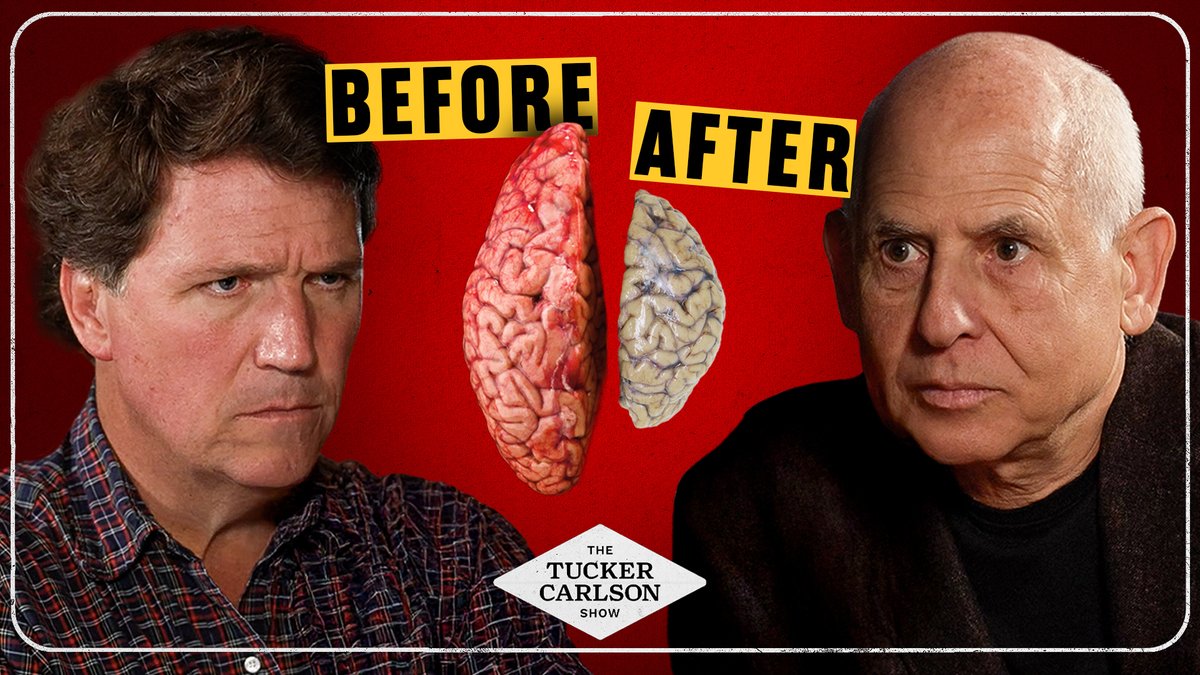
Dr. Daniel Amen (MIT study bombshell): Kids using AI to write papers show significantly less brain activity than those who do it themselves. It's like going to the gym and lifting 2 pounds instead of 25 — or just sitting on the couch eating Doritos. Your brain is a...

12,018 次观看 • 6 个月前 •via X (Twitter)

0 条评论

暂无评论

原始帖子的评论将显示在这里

相关视频

Of the 11 major risk factors for Alzheimer's, how many are you actively managing? According to renowned psychiatrist and brain disorder specialist Dr. Daniel Amen, a staggering 50% of Alzheimer's cases are preventable. The key, he explains, is to understand and address the 11 major risk factors, which he summarizes with the acronym BRIGHT MINDS. In a compelling discussion, Dr. Amen outlined several of these critical factors: - B is for Blood Flow: This is the #1 brain imaging predictor. Protect it by managing blood pressure, staying active, and being mindful of substances like excessive alcohol, marijuana, nicotine, and too much caffeine. - R is for Retirement & Aging: As we age, brain health requires more intention. Notably, Dr. Amen points to new research showing that marijuana use in those under 50 is associated with a 600% increased risk of heart attack, highlighting its negative impact on our blood vessels. - I is for Inflammation: A major culprit behind dementia. Combat it by avoiding ultra-processed foods, ensuring adequate Omega-3s, and surprisingly—flossing your teeth nightly to prevent gum disease and low-grade oral infections. - H is for Head Trauma: A major cause of not only psychiatric issues but also substance abuse, as it often damages the frontal lobes and impairs impulse control. - T is for Toxins: This includes drugs, alcohol, mold, and even the products we put on our bodies. Dr. Amen shared a powerful anecdote about a patient whose brain scan deteriorated significantly after general anesthesia, underscoring that it can be toxic to the brain and increase dementia risk. The takeaway is empowering: by loving your brain and taking a proactive, preventative approach to these risk factors, you can dramatically shift your cognitive future. Your brain is your most precious asset. How will you protect it today?

Camus

17,892 次观看 • 8 个月前

THIS GUY CONNECTED HIS AI AGENTS TO HIS OBSIDIAN AND BUILT A BRAIN THAT LEARNS ON ITS OWN. HERE'S HOW TO BUILD IT Obsidian is just markdown files sitting in a folder. That turns out to be the perfect memory for an AI agent, because an agent can read and write those files directly. He wired his agents into the vault so they pull context from it, do the work, and write what they learned back. The notes aren't the point. The loop is, and it gets sharper every cycle How to build it: 1. Point an agent at your vault. The fastest way, no plugins, no API keys: open a terminal and run npx obsidian-mcp /path/to/your/vault. That exposes your Obsidian folder to Claude as a tool it can read, search, and write to. Add it to your Claude Code or Cowork config and restart 2. Confirm it can see the brain. Ask it: "list the notes in my vault and summarize what's in them." If it reads them back, the connection is live. Now it starts every task with everything the vault already holds instead of from zero 3. Give each agent one job and a write-back rule. Tell it: "research this, then save what you found as a new note in /brain with links to related notes." One agent researches, one summarizes, one plans. Each writes its output back into the vault 4. Close the loop. Add one line to every agent's instructions: "read /brain before starting, write your result back when done." Now each task leaves the vault richer, and the next run reads that before it works. It compounds instead of resetting 5. You only steer. Review what the brain produces, point it at the next thing. The agents handle the reading, writing, and connecting The edge isn't better notes. It's a brain that feeds itself, so the work gets sharper every cycle instead of starting over Bookmark this

Yarchi

58,186 次观看 • 1 个月前