Загрузка видео...

Не удалось загрузить видео

На главную

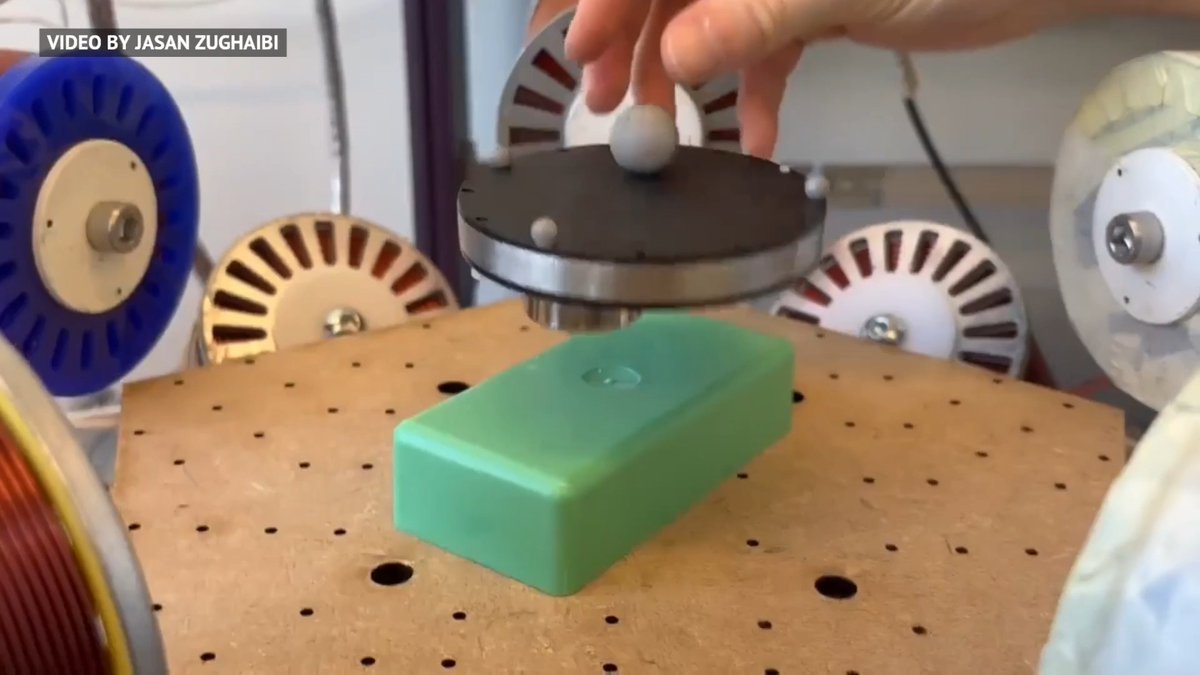
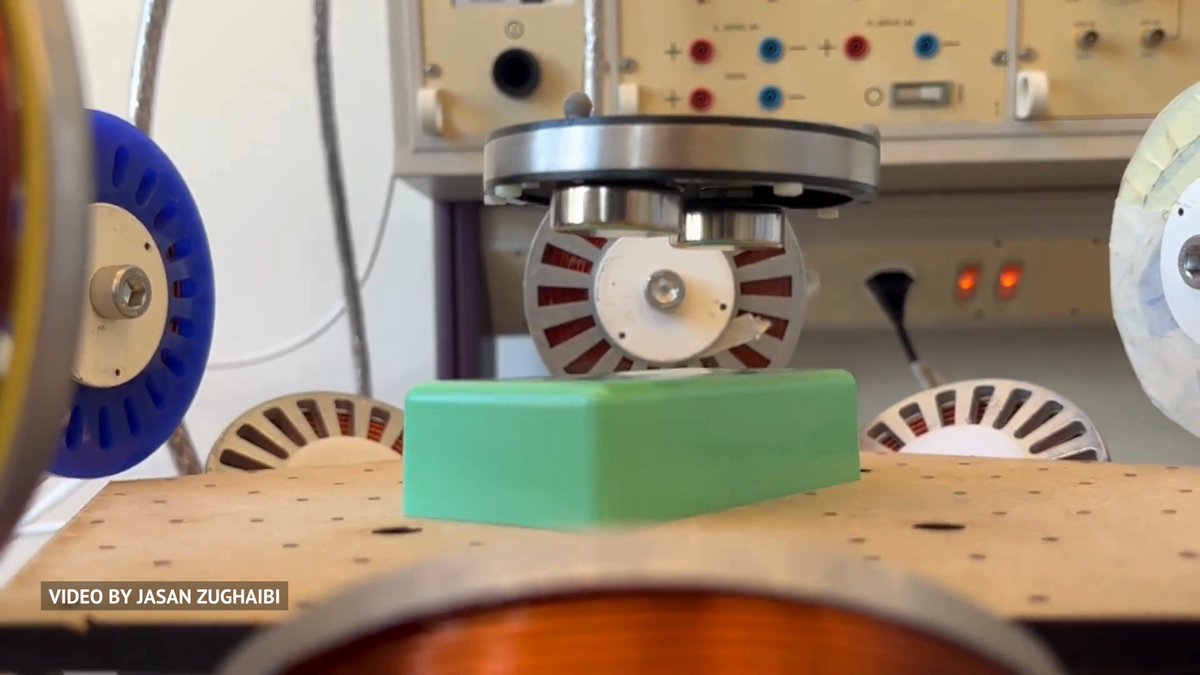
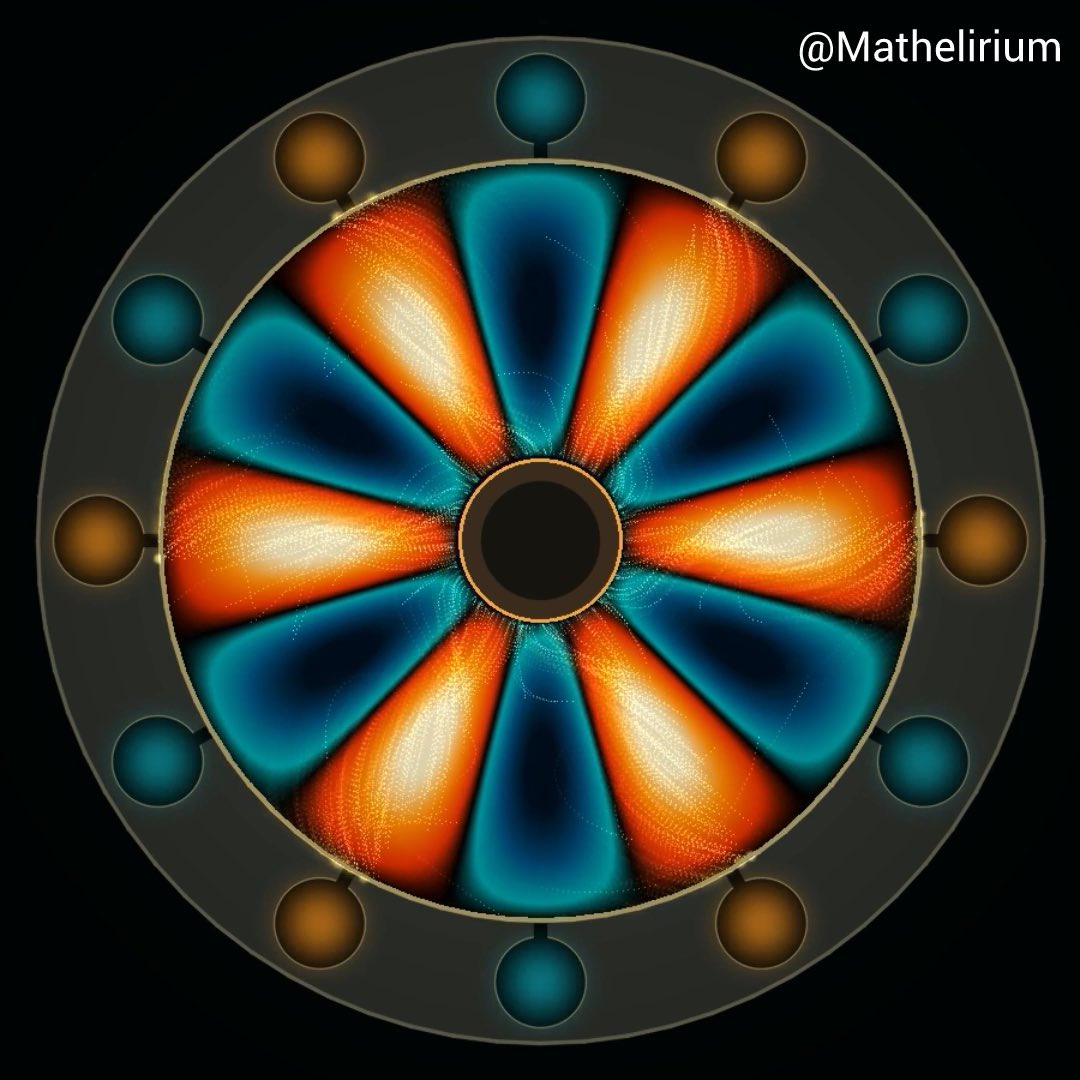
Ever wondered how a motor can spin without any wires actually touching the moving part?✍️ ε = -N (ΔΦ / Δt) This is a Three-Phase Induction Motor. By using alternating current, it creates a rotating magnetic field that drags the non-magnetic rotor along via electromagnetic induction. Since the aluminum...

43,590 просмотров • 5 месяцев назад •via X (Twitter)

Комментарии: 0

Нет доступных комментариев

Здесь появятся комментарии из оригинального поста

Похожие видео

If you hold a fluorescent tube under a power line, it will light up and glow without being plugged in This works because of the strong alternating electric field and electromagnetic induction from the high-voltage power lines inducing a voltage across the fluorescent tube. This charge is enough to ionize the gas inside and make it glow A fluorescent tube is a sealed glass tube with low-pressure mercury vapor and phosphor coating. It doesn’t need a full wired circuit to start glowing. It just needs a high enough voltage difference between its two ends to create an electric discharge through the gas By holding the fluorescent tube vertically under the lines: - One end is closer to the high-voltage field - While the other end is relatively more “grounded” through your body, the air or the ground This creates enough potential difference along the tube’s length to ionize the gas and light it up Obviously I know what we’re all thinking… this can’t be healthy to live next to these things, and you’re right. There are real health risks High-voltage lines produce extremely low frequency (ELF) electric and magnetic fields The WHO classifies ELF magnetic fields as “possibly carcinogenic” Childhood leukemia: Some studies show a small elevated risk of 1.5–2x in pooled analyses for kids with higher exposures Adult cancers, neurological issues and miscarriages have been reported by debated on cause

Wall Street Apes

45,631 просмотров • 3 месяцев назад

For decades, biologists argued that birds migrate using magnetic fields, and that cryptochrome proteins in their eyes help them figure out where to fly. But the evidence for this has always been flimsy. In 1972, Wolfgang and Roswitha Wiltschko captured migratory European robins, put them in cages, covered the cages with a blanket, and wrapped electric coils around them. Once the birds lost their view of the sky, they still tried to move, or "hop," in the direction of their normal migration route. But when the Wiltschkos flipped the magnetic field around, the robins started hopping in random directions. They took this as evidence that, somehow, birds migrate using a magnetic sense. (Not bad!) In 2000, three theoretical biophysicists in Illinois, Ritz, Adem, and Schulten, proposed a mechanism for that magnetic sense. They argued that when blue light hits a receptor in the eye, it might create something called a "radical pair," locking two electrons into a spin state that a magnetic field could then nudge. They suggested that cryptochromes, light-sensitive proteins in the retina, might be responsible. (Speculative!) And then, in 2021, researchers apparently confirmed this! They took cryptochrome proteins from a type of migratory robin and put them in a test tube. They shone blue light at the proteins and found that this light induced them to form that transient "radical pair" state. And finally, they showed that magnetic fields could change this photochemistry where, in the presence of a magnetic field, the proteins formed fewer of these radical pairs, because the field forced a larger fraction of the excited molecules to ‘collapse’ back to their resting state. The experiment they used to measure this, though, has almost nothing to do with biology. You literally isolate the proteins, bombard them with a blue laser and, after each pulse, measure how much light the proteins absorb. For the robin cryptochrome protein, adding a magnetic field changed the absorbance *slightly.* But here’s the caveat: All of this was done in vitro, in a test tube, in a water-based buffer (rather than a cell). And, even worse, the experiment was done at 5 degrees Celsius (waaaay colder than the bird’s normal temperature) and at a low pH. And even after all this tinkering, they still *barely* saw a magnetic response! The news media didn't report many of these caveats. I randomly pulled one story from Science News and another from the University of Oxford, and neither even mentioned that the researchers ran the experiment at low temperature. The Oxford writeup actually hyped the result up more than the paper itself; that author wrote: “…the authors think the proteins involved could be significantly more sensitive in their native environment. In cells in the retina, the proteins are probably fixed and aligned, increasing their sensitivity to the direction of the magnetic field. Moreover, they are also likely to be associated with other proteins that could amplify the sensory signals." (Wow!) When Andrew York and Maria Ingaramo, two scientist working at Calico, heard about these results, they grew skeptical and decided to search for magnetically-responsive proteins — that actually work under physiological conditions — on their own. And that search, in turn, gave rise to Nonfiction Laboratories, a company that not only has created such proteins, but is now trying to commercialize them to make magnetically controlled cancer therapies that are only active near a tumor. The clip below is from my podcast.

Niko McCarty.

21,714 просмотров • 1 месяц назад