Loading video...

Video Failed to Load

Go Home

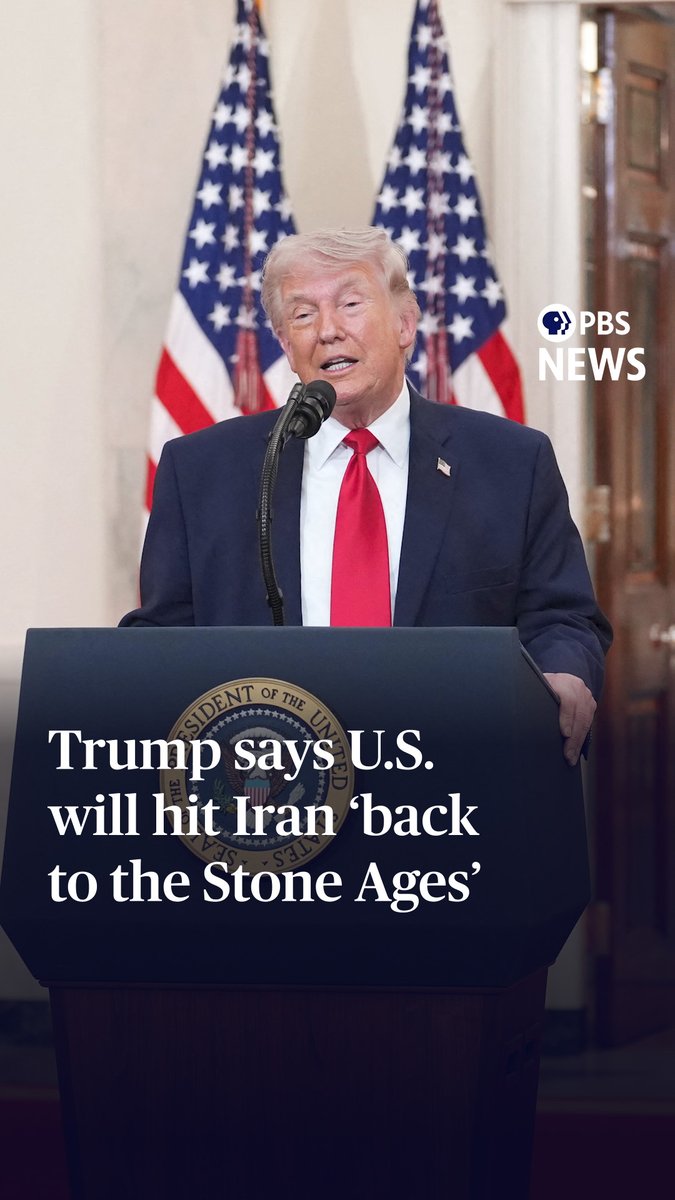
🚨🇺🇸 EX-U.S. COLONEL: THE RISKS OF TRUMP’S NEXT MOVE Daniel Davis says you can’t predict everything. One thing’s clear, Trump’s already hunting the next big move. Iran? Could get hit. Big price to pay. Venezuela? They’ll help if forced, then mess with stuff when we look away. Greenland? Europe...

32,955 views • 7 months ago •via X (Twitter)

0 Comments

No comments available

Comments from the original post will appear here

Related Videos

🇺🇸🇮🇷🇮🇱 INTERVIEW: TRUMP PREPARES FOR WAR WITH IRAN Former Army Colonel Daniel Davis is sounding the alarm: a major U.S. attack on Iran is “virtually certain”, and no one’s paying attention. A few weeks ago, everyone was waiting for airstrikes. Then the headlines moved on. But behind the scenes? Troops, tanks, warplanes, and even Delta Force have been moving into the region. Davis says Trump’s not bluffing. The goal? Not just a symbolic hit, but something much bigger: take out Iran’s leadership, crush their military, and maybe even end the regime altogether. Why risk all this? Daniel Davis Deep Dive says it's not about national security. It’s regime change. Just like Syria. Tear Iran apart, keep it weak, and walk away. The problem? That never ends well. 03:16 - Trump likely delayed Iran strike due to Netanyahu's request for more prep time 04:15 - U.S. may be preparing for a massive regional war, not just limited strikes 05:22 - If Iran sees war as existential, they may abandon self-restraint entirely 06:45 - U.S. bases in the region are less defended than Israel's Iron Dome system 07:58 - Iran likely won’t target Gulf cities—wants to avoid widening the war 09:48 - Could Iran’s Supreme Leader Khamenei be targeted in a decapitation strike? 11:12 - Iran now more prepared than during the 12-day war, no surprise possible 13:24 - Iran's missile production was moved underground and continues actively 15:21 - Delta Force capture mission like in Venezuela? Unlikely and dangerous 17:07 - Houthis and Hezbollah might rise if Iran inflicts serious damage on Israel 18:43 - Could an Iranian military success provoke an Israeli nuclear response? 20:54 - Civil war in Iran post-regime change could be worse than current regime 22:47 - Iran's ethnic diversity and separatist movements make regime change risky 24:30 - Israel may prefer chaos in Iran over a functioning successor regime 27:06 - As the world watches other crises, Ukraine quietly loses more ground 30:52 - Ukraine’s frontline collapse or grinding defeat both seem inevitable 33:45 - Europe is drifting from U.S. leadership, considering talks with Russia 36:17 - Trump might dare Europe over Greenland with a troop deployment bluff 38:09 - Trump’s behavior may be more irrational than strategic/cognitive decline? 40:03 - NATO’s future is crumbling, Europe IS preparing for post-U.S. security 43:31 - No real military or economic reason for U.S. to “take” Greenland 45:00 - Trump likely to escalate further: Iran war, Venezuela unrest, NATO collapse

Mario Nawfal

1,910,543 views • 7 months ago

🚨🇺🇸🇮🇷 COLONEL DOUGLAS MACGREGOR: HOW IRAN COULD SHUT DOWN THE WORLD’S OIL Douglas explains why mining the Strait of Hormuz would be Iran’s absolute last resort: not because they can’t do it, but because it would detonate the global economy overnight. Hormuz isn’t just a waterway, it’s the world’s most critical oil chokepoint, and Iran has thousands of naval mines, including smart mines, that could turn it into a nightmare fast. Iran doesn’t need to mine the strait right away to exert control. Instead, they already have missiles and automated weapons buried deep in the cliffs surrounding Hormuz, giving them the ability to selectively target U.S.-flagged ships while allowing others, especially oil tankers headed to China and Asia, to pass through. If the U.S. tried to neutralize those systems, it would take time and effort, and only then would mining become the desperation move. And once mines enter Hormuz, they don’t just drift away, as currents trap them in the strait, creating floating death zones that are incredibly hard to clear. He also points out the geopolitical constraint: China depends on that oil, and Iran knows it. Which is why Hormuz is basically leverage held in reserve. This is about economic warfare, patience, and knowing when to threaten the one move that hurts everyone at once. Most people never think about Hormuz, until suddenly everything costs more. Full interview with Douglas Macgregor below.

Mario Nawfal

28,153 views • 6 months ago