Video wird geladen...

Video konnte nicht geladen werden

Zur Startseite

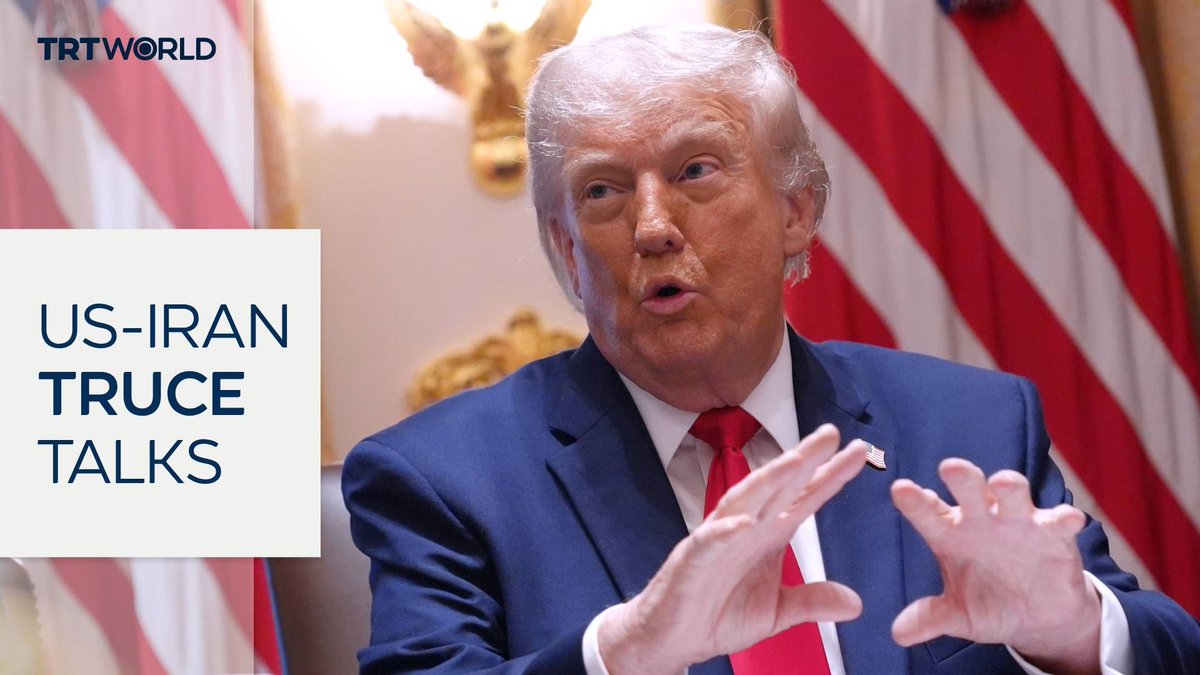
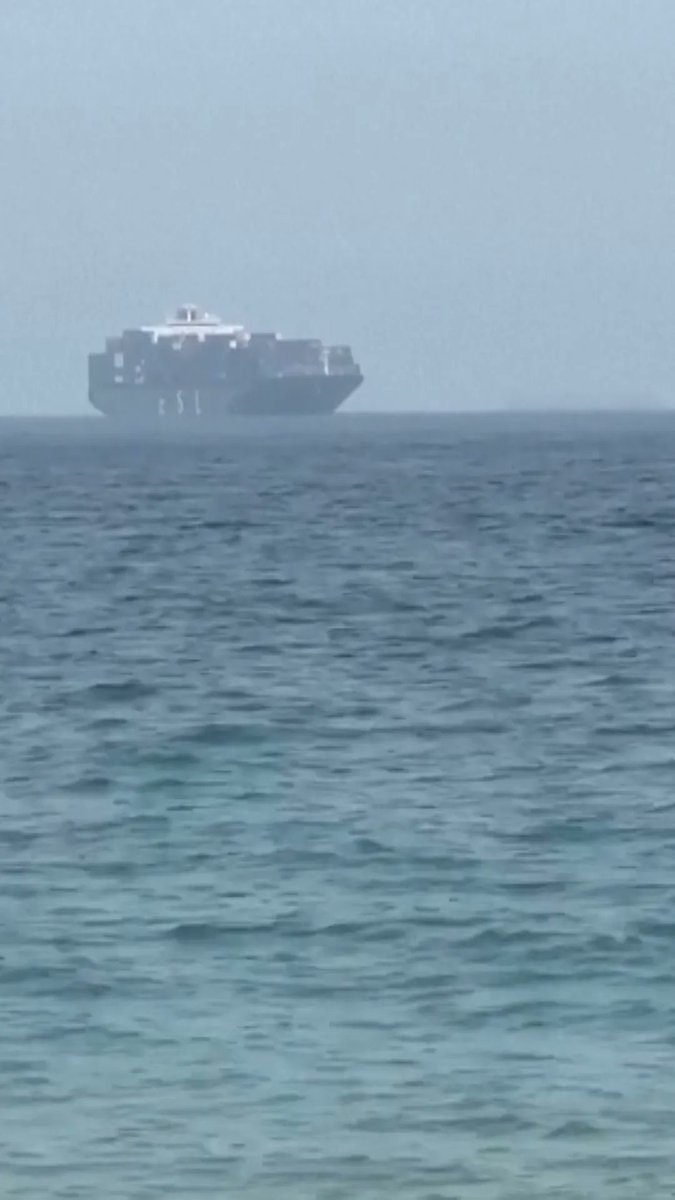
🇺🇸🇮🇷 For the first time, both sides are actually moving. Trump is reportedly open to sanctions relief and releasing frozen Iranian assets in exchange for concrete nuclear steps. Iran, meanwhile, has softened how its own demands would be implemented, including offering to reopen the Strait of Hormuz before every...

260,237 Aufrufe • vor 2 Tagen •via X (Twitter)

13 Kommentare

Profilbild von Jeremiah
Jeremiahvor 2 Tagen

Finally some real movement instead of just posturing

Profilbild von Adamer
Adamervor 2 Tagen

Iran już zdycha. Czekać cierpliwie. Potem mają kozojebcy łaskę obciągać z uśmiechem i zadowoleniem.

Profilbild von Sisi Zizi
Sisi Zizivor 2 Tagen

Midterms timing explains a lot here honestly

Profilbild von 🇺🇸Jersey Skywalker🇺🇸
🇺🇸Jersey Skywalker🇺🇸vor 2 Tagen

All Americans want this war to end, ASAP But you cannot give any credit to the MEN who started this war MAGA truly misses Obama 2015 deal 😂🫵🏼

Profilbild von leocolin22
leocolin22vor 2 Tagen

Hormuz really is the leverage nobody talks about enough

Profilbild von Psalms
Psalmsvor 2 Tagen

Not convinced yet but the incentives finally line up

Profilbild von sal🐂🀄
sal🐂🀄vor 2 Tagen

Solid breakdown, this actually makes sense strategically

Profilbild von neon wicks 📉
neon wicks 📉vor 2 Tagen

👀

Profilbild von jgitau
jgitauvor 2 Tagen

This is the first time it feels like both sides have something to lose

Profilbild von hamza builds 🔨
hamza builds 🔨vor 2 Tagen

Deal or no deal, oil prices tell the real story

Profilbild von Bitcoin Professor
Bitcoin Professorvor 2 Tagen

Iran denied this.

Profilbild von DonSimeon
DonSimeonvor 2 Tagen

What happens after midterms is the real question tho

Profilbild von tiny elena
tiny elenavor 2 Tagen

Wonder how long this window actually stays open though

Ähnliche Videos

🇺🇸🇮🇷⚠️ Trump hoped reopening the Strait of Hormuz would give him an opportunity to declare victory and wind down the war with Iran, even without securing a nuclear agreement. Tehran, however, has dramatically raised the price of a deal. According to The Wall Street Journal, Iran is demanding the withdrawal of U.S. forces from the region, an end to the naval blockade, the lifting of sanctions, the release of frozen Iranian assets, and billions of dollars in war reparations before fully reopening the Strait of Hormuz. Those demands have significantly narrowed the Trump administration’s room for maneuver. Tehran reportedly believes Washington is increasingly eager to find an exit from the conflict and is therefore using its ability to disrupt the Strait of Hormuz, and consequently a crucial portion of global oil flows, as leverage at the negotiating table. The pressure is also growing inside the United States. Gasoline prices are hovering around $4 per gallon, while the approaching midterm elections give the Trump administration a strong political incentive to stabilize energy markets and reach an agreement with Iran. The situation leaves Washington facing an increasingly difficult calculation. Accepting Tehran’s sweeping demands would represent a major concession, while renewed military escalation risks further disruption of Hormuz and another surge in global energy prices. Iran appears to understand that pressure on the Strait directly translates into economic and political pressure on Washington, and Tehran is attempting to exploit that leverage to extract concessions it could never obtain under normal circumstances.

NSTRIKE

19,620 Aufrufe • vor 1 Monat

🇮🇷🇺🇸 Iran's latest attack struck U.S military facilities in Kuwait and the UAE, but the timing may be more important than the attack itself. The previous U.S-Iran exchange had effectively stopped. Washington decided not to retaliate against Iran's last barrage and reports suggest Trump’s team is actively trying to avoid another major escalation before the midterms. Iran attacked again anyway. And to understand why, look at what Washington is doing behind the scenes. The U.S is intensifying its economic campaign against Tehran, reportedly instructing embassies around the world to pressure governments to cut Iranian trade, with countries, companies and individuals potentially threatened with sanctions or a loss of access to the dollar system. Meanwhile, the UAE has become an important partner in Washington's attempt to keep oil moving through Hormuz and tighten the economic screws on Iran. Then Iran hits U.S-linked military infrastructure in the UAE and Kuwait. That makes these strikes look less like retaliation for something America already did and more like a warning about what comes next: If Washington turns the Gulf into the infrastructure for an economic war against Iran, Tehran may turn that same infrastructure into the battlefield. And that creates a serious problem for Trump's apparent pivot from military war to economic war. Sanctions were supposed to provide a way of squeezing Iran without another major exchange of missiles. Iran may be signalling that it doesn't intend to let America separate the two. Brandon Weichert

Mario Nawfal

340,144 Aufrufe • vor 27 Tagen

🇮🇷🇺🇸 Iran is turning Hormuz into the price of ending the war, and the U.S may now face an impossible choice. Shipping through the Strait has reportedly fallen from roughly 130–140 vessels a day before the war to just SIX yesterday, and the positions on both sides appear to be getting further apart. Iran is now tying the full reopening of Hormuz to a much bigger package of demands: End the war and blockade, release frozen Iranian assets, and secure a broader regional ceasefire encompassing Lebanon and Gaza. Only then does the Strait fully reopen. Iran and Oman may be getting closer to agreeing HOW shipping would operate through Hormuz, but that doesn't mean Tehran has agreed to actually reopen it yet. And while the diplomacy drags on, the physical situation is getting worse. Kpler figures suggest oil flows have fallen to around 2.2 million barrels per day, compared with roughly 20 million barrels of oil and petroleum products transiting daily before the war. Which brings us to what may be the biggest strategic shift of the entire conflict. According to a U.S military intelligence assessment, Iran's strategic priority may increasingly be moving away from its nuclear program, and toward control of Hormuz itself. Think about what that means. For decades, Iran sought deterrence through its nuclear program, ballistic missiles and regional allies. But this war may have accidentally handed Tehran something capable of inflicting immediate economic pain on the entire world: Hormuz. "The Strait of Hormuz IS their nuclear weapon." Not literally as a military deterrent, but economically, the leverage is extraordinary, and that leaves Trump with horrible options. Accept some version of Iran's demands and potentially end the war with Tehran exercising MORE authority over Hormuz than it had before the fighting began. Or attempt to break Iranian control militarily. But the U.S military assessment warns that doing so could be lengthy, costly, and deadly, with no guarantee it would even work. The Iran war may not actually be ending; it may simply be frozen, with both sides waiting for the moment when they think they can win the next round.

Mario Nawfal

366,811 Aufrufe • vor 1 Monat

🇮🇷🇺🇸 Prof. Mohammad Marandi: Iran isn’t interested in another deal. It’s waiting for America to honor the last one. Washington appears to be betting that economic pressure will eventually force Iran back to the negotiating table. Prof. Mohammad Marandi thinks that fundamentally misunderstands Tehran’s position. Iran, he says, believes the negotiation is already over. Trump signed an agreement. Tehran now expects Washington to implement it, and until that happens, Marandi says there will be no new negotiations. “We have a deal. You signed that piece of paper. Whenever you implement the deal, then come talking.” That creates a dangerous problem. The U.S. is continuing its economic siege while Iran has explicitly warned that if Washington succeeds in seriously damaging its economy, Tehran will respond militarily. Iran cannot sanction American banks or shut down the U.S. economy, Marandi argues, so its response would be against U.S. economic assets, or assets it considers linked to Washington, across the region. Then America faces pressure to retaliate. And the cycle starts again. Marandi says a larger war in the coming weeks or months is now a serious possibility, whether triggered by Iranian retaliation, a desperate U.S. escalation, or another Israeli attack that pulls Washington back in. The two sides aren't negotiating toward the same finish line anymore. Washington is waiting for Iran to concede. Iran, meanwhile, is waiting for Washington to concede first. Seyed Mohammad Marandi

Mario Nawfal

335,898 Aufrufe • vor 18 Tagen

Military and political analyst Elijah Magnier says the clearest sign the U.S lost the Iran war is that nobody is talking about Tehran's nuclear program anymore; they're fighting over the Strait of Hormuz. America went into this focused on Iran's nuclear program, its ballistic missiles, and regional proxies. Now Trump is arguing about who gets to control Hormuz, and Elijah thinks that tells you everything about how badly the original strategy failed. Iran's missile programme is still operational, its nuclear programme has been pushed into future negotiations, and its regional proxies remain part of Tehran's strategic calculations. Yet Washington's attention is now almost entirely consumed by a source of Iranian leverage that barely existed before the war: Hormuz. Elijah says Iran has effectively pulled off a strategic sleight of hand. For years, the world obsessed over Tehran's nuclear programme while Iran quietly built an enormous missile arsenal. Those missiles eventually gave Iran the ability to absorb American and Israeli attacks and continue retaliating across the region. Now he thinks they're doing it again. Everyone is staring at the Strait of Hormuz. Meanwhile, Iran is rebuilding missiles, maintaining its regional relationships, and buying time on the nuclear issue. Trump even briefly proposed charging ships a 20% fee to pass through the Strait. That lasted barely 24 hours before he replaced it with demands for massive Gulf investment in America. To Elijah, the whole episode exposed something much deeper. Washington says this is about freedom of navigation. But Trump accused Iran of monetizing Hormuz, then immediately tried to monetize it himself. Suddenly, the argument wasn't whether the Strait should be used as leverage; it was who gets to control it and collect the money, and Iran jumped on the contradiction immediately. Elijah's argument is that Trump has trapped himself. He entered the war determined to strip Iran of its leverage, but instead, he's handed Tehran a weapon it didn't have before. Elijah J. Magnier 🇪🇺

Mario Nawfal

317,382 Aufrufe • vor 2 Monaten