Video yükleniyor...

Video Yüklenemedi

Ana Sayfaya Dön

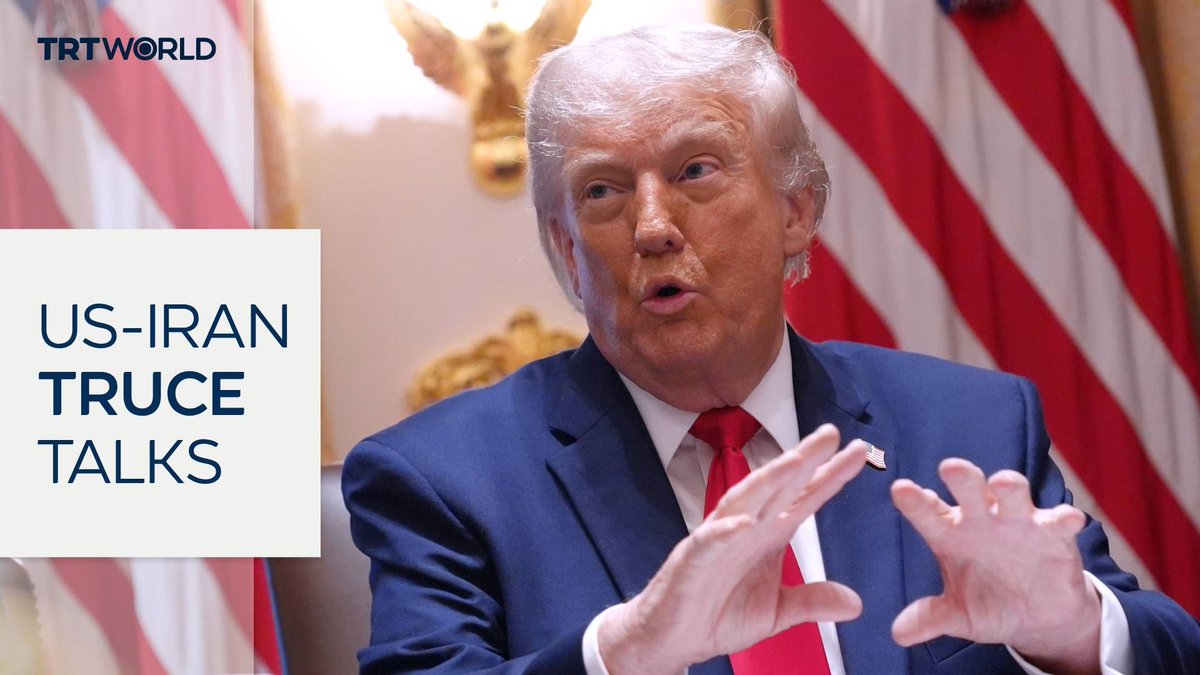
🇺🇸🇮🇷 Something genuinely different is happening between Washington and Tehran. U.S. and Iranian negotiators are discussing a phased agreement that could reopen the Strait of Hormuz in exchange for Washington lifting its economic blockade and potentially releasing frozen Iranian assets. Iran is even reportedly considering setting aside its demand...

326,217 görüntüleme • 6 gün önce •via X (Twitter)

5 Yorum

RAY profil fotoğrafı
RAY6 gün önce

the strait reopens on paper long before a single tanker changes its route

AEK_ profil fotoğrafı
AEK_6 gün önce

when both diplomacy and escalation are on the table at the same time, every headline matters.

Alaska Pants profil fotoğrafı
Alaska Pants6 gün önce

I’m going over to YouTube to watch this!

David Jon Hauschild profil fotoğrafı
David Jon Hauschild6 gün önce

Fool me once ... 😉

Bill Mclhenny profil fotoğrafı
Bill Mclhenny6 gün önce

well you actually didnt say a fcn thing!

Benzer Videolar

🇮🇷🇺🇸 Iran's latest attack struck U.S military facilities in Kuwait and the UAE, but the timing may be more important than the attack itself. The previous U.S-Iran exchange had effectively stopped. Washington decided not to retaliate against Iran's last barrage and reports suggest Trump’s team is actively trying to avoid another major escalation before the midterms. Iran attacked again anyway. And to understand why, look at what Washington is doing behind the scenes. The U.S is intensifying its economic campaign against Tehran, reportedly instructing embassies around the world to pressure governments to cut Iranian trade, with countries, companies and individuals potentially threatened with sanctions or a loss of access to the dollar system. Meanwhile, the UAE has become an important partner in Washington's attempt to keep oil moving through Hormuz and tighten the economic screws on Iran. Then Iran hits U.S-linked military infrastructure in the UAE and Kuwait. That makes these strikes look less like retaliation for something America already did and more like a warning about what comes next: If Washington turns the Gulf into the infrastructure for an economic war against Iran, Tehran may turn that same infrastructure into the battlefield. And that creates a serious problem for Trump's apparent pivot from military war to economic war. Sanctions were supposed to provide a way of squeezing Iran without another major exchange of missiles. Iran may be signalling that it doesn't intend to let America separate the two. Brandon Weichert

Mario Nawfal

340,144 görüntüleme • 27 gün önce

🇮🇷🇺🇸 Dimitri Lascaris: Iran is no longer letting America choose when the war starts For months, the U.S. has enjoyed one enormous advantage over Iran: Washington could decide when to fight. Strike Iran, pause when American forces needed to regroup, replenish weapons and rotate exhausted assets, then resume operations when conditions were favorable. Dimitri Lascaris thinks Tehran has finally decided to take that advantage away. Iran has now announced a shift from a defensive to an offensive posture and reportedly struck U.S. facilities in Jordan and Kuwait on the belief that attacks against Iran were being prepared. Then came another escalation. After the U.S. attacked Iranian oil tankers, Iran reportedly launched ballistic missiles at two U.S. Navy warships operating around Hormuz. Lascaris argues this isn't simply retaliation. It's Tehran attempting to seize control of the clock. If Iran always waits for America to fire first, Washington gets to choose the moment when its ships are positioned, its magazines are stocked and its forces are ready. So Iran is increasingly refusing to wait. And Lascaris sees little evidence the strategy is breaking Tehran. He argues the U.S. blockade is itself becoming harder to sustain as American forces operate from increasingly distant logistics hubs, while Iran continues finding ways to move oil through Hormuz and conduct ship-to-ship transfers beyond it. Washington wanted to determine when this war was hot and when it was cold. Lascaris thinks Iran has decided that privilege is over. Brandon Weichert Dimitri Lascaris

Mario Nawfal

240,580 görüntüleme • 25 gün önce

🇮🇷🇺🇸 Iran has reportedly given Washington a new ultimatum: return to diplomacy and lift the naval blockade within “a few weeks,” or Tehran will expand the war. Iran says the previous 60-day MOU deadline is meaningless because Washington violated the agreement before negotiations even began. The new deadline is different. This one is coming from Tehran. And the pressure is already visible. Shipping through the Strait of Hormuz has fallen to a near standstill, with only five commodity vessels reportedly transiting Saturday and none Sunday, compared with 31 the previous weekend. The dispute at the center of everything is Hormuz. Iran wants control over passage and the ability to charge fees. Washington appears unwilling to accept that, making the Strait the central bargaining chip in the entire conflict. Trump, meanwhile, claims the U.S. has “total control” of Hormuz, says he is communicating with the IRGC, and has threatened Oman if it obstructs efforts to reopen the Strait. The IRGC has publicly denied that any backchannel negotiations with Washington are taking place. That leaves both sides claiming leverage while preparing for another round of escalation. Iran is reportedly shifting from a defensive posture to an offensive one, with officials warning that a failed diplomatic process could bring attacks on Gulf infrastructure, internet cables and other regional targets. The bigger concern is that Tehran appears to be preparing for a long war rather than assuming another ceasefire will hold. Inside Iran, authorities are also tightening restrictions, including proposed criminal penalties for unauthorized contact with foreign media, foreign-funded organizations and scientific institutions. Meanwhile, the U.S. is dealing with growing questions about military morale, political constraints and whether Washington actually has a viable off-ramp. The core problem is becoming increasingly difficult to escape: Iran believes Washington will eventually try to escalate again. Washington cannot easily accept Iran gaining control over Hormuz. And neither side appears willing to concede the point that matters most. The next few weeks could determine whether this remains a standoff or becomes the next phase of the war. Brandon Weichert

Mario Nawfal

299,393 görüntüleme • 1 ay önce

🇺🇸🇮🇷⚠️ Trump hoped reopening the Strait of Hormuz would give him an opportunity to declare victory and wind down the war with Iran, even without securing a nuclear agreement. Tehran, however, has dramatically raised the price of a deal. According to The Wall Street Journal, Iran is demanding the withdrawal of U.S. forces from the region, an end to the naval blockade, the lifting of sanctions, the release of frozen Iranian assets, and billions of dollars in war reparations before fully reopening the Strait of Hormuz. Those demands have significantly narrowed the Trump administration’s room for maneuver. Tehran reportedly believes Washington is increasingly eager to find an exit from the conflict and is therefore using its ability to disrupt the Strait of Hormuz, and consequently a crucial portion of global oil flows, as leverage at the negotiating table. The pressure is also growing inside the United States. Gasoline prices are hovering around $4 per gallon, while the approaching midterm elections give the Trump administration a strong political incentive to stabilize energy markets and reach an agreement with Iran. The situation leaves Washington facing an increasingly difficult calculation. Accepting Tehran’s sweeping demands would represent a major concession, while renewed military escalation risks further disruption of Hormuz and another surge in global energy prices. Iran appears to understand that pressure on the Strait directly translates into economic and political pressure on Washington, and Tehran is attempting to exploit that leverage to extract concessions it could never obtain under normal circumstances.

NSTRIKE

19,620 görüntüleme • 1 ay önce

🇺🇸🇮🇷 For months, the strangest feature of the Iran war has been how carefully both sides have escalated it. Trita Parsi thinks that may be ending. “𝘞𝘩𝘢𝘵 𝘶𝘴𝘦𝘥 𝘵𝘰 𝘣𝘦 𝘷𝘦𝘳𝘺 𝘤𝘢𝘭𝘪𝘣𝘳𝘢𝘵𝘦𝘥 𝘦𝘴𝘤𝘢𝘭𝘢𝘵𝘪𝘰𝘯 𝘮𝘢𝘺 𝘴𝘵𝘢𝘳𝘵 𝘣𝘦𝘤𝘰𝘮𝘪𝘯𝘨 𝘶𝘯𝘤𝘰𝘯𝘵𝘳𝘰𝘭𝘭𝘢𝘣𝘭𝘦 𝘦𝘴𝘤𝘢𝘭𝘢𝘵𝘪𝘰𝘯.” Washington and Tehran have repeatedly climbed the ladder while deliberately avoiding steps that could trigger something much larger. The U.S. even kept Israel out of the second round, Parsi says, partly because Washington feared Israel would escalate beyond the level it was prepared to manage. Yemen now threatens to break that system. A U.S. attack on the Houthis could trigger Iranian retaliation or action by Iraqi militias. Parsi even raises scenarios in which Kuwait or Bahrain become engulfed and the political map of the Gulf begins changing beyond anyone’s control. “𝘛𝘩𝘦 𝘱𝘢𝘵𝘩𝘸𝘢𝘺𝘴 𝘵𝘰𝘸𝘢𝘳𝘥𝘴 𝘥𝘦-𝘦𝘴𝘤𝘢𝘭𝘢𝘵𝘪𝘰𝘯 𝘸𝘪𝘭𝘭 𝘣𝘦𝘤𝘰𝘮𝘦 𝘮𝘶𝘤𝘩, 𝘮𝘶𝘤𝘩 𝘧𝘦𝘸𝘦𝘳.” And here is the maddening part: diplomacy is actually happening. Qatar and Pakistan are heavily involved. Iran and Saudi Arabia are talking directly. Parsi says Tehran is even showing new flexibility, potentially accepting a final agreement different from the existing MOU if negotiations begin from it. But both Washington and Tehran increasingly doubt the other side actually wants a deal. That may be the most dangerous stage of a war. Not when diplomacy disappears. When diplomacy still exists, but nobody trusts it enough to use it. Trita Parsi

Mario Nawfal

252,497 görüntüleme • 9 gün önce

🇮🇷🇺🇸 Iran is turning Hormuz into the price of ending the war, and the U.S may now face an impossible choice. Shipping through the Strait has reportedly fallen from roughly 130–140 vessels a day before the war to just SIX yesterday, and the positions on both sides appear to be getting further apart. Iran is now tying the full reopening of Hormuz to a much bigger package of demands: End the war and blockade, release frozen Iranian assets, and secure a broader regional ceasefire encompassing Lebanon and Gaza. Only then does the Strait fully reopen. Iran and Oman may be getting closer to agreeing HOW shipping would operate through Hormuz, but that doesn't mean Tehran has agreed to actually reopen it yet. And while the diplomacy drags on, the physical situation is getting worse. Kpler figures suggest oil flows have fallen to around 2.2 million barrels per day, compared with roughly 20 million barrels of oil and petroleum products transiting daily before the war. Which brings us to what may be the biggest strategic shift of the entire conflict. According to a U.S military intelligence assessment, Iran's strategic priority may increasingly be moving away from its nuclear program, and toward control of Hormuz itself. Think about what that means. For decades, Iran sought deterrence through its nuclear program, ballistic missiles and regional allies. But this war may have accidentally handed Tehran something capable of inflicting immediate economic pain on the entire world: Hormuz. "The Strait of Hormuz IS their nuclear weapon." Not literally as a military deterrent, but economically, the leverage is extraordinary, and that leaves Trump with horrible options. Accept some version of Iran's demands and potentially end the war with Tehran exercising MORE authority over Hormuz than it had before the fighting began. Or attempt to break Iranian control militarily. But the U.S military assessment warns that doing so could be lengthy, costly, and deadly, with no guarantee it would even work. The Iran war may not actually be ending; it may simply be frozen, with both sides waiting for the moment when they think they can win the next round.

Mario Nawfal

366,811 görüntüleme • 1 ay önce