Загрузка видео...
Не удалось загрузить видео
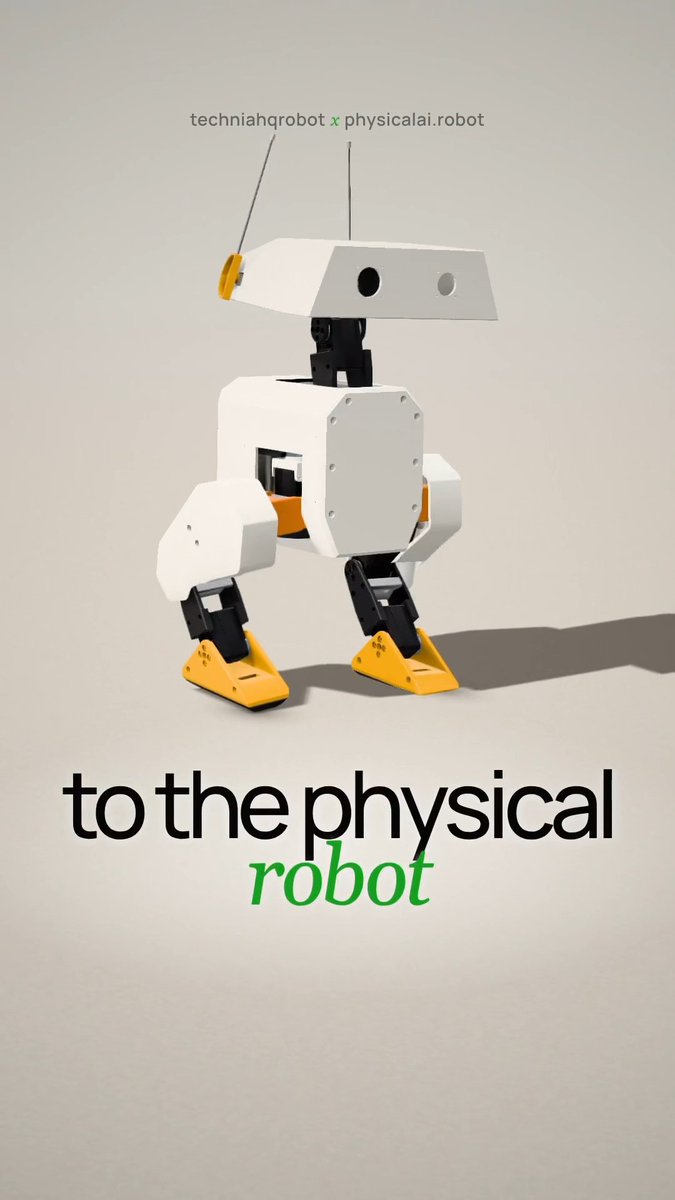
Haven't seen any demos of using vibe coding to prototype gadgets like this So I made one. Everything here is generated with code Parts of the code and logic can even be reused on a Raspberry Pi to build the real thing Some tips ↓

117,792 просмотров • 3 месяцев назад •via X (Twitter)
Комментарии: 60

The idea came to me while I was playing around with my electronic circuit app. What if, instead of generating just the circuit, you could generate the entire device🤔
You can start with a sketch, or even something as simple as "give me a device with a few buttons," then progressively refine it. You can also start from an image, but don't expect the first result to match it perfectly. there are some limits.
You're probably not going to get a polished result like this from the first prompt, and that's actually a good thing if you want to explore different ideas. By default, the model tends to use Three.js primitives, which aren't very polished. You can ask it to use things like lathe geometries, extrude geometries, or even custom geometries, but those require significantly more tokens to generate and maintain. I usually get the overall shape and interactions working first, then spend the tokens on refining the design
There's still a limit to what you can achieve, even with custom geometries, especially when you're vibe coding. If you're not familiar with Three.js geometries, it's worth browsing the examples to get a feel for what's practical. The same applies to materials. You can ask the model to make a part look like metal, wood, plastic, or glass, but there are limits to how realistic it can get
Another token saving tip: if you just need to tweak a position or rotation slightly, don't ask the model to make tiny adjustments over and over. Instead, ask it to add a slider so you can fine tune the value yourself, then tell the model the final value once you're happy with it.
Another thing I've been experimenting with is converting frontend code into hardware code. For example, you could build an app that displays LED patterns, then ask the model to convert that logic into Arduino code. If you have some basic electronics knowledge, it's actually a practical workflow.
In this demo, the screen is rendered using a canvas texture. The same rendering logic can be reused on a Raspberry Pi with very few changes. Arduino display libraries like Adafruit GFX are more limited, but you can still reuse a surprising amount of the underlying logic

you got a very special sense for aesthetic
thanks robot!

vibe coding actual hardware is how we accidentally build a sentient toaster
@nickventuri 😂

whoa this is very cool
thanks Gavin!

Whoa, vibe coding actually works for gadgets. Impressed.

dudeee, amazing!
thanks Steve!

Dope
thanks Joshua

Whoa!
thanks Joshua

that's really cool

Looks great. Tbh modeling a device shell is probably the last thing that feels hard to automate by now.

Light hardware products will have a strong market

rad
thanks lalo

Really cool thanks for sharing
thanks!

Super interesting. Will be great if you post the process , so other builders can creat their own gadgets !!!

Looks amazing! Wish I had this level of skill.
thanks

This is amazing. Did you upload the 3D model from somewhere else?
thanks. there are no 3D models. everything is generated with code

the gap between 'I have an idea' and 'here's a working prototype' just collapsed wild that the bottleneck is now just ur imagination fr 🔥

That is a great idea and if you add telemetry you can get people to play with it then report their opinions about the UI interactions, so you get what they think and how they actually interacted with the virtual prototype. The one thing to be very careful about is manufacturability, a killer feature that costs a lot to fabricate will smash your profit margins, and if it is key to how the product works/looks then it is hard to remove it or modify it greatly.

haven't seen anyone talk about how vibe coding changes not just design, but also manufacturing flows. being able to iterate prototypes in days instead of weeks could disrupt whole industries

超酷 我超喜歡
謝謝

Great work! the 3d model use any image-to-3D AI, or entirely from prompts?
thanks! nope, there are no 3D models. everything is generated with code

how do you get the best out of three.js capabilities, in final output of various models that the models generate?
It’s mostly about knowing how far you can push a model, and that comes with experience from playing around with different models. For example, in this demo, most models will give you a pretty bad lighting setup after the first prompt. But I know I can polish it with consecutive prompts, even with an older model like Gemini. Geometry is a bit different. Most models still struggle with certain complex geometries, so I’m pretty picky about which model I use for those parts. That knowledge mostly comes from doing simple tests with different models and seeing where each one does well or struggles. So basically, even before I start, I already have a vague idea of the best result I can realistically get from a model. From there, it’s mostly about pushing it toward that result through iteration.
I read this article about you Amazing job!
@aliuagon_ awesome! haven't seen it before, thanks for the share

great results!
thanks

That looks sick, as the kids say!
thanks

@dlfpdl check this out!

This is crazy. Leading to this from that circuit board idea is amazing. You sir are a nice role model for me to vibe code potentially good ideas.
thanks Kevin

nem sei o que é, mas quero um. Esse molde funcionará bem num projeto meu💡

The idea of full prototypes like this can be used in animations and games. Curious, did you try to get the BOM for this and try to run it on a API to get the available parts online to match it. It can be a fun exercise.

Nice work!
thanks Arthur

Love it!!
thanks Paul

This is so fun

i've seen raspberry pi reuse break on pin timing even when the demo logic looked clean

this is amazing

Cool!!