Video yükleniyor...

Video Yüklenemedi

Ana Sayfaya Dön

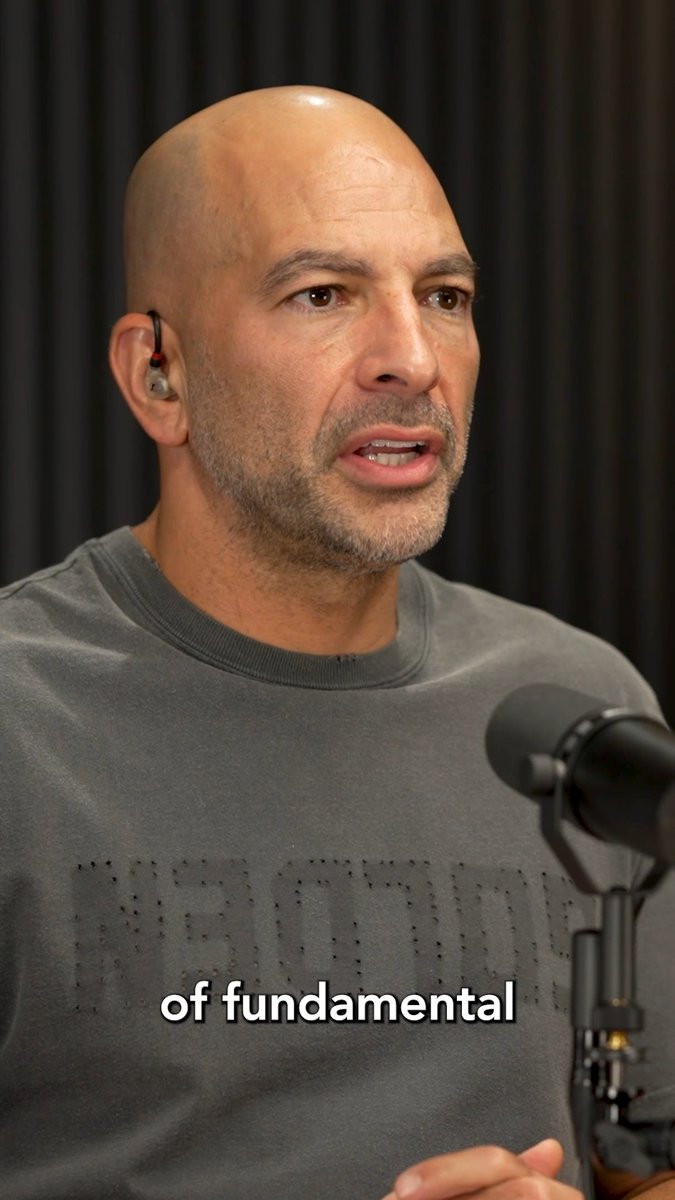
Here’s a podcast about mitochondrial dysfunction. From all my years of using ketogenic diets like the lion diet for health, getting impacted by mold, experiencing SSRI induced withdrawal/damage, it finally appears like the root cause is mitochondrial dysfunction at a cellular level. The research into this is cutting edge...

232,581 görüntüleme • 2 ay önce •via X (Twitter)

0 Yorum

Yorum bulunmuyor

Orijinal gönderinin yorumları burada görünecek

Benzer Videolar

My entire SSRI series in one video. What doctors never tell you about SSRI withdrawal. Chris Masterjohn, PhD, Founder and Scientific Director of explains why SSRI withdrawal is mitochondrial dysfunction and what to do about it. This is not medical advice, diagnosis, or treatment. 29 million Americans and about 5-10% of the world's population are on SSRIs, which have become the first-line treatment of depression. These can cause sexual dysfunction and emotional blunting in up to half of people, an unclear incidence of sleep disruption, and a rare risk of suicidality, self-harm, and new-onset psychosis. On the other hand, 20-50% of people who go off experience SSRI discontinuation syndrome. This can involve irritability, anxiety, mood problems, crying, dread, suicidal ideation, insomnia, nightmares, excessive dreaming, lethargy, fatigue, headache, tremor, sweating, anorexia, flu-like symptoms, nausea, vomiting, diarrhea, pain, numbness, tingling, feeling like something is crawling on the skin, electric shocks running through the brain or body, rushing noises, visual traces (seeing something persist when it is no longer there, or seeing moving objects leaving illusory streaks of light behind them, etc), dizziness, light-headedness, "brain zaps," vertigo, confusion, difficulty concentrating, amnesia, genital hypersensitivity, and premature ejaculation. A closely related problem is post-SSRI sexual dysfunction (PSSD), which can cause total inability to feel the penis for males or for females the genitals and nipples, loss of sexual pleasure, weak orgasms, decreased libido, erectile dysfunction, and premature ejaculation. PSSD is often associated with general anhedonia, apathy, and poor mood. In this video, I maintain that the reason there are no good solutions to these problems is because we have completely misunderstood the role of serotonin and SSRIs. Serotonin's role is to help mitochondria adapt to changing demands for oxygen-based energy production. SSRIs enhance some of the mechanisms, and interfere with others. They enter the cell and stimulate independent mechanisms of mitochondrial stress adaptation, but in doing so they turn a cyclical and rhythmic pathway into a constantly stimulated one, creating mitochondrial dependence and making mitochondria vulnerable to new-onset dysfunction upon withdrawal. Once they make it to the mitochondria itself, the SSRIs act as mitochondrial toxins. Scientific references for everything can be found in the series on my web site. 0:30 SSRI Side Effects 1:00 SSRI Discontinuation Syndrome and PSSD 11:33 The Problem With Primary Care Doctors and Psychiatrists 14:56 The Reason We Don’t Have Good Solutions Is Because We Don’t Understand the Problem 16:22 Prozac Is a Performance-Enhancing Drug 18:40 Depression and Altitude 19:36 The Truth About Serotonin 25:10 How Serotonin Helps Us Breathe 30:05 Hypoxia Explains Why Serotonin Is So Abundant In the Gut 33:55 Serotonin, Melatonin, and the Mitochondria 35:50 Serotonin and Light 39:25 Intermittent Hypobaric Hypoxia Training 42:56 SSRIs Are Whole-Body, Primarily Non-Brain, Non-Neuronal, Mitochondrial Drugs 44:00 SSRIs and Birth Defects 46:37 SSRIs Deplete Serotonin 48:50 SSRIs Distort the Sigma-1 Receptor From a Cyclical to a Constant Activation 51:10 Different SSRIs Promote Different Ratios of Mitophagy and Mitochondrial Biogenesis 54:00 Going Off SSRIs Causes New-Onset Mitochondrial Dysfunction 58:30 Slow and Parabolic Tapers 1:02:10 What to Do About SSRI Withdrawal Mitochondrial Dysfunction Do You Have Hidden Mitochondrial Dysfunction? Mitochondrial dysfunction is one of the earliest signs of aging and chronic disease—and most people don’t know they have it. Mitome is the first at-home test that measures your cellular energy directly and gives you a personalized roadmap to optimize energy, slow aging, and protect against disease. Find it here at Mitome™

Chris Masterjohn

16,282 görüntüleme • 7 ay önce

The Hidden Secret to Never Getting Cancer: Protect Your Mitochondria Cancer doesn’t just appear out of nowhere—it starts when a normal cell’s mitochondria break down and become dysfunctional. According to Dr. Eric Berg, the key to cancer prevention lies in safeguarding these cellular powerhouses. Here’s how: 1. Optimize Vitamin D Levels Maintain blood levels of 70–80 ng/mL. Vitamin D is a mitochondrial supercharger, bolstering your immune system and keeping cells functioning optimally. 2. Harness the Power of Fasting Regular intermittent fasting, combined with periodic prolonged fasts (like a 2-day water fast monthly), triggers autophagy—your body’s natural cleanup process—removing damaged cells and rejuvenating mitochondria. 3. Cut Refined Carbs & Starches High-carb diets are mitochondrial kryptonite. Switch to a low-carb approach to reduce oxidative stress and protect cellular energy production. 4. Load Up on Mitochondria-Boosting Foods Garlic, onions, and cruciferous veggies (broccoli, kale, Brussels sprouts) are packed with sulfur compounds that detoxify and fortify mitochondria. 5. Avoid Excess Iron Iron overload—from supplements, fortified foods, or cast-iron cookware—accelerates mitochondrial damage. Monitor your intake to keep iron in check. 6. Exercise Consistently Movement isn’t just for fitness; it’s a mitochondrial elixir. Regular exercise enhances their efficiency, reduces inflammation, and lowers cancer risk. The science is clear: Cancer thrives in a body with weak mitochondria. Strengthen them, and you build an impenetrable defense. Your health is in your hands.

Camus

213,245 görüntüleme • 8 ay önce