Video wird geladen...

Video konnte nicht geladen werden

Zur Startseite

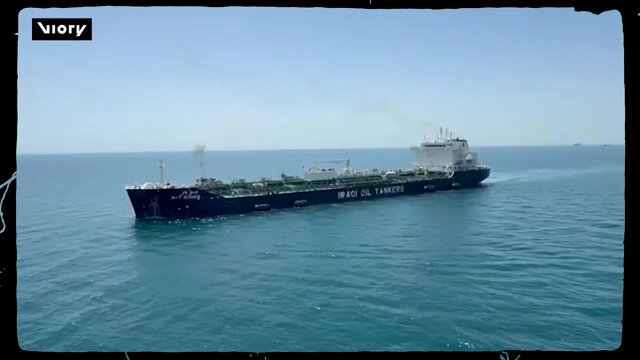
🇮🇷 If Iran's energy infrastructure comes under sustained attack, Nima Rostami believes Tehran's response would likely focus on oil, not civilians. The Middle East analyst says Gulf oil facilities would be the most probable targets, arguing Iran would try to maximize economic pressure while avoiding large-scale civilian casualties. Rostami...

74,201 Aufrufe • vor 24 Tagen •via X (Twitter)

0 Kommentare

Keine Kommentare verfügbar

Kommentare vom Original-Post werden hier angezeigt

Ähnliche Videos

🇺🇸🇮🇷 Trump may be preparing to make the biggest gamble of his presidency. Iranian analyst Nima Rostami Alkhorshid says reports of U.S. and Israeli strikes on Iran's energy infrastructure would mark a major escalation, one that Tehran has spent years preparing for. Start with the targets. The reported plan isn't just to hit missile launchers or military sites. It's to strike the infrastructure that powers Iran's economy, while degrading its ability to retaliate over a campaign that could last days or even weeks. Nima believes Iran's response has already been mapped out. Israel would remain the primary target, but Gulf oil facilities, power infrastructure and American military assets across the region would also come into play. Not because Tehran wants a wider war. Because it wants Washington to understand that attacks on Iran's economy will immediately become attacks on the region's economy. That brings him to the Strait of Hormuz. Nima argues the dispute isn't really about charging ships a transit fee. It's all about security. Iran wants control over what enters the Gulf after watching weapons, missiles and military equipment flow through the region during the conflict. In his view, controlling inbound traffic is now seen in Tehran as essential to preventing another war. He believes it's a struggle over whether the Middle East remains under American dominance or moves toward a new regional balance of power. And if neither side is willing to concede that question, the military campaign may last far longer than anyone currently expects. Dialogue works

Mario Nawfal

313,899 Aufrufe • vor 24 Tagen

IRAN'S MILITARY NIGHTMARE FOR THE U.S.: PERSIAN GULF WAR WOULD BE CATASTROPHIC Professor Marandi delivers a stark warning: any U.S. military move against Iran risks unleashing hell in the Persian Gulf, where Tehran has spent decades building overwhelming firepower specifically aimed at American forces and global energy lifelines. IRAN'S RESPONSE: READY FOR WAR ✅ Iran has prepared for decades with defenses directed squarely at the United States, not just Israel. 🔥 The bulk of its arsenal—short-range and medium-range missiles, massive drone swarms, and underwater drones—is positioned to strike Persian Gulf targets and U.S. bases within minutes. 🌊 Professor Marandi warns: "Iran can stop oil and gas trade from the Caucasus to the Red Sea... leading to a global economic meltdown worse than 1929." THE HIDDEN RISKS: WHY ATTACK COULD BACKFIRE ✅ In the recent 12-day war with Israel, Iran used only a small fraction of its total offensive capabilities. 🚀 Swarms of drones and missiles could saturate and overwhelm air defenses across the entire Gulf region in minutes. ⚠️ Every U.S. ally hosting bases in the area would be considered "complicit" and targeted, potentially collapsing small Gulf regimes overnight. ❌ The professor is blunt: "The U.S. would be at Iran's mercy... Trump would regret it within 24-48 hours." THE BOTTOM LINE Attacking Iran means facing a prepared, resilient power that can shut down the world's most critical energy artery almost instantly—turning a regional conflict into a global economic catastrophe nobody can escape. HT: YouTube Trends Journal Seyed Mohammad Marandi #Iran #PersianGulf #USMilitary #DroneWarfare #EnergyCrisis #Geopolitics #MiddleEast #Trump

Mark

91,803 Aufrufe • vor 6 Monaten