Video yükleniyor...

Video Yüklenemedi

Ana Sayfaya Dön

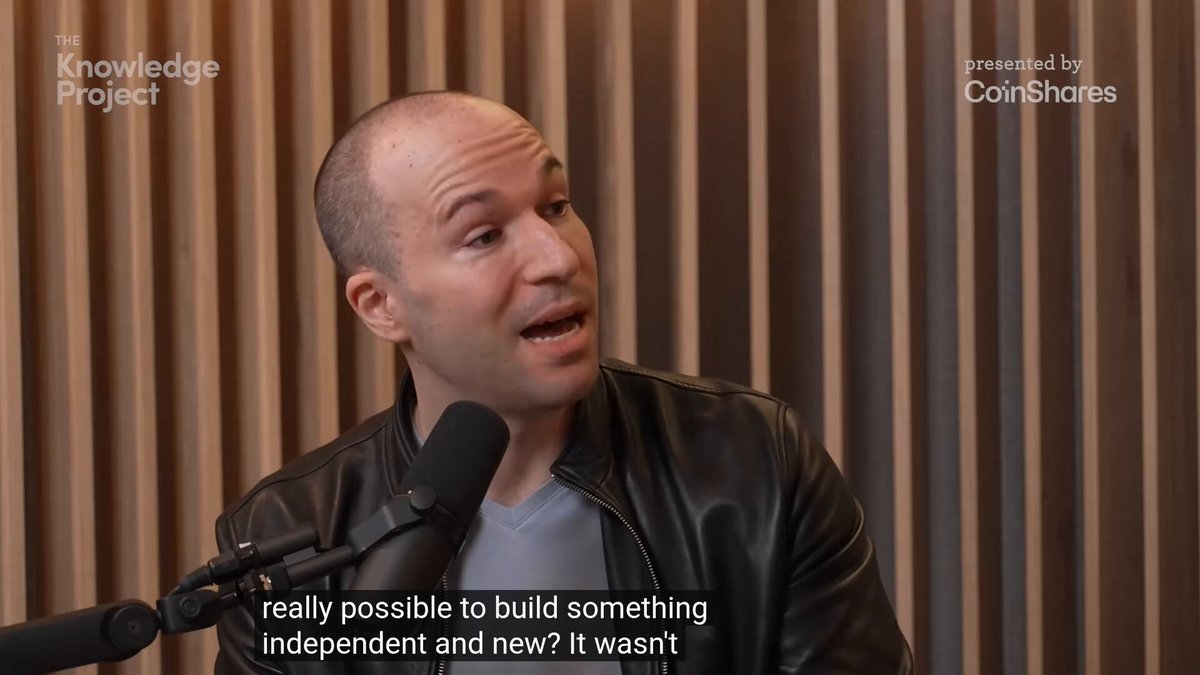
.Ilya Sutskever on why OpenAI gave up on robotics: "Progress comes from the combination of compute and data. There was no path to data from robotics. I'd say that now it is possible to create a path forward, but one needs to really commit. You could imagine a gradual...

325,857 görüntüleme • 2 yıl önce •via X (Twitter)

10 Yorum

Richard profil fotoğrafı
Richard2 yıl önce

@ilyasut Sounds like the path being created by Tesla autopilot. The cars are essentially robots on wheel. Now, they’re creating humanoid robots.

Bilal profil fotoğrafı
Bilal2 yıl önce

@ilyasut Good chance he moves to Tesla

wannabe futurist profil fotoğrafı
wannabe futurist2 yıl önce

@ilyasut @elonmusk - all the more reason you got to bring Ilya to @Tesla

Soon Yeow Lee profil fotoğrafı
Soon Yeow Lee2 yıl önce

@WholeMarsBlog @ilyasut Ilya’s comment was really eye-opening! OpenAI can only handle LLMs (like ChatGPT), practical AIs (like FSD) are really tough, especially robots (like Optimus). Yet, ironically, these toughest parts are where Elon's projects excel the most. Tesla is truly the big brother of AI.

Tim profil fotoğrafı
Tim2 yıl önce

@ilyasut Talking about @Tesla without talking about Tesla.

Pawel Pachniewski profil fotoğrafı
Pawel Pachniewski2 yıl önce

@ilyasut With some paradigm shifts and insights into say, why Moravec's Paradox was ever an issue, we could have made more progress.

Cache Money profil fotoğrafı
Cache Money2 yıl önce

@ilyasut always so insightful whenever Ilya speaks

joswiseman profil fotoğrafı
joswiseman2 yıl önce

@ilyasut This is naive from people who define robotics as transformed movie or terminators. Robots should be any devices.....phones, cars, buses, laptops, planes...trains...if only you can imagine.

Nodir profil fotoğrafı
Nodir2 yıl önce

@ilyasut Maybe you need a really good physics engine to generate synthetic data

Triyansha profil fotoğrafı
Triyansha2 yıl önce

the logistical challenges of building even a low cost robotics startup are truly a nightmare. a mentor once told me that while algorithms win software, business model innovation will win hardware wars. if anyone is writing more about this, would love to read more on the topic...DM

Benzer Videolar

Perplexity CEO Aravind Srinivas on the biggest threat to the data center industry: It's not competition. It's not regulation. It's decentralisation. "The biggest threat to a data center is if the intelligence can be packed locally on a chip that's running on the device and then there's no need to inference all of it on like one centralized data center." He outlines how this could work in practice. Personalisation doesn't necessarily require on-device model training. Retrieval augmented generation, tool calls, and local data can already tailor AI to individual users. But the real unlock? Test time training. Aravind Srinivas describes a future where AI lives on your device, watches how you work and gradually automates your repetitive tasks. "Imagine we crack test time training where the AI watches tasks you repeatedly do on your local system, adapts to you over time and starts automating a lot of the things you do." The key insight: in this model, the intelligence belongs to you. It's your data, your device, your personalised AI brain. And if that future arrives, the economics of centralised infrastructure start to collapse. "That really disrupts the whole data center industry. It doesn't make sense to spend all this money, 500 billion, 5 trillion, whatever on building all the centralized data centers across the world that do a lot of the intelligence workloads for people." The companies spending trillions on centralised infrastructure may want to rethink where intelligence actually needs to live.

Big Brain AI

90,102 görüntüleme • 4 ay önce