Loading video...

Video Failed to Load

Go Home

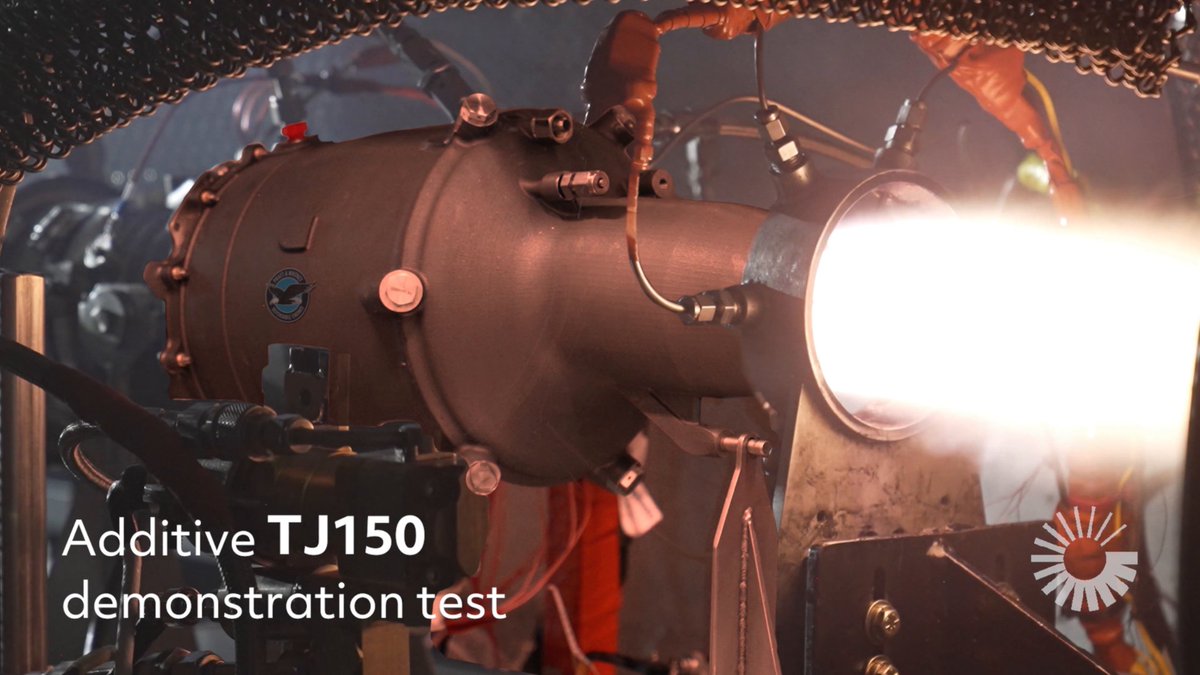
ISRO shares a detailed update on its LOX-Methane engine programme, the propulsion planned for the Next Generation Launch Vehicle (NGLV) and for the future heavy-lift vehicle for India's crewed lunar landing (target 2040). Why methane? - Clean combustion - Low maintenance, which helps reusability - Can be made on...

44,793 views • 18 days ago •via X (Twitter)

17 Comments

प्रथम|𑀧𑁆𑀭𑀣𑀫's profile picture
प्रथम|𑀧𑁆𑀭𑀣𑀫18 days ago

@isro @SolidBoosters2 @Lokeshkr73

Panacea's profile picture
Panacea18 days ago

@isro @SolidBoosters2 @Lokeshkr73 Wait.. ISRO is trying to make a 200+ tonne FFSC engine as well?

tejas_mk1a_lover🍊's profile picture
tejas_mk1a_lover🍊18 days ago

@isro @SolidBoosters2 @Lokeshkr73 Okayyy so isro does have plans for ffsc engines 😭😍 lfg!

softwareinstability's profile picture
softwareinstability18 days ago

@isro @SolidBoosters2 @Lokeshkr73 I thought LMLV was supposed to be a tricore NGLV, but again LMLV is still under a discussion phase , so we see it change.

Likhith's profile picture
Likhith18 days ago

@isro @SolidBoosters2 @Lokeshkr73 massive victory for indian space sector ,lets gooo

Pranav(Kaveri Engine ka parivar)'s profile picture
Pranav(Kaveri Engine ka parivar)18 days ago

@isro @SolidBoosters2 @Lokeshkr73

Bison Head's profile picture
Bison Head18 days ago

@isro @SolidBoosters2 @Lokeshkr73 Cool

Gravitational Pulse🇮🇳🌌🚀's profile picture
Gravitational Pulse🇮🇳🌌🚀18 days ago

@isro @SolidBoosters2 @Lokeshkr73

vadapallichaitu's profile picture
vadapallichaitu18 days ago

@isro @SolidBoosters2 @Lokeshkr73 LME1100 not ready for tests yet is criminal.

vadapallichaitu's profile picture
vadapallichaitu18 days ago

@isro @SolidBoosters2 @Lokeshkr73 Bruh this looks like an industrial accident. In big 2026, can’t these fellows figure out cameras?

Raghav jha's profile picture
Raghav jha18 days ago

@isro @SolidBoosters2 @Lokeshkr73

IsroPR🇮🇳's profile picture
IsroPR🇮🇳18 days ago

@isro @SolidBoosters2 @Lokeshkr73 W

Antariksh Bhabha's profile picture
Antariksh Bhabha18 days ago

@isro @SolidBoosters2 @Lokeshkr73 is the LME1100 a FFSCC engine?

DONTKNOWME🇮🇳's profile picture
DONTKNOWME🇮🇳18 days ago

@isro @SolidBoosters2 @Lokeshkr73 FFSC 🗿🗿

BNS Bokachoda's profile picture
BNS Bokachoda18 days ago

@isro @SolidBoosters2 @Lokeshkr73

Aman Sharma's profile picture
Aman Sharma18 days ago

@isro @SolidBoosters2 @Lokeshkr73 Usro cookin

ANUSH 🇮🇳's profile picture
ANUSH 🇮🇳18 days ago

@isro @SolidBoosters2 @Lokeshkr73

Related Videos

NEWS: SpaceX has released a statement after today's successful 11th Starship test flight. "Every major objective of the flight test was achieved, providing valuable data as we prepare the next generation of Starship and Super Heavy. The flight test began with Super Heavy igniting all 33 Raptor engines and ascending over the Gulf. The successful first-stage ascent was followed by a hot-staging maneuver, with Starship’s upper stage igniting its six Raptor engines to continue its flight to space. Following stage separation, the Super Heavy booster completed its boostback burn to put it on a course to a pre-planned splashdown zone off the coast of Texas using 12 of the 13 planned engines. Under the same angle of attack tested on the previous flight, the booster descended until successfully igniting all 13 planned engines (including one that did not relight during the boostback burn) for the high-thrust portion of the landing burn. The booster successfully executed a unique landing burn planned for use on the next generation booster. Super Heavy hovered above the water before shutting down its engines and splashing down. After completing a full-duration ascent burn, Starship achieved its planned velocity and trajectory. During flight, Starship successfully deployed eight Starlink simulators and executed the third in-space relight of a Raptor engine, demonstrating a critical capability for future deorbit burns. Starship re-entered the Earth’s atmosphere and was able to gather extensive data on the performance of its heatshield as it was intentionally stressed to test the limits of the vehicle’s capabilities. In the final minutes of flight, Starship performed a dynamic banking maneuver to mimic the trajectory that future missions returning to Starbase will fly. Starship then guided itself using its four flaps to the pre-planned splashdown zone in the Indian Ocean, successfully executing a landing flip, landing burn, and soft splashdown. Focus now turns to the next generation of Starship and Super Heavy, with multiple vehicles currently in active build and preparing for tests. This next iteration will be used for the first Starship orbital flights, operational payload missions, propellant transfer, and more as we iterate to a fully and rapidly reusable vehicle with service to Earth orbit, the Moon, Mars, and beyond."

Sawyer Merritt

273,302 views • 1 year ago