Video yükleniyor...

Video Yüklenemedi

Ana Sayfaya Dön

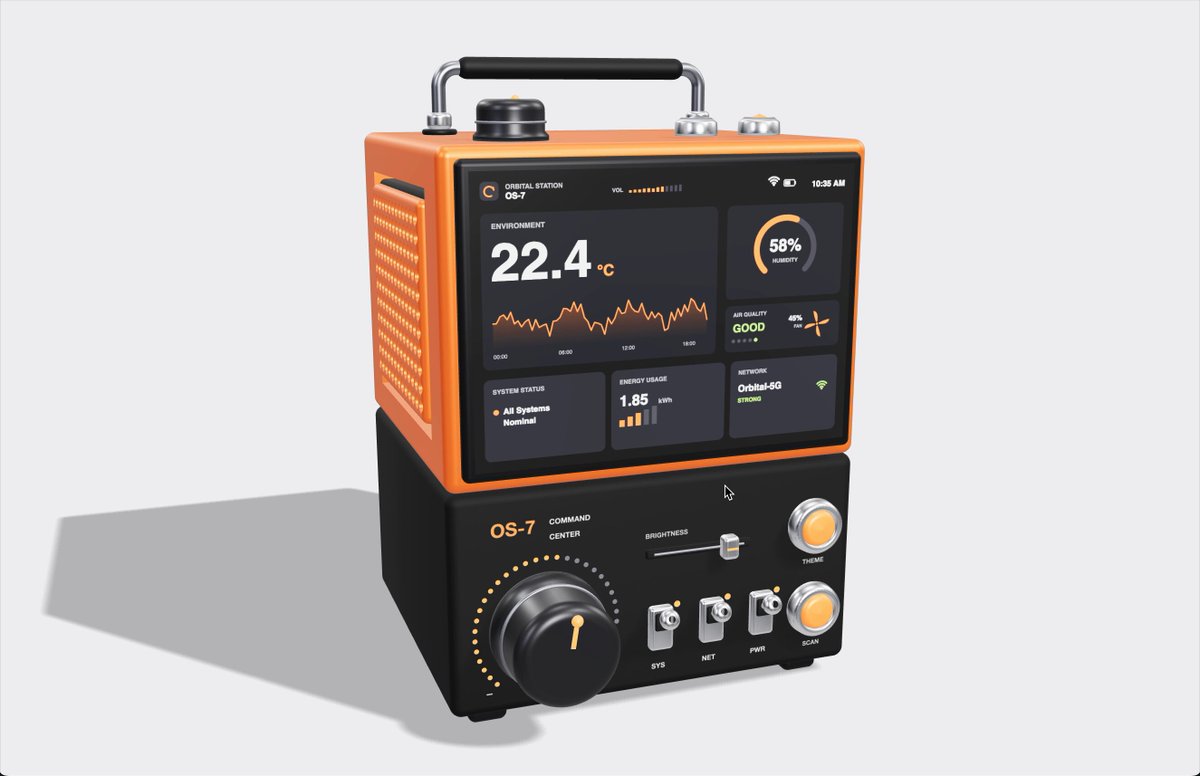
Just received the first SMT PCB of the Raspberry Pi RTL-SDR/LoRa/GPS/RTC Hat from JLCPCB, and everything works like a charm. I even implemented the GPS PPS indicator as Jeff Geerling suggested. I can think of some fun use cases with it, like using an RTL-SDR to listen in on...

63,794 görüntüleme • 3 ay önce •via X (Twitter)

0 Yorum

Yorum bulunmuyor

Orijinal gönderinin yorumları burada görünecek

Benzer Videolar

“The last time that we were touring and stuff, I think touring is quite an isolating experience. And on top of that, when we started touring, it was 2021, so it was kind of like still depths of the pandemic. We were like one of the first tours to go back out. So I think that tour started in that way where it was like, I was really bubbled up even kind of within the tour. And then staying on that tour, we put an album out and it ended up being like two and a half years type time. It's just a long time to be in like a bubble where you're not really spending that much time like in the world around you, other than shows and hotels and stuff. And when I finished, I kind of went off and was spending a lot of time in Italy, and was kind of like having this quiet time, and I was just feeling a lot of my life as I was kind of like, craving like quiet and kind of like private spaces. I was just feeling myself kind of like shut out a lot of the world, “I think, and I think the last couple of years for me was about, you know, there's a lot of things that I think I got used to saying no to, like invites from friends and like maybe a weekend trip or like a birthday party or something. I think I just got used to, you know, if I have a week at home, I don't want to go somewhere else for three days. I just want to stay home, you know. And I think when I got to Italy and was kind of out in this quiet place, I felt like, okay, if I'm going to spend all this time out here and I'm going to keep saying no to everything, I'm just going to like shut myself off from the world. And while parts of that sound appealing, I also like, I love people and I love like being in the world, you know, so it was kind of, I think for me, like there's been both the thing of like learning to set boundaries and stuff is a large part of that has also been learning when not to set boundaries and when to open up. Being intentional with the things that you don't do and being intentional with the things that you do do. So, you know, as a message in the album sleeve, where I said like thanks to all the people who helped me know when to say no and when to say yes. I think both of those have like greatly enriched my life.” - Harry about feeling isolated during his last tour and opening himself up to the world again on Q

HSNews

90,121 görüntüleme • 4 ay önce

WE BLOOMING BEAUTY #PlantneryxWilliamEst #WilliamEst 🦈: i said i’m not going anywhere anyway. there are times when we feel like, maybe we’re not suitable for each other. i feel like i see everything and i realize that maybe i’m the one causing the problem. i think, well, if i step back, maybe it would be better. i’ve thought, like, if this problem didn’t exist, things might be better. it probably wouldn’t have happened. i feel like okay should we separate? but we’re talking about this from the perspective of we actually don’t want to separate. in terms of work, everything’s great. if it’s just the two of us, everything’s happy. but because of external factors, it causes a lot of problems. some of these problems make sense, some don’t. i don’t like having problems, and i feel like it’s okay to just leave it, but when i keep everything inside, it makes me sad and all kinds of things start building up. when we clear things up, we like to deep talk. once we start talking, everything gets more serious, because he doesn’t want to separate and i don’t want to separate, but why do we have to separate? that’s basically what it was like at that time. 🎸: how did we sort it out? i’ve been thinking that even if he tries to push me away, i won’t go. 🦈: i’m not pushing away 🎸: even if you try, or if you say you don’t want to do this anymore, i’ll find a way to make it work, because since we started the thamepo project, we’ve never had any problems. we just argue, which comes from outside issues. we had to talk about it. i feel like it doesn’t make sense for us to separate, so i said, i wouldn’t let him go anywhere. let’s live our lives together.

𝑛𝑎𝑛𝑎 ◡̈

137,780 görüntüleme • 1 yıl önce

As I promised yesterday, I'll briefly explain LoRA training and share a workflow I made so you can do it quickly. First, let me answer a very common question: 'Why train LoRAs when we have such advanced models?' Even though we have incredibly advanced models now (like NBP), we still can't always get them to do specific things we want. Simplest example: the spritesheet LoRA I made the other day. I generated 1000 images with Nano Banana and only 100 were what I wanted. The LoRA I trained using those 100 images gives me nearly 100% consistent results. Second point is cost and speed. With LoRA, we can cut costs by 4-5x. And while doing that, we're generating 4-5x faster. How many images do you need for a good LoRA? This depends on your LoRA's complexity. For example, when I training the spritesheet LoRA, even though I used 100 images, I didn't include buildings in the training data, so this LoRA doesn't work for buildings. So think about your LoRA's use cases and add examples for as many use cases as possible to improve quality. What are paired images and how to train LoRAs for image-editing? When training LoRAs for image editing on fal, we call each edit example paired images - one with _start suffix, one with _end suffix. For example, if you're training a background remove LoRA, the unedited original photo will be your '_start' image. The image with background removed will be the '_end' image. Simply put: images we want to edit or use as reference get _start, target images we want to achieve get '_end'. Important: save both images with the same name. Like image332_start.jpg and image332_end.jpg. This way the system knows which images pair together. What about training LoRAs for models with multiple image inputs? Same logic. We still use _start and _end suffixes, but with one difference. Since there are multiple input images, we can number them: _start, _start1, _start2. Example: start images, 1st image = Woman portrait (image35_start.jpg) 2nd image = Glasses photo (image35_start1.jpg) 3rd image = Hat photo (image35_start2.jpg) Output image = portrait of woman wearing glasses and hat (image35_end.jpg) Can we do more detailed captioning? Yes. Similarly, you can improve training quality by creating a txt file for each set with the caption inside. Example: create image35.txt and write: 'Recreate the image by putting the glasses from the second image and the hat from the third image on the woman in the first image.' What are Steps? How many should I use? What's Learning Rate? Steps determines how many times the model sees and processes your training data (your images). Each step, the model learns a bit more. But as steps increase, so does the risk of overfitting. So there's no real default. But for a simpler LoRA with 20 paired images, 1000 steps is ideal. Here's a metaphor for the Steps and Learning Rate relationship: Imagine you have a balloon. Our goal is to inflate it to the optimal size. Steps = How many times we blow into the balloon Learning rate = How hard we blow each time If we blow too softly, we need to blow many more times. If we blow too hard, we risk popping it quickly and can't reach optimal size. Of course training won't explode, but it won't work as intended because it wasn't trained optimally. Training's done, now what? Once training's complete, you'll have a safetensors file. Every model you train on fal has a LoRA inference endpoint. In that inference, add your safetensors file link to the LoRA url input, and you can use your LoRA. Thanks for the read! The workflow in the video: If I forgot anything, let me know in the replies.

ilker

15,133 görüntüleme • 6 ay önce