Загрузка видео...

Не удалось загрузить видео

На главную

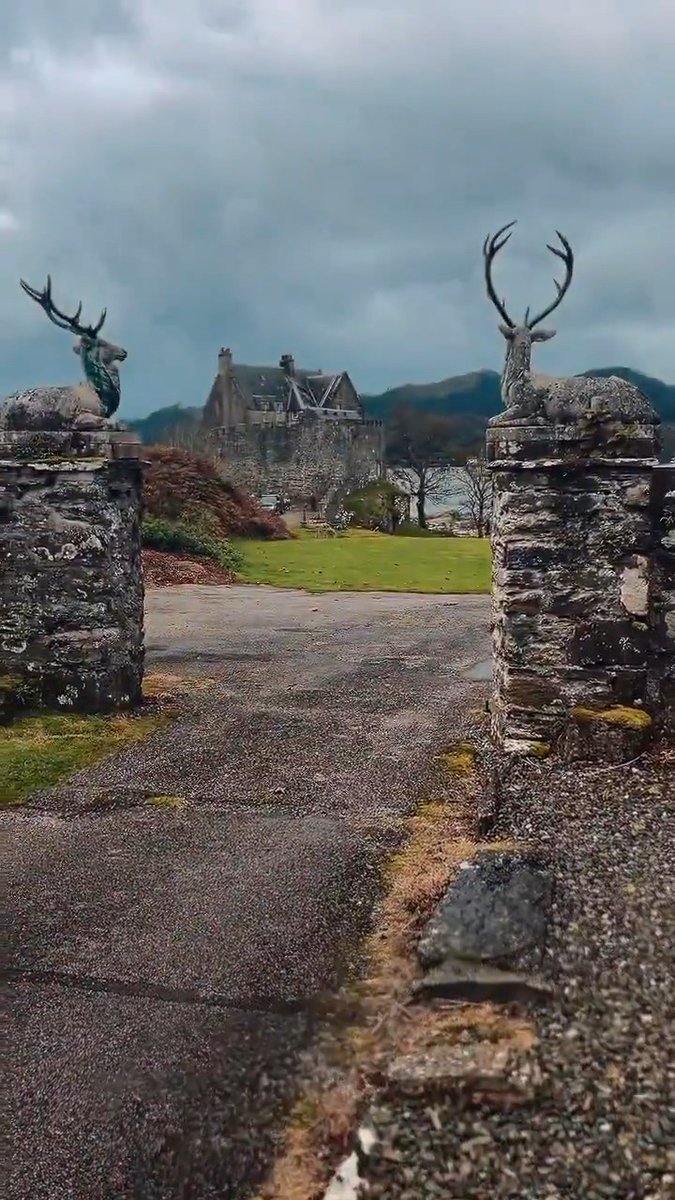
Lichtenstein Castle, Germany is a 19th-century Neo-Gothic masterpiece perched on a cliff in the Swabian Alps. Known as the 'Fairy Tale Castle of Württemberg,' it was inspired by the 1826 novel of the same name
12,503 просмотров • 3 месяцев назад •via X (Twitter)

Комментарии: 0

Нет доступных комментариев

Здесь появятся комментарии из оригинального поста
Похожие видео

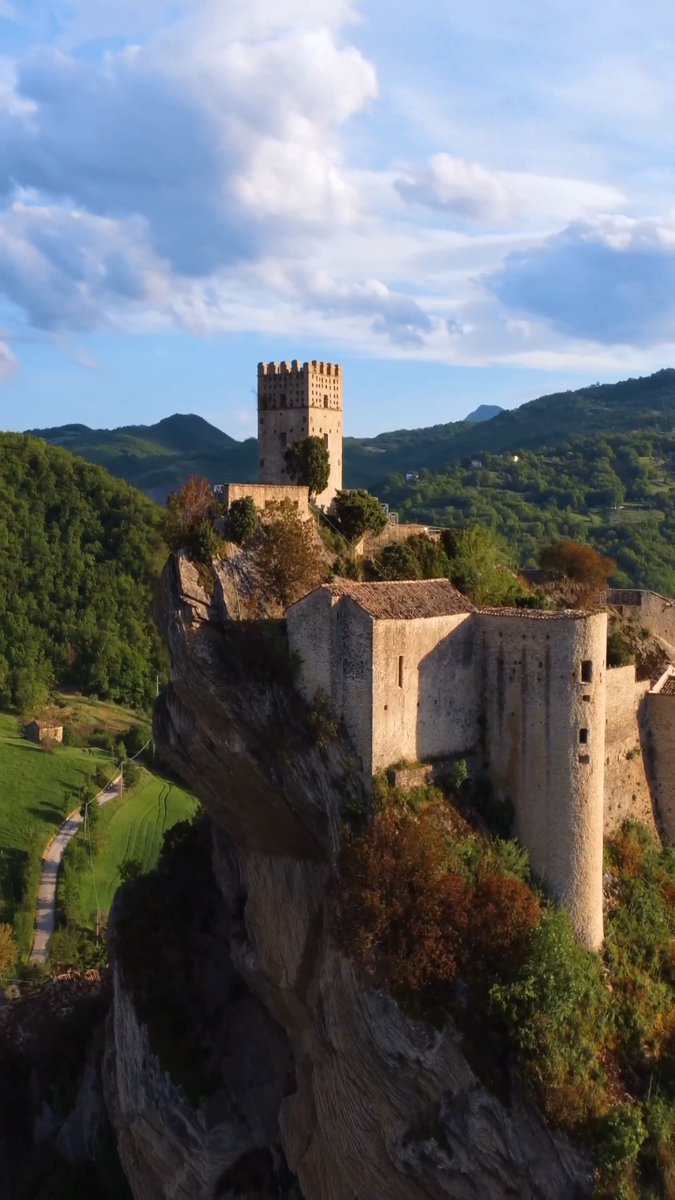
Majestically perched upon a rocky basalt cliff overlooking Selco Valley, set against dramatic the backdrop of Majella mountains, is Castle of Roccascalegna, near Chieti in Abruzzo, Italy. The basalt rocky cliff on which the castle was built is a geological jewel, originally carried along a clay floor by the currents of the sea that covered the area over 20 million years ago. The hardened clays surrounding it have spectacular shapes and different colors, ranging from gray to green to blue to red in relation to the abundance of iron and copper. Some still contain fragments of shell fossils. Name comes from sentence ‘Rocca con scala di legno”, meaning a fortress with a wooden staircase, possibly a drawbridge, which was only way to access castle from village below it. A ramp was added in 1705 AD, and when castle was fully restored over a 10 year period starting in 1985, municipality built a staircase leading directly to village. Founded in 1160 AD, castle had two functions: to control underlying Valle del Rio Secco, and to offer a defense against unwanted arrivals on Adriatic coast. Nothing much is known about it until 1599 AD, when fiefdom of Montescalegna was bought by baron Vincenzo Corvi for 10,000 ducati, who restored it to accommodate needs of firearm warfare. Vincenzo was succeeded by Annibale, then Giuseppe, Giovanni Battista, Annibale III and finally by Pompeo Filippo, who sold it to a noble gentleman of Palena, Don Nicolò Nanni, who ended saga of Corvi barons. I called it a saga because, apparently, they weren’t all good landlords. One of them decided to force his subjects to kneel before a raven, which is called corvo in Italian, whom he placed in a cage along only road leading to the village. Later, another baron decided to introduce most hideous of medieval feudal customs, "jus primae noctis", obliging every newly-wed bride to spend her first nuptial night with him. This deeply angered parish priest, who protested publicly. Baron ordered his guards to punish him, and he was killed at entrance of village while trying to escape. Later, a brave bride stabbed baron directly in his heart with a stiletto dagger. He leaned onto a rock wall with his bloody hand, and left his imprint. Many tried to wash this handprint off rock, but it always came back as red as ever, remaining visible until 27 January 1940, when tower where bedroom was situated collapsed. Today, Castle used to be rented out for just 110$ a night, including the torture chamber and armory, but the listing was taken down at the beginning of the pandemic, and today the castle can only be visited by booking a personal tour. 🎥© alessio_marcosano (IG) #archaeohistories

Archaeo - Histories

11,648 просмотров • 1 год назад