Video yükleniyor...

Video Yüklenemedi

Ana Sayfaya Dön

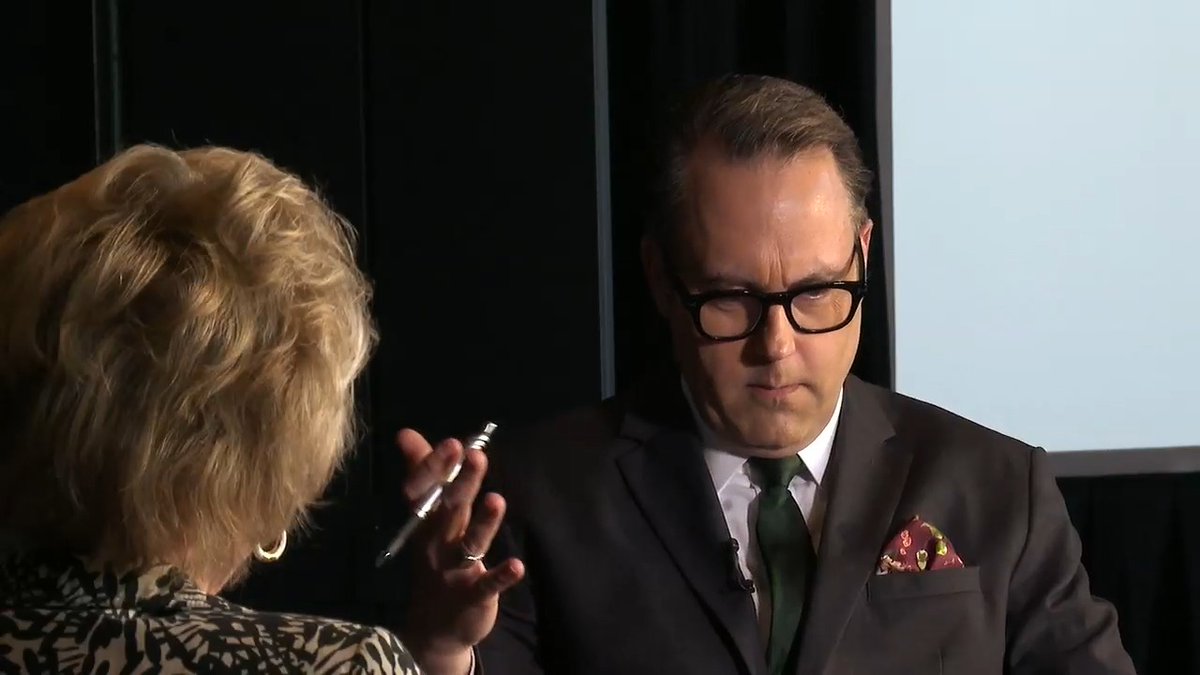
Microsoft Vice Chair and President Brad Smith said Washington should recognize it is now operating as a high-tax state and consider how that affects economic competitiveness. Speaking at Thursday’s Puget Sound Regional Council General Assembly meeting, Smith compared Washington’s tax structure to other high-tax states, including California, New York,...

59,314 görüntüleme • 2 ay önce •via X (Twitter)

0 Yorum

Yorum bulunmuyor

Orijinal gönderinin yorumları burada görünecek

Benzer Videolar

🗣️ Just saw this on .FOX Business “EXIT TAX” 😳plastered over a mountain of cash. The caption says it all: “They’re gonna tax you with a knife in your back when you leave, too.” 😱 And it’s not just talk. Across the country, at least 10 states are now exploring or have already pushed wealth taxes and “exit taxes” to punish residents who dare to flee their high-tax, high-spending disasters for lower-tax states like Florida, Texas, or Tennessee. Leading the pack: 1. California — “Billionaire Tax Act” (5% one-time hit on net worth over $1 billion) 2. New York Wealth and high-income tax proposals, plus aggressive residency audits on departing residents. 3. Washington Recently passed 9.9% tax on incomes over $1M; earlier capital gains tax. 4. Michigan Ballot proposal for 5%+ tax on high earners (over $500K); constitutional amendment efforts. 5.Massachusetts Millionaire surtax already in place; additional wealth/exit ideas under discussion. 6. Connecticut Wealth tax proposals and high-income surcharges. 7. Illinois — Debating 3% tax on income over $1M. 8. New Jersey — Has existing withholding rules on real estate sales for former residents (often called an exit mechanism). 9. Maryland — High-income and capital gains adjustments; history of targeting departing wealthy residents. 10. Hawaii or others in the broader group — Part of earlier coordinated wealth tax pushes (some reports fold in states like these for ongoing discussions). ✅ …plus others quietly lining up. Some proposals include “look-back” rules so they can keep taxing your worldwide assets even after you move out. This isn’t about “fairness.” It’s about governments that refuse to cut wasteful spending, so instead they try to trap the golden geese who actually pay the bills.

🦅 Eagle Wings 🦅

20,383 görüntüleme • 4 ay önce

🚨BREAKING: Democrat-controlled Senate passes multi-billion-dollar Millionaires’ Tax With a vote of 27-22, the Washington State Senate on Monday passed Senate Bill 6346, a proposal to impose a 9.9% tax on individuals earning more than $1 million annually. Three Democrat lawmakers—Sens. Adrien Cortes (D-Battle Ground), Deb Krishnadasen (D-Gig Harbor) and Drew Hansen (D-Bainbridge Island) — joined all Republicans in voting against the measure. Supporters cast the bill as a vital step toward fixing what they call a regressive tax system and funding essential services like education and health care, while critics warned it would hammer small businesses, drive away jobs, and set the stage for broader income taxes despite voters’ repeated rejections. SB 6346—also known as the “Millionaires’ Tax”— introduced by Senate Majority Leader Jaime Pedersen (D-Capitol Hill), would start with federal adjusted gross income and make adjustments to arrive at “Washington taxable income.” It excludes long-term capital gains unless already subject to the state’s capital gains tax, adds back certain state and local taxes deducted federally, and provides a $1 million standard deduction per household—adjusted for inflation from 2030—and a $50,000 charitable deduction. Non-residents of Washington state pay only on Washington-sourced income, apportioned based on activity within the state. The Millionaires’ Tax would take effect January 1, 2028, with first returns due in 2029. It exempts real estate sales, qualified family-owned small businesses, and retirement income from public pensions. Estimated to affect about 30,000 taxpayers—roughly 0.5% of households—it is expected to generate approximately $3.7 billion annually, with 5% ($175 million) dedicated to county public defense and the remainder to the general fund for education, health care, and other services. However, these monies are not earmarked for education nor health care and can be used as the legislature sees fit when it is allocated to the state’s general fund. The bill starts with federal adjusted gross income, currently excludes all long-term capital gains and losses initially, then adds back only net long-term capital gains subject to Washington’s capital gains tax (plus the standard and charitable deductions that reduced the taxable amount). Thus, real estate sales that qualify for exemption under the capital gains rules—such as qualified family-owned small businesses or residential property—remain untaxed, avoiding any undoing of exemptions. During the hearing on Feb. 6, it was revealed that although SB-6346 targets only individuals with at least $1 million in annual income, no current law can permanently bind future legislatures should a future legislature expand the tax to other income brackets. The bill now heads to the House for vote. 🎬Source: TVW

Lynnwood Times

52,440 görüntüleme • 5 ay önce