Загрузка видео...

Не удалось загрузить видео

На главную

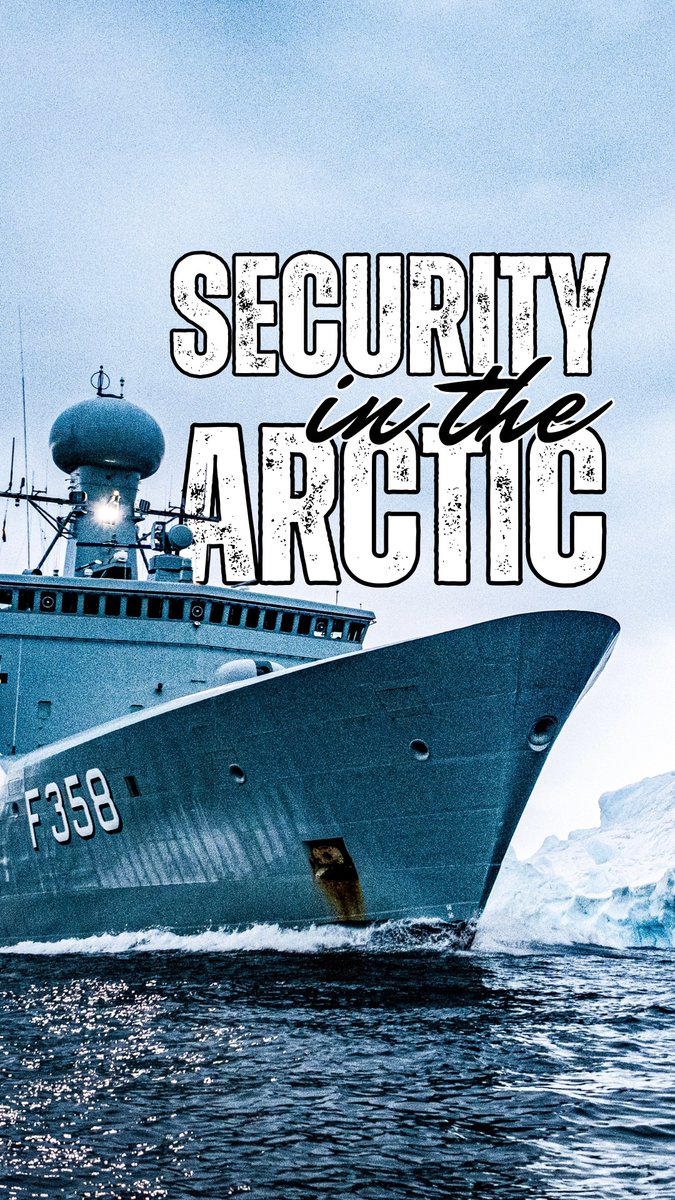
NATO officials warn that Russian nuclear-armed submarines operating in the Arctic and High North is a growing security challenge to Europe and the U.S. With Moscow’s largest naval base located on the Kola Peninsula near Norway's border, access to the Atlantic is a critical concern.

49,902 просмотров • 8 месяцев назад •via X (Twitter)

Комментарии: 0

Нет доступных комментариев

Здесь появятся комментарии из оригинального поста
Похожие видео

BIG | 🇳🇴🇺🇸🇬🇧‼️‼️ NATO is rapidly assembling a powerful strike-and-denial network across the High North, moving missile launchers, HIMARS, Marines and surveillance aircraft into positions that could threaten Russia’s Northern Fleet and key military infrastructure on the Kola Peninsula. The activity includes the deployment of a U.S. Mk 70 containerized launcher to Trondheim, capable of firing Tomahawk and SM-6 missiles; a HIMARS platoon airlifted to Jan Mayen; British and U.S. Marines reinforced with a Brimstone-equipped Strikemaster-Bushmaster system; the ongoing Northern Viking 26 exercise around Iceland; and simultaneous RC-135 Rivet Joint and P-8 Poseidon operations over the Norwegian and North Atlantic approaches. Jan Mayen sits north of the GIUK gap, a critical route for Russian Northern Fleet access to the Atlantic, while systems positioned in Norway could place parts of the Kola Peninsula, Severomorsk, Olenya and Severodvinsk within reach of allied long-range fires. The strategic message is hard to miss: NATO is rehearsing how quickly it can build a northern strike architecture, restrict Russian naval movement and connect sensors, launchers and allied forces into one operational network. For a region where Norway traditionally limited permanent foreign military presence in peacetime, the scale and speed of these deployments underline how dramatically the security environment has changed. See the latest updates with us: Visioner

Visioner

110,264 просмотров • 29 дней назад

🇺🇸🇷🇺🇨🇳 China is showing up for the routes the ice just unlocked, meanwhile Europe is still talking about “the High North” like it’s a weather report. The ice is receding. Shipping lanes and resources that used to be frozen shut are opening, that is why Beijing, Delhi, and Abu Dhabi suddenly care about a region they don’t border. Moscow never had to be convinced, its north is a resource base and a war chest. The Northern Fleet, attack subs, bombers, ballistic missiles, and part of the nuclear deterrent sit on that rim. Lose the Arctic and Russia loses the architecture of its power. China is playing a longer game: Commercial first, research stations, shipping, investment next, then military activity in the North Pacific, where presence starts to look like a claim without using the word. NATO’s map changed when Finland and Sweden joined, as the northern flank stopped being Norway’s problem and became the alliance’s. Britain, Germany, France, and Poland now have to train for cold, darkness, distance, and thin logistics. The point: stop treating “the Arctic” as one battlefield. European Arctic, North American Arctic, Russian Arctic, Pacific approaches; all have different access, different rules, and different flashpoints. Europe’s real stake is closest to home: Norway’s north, the gaps that guard the Atlantic, the places Russian force already lives and Chinese money is starting to appear. Who can stay supplied when the ice stops being a wall? Source: DW News YT / Writer: Val

Mario Nawfal

28,179 просмотров • 18 дней назад