Video yükleniyor...

Video Yüklenemedi

Ana Sayfaya Dön

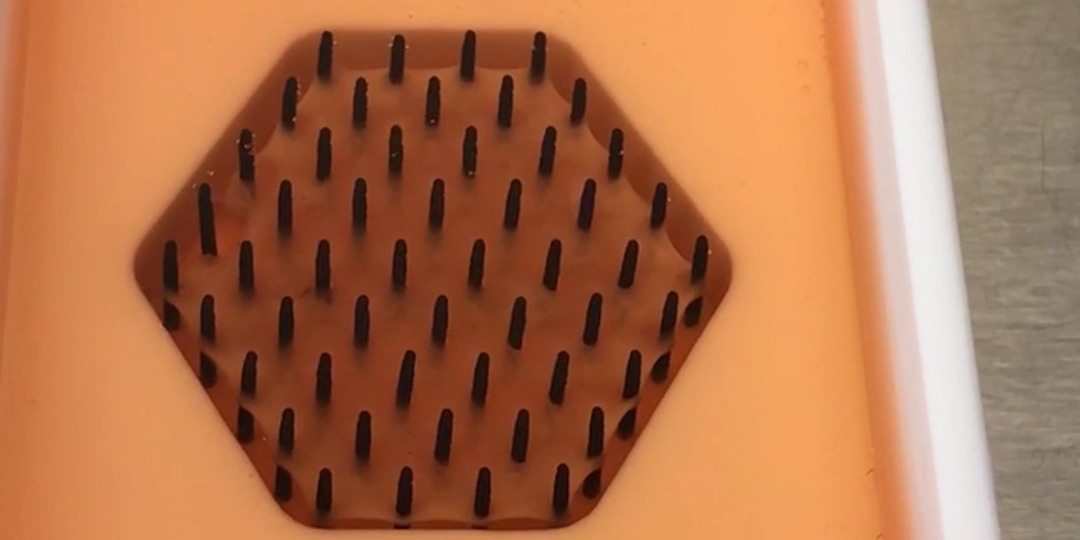
Researchers present a platform for cardiac tissue cultivation with 3D ring-shaped cardiac tissues generated from human stem cell-derived cardiomyocytes.

51,700 görüntüleme • 2 yıl önce •via X (Twitter)

0 Yorum

Yorum bulunmuyor

Orijinal gönderinin yorumları burada görünecek

Benzer Videolar

🚨 Scientists discover wisdom teeth contain stem cells capable of repairing the heart, brain, and bones. Wisdom teeth contain dental pulp, a soft connective tissue threaded with blood vessels and nerves. Inside that pulp lives a dense population of mesenchymal stem cells, a class of undifferentiated cells that researchers classify as among the most therapeutically valuable biological material a human body produces. These are not ordinary cells maintaining routine tissue. They are blueprint cells, capable of receiving chemical signals from damaged environments and reshaping themselves into whatever the body needs most, neurons, cardiomyocytes, osteoblasts, even hepatic cells under the right conditions. The brain operates under a brutal rule: most of its neurons do not regenerate after damage. A stroke, a traumatic injury, a neurodegenerative disease removes cells the brain cannot replace through normal biological processes. Researchers have spent decades attempting to solve this through synthetic means, engineered cell therapies, growth factor injections, gene editing approaches that cost extraordinary resources and produce inconsistent results. What dental pulp stem cells demonstrated in laboratory conditions is that they can migrate toward neural damage sites, integrate with existing tissue architecture, and begin producing neurons and glial support cells. The mechanism involves neurotrophic factor secretion, essentially the cells releasing signaling proteins that stimulate the surrounding neural environment to repair itself from within. Cardiac muscle operates under a similarly unforgiving rule. After a heart attack, the dead muscle tissue becomes fibrotic scar material. The heart compensates by making surviving muscle work harder, a process that gradually leads to enlargement, weakening, and eventual failure. Dental pulp stem cells introduced into cardiac tissue in multiple studies produced measurable reductions in scar formation and demonstrated the ability to differentiate into functional cardiomyocytes, beating in synchrony with native heart cells. Some studies recorded improved ejection fraction in animal models, the core measurement of how effectively the heart pumps blood. Bone regeneration represents the most clinically advanced application already moving toward human trials. Dental pulp stem cells express high levels of osteogenic markers and respond rapidly to bone morphogenetic proteins, the chemical messengers that trigger skeletal repair. Their application in craniofacial reconstruction, spinal fusion, and long bone defect repair is being studied across multiple institutions simultaneously. What separates these cells from other stem cell sources is the combination of accessibility and biological youth. Bone marrow aspiration requires sedation and produces significant post procedure pain. Umbilical cord blood requires planning around birth. Wisdom teeth emerge between 17 and 25, during peak cellular vitality, and come out during a procedure most people already schedule. The extraction window is permanent. Once the teeth are gone and the pulp degrades, that specific population of young, highly potent cells is irretrievable from that individual. Cryogenic preservation protocols now exist that maintain dental pulp stem cell viability for over two decades. Several countries have commercial dental stem cell banks operating with the same institutional model as cord blood banking, long term frozen storage, indexed against future therapeutic need. The science supporting the value of preservation is no longer speculative. What lags behind is public awareness and clinical infrastructure in markets where this remains obscure. The wider pattern is worth recognizing. Medicine has repeatedly discovered that profound biological tools were present in tissues it previously categorized as vestigial, unnecessary, or inconvenient. The appendix was considered evolutionary junk for over a century before researchers identified its role in gut microbiome preservation. Wisdom teeth carried the same dismissal, a developmental relic from ancestors who needed extra molars for coarse diets, relevant only in their capacity to cause orthodontic problems. The pulp inside them was never junk. It was a repair system the body built during youth and stored in one of the most protected anatomical locations, surrounded by enamel, the hardest substance the human body produces. Evolution rarely wastes that kind of architecture.

The Curious Tales

24,267 görüntüleme • 4 ay önce

🚨 REALITY UPDATE Humans may already have hidden regenerative abilities. Scientists are now discovering that the body’s inability to regrow tissue may not come from missing biological machinery… but from repair systems being “switched” into scar mode instead of regeneration mode. That changes the entire question. Because for decades scientists assumed mammals simply lost regenerative capability entirely. But new research suggests the regenerative programs may still exist underneath normal healing processes. Researchers studying tissue regeneration found they could partially redirect mammalian healing away from scarring and toward structural regrowth using specific signaling pathways. In experiments, scientists regenerated: • bone • ligaments • joint structures • connective tissue inside injured mammalian tissue. The deeper shift: Human biology may contain dormant regenerative instructions that are normally suppressed. That means the future of medicine may not be: “adding artificial replacement parts”… but: reactivating biological repair programs already hidden inside the body. And this is not isolated anymore. Researchers are now uncovering regeneration-related mechanisms across: • skin healing • heart tissue • stem cell systems • cartilage repair • aging biology The line between healing and regeneration is beginning to blur. If this scales: • scar-free healing may become possible • organ repair could accelerate • regenerative medicine may fundamentally change surgery • aging research could shift dramatically • future medicine may focus on “unlocking” dormant repair pathways The deeper implication: Humans may not lack regenerative power. We may simply lack the signals that activate it fully. Question to audience: If dormant regeneration pathways already exist inside the human body… how much hidden biological capability are we still unaware of? Follow if you want to watch the future forming in real time. #RealityUpdate #FutureOfReality #TheNewPhysics

TheNewPhysics

14,950 görüntüleme • 3 ay önce

🌿 Don't Throw Away the Stem Cell of Soursop! ✨ Most people toss out the most nutrient-dense part of the soursop fruit—the stem! This powerful part of the plant holds all the nutrients absorbed from the soil, making it a hidden superfood. Instead of discarding it, juice it or eat it to get the full benefits. 🍈💚 💚 | Why You Should Keep the Soursop Stem ✔️ Packed with Minerals – The stem absorbs essential nutrients from the soil, including iron, calcium, and magnesium for strong bones, energy, and immunity. ✔️ Rich in Antioxidants – Supports cell repair, reduces oxidative stress, and helps the body fight disease. ✔️ Anti-Inflammatory Properties – Helps soothe the body and may reduce pain and swelling naturally. ✔️ Boosts Immunity – High in vitamins & phytonutrients that support overall wellness. 🍹 How to Use the Soursop Stem: 1️⃣ Juice it – Add to fresh soursop juice for extra nutrient density. 2️⃣ Blend into smoothies – Pair with tropical fruits for a powerful health boost. 3️⃣ Dry & grind into powder – Sprinkle into teas or mix with water. 4️⃣ Chew or eat raw – If the texture isn’t an issue, eating it raw provides the purest form of nutrients. 🔬 | Why It Works The stem of soursop is the plant’s lifeline, pulling nutrients straight from the soil. Instead of tossing it, you’re consuming a concentrated source of minerals, antioxidants, and plant compounds essential for health.

Barbara Oneill

81,156 görüntüleme • 1 yıl önce