Video wird geladen...
Video konnte nicht geladen werden
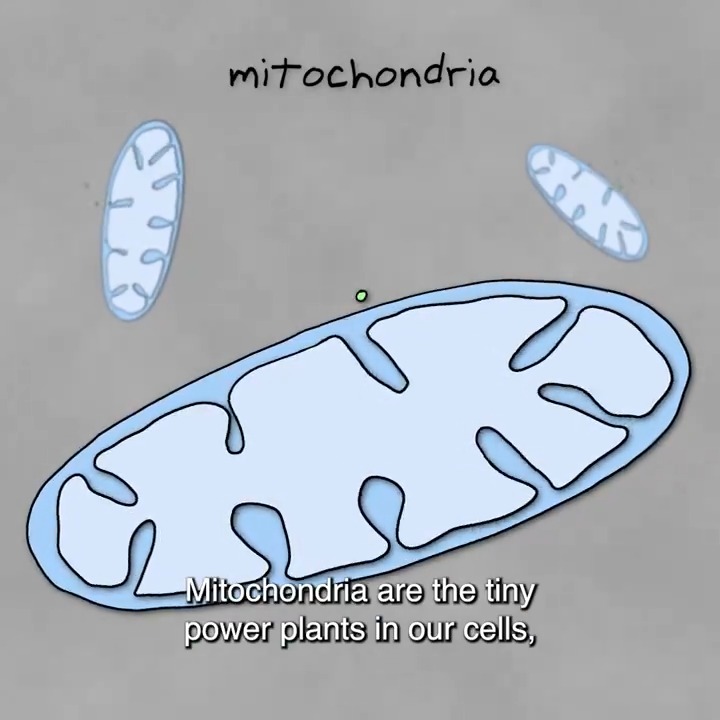
Science Corner: David Friedberg Explains Recent Mitotherapy Breakthroughs ⚡️ On E224, david friedberg broke down what mitotherapy is and how recent discoveries could unleash this treatment for many diseases: "So mitochondria are the powerhouse of the cell." "Every cell in our body gets its energy, which is what it... show more

58,412 Aufrufe • vor 1 Jahr •via X (Twitter)
11 Kommentare

@friedberg Great discussion about the recent research in mitochondria. I was fortunate enough to interview the author of one of the studies, @MitoPsychoBio If you’re interested in mitochondria, you definitely want to know Dr. Picard!

The holy grail of insight needed to rehabilitate the human race! Leading psychiatrist says “this is the most important interview of all time, it solves the human condition, ends suffering & turmoil at its source & finally makes sense of our lives!”

@friedberg I would highly recommend interviewing Dr Roger Seheult. Clinical Professor at the School of Medicine and Allied Health at Loma Linda University. Natural sun exposure improving mitochondria and curing severe covid.

@friedberg Very impressed that @friedberg is an @AphexTwin fan.

@friedberg I’m assembling a team to make angiogenesis abundant. @Nicole_Paulk x @JessLaMae x @Jiankui_He x @foundmyfitness

@friedberg In most cases loss of mitochondria is an effect of inflammation not a cause of the disease. It may delay cell death in some cases, which is a big positive, but it isn’t going to cure the disease.

@friedberg Mitochondrial peptides are probably the most readily accessible mitochondrial therapy at the moment. And of course injectable NAD+, which arguably has its most profound effect in the mitochondria, has exploded in popularity.

science corner is quickly becoming my favorite segment of the pod. would love to hear interviews with people like neil riordan or scotty nelson/ed clay, and go deeper into the specific stem cell therapies they offer. also would be great to hear more about how red light therapy repairs mitochondria.

@friedberg mitochondria = cell's powerhouse, data = marketing's powerhouse. tested 100+ accounts, optimizing engagement is like cellular energy—precise inputs, measurable outputs. friedberg's insights always spark new angles!

@friedberg Fasting causes the body to do this naturally.

@friedberg Now show us how mitochondria was created out of nothing at the same time the cell was created. The complexity of this is beyond accidents.






![Andrew Tunstall reversed severe bone on bone hip osteoarthritis And a NEW study detailed how Mitochondria might be the key in speeding up cartilage regeneration That links with this clip of Dr. Shawn Baker. He’s telling his patients to consider changing their diet instead of "immediately opting for a knee replacement." His research shows insulin spikes cause cells which usually keep joints moving smoothly to release inflammatory cytokines that might be harmful BAKER: “If you have extra belly fat, man or woman, that [fat] is driving inflammation [and] all kinds of metabolic problems.”. If we consider the work of World Renowned cancer biologist Professor Thomas Seyfried... his research shows Nutritional Ketosis enhances Mitochondrial efficiency, tying to the Study in Bone Research from Zhejiang University where transplanted Mitochondria for Osteoarthritis helped cartilage regeneration. With these insights, new paradigms are emerging in the field of nutrition and mitochondrial health](https://image.24vids.com/tw-2032194390056452505/amplify_video_thumb/2032180443936935936/img/EOwyoGyNn-tfmzET.jpg)


