正在加载视频...

视频加载失败

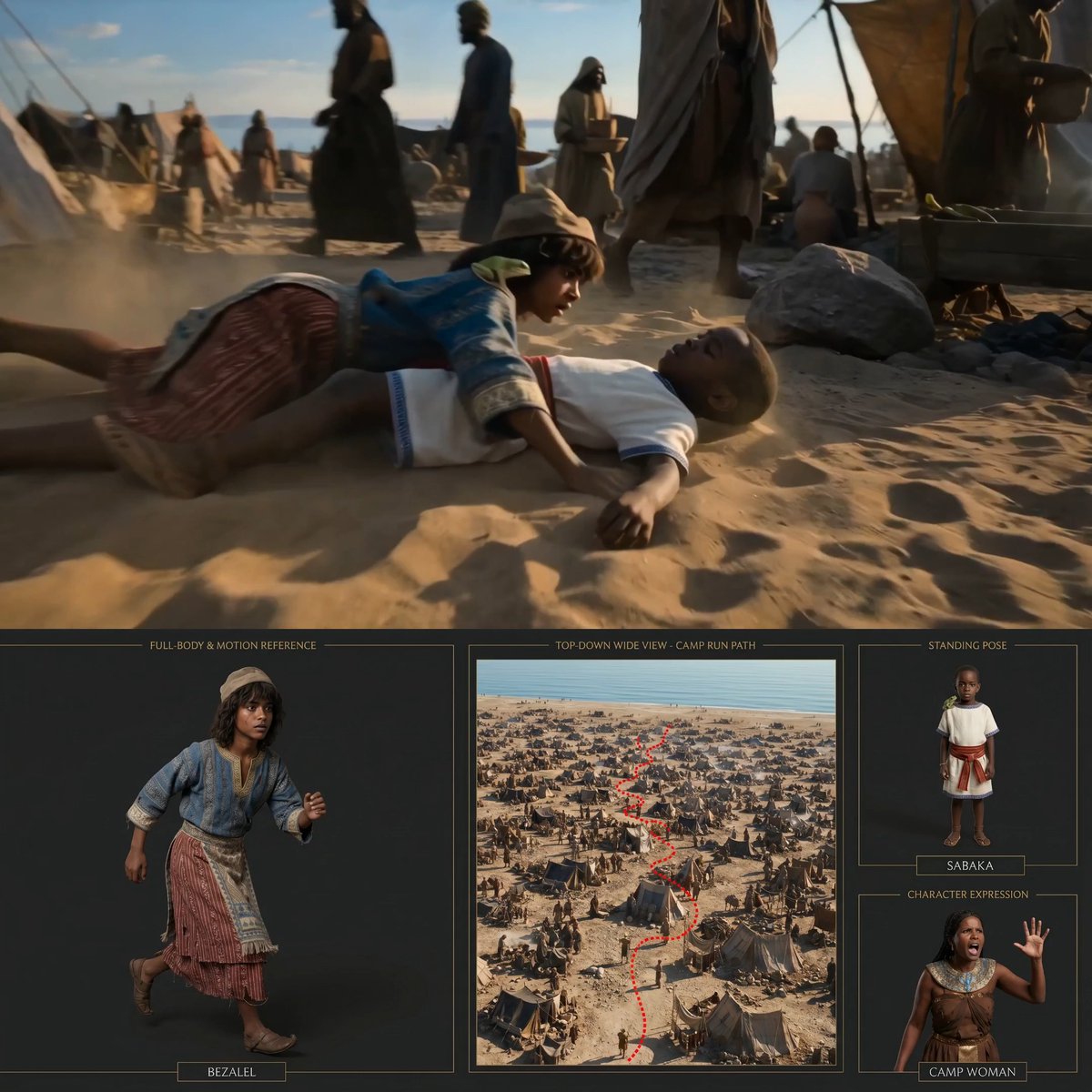
Seedance 2.0 4K is now live in ElevenCreative. Native 4K resolution, character consistency across shots, and reference-based style control - precision at every frame, across every shot.

371,630 次观看 • 2 个月前 •via X (Twitter)

0 条评论

暂无评论

原始帖子的评论将显示在这里

相关视频

📖THE STEP MOST CREATORS SKIP IS WHY THEIR AI ANIMATION LOOKS INCONSISTENT Consistency across clips doesn't come from prompting — it comes from the reference image. The pipeline, step by step: ▪ Start with ChatGPT Image 2 — generate a full character design sheet first, not just a single frame. Multiple angles, expressions, and outfit variations in one image keeps the character consistent across every scene ▪ Build a storyboard inside ChatGPT Image 2 as well — define each shot, camera angle, action, and mood before touching Seedance at all. This is the step most people skip and it's the reason clips look disconnected ▪ Define a color palette and lighting mood early — golden afternoon light, soft warm tones, dramatic shadows. Lock those values and repeat them across every prompt ▪ Take each storyboard frame into Seedance 2.0 as the reference image — one frame becomes one clip ▪ Write the Seedance prompt around the character action, not the scene description. The scene is already in the image. The prompt handles motion, camera behavior, and timing ▪ Keep clip duration between 4-6 seconds per shot — shorter clips give more control over pacing and reduce motion drift on character faces ▪ Match camera movement type across consecutive clips — if one shot dollies in, the next should hold or pull back, not dolly again The consistency across these frames comes from the character design sheet, not from luck. Seedance reads the reference image and the prompt together — if the reference is detailed enough, the output stays on-model. This video was created by ALOKXMEHTA 📥 tomorrow: the exact ChatGPT Image 2 prompt structure used to generate a multi-angle character design sheet like this one 🔖One article covers the entire workflow — it is pinned below, do not scroll past it.

Zentrix⌚️

14,015 次观看 • 1 个月前

You don't understand... Higgsfield MCP + Claude just automated AI film making. Every single step you used to grind through to make an AI movie, you can now do 10x faster. Drop the script into Claude Opus 4.8 and say: "Here's my script. Break it into a full shotlist. Shot number, scene, shot type, camera move and the action in each frame." Now the whole film is mapped, shot by shot. - Pull your assets. Ask Claude: "From this shotlist, list every character, every location and every prop across the whole film." That's your build list. The stuff you would need to generate and give as references in next steps. - Build the character sheets. Higgsfield MCP is connected, so Claude has hands now to do stuff directly. It generates the images itself. Have the full body, back view and close up in the character sheet. One per character. Each sheet becomes the locked reference for that face. Same move for locations, generate the empty plate for each one before anyone steps into it. - Generate the frames. Feed Claude the references plus the shot and have it write and fire the Seedance 2.0 prompt. "Using the lead's character sheet and the alley plate, generate shot 4 in Seedance 2.0. Low angle, slow push-in, rain." Claude builds the prompt, calls Seedance 2.0 and the frame lands back in chat. Use a Seedance 2.0 skill to teach Claude how to prompt it properly. Now, there are 3 ways to make the shots. Pick one per scene. - Pure prompting. Fastest one. You describe the action in words and let Seedance interpret it. For consistency across a sequence, feed it a frame from the previous shot so the look carries. - Storyboarding. You hand it a panel and it matches that composition exactly. Way more control over how the shot is framed. The tradeoff is that it can introduce more cuts than you actually want. - Path Control System This is the latest technique Seedance 2.0 technique. Generate a still base plate of the scene. Draw a red line across it to mark the exact path of the movement, then describe what's happening. Seedance follows that line for the action. Also ask Claude to remove the red line when animating. This is the one for anything where motion has to land precisely. The output reads like real live action. - Lastly, generate every clip you need, then cut them together. Get it to Capcut for editing and audio design. And that's it. The pipeline that used to need a full crew and a studio can now run from one Claude chat. 2026 is gonna be wild

Rez Karim

10,951 次观看 • 2 个月前