Video wird geladen...
Video konnte nicht geladen werden
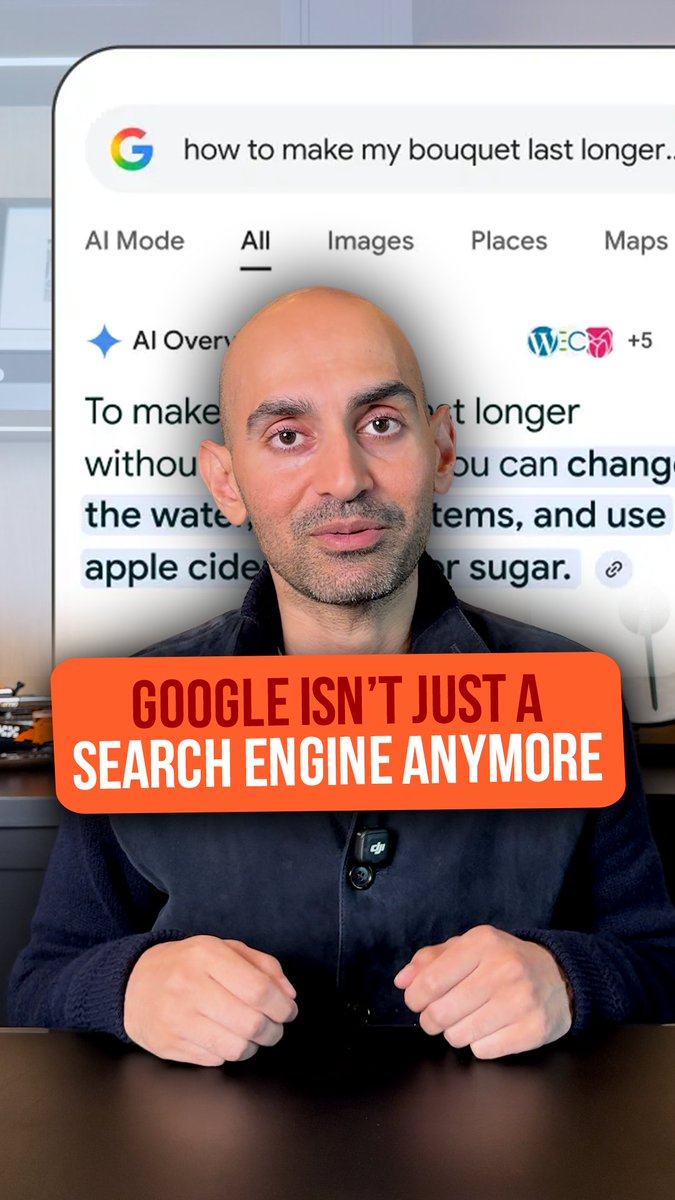
"SEO used to mean optimizing for each Google vertical—web, image, shopping. But with liquid search, that thinking is outdated," says Giorgio Taverniti. Focus on the core: the entity, the product, the structured data. Google will reshape the content - your job is to deliver quality at the source. 👇

14,115 Aufrufe • vor 1 Jahr •via X (Twitter)
0 Kommentare
Keine Kommentare verfügbar
Kommentare vom Original-Post werden hier angezeigt


![HERMES AGENT CAN RUN YOUR SEO. CONNECT IT TO GOOGLE SEARCH CONSOLE AND GOOGLE ANALYTICS. IT MONITORS, REPORTS, AND WRITES CONTENT BASED ON YOUR ACTUAL DATA. stop paying an SEO agency. stop doing the tedious work yourself. Hermes handles it 24/7. WHAT THE SEO AGENT DOES: → pulls clicks, impressions, CTR, and position data from Google Search Console automatically → tracks traffic, user behavior, and conversions from Google Analytics → checks which pages are indexed and which are not → submits sitemaps for indexing → inspects URLs for crawl or indexing issues → identifies ranking drops and keyword opportunities → writes content based on what your data says works → generates weekly SEO performance reports → delivers everything to Telegram CONNECT GOOGLE SEARCH CONSOLE: two paths: 1. COMPOSIO (managed, easiest): paste this into Hermes chat: https:// composio. dev/hermes or add to config.yaml: mcp_servers: composio: url: "https:// connect.composio. dev /mcp" headers: x-consumer-api-key: "YOUR_COMPOSIO_API_KEY" Hermes prompts you to authenticate. one OAuth flow. done. 2. CLAWLINK (one-click): 9 Google Search Console tools exposed via MCP. hosted auth. nothing to run or maintain. paste the install prompt into Hermes chat. CONNECT GOOGLE ANALYTICS: same Composio setup. one MCP endpoint handles both Search Console and Analytics. authenticate once. both data sources available. your agent can now query: → search analytics (clicks, impressions, CTR, position) → traffic by source and landing page → user behavior and conversions → indexing status for any URL → sitemap status WHAT TO AUTOMATE WITH CRON: weekly SEO report (Monday 8am): "pull search analytics for last 7 days. compare vs previous week. flag any keyword that dropped more than 5 positions. flag any page that lost more than 20% clicks. deliver report to Telegram." daily indexing check (6am): "check if any new pages are not indexed. if found, submit sitemap and report to Telegram." wakeAgent gate: skip if all pages indexed. content opportunity scan (weekly): "find queries where my site appears on page 2 (positions 11-20) with high impressions. these are the keywords one good article could push to page 1. deliver list to Telegram with suggested topics." CONTENT WRITING FROM YOUR DATA: the difference between generic SEO content and content that ranks: your agent has your Search Console data. "write a blog post targeting [keyword]. my current position is 14 with 2,400 monthly impressions. check what pages currently rank 1-3 for this keyword. write something better. include the gaps they miss." the agent researches competitors via Firecrawl, checks your existing content in the wiki, and drafts based on real data. not guesswork. WHAT THIS REPLACES: → SEO agency: $1,000-5,000/month → SEO tool subscriptions: $100-300/month → manual reporting: 3-5 hours/week → manual content research: 2-4 hours/week Hermes SEO agent: one profile with two MCPs. cron jobs handle the monitoring. you handle the decisions. SETUP IN 10 MINUTES: 1. create a profile: hermes profile create seo-agent 2. write SOUL.md: "you are an SEO specialist. monitor search performance daily. flag ranking drops and opportunities. write content based on Search Console data. weekly report every Monday." 3. connect Google Search Console + Analytics via Composio or ClawLink 4. set cron jobs (weekly report, daily index check, content opportunity scan) 5. set model: DeepSeek V4 for routine monitoring. Sonnet for content writing. 6. connect to Telegram for delivery. the agent runs. you review reports. rankings improve because you stopped guessing and started using your own data. comment HERMES and I'll send you the full setup guide for running Hermes Agent as your SEO specialist. full Hermes architecture deep-dive in the article 👇](https://image.24vids.com/tw-2073490805138812970/amplify_video_thumb/2073490343106850816/img/7QjVi6XeTlmnZQFM.jpg)