Загрузка видео...

Не удалось загрузить видео

На главную

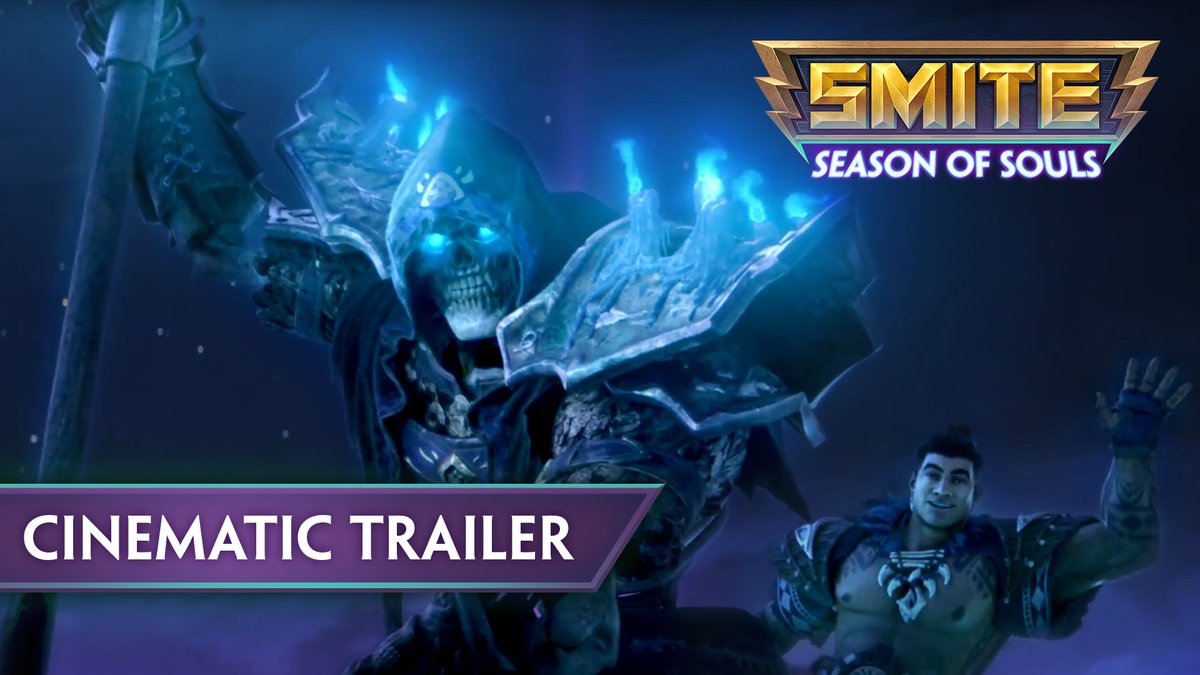
The Ferryman

52,510 просмотров • 1 месяц назад •via X (Twitter)

Комментарии: 0

Нет доступных комментариев

Здесь появятся комментарии из оригинального поста

Похожие видео

Charon Wore Black (The Death of Digenis) Hear a medieval Greek epic of the akritai, the warriors who held the eastern frontier of the east Roman Empire against the Arab raids, and of the day Charos (or Thanatos), Death himself, came in black to wrestle the strongest of them out of life. The Akritic folk songs about Digenis survive to this day across the Greek world. This version comes from Cyprus, and the song given here is only one episode from the wider Digenis tradition, not the full epic of Digenes Akritas. The epic itself is most commonly thought to have been first compiled around the 12th century AD, building on earlier material which was primarily derived from oral sources. According to Chrysovalantis Kyriacou’s 'The Byzantine Warrior Hero', the heroic tone of these epics and songs also fit the warrior culture of the east Romans. The Charopalema, or death-wrestling theme, “seems to convey pre-Christian heroic values concerning the proper way of dying,” where life was loved, but “not life at any price,” since in Homeric and archaic Greek tradition “death on the battlefield was more honourable than inglorious old age.” Kyriacou then connects this older heroic ideal to the east Roman warrior aristocracy, where death in battle became “the social privilege of the hero-aristocrat.” About the figures: Basileios, known as Digenis Akritas, was an east Roman akritas, a frontier warrior of superhuman, near-invincible strength who guarded the eastern border of the empire against raids from the Arabs. The epic and the folk songs give him a Herakles-like childhood, since as a boy he killed a lion and two bears with his bare hands, and as a man he slew dragons, defeated whole bands of frontier brigands single-handed, hurled boulders larger than houses across the sea to drive off Saracen (Arab) ships, and leapt from the mountains of Cyprus to Anatolia and Crete to chase down raiders. His strength was so notorious that the emperor himself rode out to the frontier to see him in person. That Herakles-like pattern becomes clearest in the death songs, where Digenis does not merely die, but wrestles Charos himself. “The struggle between Digenes and Charos” recalls “the fight between Herakles and Hades,” so the Cypriot song turns the ancient heroic combat with Death and the underworld into a medieval Greek folk scene. Charos, also called Charontas or Thanatos, is the medieval and modern Greek folk personification of Death, in whom older Greek death-deities merged: Charon, “the mythological ferryman carrying the souls to Hades,” and Thanatos, “the winged god of death.” He also takes on a Hades-like role, since “the underworld, or Black Earth (Mavrigi), is the realm of Charos the psychopomp,” making him not only the taker of souls but the lordlike figure of the death-realm. Out of that merger came a black-dressed, sometimes winged rider who does not merely wait for the dead, but comes to take souls himself, and when they are strong enough to resist, he wrestles them out of life. Greek folk tradition could imagine him vividly at the deathbed, since “the dying person, usually a young man, may call out that he can see Charos approach, sword in hand, often dressed in black, or winged, like ancient Hades.” Source: Chrysovalantis Kyriacou, The Byzantine Warrior Hero: Cypriot Folk Songs as History and Myth, 965–1571 You can find the Greek and English lyrics in the reply.

Herald of Rome

111,068 просмотров • 1 месяц назад

Epic of Gilgamesh, an ancient Sumerian and Akkadian epic poem about the eponymous hero, Gilgamesh. The literary history of Gilgamesh begins with five Sumerian poems about Gilgamesh (formerly read as Sumerian "Bilgames"), king of Uruk, some of which may date back to Third Dynasty of Ur (2100 BC). These independent stories were later used as source material for a combined epic in Akkadian. The first surviving version of this combined epic, known as the "old Babylonian" version, dates back to 18th Century BC and is titled after its incipit, Shktur eli sharr+ ("Surpassing AlI Other Kings"). Only a few tablets of it have survived. The later Standard Babylonian version compiled by Sin-lqi-unninni dates to somewhere between 13th-10th Centuries BC and bears the incipit Sha naqba îmuru ("He who Saw the Deep(s)", Iit. "He who Sees the Unknown"). Approximately two-thirds of this longer, twelve-tablet version have been recovered. Some of the best copies were discovered in the library ruins of 7th Century BC, Assyrian king Ashurbanipal. Epic of Gilgamesh is oldest known epic poem. Due to its age and proliferation across ancient Near East, Epic of Gilgamesh has influenced epic poetry throughout time. At the beginning of Epic of Gilgamesh, Gilgamesh, semi-divine king of Uruk, terrorizes his people. No one can stop him since he is part divine and was molded by mother goddess Belit-ili (Ninhursag). The gods heard people's pleas against him, and, in response, Aruru (Ninhursag) created Enkidu as his rival. Enkidu is uncivilized at first; however, at a hunter's request, Gilgamesh sends out Shamhat, a cultic prostitute, to have sex with Enkidu and civilize him. Once Enkidu becomes civilized, Shamhat recounts Gilgamesh's tyranny and a series of Gilgamesh's dreams. These dreams are interpreted to mean that a comrade of equal stance will come to Gilgamesh and that Gilgamesh needs to seek out Enkidu to befriend him. Guided by Shamhat, Enkidu goes to Uruk, stops Gilgamesh from interfering with a wedding, and they fight in the streets until they come to a draw, becoming friends. Once they become comrades, Gilgamesh and Enkidu seek out Humbaba, fire-breathing guardian of Pine Forest, to slay him and acquire fame. Before they reach monster, Gilgamesh has two dreams: one where he is victorious over Humbaba and one that depicts calamity. After killing Humbaba with blessings of Ninsun (Gilgamesh's mother) and Shamash (sun god), pair cut down trees and return to Uruk. Back in Uruk, Ishtar (goddess of sexual desire and war) asks Gilgamesh to have sex with her. Gilgamesh refuses the goddess's request because he knows that each of her lovers will die or meet insufferable consequences. Gilgamesh's rejection infuriates Ishtar and she threatens king of the gods and her father, Anu, with raising the dead if he does not give her the Bull of Heaven. Ishtar then lets the Bull of Heaven loose onto Uruk, causing deaths of hundreds of young men. Enkidu encounters the bull and kills it with the help of Gilgamesh, offering its innards to Shamash, further enraging Ishtar. Later on, Enkidu dreams of a counsel of the gods deciding that he should be put to death for his and Gilgamesh's deeds against Humbaba and the Bull of Heaven. Enkidu's dream ultimately comes true, and he dies of a withering illness. Now, Gilgamesh has lost his only friend and equal, mourning the death with a statue of Enkidu and exiling himself to the countryside. As Gilgamesh roams, he reflects on Enkidu's death and realizes his own mortality. He sets out to find Utnapishtim, the only immortal person, to figure out how to become immortal himself. To get to Utnapishtim, Gilgamesh first passes through the blinding darkness of Mount Mashu and into a land of jewels, where he meets Siduri, the alewife. Siduri instructs Gilgamesh to find Ur-shanabi, the ferryman, and, upon finding Ur-shanabi, he eventually carries their boat to Utnapishtim. 🎥© Peter Pringle, Copperleaves on Youtube. #archaeohistories

Archaeo - Histories

48,645 просмотров • 1 год назад