Загрузка видео...
Не удалось загрузить видео
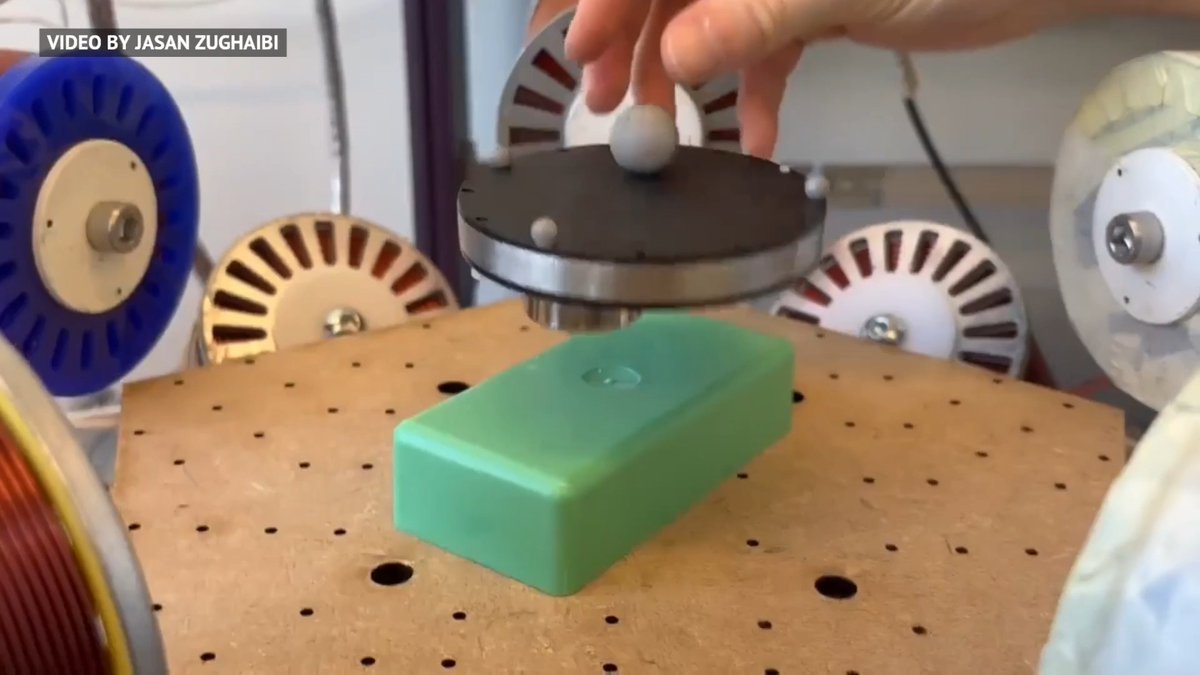
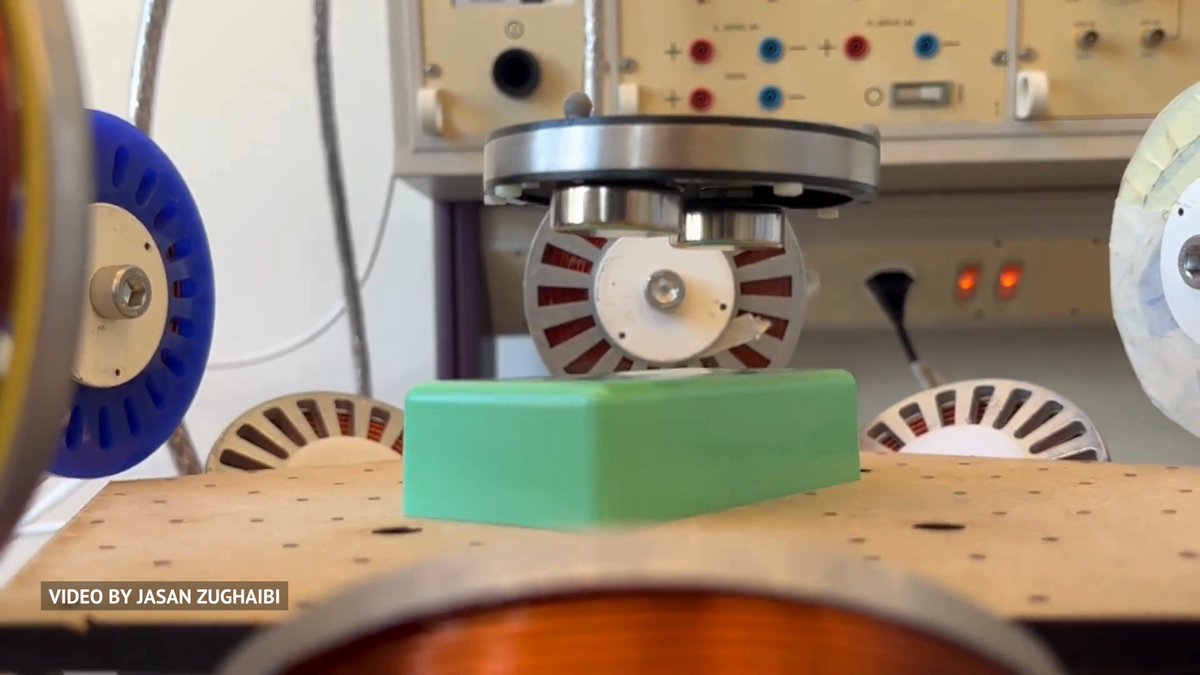
This phenomenon is called quantum locking. It is a phenomenon where a superconductor is able to “trap” and “float” above a magnetic field, defying gravity. It happens due to quantum effects that freeze the magnetic field in place. To achieve quantum locking, you need a superconductor material and a... show more

218,568 просмотров • 3 лет назад •via X (Twitter)
Комментарии: 10

I’m fascinated by this kind of thing. Quantum locking, also known as "flux pinning," is a captivating phenomenon with several potential applications. However, the practicality of using it for future vehicles hinges on several challenges: 1. **Temperature Requirement**: Superconductors that exhibit this property currently require very low temperatures to function, often near absolute zero (-273.15°C or -459.67°F). Keeping materials at such low temperatures demands energy and specialized equipment, which could be challenging to implement on a mobile platform like a vehicle. 2. **Material Limitations**: As of my last update in September 2021, many high-temperature superconductors (those that work at "warmer" temperatures, but still extremely cold by everyday standards) are brittle ceramics, which might not be ideal for all transportation applications. 3. **Magnetic Fields**: The setup requires a consistent and strong magnetic field. Generating and maintaining such fields can be energy-intensive. Additionally, strong magnetic fields can interfere with electronic systems and might be a health concern if not properly shielded. 4. **Safety Concerns**: In the event of a system failure, such as the cooling system malfunctioning, the vehicle could suddenly lose its levitation. Designing safety systems to handle such scenarios would be paramount. 5. **Infrastructure**: The widespread adoption of quantum-locked vehicles would require entirely new infrastructure, which could be expensive and time-consuming to build. 6. **Environmental Impact**: The production of strong magnets (often made of rare-earth metals) and superconducting materials has environmental concerns associated with mining and processing. That said, in specific niches, this technology might become practical. For example: - **Trains**: We already have magnetic levitation (maglev) trains, which don't use quantum locking but rather electromagnetic suspension. A quantum-locked train might offer advantages in terms of efficiency and could possibly be a future evolution of this technology. - **Specialized Vehicles**: Vehicles that operate in controlled environments, like certain industrial settings, might benefit from this technology if the benefits outweigh the challenges. In conclusion, while quantum locking has potential applications in transportation, many technical and practical challenges need to be addressed before it can be widely adopted for everyday vehicles. However, with advancements in superconducting materials and cooling technologies, its feasibility in niche applications could increase in the future.

@EngWritters UFO Technology

Lets hope so

@EngWritters Fascinating
tell me about it!

@EngWritters Now let's make it into a pizza oven.

@EngWritters @Tin_Tin265 الحاجات دي من زمان و لا في قلق بيحصل اليومين دول؟ 😂

@EngWritters The new claim is materials at room temp, super cooled materials are old news :)

@EngWritters 视频中的人用祼手直接接触了低温物体?

@EngWritters A friend shared this with me. 🧠. 🤯.