Загрузка видео...
Не удалось загрузить видео
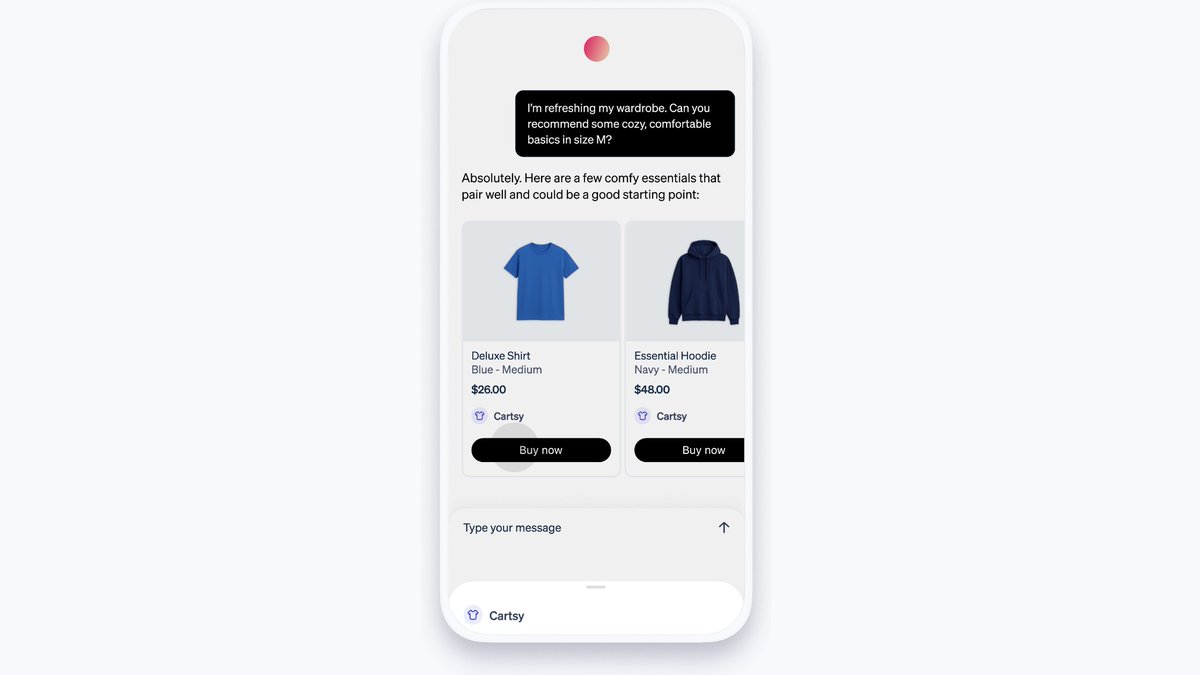
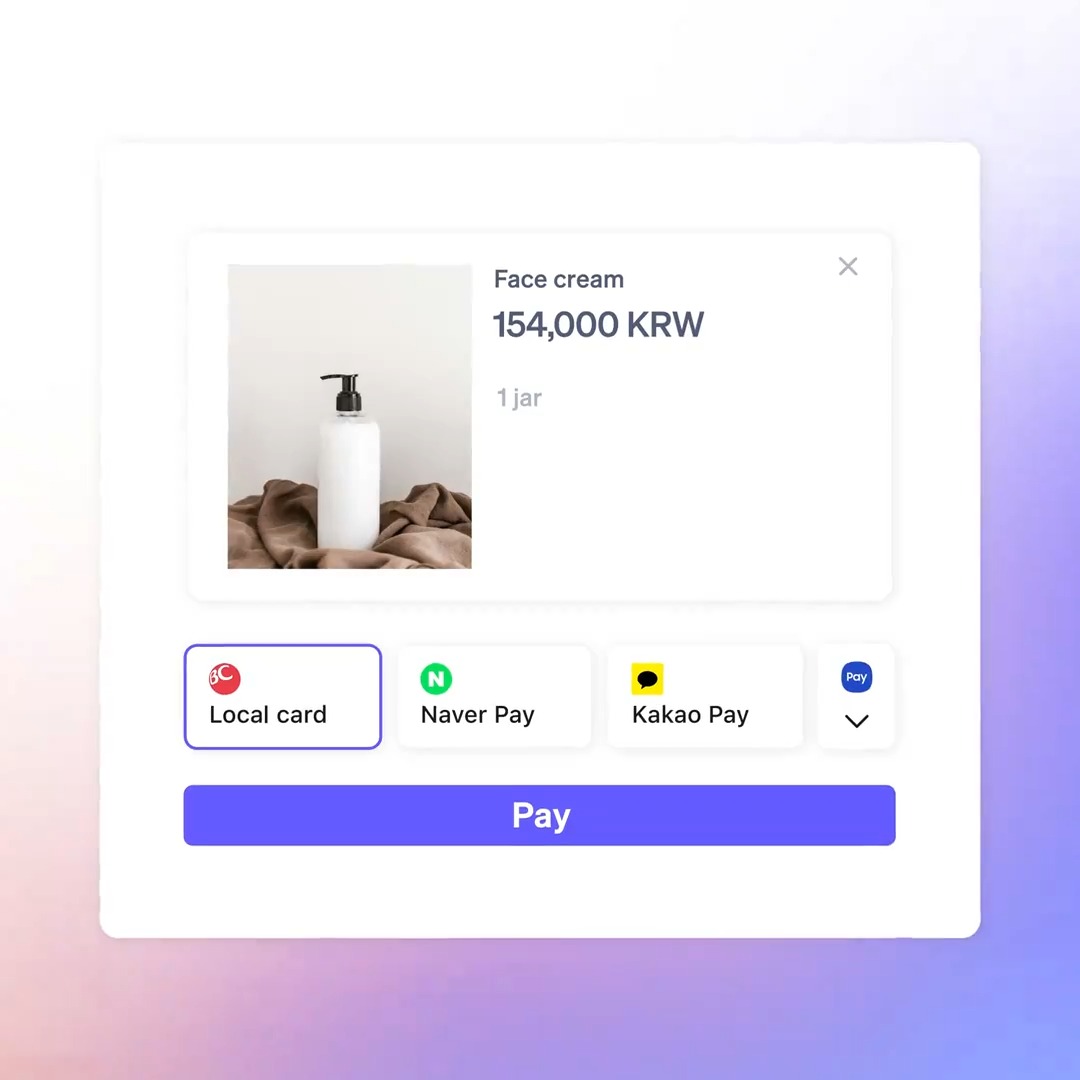
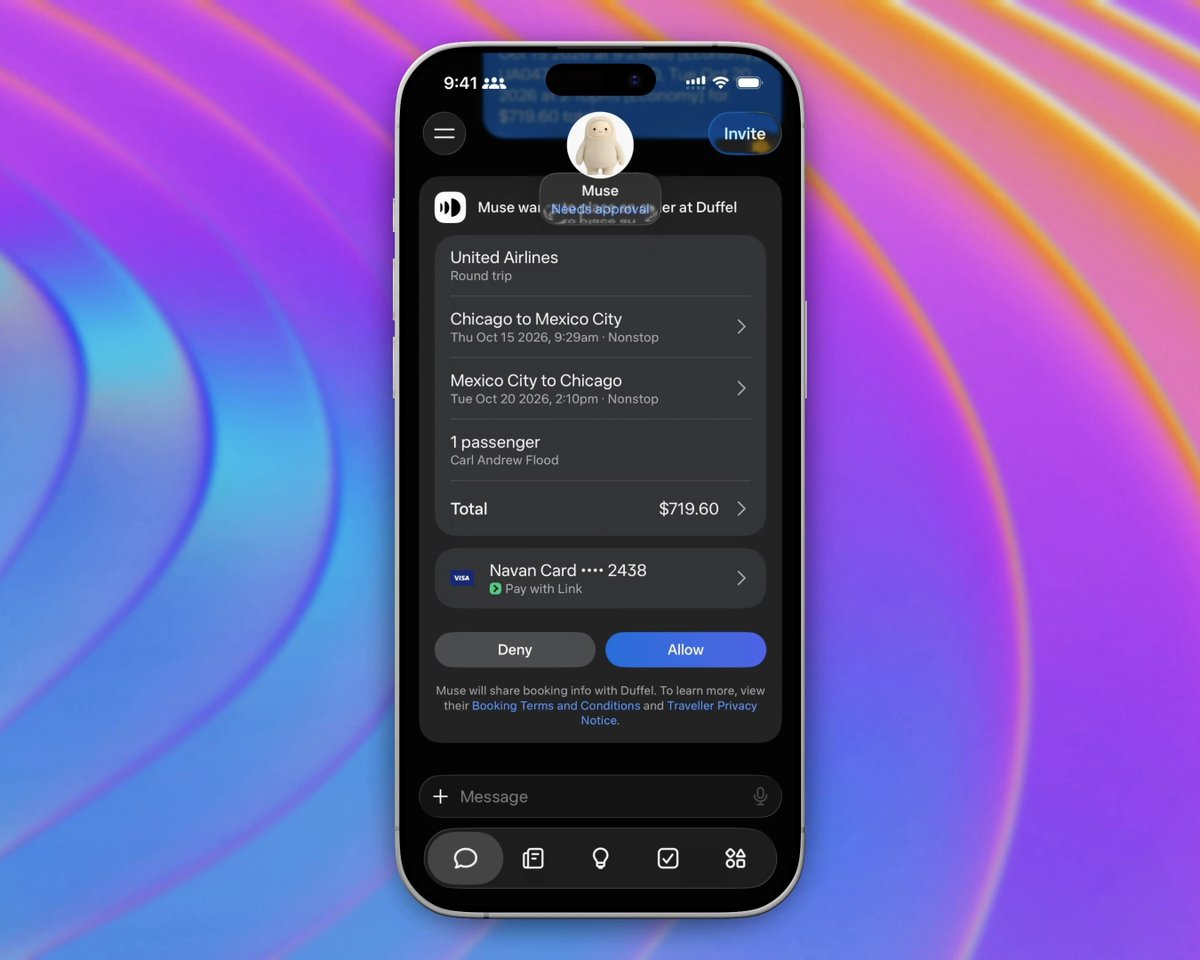
Use WebMCP to help your agents complete payments in a browser. Available now on Stripe Checkout:

20,161 просмотров • 5 дней назад •via X (Twitter)
Комментарии: 18

As non USA founder having USA llc and EIN is itin necessary for using stripe business account?

The interesting part is downstream of checkout. Once an agent completes the purchase, the merchant has to tell an authorized agent apart from a bot, and disputes get messier when the buyer was never the one clicking. Curious how that side is handled.

Displaying annual pricing as monthly equivalents and removing required credit cards on free trials usually lifts initial conversions noticeably. We saw this on @ZenovayDX ( after simplifying our own onboarding flow. What does your current checkout funnel look like?

wait fewer tokens and tool calls for checkout is kinda huge

Fewer tools at checkout is progress. The control question is still which mandate let the agent open that checkout in the first place.

Browser payment agents are useful only with spend caps and a clear revoke path. Checkout without those is still a demo dressed as production.

Submit_payment has no confirm step in that tool list, what stops it from firing before a human signs off on the amount?

WebMCP makes the agent flow concrete by giving checkout a discoverable, browser-native capability. The important detail is that the agent can find and install the skill before completing payment, which is a much clearer contract than ad hoc automation.

Great we’ve automated the unauthorized payment

The useful shift is not just a smarter chat. It is an agent that can finish the transaction and leave a clean outcome behind.

Stripe 把 WebMCP 接到 Checkout,解决了 agent 在浏览器里找到并完成支付的入口;下一步关键是小额、按次服务怎样自动结算。我们刚测的 Coinbase CDP Facilitator × Solana upto,先设预算上限,任务完成按实际用量扣 USDC,约 75ms 验证。入口和结算都顺了,agent 才真能自己办事。

Payments are where agent convenience meets real accountability. Faster checkout is useful. But the product gets serious when permissions, spending limits, receipts, and reversibility are built in not bolted on later.

hmm, checkout just grew a little robot-shaped doorway. the browser has opinions now

A browser-session MCP gives agents a payment surface, not a settlement ledger. The interesting test is whether the session logs the pre-auth hash before Stripe’s own confirmation clears.

agents filling in the payment form themselves... somewhere a chargeback team just felt a disturbance...

Interesting this lands on checkout first. The same token/tool-call savings show up earlier in the funnel - product discovery and comparison - once an agent can read structured fields instead of parsing rendered pages. Checkout is the last mile of a problem that starts at search.

A 42% reduction in tokens and 38% fewer tool calls: the compliance equivalent is discovering the checkout has finally stopped asking the customer to re-consent to the same payment. Efficient, provided the audit trail survives the agent.

But not in Australia?