Video wird geladen...
Video konnte nicht geladen werden
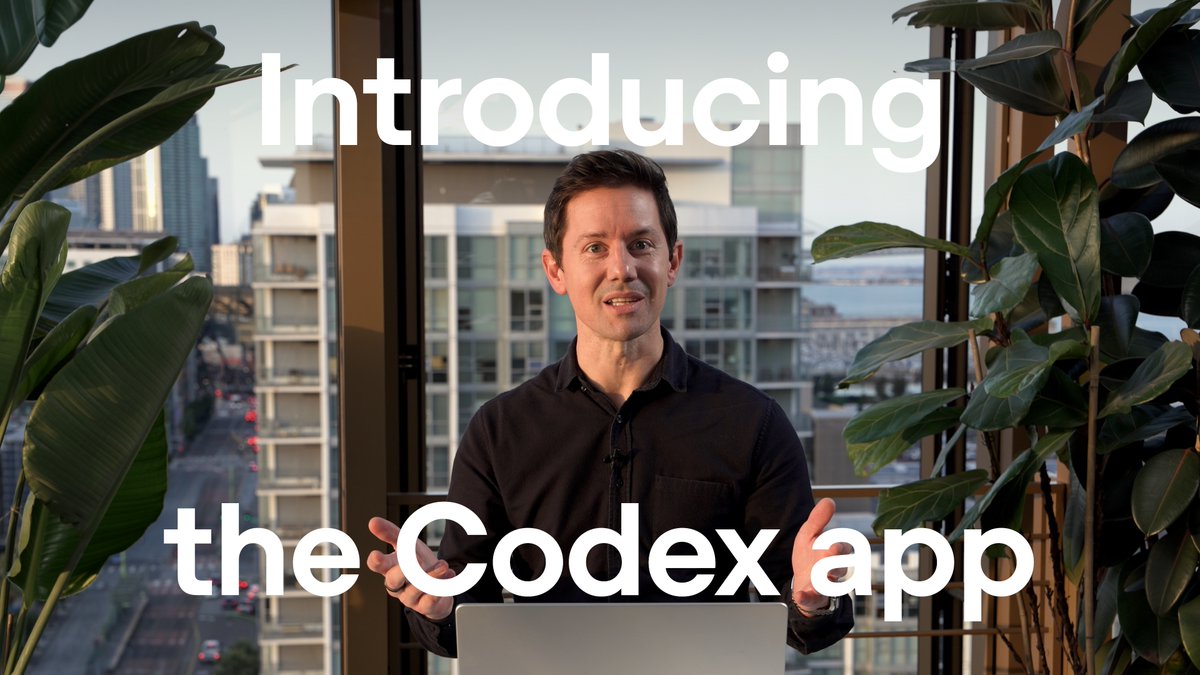
Using managed agents is perfect for running coding agents anywhere in the world. The beauty of this: • You can resume a session from anywhere • You can fork a session into multiple agents • You can run parallel agents • You can reuse environments Here is how you... show more

15,931 Aufrufe • vor 5 Tagen •via X (Twitter)
30 Kommentare

Here, I'm using DigitalOcean's Managed Agents. It's in public preview, and they are planning to fully release it later this year. Here is the link to Managed Agents: Thanks to the @digitalocean team for partnering with me on this post.

This was really great @svpino! Thank you for partnering with us!

The reusable environment is the sneaky powerful part. Forking an agent is useful, but forking it with the same working context and dependencies intact is what makes parallel work feel safe.

Forking is the part I would test hardest. Agents forked from one session inherit its earlier tool results, so if one of those was stale or partial, every fork carries it forward.

Managed agents make resuming, forking, and parallel runs easier; the constraint shifts to giving each agent a well-scoped task and a reusable environment.

Parallel agents, forked sessions, reusable environments. Truly the fastest way to generate merge conflicts from a beach.

Session forking is one of the most interesting parts here. Being able to fork a session into multiple agents means you can explore different approaches from the same starting context, while persistent environments make it easier to resume and reuse that work. The key challenge becomes keeping state and changes reliable across those parallel sessions.

managed agents plus forking sounds like a fancy way of saying checkpoint and clone, still good though

does forking a session copy the full context or just branch from wherever it last stopped

resume/fork/parallel is the dream. also how one bad tool grant multiplies. per-session permissions or you'll fork an incident.

Managed agents make global collaboration faster, smarter, and beautifully seamless.

forking sessions is great, but managing dependencies across agents can get tricky

👀👀

forking agents is easy. owning which one broke prod is the actual feature

I’ve got a few ideas for bringing more attention here

Forking a session becomes much more useful when the UI shows the common starting point and what each branch changed. Otherwise you can run two agents in parallel but still spend the review time reconstructing which result belongs to which attempt.

Enjoying what you’re building. DM me and let’s explore a partnership.

Resume/fork sessions sound great for async work across time zones. Parallel agents also seem handy for exploring options without losing context. Thanks for the practical breakdown.

resume only counts if the sandbox files come back too. is that a restored disk, or a new box with the transcript replayed?

Managed agents dont account for the variance in tool availability and descriptions across regions.

Forking a session into multiple agents is the part I want to try. When two forks edit the same files, how do you bring the results back together, do they each get their own branch?
Love the concept here. Reach out and let’s build something together 🚀

Let’s make moves, DM me ❤️

Your project really got me excited 🔥 Follow me back or send me message please

the parallel part only works if every diff stays small enough to actually read

portability pays off when the resumed or forked session carries a legible state: what changed, what it assumes, and who owns the next decision. otherwise, you are just moving hidden context between machines and agents.

🤝 Let’s collab and grow together 🚀 Follow back 💬
Following with interest Happy to collab 👋
Resume and fork from anywhere is the underrated agent UX. Session continuity beats another model shootout.

Resuming sessions saves context windows; forking scales compute. That’s the real leverage, running parallel experiments on one idea while you sleep. Efficient enough to make me swoon? Maybe not quite. But smart systems certainly are