Loading video...
Video Failed to Load
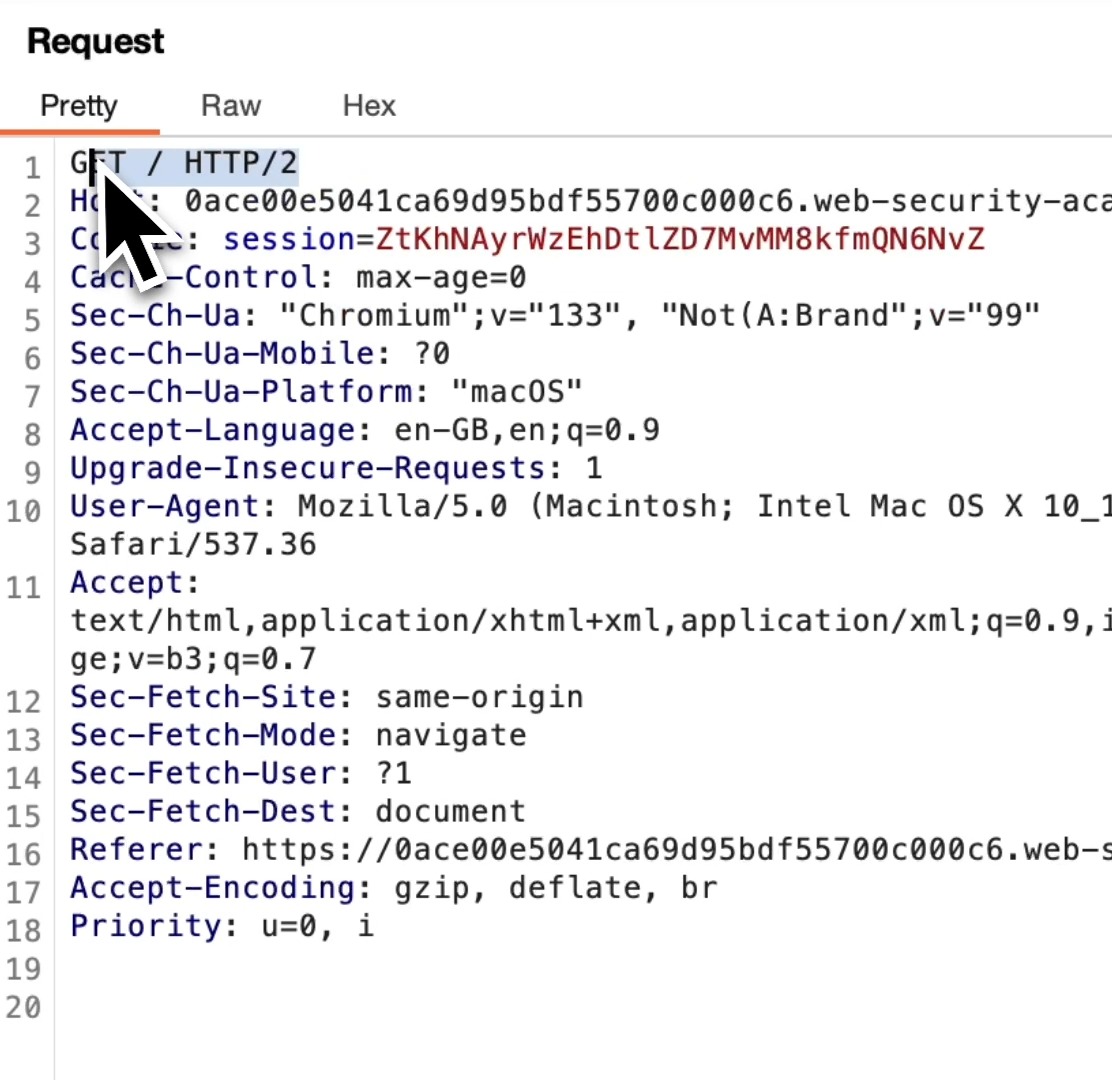
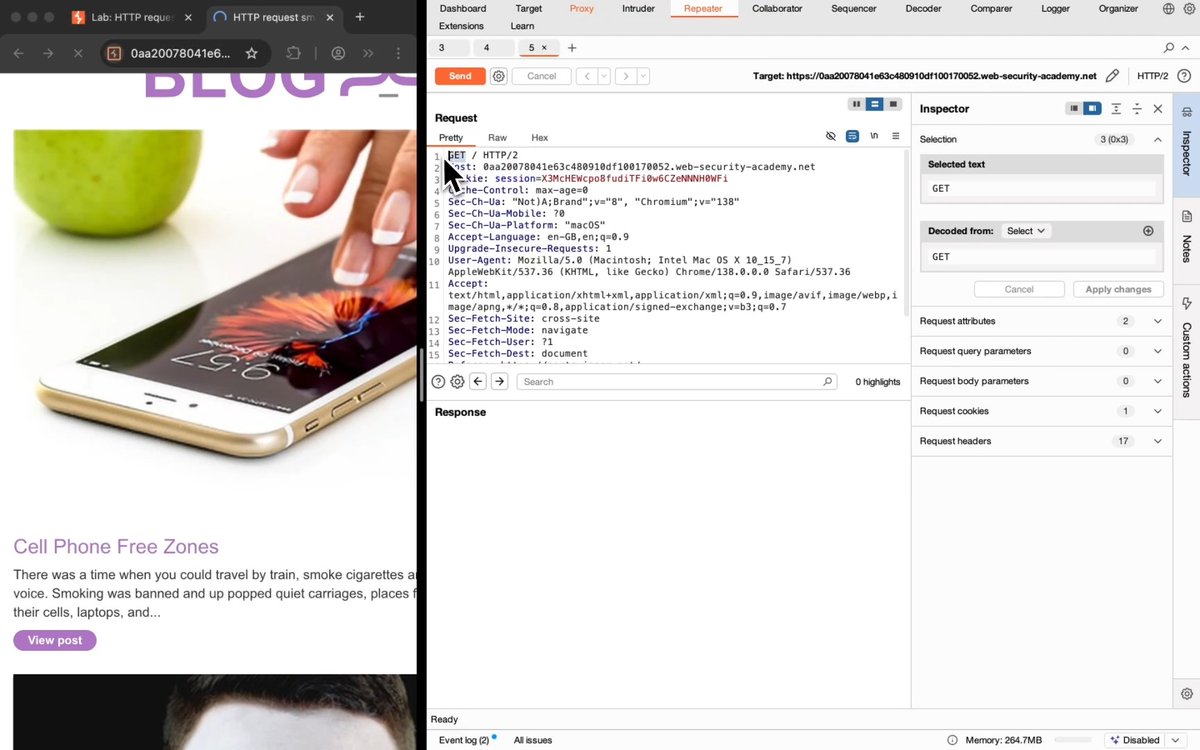
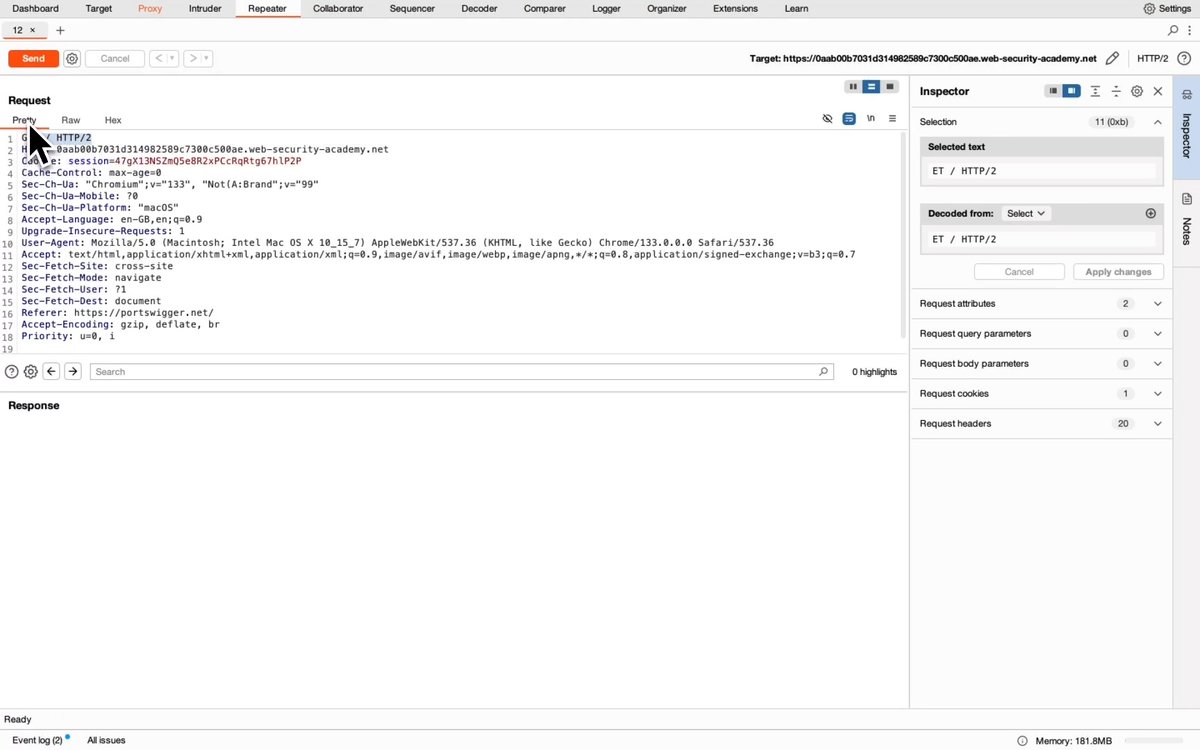
Want to find HTTP Request Smuggling vulns without manually crafting weird requests? Check out HTTP Request Smuggler, a Burp Suite extension that automates it for you! Learn more:

11,696 views • 1 year ago •via X (Twitter)
0 Comments
No comments available
Comments from the original post will appear here
Related Videos



![How to Find Path Delimiter Issues with Burp Suite Intruder Sometimes web servers treat special characters (like ; or ?) differently in URLs. This can lead to security issues like web cache deception or access control problems. Here's how you can test for path delimiter discrepancies: 1️⃣ Capture the Request Find a request you want to test GET /my-account HTTP/2 2️⃣ Right click the request and "Send to Intruder". In Intruder, highlight add a new position after /my-account followed by abc. It should look like this: GET /my-account§§abc HTTP/2 Attack Type = Sniper (only changing one spot). Payload: Paste a list of special characters, like this: ! # $ % & ' ( ) * + , - . / : ; = ? @ [ \ ] _ ~ ... A full list of delimiters can be found here: 3️⃣ Start the Attack Press Start Attack. Look at the Status, Length, and Response columns. Watch for differences (like bigger/smaller pages, changes to status code or different behavior) and if you notice something different then you've likely found a delimiter discrepancy! 🎉 Why is this important? When special characters confuse the server or cache, you might find: 🔸 Web cache deception: Caching personal pages by accident 🔸 Access bypass: Skipping security checks 🔸 Leaked info: Seeing data you shouldn't Try this lab for yourself and dive even deeper into how to exploit this when you find it: #BugBounty #WebSecurity #BurpSuite #EthicalHacking #Cybersecurity](https://image.24vids.com/tw-1919142786885943404/media/GqIqLRLXIAAdsLM.jpg)


0:22
Sensitive content
Check my OF for other packages options 🤭😈. I promise you’ll find the one that suits you, or you can request me a personal too 😈😈😈
Vikingoat
20,281 views • 3 years ago


