Video wird geladen...
Video konnte nicht geladen werden
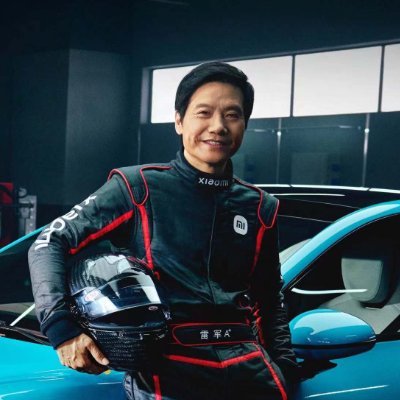
Why test at 300 km/h when no one drives that fast? Because stronger performance means a bigger safety margin at everyday speeds. We took Xiaomi YU7 GT to 300 km/h on the high-speed oval. Remarkably stable. This is what our engineers come here to prove.
72,624 Aufrufe • vor 2 Monaten •via X (Twitter)
34 Kommentare

No one? Hold my beer. You forget there is something called Germans and the Autobahn. And yes, some of the dudes that are lucky enough and can afford either cars or motorcycles that can do 300 km/h will in fact occasionally go that speed on empty and unrestricted stretches of the Autobahn. 250kmh / 156mph is a rather frequent occurrence and something not even bragged about. Always good to remember: cars are never bought for the most frequent or average use case. Cars are bought to cover a rather irrationally wide envelop of use cases. Hence, better to say that "most drivers" than "no one".

لهذا الصين تتفوق على الجميع بسبب شعبها 👍🏻 يدعمون بعض 🤝 عندك لبسه شعار العلامة التجارية الرياضية الشهيرة لي نينغ (Li-Ning)، وهي شركة صينية عالمية متخصصة في تصنيع الملابس والمستلزمات الرياضية، وتأسست على يد بطل الجمباز الأولمبي "لي نينغ"

雷总这不是一开始就计划的征战全球么😂 不是没人会开到 300 公里 / 小时,只是国内的高速限速120公里/小时。 封闭赛道想怎么开都成,国外也有蛮多地方不限速。极致的速度意味着极致的驾驶体验和安全操作。 加油YU7GT,加油小米汽车✊

@leijun sir come to Germany then I can show you why 😉 😉

Diseñar para el límite extremo te da margen en el rango real. Lo mismo aplica a cualquier sistema: si solo ingeniás para el caso promedio, el primer pico de carga lo rompe. El estándar de diseño no debería ser el uso esperado, sino el estrés que no esperás.

Lei Jun is still really impressive. At least he dares to sit in his own 300 km/h car — that’s absolute confidence in his own product

雷总加油 干翻妙妙汽车

垃圾

雷总这次又把“极限测试”玩明白了。 很多技术突破,都是先把极限做到,再把可靠性带给普通用户。

A large amount of loss of control ran onto the road?

雷总加油!

爸

雷总我爱你❤️

抄袭没前途垃圾小米

🫡

雷总,加油👏

boss!

屌丝公司

Great!!
雷总还是很厉害,至少敢坐在自家300公里/KM的车上,是对自己产品的绝对信任 让大嘴来,他会吓尿的

👀

That's amazing 😍

雷總加油!希望小米汽車能夠趕快來台灣!🤓

@grok 对于小米公司的股票表现怎么看?和它未来增长

小米威武

人生萬般,不過若水。Be water my friend.

That's so cool! The message power by redmi k90🫰

🤢🤢🤢

性能越强,安全冗余越多

雷总加油

Road made by solar power to provide energy don't reduce energy if cars are built with solar

你們跟習X X家族是何關係??
吃个早餐这么多人

It's mindblowing that Xiaomi started it's business in the garage of this house just 4 years ago.


