正在加载视频...

视频加载失败

من المصارف إلى بعبدا… هل تتّسع جبهة مواجهة الإصلاح؟ بعد سنوات من مقاومة أي مسار يحمّل القطاع المصرفي مسؤولياته، جاء الطعن الرئاسي بقانون إصلاح المصارف في توقيت تسعى فيه الحكومة إلى إقناع صندوق النقد بجدية لبنان رسالة مربكة إلى الخارج… ومكسب واضح لخصوم الإصلاح في الداخل From the banks...

13,102 次观看 • 5 天前 •via X (Twitter)

0 条评论

暂无评论

原始帖子的评论将显示在这里
相关视频

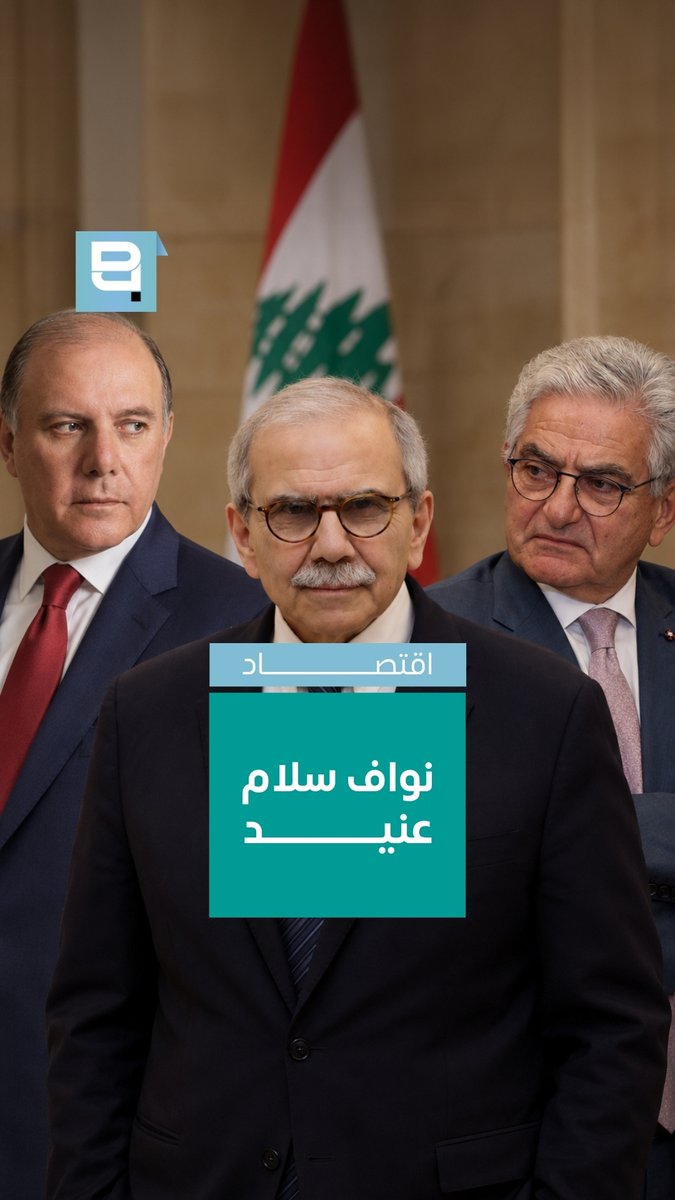
نواف سلام مصمّم على ربح معركة جديدة أمس، حسم رئيس الحكومة الجدل بشأن مشروع قانون الفجوة، أو قانون الانتظام المالي واسترداد الودائع وردّاً على ما ورد في خطاب رئيس حزب القوات اللبنانية سمير جعجع، قال سلام إنّ مشروع القانون أصبح في مجلس النواب، وإنّ من الضروري أن تبدأ لجنة المال والموازنة مناقشته يرى نواف سلام أنّه ربح معركة رفع السرية المصرفية، وربح معركة قانون إصلاح المصارف، وهو مصمّم الآن على ربح معركة قانون الفجوة في المقابل، يواجه مشروع القانون معارضة شديدة من جهات كثيرة، تمتدّ من القوات اللبنانية إلى حزب الله وما بينهما. حتى رئيس لجنة المال والموازنة إبراهيم كنعان صدرت عنه مواقف معارضة للمشروع وهناك أيضاً معارضة شديدة جداً من جمعية المصارف، إضافة إلى ملاحظات جوهرية لمصرف لبنان، الذي يطالب بإدخال تعديلات أساسية على مشروع القانون نواف سلام عنيد، وهو يذكّر الجميع، مرّة تلو الأخرى، بضرورة الإسراع في درس المشروع وإقراره، ولو بعد إدخال تعديلات عليه ومن المؤكد أنّ سلام لن يقبل بأن يكرّر مجلس النواب ومصرف لبنان وجمعية المصارف لعبة المماطلة والتسويف، تحت ستار المزايدات الشعبوية وحماية المصالح المصرفية على حساب المودعين هذه معركة جديدة، ومساحة التلاعب والتذاكي فيها ضيّقة جداً والحكومة على اتصال شبه يومي مع صندوق النقد الدولي لبحث التعديلات الممكنة. وعندما تنضج هذه التعديلات، سترسلها الحكومة إلى مجلس النواب، كما فعلت مع تعديلات قانون إصلاح المصارف ويجب ألّا ننسى أنّ الأوروبيين والأميركيين وصندوق النقد الدولي يراقبون هذه المعركة من كثب، وبكل تفاصيلها وطبعاً، سيظهر مجدداً، كما ظهر في معركتي رفع السرية المصرفية وإصلاح المصارف، مَن يريد الإصلاح، ومَن يريد حماية المصالح واللبيب من الإشارة يفهم! Nawaf Salam نواف سلام is determined to win a new battle Yesterday, the Prime Minister settled the debate over the financial gap bill, also known as the Financial Regularization and Deposit Recovery Law Responding to remarks made in a speech by Lebanese Forces leader Samir Geagea, Salam said that the bill is now before Parliament and that the Finance and Budget Committee must begin discussing it Nawaf Salam believes he won the battle to lift banking secrecy and the battle over the Bank Reform Law, and he is now determined to win the battle over the financial gap law The bill, however, is facing strong opposition from many sides, ranging from the Lebanese Forces to Hezbollah and those in between. Even Finance and Budget Committee Chairman Ibrahim Kanaan has taken positions opposing the bill There is also very strong opposition from the Association of Banks, in addition to fundamental concerns raised by Banque du Liban, which is calling for major amendments to the bill Nawaf Salam is stubborn, and time and again he reminds everyone of the need to expedite the review and passage of the bill, even if amendments are introduced It is certain that Salam will not accept Parliament, Banque du Liban, and the Association of Banks repeating the same game of delay and procrastination under the guise of populist one-upmanship and protecting banking interests at the expense of depositors This is a new battle, and there is very little room for maneuvering and playing games The government is also in near-daily contact with the International Monetary Fund to discuss possible amendments. Once these amendments are finalized, the government will send them to Parliament, as it did with the amendments to the Bank Reform Law And we should not forget that the Europeans, the Americans, and the International Monetary Fund are closely monitoring this battle in every detail And of course, just as in the battles over lifting banking secrecy and bank reform, it will once again become clear who wants reform and who wants to protect vested interests A word to the wise is enough! Mounir Younès/منير يونس #نواف_سلام #لبنان #الفجوة_المالية #استرداد_الودائع #إصلاح_المصارف #السرية_المصرفية #المودعون #صندوق_النقد_الدولي #NawafSalam #Lebanon #FinancialGap #DepositRecovery #BankReform #BankingSecrecy #Depositors #IMF

Beirut Politics

16,761 次观看 • 29 天前

معلومات صادمة لبيروت بوليتيكس في تحرّك دبلوماسي غير مسبوق، أجرى سفراء دول الاتحاد الأوروبي السبع والعشرين، إلى جانب سفراء كندا، والمملكة المتحدة، والنرويج، وسويسرا، وأستراليا، سلسلة لقاءات مع كبار المسؤولين اللبنانيين، في مقدّمهم رئيس الحكومة نواف سلام ورئيس حزب القوات اللبنانية سمير جعجع، وذلك بين 7 و13 تموز. وبحسب المعلومات، فإن هذه الجولة ليست سوى البداية، إذ يُنتظر أن تشمل الأيام والأسابيع المقبلة سبع زيارات إضافية إلى مراجع سياسية ونيابية. الرسالة الغربية، وفق ما تنقله مصادر مطّلعة، كانت واضحة وحاسمة: ضرورة الإسراع في التوصل إلى اتفاق مع صندوق النقد الدولي. عدم الالتفاف على التعديلات المطلوبة في قانون إصلاح المصارف. وعدم إفراغ مشروع قانون الاستقرار المالي واسترداد الودائع من مضمونه الإصلاحي. وتؤكد المصادر أن هذا الحشد الدبلوماسي شدّد على ضرورة أن تأتي التشريعات اللبنانية مطابقة بالكامل لما يتم الاتفاق عليه مع صندوق النقد الدولي، من دون تعديلات تُفرغ الإصلاحات من أهدافها. ويأتي هذا التحرّك بعد انسحاب مصرف لبنان من مسار التفاوض مع الصندوق، وبالتزامن مع بدء مجلس النواب مناقشة التعديلات على قانون إصلاح المصارف. وبحسب معلومات خاصة حصلت عليها بيروت بوليتيكس، حملت اللقاءات رسالتين أساسيتين: الرسالة الأولى: عدم العبث بالتشريعات الإصلاحية أو محاولة الالتفاف عليها، لأن ذلك سيؤدي إلى إعادة إنتاج الأزمة نفسها التي يعيشها لبنان منذ سبع سنوات. الرسالة الثانية: لا تمويل دولياً حقيقياً للبنان، ولا استعادة للثقة، ولا عودة للاستثمارات، من دون اتفاق رسمي مع صندوق النقد الدولي. وتضيف المعلومات أن عدداً من السفراء يعتبرون أن بعض الجهات المعارضة للاتفاق مع الصندوق لا تنطلق من الحرص على أموال المودعين، التي تستمر قيمتها بالتآكل منذ سنوات، بل من اعتبارات تتعلق بالحفاظ على الصلاحيات والنفوذ، وحماية مصالح قوى مالية ومصرفية نافذة. وبحسب هذه المصادر، فإن القوى التي تعرقل الاتفاق لا تطرح أي بديل اقتصادي أو مالي قابل للتنفيذ. أما الخلاصة التي ينقلها عدد من السفراء والمؤسسات المالية الدولية، فهي أن استمرار تعطيل الاتفاق مع صندوق النقد قد يُبقي لبنان تحت وطأة تداعيات أزمته الاقتصادية لعشرين عاماً على الأقل. تبقى هذه المواقف منسوبة إلى مصادر دبلوماسية وإلى مؤسسات مالية دولية، لكنها تعكس حجم القلق الدولي من مسار الإصلاحات في لبنان. لقد أَعذر من أنذر. Shocking information obtained by Beirut Politics In an unprecedented diplomatic move, the ambassadors of the 27 European Union member states, along with the ambassadors of Canada, the United Kingdom, Norway, Switzerland, and Australia, held a series of meetings with senior Lebanese officials, including Prime Minister Nawaf Salam and Lebanese Forces leader Samir Geagea, between July 7 and July 13. According to the information, this round of meetings is only the beginning, with seven additional visits to political and parliamentary leaders expected in the coming days and weeks. According to informed sources, the Western message was clear and firm: The need to swiftly reach an agreement with the International Monetary Fund. No circumvention of the required amendments to the Banking Reform Law. No weakening of the Financial Stability and Deposit Recovery Law by stripping it of its reform content. The sources confirmed that this broad diplomatic effort stressed that Lebanese legislation must fully comply with whatever is agreed upon with the International Monetary Fund, without amendments that would undermine the purpose of the reforms. This diplomatic initiative comes after Banque du Liban withdrew from the negotiation process with the IMF, while Parliament has begun discussing amendments to the Banking Reform Law. According to exclusive information obtained by Beirut Politics, the meetings carried two key messages: The first message: Do not tamper with reform legislation or attempt to circumvent it, because doing so would reproduce the very crisis Lebanon has been suffering from for the past seven years. The second message: There will be no meaningful international financing for Lebanon, no restoration of confidence, and no return of investments without a formal agreement with the International Monetary Fund. The information further states that several ambassadors believe some of the parties opposing an agreement with the IMF are not motivated by concern for depositors’ money, whose value continues to erode year after year, but rather by considerations related to preserving influence and authority, and protecting the interests of powerful financial and banking groups. According to these sources, the forces obstructing an agreement have failed to present any viable economic or financial alternative. The conclusion conveyed by several ambassadors and international financial institutions is that continued obstruction of an agreement with the IMF could leave Lebanon burdened by the consequences of its economic crisis for at least another twenty years. These positions remain attributed to diplomatic sources and international financial institutions, but they reflect the extent of international concern over the course of Lebanon’s reform process. Those who have warned have fulfilled their duty. Mounir Younès/منير يونس #لبنان #صندوق_النقد_الدولي #الإصلاحات #مجلس_النواب #المصارف #الاقتصاد #BeirutPolitics #Lebanon #IMF #Reforms #Parliament #Banking #Economy #BeirutPolitics

Beirut Politics

18,060 次观看 • 2 个月前

ودائع لبنانية في سوريا! هل هذا ممكن؟ نعم، ممكن! لكن ما السيناريو؟ القصة هي أن ما يُمنع ويُعرقل تنفيذه في لبنان، قد ينجح أو يجد طريقه إلى التنفيذ في سوريا عقدة هنا، وحلّ هناك! نحن نتحدث عن إعادة هيكلة المصارف في لبنان، توجد ممانعة ومقاومة لتلبية شروط صندوق النقد الدولي وتوصياته منذ ست سنوات وحتى اليوم وتتركز هذه الممانعة خصوصاً على حتمية إصلاح مصرف لبنان ومعالجة أوضاع المصارف المتعثرة أما في سوريا، وتحديداً في 4 آب، أي قبل نحو ثلاثة أسابيع، فقد وافقت سلطات دمشق على برنامج واسع للمساعدة الفنية أعدّه صندوق النقد الدولي ويتضمن البرنامج إصدار قانون جديد للمصرف المركزي، وإقرار قانون حديث للمصارف، وتقييم السلامة المالية لكل مصرف سوري، ووضع إطار لمعالجة المصارف المتعثرة وفي 7 آب، أُقرّت هيكلية تنظيمية جديدة لمصرف سوريا المركزي، بهدف تحسين الحوكمة وتطوير الرقابة وتعزيز إدارة المخاطر وفي اليوم نفسه، وافق البنك الدولي على منح سوريا 100 مليون دولار لتحديث القطاع المالي والمصرفي وهكذا، يبدو أن هناك نية في سوريا لتسريع الإصلاحات، في مقابل سنوات من المماطلة والتسويف في لبنان وإذا بقينا على هذه الحال، وإذا نجحت سوريا في تنفيذ إصلاحاتها، فنعم، قد نذهب نحن اللبنانيين لوضع أموالنا في مصارف سورية آمنة وقد نهجر نهائياً مصارف لبنان «الزومبي» نعم… هذا ما جنته أيدي مصارفنا، فلتتحمّل العواقب! Lebanese deposits in Syria! Is this possible? Yes, it is! But what is the scenario? The story is that what is being blocked and obstructed in Lebanon may succeed or find its way toward implementation in Syria A deadlock here, and a solution there! We are talking about bank restructuring In Lebanon, there has been resistance and opposition to meeting the International Monetary Fund’s conditions and recommendations for six years and counting This resistance is focused particularly on the necessity of reforming Banque du Liban and addressing the situation of troubled banks In Syria, however, specifically on August 4, around three weeks ago, the Damascus authorities approved a broad technical assistance program prepared by the International Monetary Fund The program includes issuing a new central bank law, adopting a modern banking law, assessing the financial soundness of every Syrian bank, and establishing a framework for dealing with troubled banks On August 7, a new organizational structure for the Central Bank of Syria was approved, with the aim of improving governance, developing oversight, and strengthening risk management On the same day, the World Bank approved a $100 million grant to Syria to modernize its financial and banking sector And so, there appears to be an intention in Syria to accelerate reforms, compared with years of procrastination and delay in Lebanon If we continue this way, and if Syria succeeds in implementing its reforms, then yes, we Lebanese may end up placing our money in safe Syrian banks And we may permanently abandon Lebanon’s «zombie» banks Yes… this is what our banks have brought upon themselves, so let them bear the consequences! Mounir Younès/منير يونس #لبنان #سوريا #المصارف #إعادة_هيكلة_المصارف #مصرف_لبنان #مصرف_سوريا_المركزي #صندوق_النقد_الدولي #البنك_الدولي #الإصلاح_المصرفي #المودعون #Lebanon #Syria #Banks #BankRestructuring #BanqueDuLiban #CentralBankOfSyria #IMF #WorldBank #BankingReform #Depositors

Beirut Politics

12,393 次观看 • 1 个月前

عشرات المصرفيين باتوا مطلوبين، اعتبارًا من الأسبوع المقبل، للمثول أمام المدعي العام المالي، القاضي ماهر شعيتو والاستدعاءات تهدف إلى التحقيق معهم في تحويل أموالهم إلى الخارج عند بداية الأزمة عام 2019 هذا الملف بقي نائمًا ست سنوات، قبل أن يعيد القاضي شعيتو تحريكه بعد ذلك، تولّى مصرف لبنان جمع المعلومات والأرقام المتعلقة بتحويلات أعضاء مجالس الإدارة والمديرين التنفيذيين في المصارف وتضم الدفعة الأولى نحو 45 مصرفيًا من سبعة مصارف ثم يُفترض أن تتوالى الاستدعاءات، وأن تشمل التحقيقات أكثر من 300 مصرفي من جميع المصارف المتورطة، وعددها أربعون مصرفًا أو أكثر المهم أن نعرف أن هؤلاء المصرفيين كانوا يمنعون المودعين العاديين من تحويل أموالهم، فيما كانوا يحوّلون أموالهم وأموال عائلاتهم، ويسهّلون تحويلات سياسيين ونافذين وإذا توسّعت التحقيقات لتشمل الجميع، ولا سيما السياسيين المشتبه بتورطهم، فإننا نتحدث عن مبالغ تُقدّر بمليارات الدولارات ولا ينبغي أن ننسى ملفات أخرى يجب أن تصل أيضًا إلى القضاء من بينها شبهات تحقيق مصرفيين عشرات ملايين الدولارات من خلال التلاعب بعمليات منصة «صيرفة» وهناك أيضًا شبهات تلاعب بالأصول، أو نقلها لمصلحة أصحاب المصارف وذوي النفوذ فضلًا عن المتاجرة بالشيكات، وفضائح تسديد القروض باللولار، وغيرها من العمليات المشبوهة التي يعرف مصرف لبنان الكثير عنها، فيما لا يزال الجميع ينتظر تحرّكه في المقابل، كان المودع المسكين، ولا يزال، مضطرًا إلى القبول بفتات السحوبات التي تتيحها التعاميم وهنا يُطرح سؤال: كيف يمكن مصرفيين تحوم حولهم شبهات إساءة الأمانة، ويخضعون اليوم للتحقيق، أن يبقوا في مواقعهم داخل الإدارات ومجالس الإدارة؟ هذا السؤال موجّه إلى مصرف لبنان، مخزن أسرار الأزمة ونقول له: افتح يا سمسم! Dozens of bankers are now required, starting next week, to appear before Financial Public Prosecutor Judge Maher Chaito The summonses are aimed at investigating their transfer of funds abroad at the beginning of the crisis in 2019 This file remained dormant for six years before Judge Chaito revived it Banque du Liban then took charge of gathering information and figures related to transfers made by bank board members and executive managers The first batch includes around 45 bankers from seven banks The summonses are then expected to continue, with the investigations expanding to include more than 300 bankers from all the banks involved, numbering forty banks or more What is important to understand is that these bankers were preventing ordinary depositors from transferring their money, while they were transferring their own funds and those of their families, and facilitating transfers for politicians and influential figures If the investigations expand to include everyone, especially politicians suspected of involvement, we are talking about amounts estimated in the billions of dollars And we should not forget other files that must also reach the judiciary Among them are suspicions that bankers made tens of millions of dollars by manipulating transactions on the "Sayrafa" platform There are also suspicions of manipulating assets or transferring them for the benefit of bank owners and influential figures In addition to trading in checks, scandals involving the repayment of loans in "lollars", and other suspicious operations about which Banque du Liban knows a great deal, while everyone is still waiting for it to act Meanwhile, the unfortunate depositor was, and still is, forced to accept the crumbs of withdrawals allowed by the circulars And here a question arises: How can bankers facing suspicions of breach of trust, and who are now under investigation, remain in their positions within management and boards of directors? This question is directed at Banque du Liban, the repository of the crisis's secrets And we say to it: Open Sesame! Mounir Younès/منير يونس #لبنان #المصارف #المصرفيون #مصرف_لبنان #ماهر_شعيتو #المودعون #صيرفة #اللولار #القضاء #Lebanon #Banks #Bankers #BanqueDuLiban #MaherChaito #Depositors #Sayrafa #Lollar #Judiciary

Beirut Politics

15,472 次观看 • 18 天前

بحسب معلومات أولية عن المفاوضات الجارية بين مصرف لبنان وصندوق النقد الدولي لتعديل مشروع قانون الفجوة المالية واسترداد الودائع، تبرز خمس نقاط أساسية أولاً: قد يُشطب نحو 25% من الودائع المصنفة «غير منتظمة» أو غير المؤهلة للسداد كلياً أو جزئياً ثانياً: لم يعد الحديث عن سداد 100 ألف دولار لكل مودع خلال أربع سنوات، بل قد تمتد المدة إلى ست أو سبع سنوات ثالثاً: أصحاب الودائع التي تفوق 100 ألف دولار قد يحصلون على سندات تستحق بعد 20 أو 25 أو 30 سنة بدلاً من 10 أو 15 أو 20 سنة رابعاً: يُطرح السماح ببيع الودائع على أساس 15 ألف ليرة للدولار، ما يعني خسارة تقارب 83% من قيمتها خامساً: الودائع التي ستُحوَّل إلى أسهم في المصارف (Bail-in) قد تُحتسب أيضاً على أساس 15 ألف ليرة للدولار، بما يعني اقتطاعاً مماثلاً الخلاصة: يبدو أن المودع هو من سيتحمّل الجزء الأكبر من الكلفة، فيما تغيب حتى الآن أي محاسبة جدية للمسؤولين عن الأزمة سواء من سياسيين فاسدين أو مصرفيين جشعين According to preliminary information from ongoing negotiations between Banque du Liban and the International Monetary Fund over amendments to the financial gap and deposit recovery law, five key points stand out First: Around 25% of deposits classified as “irregular” or ineligible for repayment may be written off Second: The proposal to repay up to $100,000 per depositor within four years is no longer being discussed, with repayment potentially extending to six or seven years Third: Depositors with more than $100,000 may receive bonds maturing in 20, 25, or 30 years instead of 10, 15, or 20 years Fourth: A proposal would allow deposits to be sold at an exchange rate of 15,000 Lebanese pounds per dollar, implying a loss of about 83% of their value Fifth: Deposits converted into bank shares through a bail-in process may also be valued at 15,000 pounds per dollar, resulting in a similar haircut Bottom line: Depositors appear set to bear the largest share of the cost, while serious accountability for those responsible for the crisis—whether corrupt politicians or reckless bankers—remains absent Mounir Younès/منير يونس #لبنان #الودائع #المصارف #صندوق_النقد_الدولي #Lebanon #Deposits #Banks #IMF

Beirut Politics

14,176 次观看 • 3 个月前

If you look from 1958 onward, the Gulf countries have stood with Lebanon every time we needed help. We have 450,000 Lebanese living in the Gulf. Most of the billions of dollars transferred by the diaspora to Lebanon come from the Gulf. So this is an umbilical relationship between us and the Gulf, and we are grateful for it. Every time Lebanon went through a crisis, the Gulf opened their doors and allowed our people to obtain visas, go and work, and send money back to Lebanon. This is very important for us, and we appreciate everything they have done. Saudi Arabia in particular has been the longest-serving country standing by Lebanon, and it has consistently supported Lebanon. They were also among the countries that helped lead the Taif Agreement, which ended the civil war in Lebanon. Saudi Arabia remains very engaged in supporting stability in Lebanon. I believe Saudi Arabia and the United States are aligned on the future of Lebanon and the region. Our other friends—France, the UK, Egypt, Qatar, and Europe in general—have also stood by us and helped us over the years. We have many friends, but we need to align ourselves on how to move forward. The key now is for this government to disarm Hezbollah and to continue peace talks in Washington in order to sign a peace agreement. Simply focusing on a cessation of hostilities or a ceasefire means we are preparing for the next war, which would lead to renewed destruction after a few years. إذا نظرنا إلى الفترة من عام 1958 فصاعدًا، نجد أن دول الخليج وقفت إلى جانب لبنان في كل مرة احتجنا فيها إلى المساعدة. لدينا 450,000 لبناني يعيشون في دول الخليج. ومعظم مليارات الدولارات التي يحولها المغتربون إلى لبنان تأتي من الخليج. لذلك فإن هذه علاقة عميقة بيننا وبين دول الخليج، ونحن ممتنون لذلك. في كل مرة مرّ فيها لبنان بأزمة، فتحت دول الخليج أبوابها وسمحت لأبنائنا بالحصول على تأشيرات، والعمل، وإرسال الأموال إلى لبنان. هذا أمر بالغ الأهمية بالنسبة لنا، ونحن نقدّر كل ما قاموا به. وتُعد المملكة العربية السعودية على وجه الخصوص هي الدولة الأكثر دعماً للبنان، وقد وقفت باستمرار إلى جانبه. كما كانت من الدول التي ساهمت في قيادة اتفاق الطائف الذي أنهى الحرب الأهلية في لبنان. ولا تزال المملكة العربية السعودية منخرطة بشكل كبير في دعم الاستقرار في لبنان. وأعتقد أن المملكة العربية السعودية والولايات المتحدة متفقتان حول مستقبل لبنان والمنطقة. كما أن أصدقاءنا الآخرين—فرنسا، المملكة المتحدة، مصر، قطر، وأوروبا بشكل عام—قد وقفوا إلى جانبنا وساعدونا عبر السنوات. لدينا العديد من الأصدقاء، لكن علينا أن نوحّد رؤيتنا حول كيفية المضي قدمًا. إن المفتاح الآن هو أن تقوم هذه الحكومة بنزع سلاح حزب الله، ومواصلة محادثات السلام في واشنطن من أجل التوصل إلى اتفاق سلام. فالاكتفاء بوقف الأعمال العدائية أو وقف إطلاق النار يعني أننا نُحضّر لحرب قادمة، ستؤدي إلى دمار جديد بعد بضع سنوات. Brian Katulis Middle East Institute

Fouad Makhzoumi

98,058 次观看 • 4 个月前

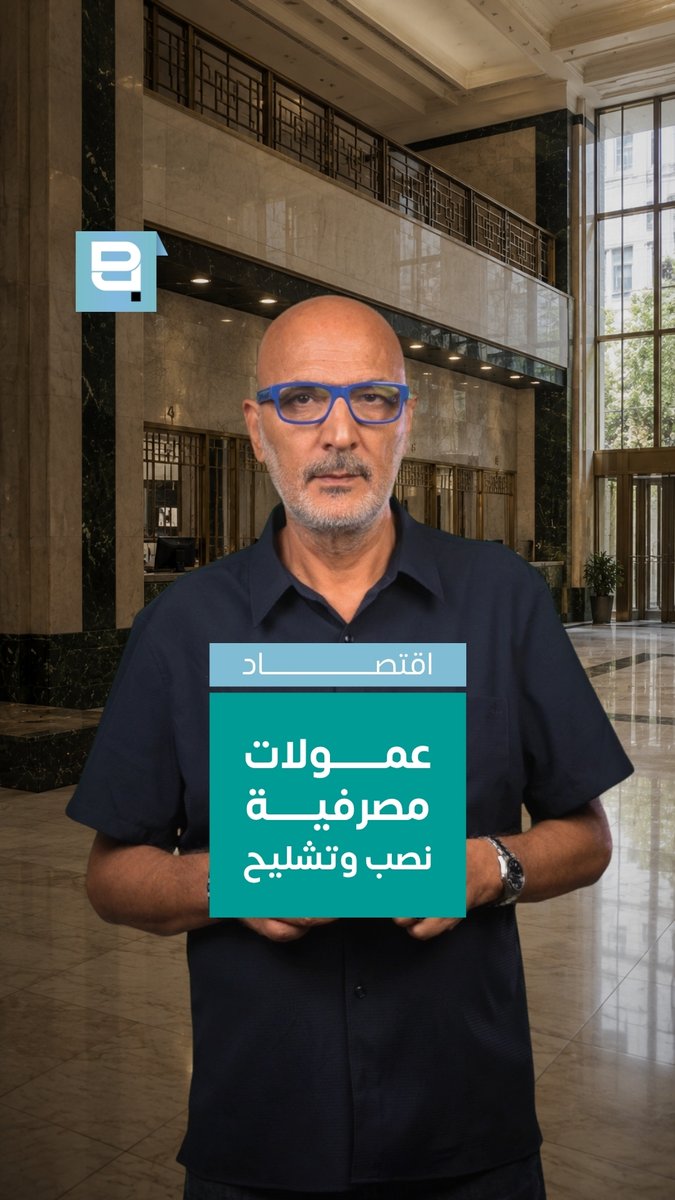
٦٠٠ مليون دولار سنوياً قيمة العمولات والرسوم المصرفية من جيوب العملاء والمودعين والمفارقة العجيبة أن نشاط المصارف في الإيداع والإقراض تراجع بنسبة ٩٠٪ بسبب الأزمة، لكن العمولات والرسوم لا تزال مرتفعة، ومرتفعة جداً! أكثر من ١٠٠ رسم وعمولة، وبعضها، بصراحة، أقرب إلى النصب والنهب والتشليح! فهناك مصارف، مثلاً، تجعلك تدفع عندما تودع أموالك لديها، ثم تجعلك تدفع مجدداً عندما تريد سحب الأموال نفسها! وهناك مصارف تفرض رسوماً وعمولات باهظة على التحويلات، وسحب الرواتب، وكشوف الحسابات، والدفع بالبطاقات، والشيكات، وغيرها والأنكى من ذلك أنها تقتطع رسوماً من حسابك بالدولار المحتجز لديها منذ سبع سنوات! أي إنها لا تعيد إليك وديعتك، وفوق ذلك تقتطع منها رسماً شهرياً. هل هناك أوقح من ذلك؟! وحتى لو لم تحرّك حسابك، يقتطعون منك رسماً يسمّى «رسم الحساب الخامل»! والأغرب من «الخامل» هو «رسم صيانة الحساب»! ماذا تعني صيانة الحساب؟ تغيير الزيت مثلاً؟ أم نفخ الإطارات؟! وإذا أردت إقفال حسابك، تدفع رسماً. وإذا متّ، قد يتورّط ورثتك أيضاً بدفع الرسوم عنك! تشعر أن ما ينقص فقط هو أن يفرضوا عليك رسماً لأنك دخلت إلى المصرف، أو حتى لأنك مررت من أمامه! وفي السنة، قد تصل الرسوم والعمولات على حساب مصرفي عادي إلى نحو ٣٠٠ أو ٤٠٠ دولار! تدفعها وأنت صامت أما مصرف لبنان ولجنة الرقابة على المصارف، فيتفرّجان كأنهما خيالا صحراء، ويكتفيان بإصدار تعاميم من دون نتيجة حاسمة فالارتكابات والتجاوزات مستمرة، وبكل وقاحة في عدد من المصارف يا بنكرجي، مين فرعنك؟ قال: تفرعنتُ، وما حدا ردني حدا! $600 million annually in banking fees and commissions coming out of the pockets of customers and depositors The strange irony is that banks’ deposit and lending activity has fallen by 90% because of the crisis, yet fees and commissions remain high, extremely high! More than 100 different fees and commissions, some of which, frankly, are closer to scams, looting, and outright robbery! Some banks, for example, make you pay when you deposit your money with them, then make you pay again when you want to withdraw that same money! Other banks impose exorbitant fees and commissions on transfers, salary withdrawals, account statements, card payments, checks, and more Worse still, they deduct fees from your dollar account that they have been holding hostage for seven years! In other words, they do not return your deposit, and on top of that, they deduct a monthly fee from it. Could anything be more shameless?! Even if you do not touch your account, they deduct a fee called an «inactive account fee»! And even stranger than «inactive» is the «account maintenance fee»! What does account maintenance even mean? An oil change, perhaps? Or inflating the tires?! And if you want to close your account, you pay a fee. If you die, your heirs may even end up having to pay fees on your behalf! It feels as though the only thing missing is for them to charge you a fee for entering the bank, or even just for walking past it! Over the course of a year, fees and commissions on an ordinary bank account can reach around $300 or $400! And you pay them in silence Meanwhile, Banque du Liban and the Banking Control Commission simply stand by like scarecrows in the desert, content with issuing circulars without any decisive result The violations and abuses continue, with utter shamelessness, at a number of banks Hey banker, who let you run wild? He said: I ran wild because no one ever stopped me! Mounir Younès/منير يونس #لبنان #المصارف #المودعون #الرسوم_المصرفية #العمولات_المصرفية #مصرف_لبنان #لجنة_الرقابة_على_المصارف #أموال_المودعين #Lebanon #Banks #Depositors #BankFees #BankingCommissions #BanqueDuLiban #BankingControlCommission #DepositorsMoney

Beirut Politics

12,172 次观看 • 1 个月前

🇱🇧 LEBANON’S “FAILED STATE SYSTEM” IS RIPE FOR DISRUPTION Special MidEast Envoy and Ambassador Tom Barrack doubled down on comments that Lebanon is stubbornly clinging to its status quo as a “failed state.” Hyperinflation, insufficient power generation, a strained judicial order, endless strikes across all branches of government, and a collapsed banking system still reign with no sign of improvement amidst never-ending confessional and governmental infighting. Here’s the part the locals are getting wrong - badly. According to our sources inside the State Department, Washington isn’t relying on the old systems to bring the country back to any semblance of normality or functionality. In banking, for instance, despite the system having never recovered depositors’ money or restructured governance and board makeups, the resistance to change has been eye-rolling. Treating Beirut’s banking meltdown as a temporary malfunction or something a new cabinet can simply reboot is not realistic. The view in D.C. is far colder: the old financial order is arguably compromised, and the region is already moving on. You cannot fight technology, and with the massive pivot of the U.S. toward adopting blockchain innovation and growth, a crackdown on what has replaced the banks is also unrealistic. Lebanon’s political class is trying to resurrect the same banking monopoly that vaporized people’s savings and enabled their corruption in the first place. The familiar power brokers want another round of the same system that collapsed under its own corruption. But to U.S. officials monitoring the evolution of finance and DeFi globally - particularly in countries whose banking systems have collapsed, like Lebanon, Syria, Venezuela, and Nigeria - that’s nostalgia masquerading as policy. The correspondent banks’ white-glove treatment of Lebanon is not coming back - not after the compliance breaches, not after the scandals, not after the reputational crater. Notwithstanding the remarkable and admirable efforts of the Lebanese and Syrian central banks and their highly reputable new governors, technology and innovation in both countries have largely disintermediated traditional banks, and the vast majority of the populace has scant trust in the old guard. In the vacuum, something else has taken root - quietly, decisively. Revolut, PayPal, Whish Money, Western Union/OMT, and a wave of ultra-lean fintech rails in Lebanon and Syria are already doing the job the banks can’t: moving money, screening risk, and building compliance frameworks that can actually pass Western scrutiny. This is not reform. It’s succession. The new platforms didn’t inherit the system - they simply outpaced it. Lebanon is a failed state trying to negotiate with a financial architecture that simply doesn’t trust it anymore. And while Beirut’s factions argue over which warlord gets which bank-board seat, the market has already chosen its replacement. Prediction: Within 5 years, Lebanon’s “banking sector” won’t be banks as the country remembers them. It will be a mix of reformed banks, international banks, global DeFi platforms, e-wallet and fintech platforms. A hybrid mesh of foreign payment processors, digital compliance stacks, and offshore rails - a system built outside Lebanon’s political labyrinth because nothing functional and trusted by everyone can be built inside it. Media: asharqnews on IG

Mario Nawfal

62,258 次观看 • 10 个月前

Left: Nigel Farage says Essex Police warned him that there was a plan to disrupt the Clacton by-election result, and that this was why he did not attend the count. Right: Yet, several days before the by-election, Farage sent Reform UK volunteers an invitation making clear that his plan was to watch the results from the party’s event at Great Oakley Airfield, and to speak from the main stage once the result was declared. I.e. there was no plan to attend the announcement of the results The invitation said: “The polls close on 13th August, and I'd love for you to join me at the Great Oakley Airfield to watch the results come in. Doors open at 11pm, with live music and big screens showing the results as they land. I'll speak from the main stage once the results are declared.” There is a striking discrepancy between the impression subsequently given and what Reform had told its supporters beforehand. And that brings me to a wider point. What is the difference between a Reform UK supporter who will continue to support Reform despite what appears to be this fairly blatant political sleight of hand, and a Labour voter who continues to support Labour despite the government's changes to terrorism legislation and the arrest of a Jewish daughter of a Holocaust survivor for a non-violent protest? If you are prepared to condemn dishonesty, authoritarianism or political double standards when they come from Reform UK, you should be prepared to condemn them when they come from Labour. Yet too often British politics has become tribal. Some Reform supporters appear willing to overlook behaviour they would condemn mercilessly if it came from Labour. And some Labour supporters appear equally willing to overlook behaviour from their own side that they would regard as outrageous if the Conservatives or Reform were responsible. That is not healthy democracy. And then there is Andy Burnham who can find time to talk about baps, but apparently not enough time to address the much more serious questions surrounding what the High Court initially found unlawful and what Lord Hain described in the House of Lords as "shameful". Labour promised change after 14 years of Conservative government which declined into chaos. What we need instead is a government that understands that the rule of law, civil liberties and democratic accountability matter even when defending them is politically inconvenient. And we need voters who apply the same standards to the politicians they support as they do to the politicians they oppose. Reform supporters should be willing to scrutinise Farage. Labour supporters should be willing to scrutinise Starmer, Cooper, Mahmood and now Burnham and his government. Conservative supporters should be willing to scrutinise the Conservatives. Blind loyalty isn't democracy. We need a much better quality of democracy in Britain - one where political tribalism does not become an excuse for dishonesty, hypocrisy or the erosion of civil liberties. And let’s not forget how this whole saga began. Nigel Farage failed to declare a £5 million donation from a foreign-based crypto billionaire. Had the donation simply been declared correctly in the first place, none of this would have happened. There would have been no need for the extraordinary by-election manoeuvring, and taxpayers would not have had to foot a bill of around £250,000 during a cost-of-living crisis for what increasingly looked like a political vanity project. Most importantly, there would have been no question of whether the by-election was being used to prevent or pre-empt scrutiny by the Parliamentary Standards Committee. For all the talk of standing up for ordinary taxpayers and demanding accountability from others, it is worth asking a very simple question: why wasn't the donation just declared properly in the first place?

Farrukh

85,470 次观看 • 1 个月前

🇭🇺 The Official Start of Magyar Péter's Government Begins. "Hungary's economic growth is now recorded to be in second place in Europe. No income tax for mothers with 3 or 4 children and those under the age of 25." Orbán's Government leaves the country in stability despite claims by the Opposition. Hungary's economy has grown, nationalization of assets was a priority in the past 16 years. The IMF was kicked out and all debt from it paid off ahead of time. The Government has regained ownership of the Budapest airport and energy companies like MOL. Gold reserves increased from 3 tons to 100+ tons. Military spending was less so about 1-time use of expensive contracts for oversea's weapons. But about building that industry at home. Nearly every deal was made on this basis. Hungary's Economy was re-built to work and operate as a Sovereign Nation the past 16 years. Do you think Magyar Péter's true goal is to sell everything off to foreign ownership leaving the Hungarians again in foreign debt and ownership? The 27 points the EU is asking for is judicial changes structurally. The official ask is to make judges and institutions 'independent' and aligned the Nation with the EU court. This means, the loss of sovereignty, every nation in Europe has done the same. When it came to accepting migrants or LGBT propagation for children. There was NEVER once any resistance by these 'independent' courts by the European Union Nations. Judiciary reform means a loss of sovereignty, and power being focused to the EU. Courts will NOT act in the interest of Hungary. If a Nation loses control of their judiciary they lose control of their Sovereignty. Its just the first step before everything else is imposed and everything is able to be sold off to foreign ownership.

Based Hungary 🇭🇺

45,140 次观看 • 4 个月前

إيماننا بلبنان وبشبابه لا يتزعزع، ودعمنا لهم مستمر للعام التاسع على التوالي، لأننا نؤمن بأن شباب لبنان يستحقون الوصول إلى أكبر المنصات العالمية. تُعد بطولة Microsoft Office Specialist العالمية وبطولة Adobe Certified Professional العالمية من أبرز المسابقات العالمية في المهارات الرقمية. وقد حقق وفد لبنان هذا العام لقب بطل العالم في فئة Microsoft Word 2019، إلى جانب خمسة مراكز ضمن أفضل 10 عالميًا في مسابقات Microsoft Word وPowerPoint وExcel. وهذا هو اللقب العالمي الثاني الذي يحققه لبنان، في إنجاز يؤكد أننا لا نحقق النجاح بالصدفة، بل نصنع أثرًا حقيقيًا، ونرسّخ حضور لبنان على الساحة العالمية بثبات، رغم كل التحديات. لأننا نؤمن بأن الاستثمار في شباب لبنان هو الاستثمار الحقيقي في مستقبل لبنان. Our belief in Lebanon and in its youth is unwavering. For the 9th consecutive year, we continue investing in young talent and creating pathways to the world’s biggest stages. The Microsoft Office Specialist World Championship and the Adobe Certified Professional World Championship celebrate excellence in digital skills. This year, Lebanon achieved 1 World Champion title in Microsoft Word 2019 and 5 Top 10 World Rankings across Microsoft Word, PowerPoint, and Excel. This marks the second time Lebanon has brought home a World Champion title; a milestone that reflects more than success. It proves that we are creating lasting impact, building a culture of excellence, and establishing Lebanon’s place on the global stage with consistency and confidence. Despite every challenge, our belief remains the same: when Lebanon’s youth are empowered, they don’t just compete they lead. MOS Championship Lebanon ITLS Rafik Hariri University RHU Université La Sagesse

Makhzoumi Foundation

10,631 次观看 • 2 个月前

COULD JENRICK’S LEAP TO REFORM UK REIGNITE LEASEHOLDER LIBERATION? 📢 Lots of talk at the Reform UK Robert Jenrick presser about an “inflexion point” for British politics. Wait for it … there’s a leasehold abolition angle. Before defecting yesterday, Robert Jenrick was one of a tiny handful of Conservative parliamentarians who publicly pressured the Rishi Sunak government to go further on freeing leaseholders. Writing in the Telegraph, he called leasehold a symbol of “rip-off Britain”, urged the abolition of forfeiture, a gangster-like device that forces leaseholders to comply with financial demands under threat of having their home seized without compensation over arrears as small as £350, and called for a sunset clause on leasehold. “Today, leasehold stands not as a curiously British anomaly, but as an affront to the distinctly British dream of owning a home and the peace of mind that comes with ownership, rather than the insecurity of renting … a symbol of rip-off Britain, where hidden bills lurk around every corner, and of the growth of crony capitalism, where rent-seekers milk consumers despite adding no value.” We also understand that when the general election was called, Jenrick was one of the very few Conservatives who pressed Number 10 to reverse course and rescue the Leasehold and Freehold Reform Bill in the wash-up after Sunak and his aides had dropped it. That became the Leasehold and Freehold Reform Act 2024, which now sits rusting under this The Labour Party government, despite a promise in the July 2024 King’s Speech to “act quickly” to bring its provisions into effect. Some leaseholders criticise his time in office, particularly for giving freeholders a financial windfall under the two-storey permitted development right. This move caused the cost of collective enfranchisement to soar for affected blocks. His handling of the post-Grenfell building safety crisis was also controversial, as it initially risked imposing loans on cladding victims. On the latter, Jenrick secured a £1 billion government fund for remediation in May 2020, agreed with the Treasury and Sunak, then chancellor, and later succeeded in increasing it to £5 billion in February 2021. As his former colleague Stephen Greenhalgh said in 2023, after leaving government: “We forget that Robert Jenrick actually got a lot of money out of the Treasury. He went back and, like Oliver Twist, got more.” Yesterday, Jenrick admitted he made mistakes in government and said, like much of the country, he has been on a journey, realising the uniparty has failed Britain. After leaving the Sunak administration for the backbenches, he recalled how, as Housing Secretary, he resisted pressure from the murky retirement property sector, which had tried to preserve the exemption from a ban on ground rents for new builds that his predecessor had allowed. He ultimately abolished the exemption. “Its lobbyists approached Members of Parliament and my Department and threatened judicial review of our proceedings,” he said. “I considered it an unfair practice, targeted at the most elderly and vulnerable in our society. Why not have a fairer and transparent system where an elderly person knows exactly what they are paying?” He was responsible for the ban on ground rents in new leases under the 2022 Act, which abolished the retirement property exemption and aimed to pave the way for reviving commonhold. In a January 2021 statement, Jenrick secured government commitments to abolish marriage value, advance enfranchisement reform, and revive commonhold, launching a Commonhold Council to prepare the market and consumers ahead of the second-generation tenure’s rollout. Beyond ending ground rents for new builds, in January 2021 Jenrick secured a commitment from Boris Johnson for a second legislative package to free leaseholders. But after he left the Housing Secretary role, the 2022 Queen’s Speech saw this second Bill shelved, reportedly under pressure from the Treasury, Johnson’s own aides, and lobbyists for Big Freehold. The plan was eventually delivered by the Sunak government with the 2024 Act, though it incorporated only a handful of the 2020 Law Commission recommendations that Jenrick had overseen. While Labour has been dragging its feet in power, the Conservative Party has failed to defend the 2024 Act or hold the government to account on a totemic pro-homeownership policy that will reduce the cost of living and expand the property-owning democracy. After the general election, Jenrick was probably the most vocal Conservative MP on leasehold, pressing on Lord Hermer’s strange ECHR legalism thwarting leaseholder liberation, even though he was not the housing spokesperson. Leaseholders have seen no leadership from Conservative Shadow Housing Secretary James Cleverly🇬🇧. On Monday, when Housing Minister Matthew Pennycook was under pressure, Cleverly’s colleague David Simmonds CBE, Conservative MP delivered a disastrous performance in Parliament, asking about local government reorganisation during the leasehold and commonhold debate. Pennycook couldn’t believe his luck. Jenrick is now joining Reform UK, a party that promised cheaper lease extensions and freehold purchase in its last election manifesto. Richard Tice MP 🇬🇧, Reform deputy leader and MP for Boston and Skegness, rightly attacked the Sunak administration for backing down on slashing money-for-nothing ground rents to peppercorn or zero financial value, as promised in the 2019 Conservative manifesto. Tice also personally pushed for this agenda to be included in the Reform manifesto after Nigel Farage MP succeeded him as leader. At a March 2021 press conference, when proposing a “polluter pays” approach to resolving the cladding scandal with a guarantee that financial liability would not fall on leaseholders, in contrast to the Tory policy at the time, Tice said: “With my three decades of experience, I know what some of those landlords are like, and very often they haven’t got the leaseholders’ interests at heart.” It will be interesting to see whether both men continue to push for leaseholder liberation. The 5.3 million households alienated by Labour’s foot-dragging and repeated excuses on ending leasehold are looking to the party at the top of the polls to challenge the government and provide support as we approach crucial local elections. The political economy around housing is changing fast. The New Right are becoming wary of the financialisation of a prime social need. As Donald J. Trump and JD Vance have observed: “People live in homes, not corporations.”

Free Leaseholders

12,317 次观看 • 8 个月前

تجاوز عدد الشهداء منذ وقف إطلاق النار 500 شهيد، بينهم نحو 180 طفلا و139 امرأة، أي أن 60% من الضحايا هم من النساء والأطفال. بعد عامين من الحرب اعترف الاحتلال نفسه بمقتل نحو 71000 فلسطيني، مؤكدا مصداقية أرقام وزارة الصحة الفلسطينية التي تعرضت طويلا للتشكيك. القطاع الصحي في غزة ينهار بالكامل، مع عجز يصل إلى 52% من الأدوية الأساسية، و72% من المستهلكات الطبية المنقذة للحياة أرصدتها صفرية، إضافة إلى اختفاء نحو 1000 صنف دوائي أساسي، ما أدى إلى وفاة 1062مريضا وهم ينتظرون العلاج. في عام 2024 انخفضت الولادات بنسبة 40% ولم تتجاوز 39000 مولود، وفي عام 2025 لم تصل إلى 60000 كما يزعم الاحتلال بل تقارب 50000 فقط. نسبة فقر الدم بين الأطفال دون سن العام تجاوزت 82%، فيما تعمل العناية المركزة بأكثر من 150% من طاقتها، والمعابر ما زالت مغلقة، في إبادة صامتة تُترك فيها غزة لتنزف بلا دواء ولا غذاء. The number of martyrs since the ceasefire has exceeded 500, including around 180 children and 139 women, meaning that 60% of the victims are women and children. After two years of war, the occupation itself admitted to the killing of approximately 71000 Palestinians, confirming the credibility of the Palestinian Ministry of Health’s figures that were long questioned. Gaza’s health sector is collapsing, with a 52% shortage of essential medicines and 72% of life saving medical supplies at zero stock, alongside the disappearance of around 1000 essential drug items, resulting in the deaths of 1062 patients while awaiting treatment. In 2024, births declined by 40% and did not exceed 39000 newborns, and in 2025 the number did not reach 60000 as claimed but stands at around 50000. Anemia among children under one year of age exceeds 82%, intensive care units are operating at more than 150% capacity, crossings remain closed, and Gaza is being left to bleed in a silent genocide without medicine or food.

Dr.Muneer Alboursh د.منيرالبرش

14,430 次观看 • 8 个月前

كيف يمكن أن نسرق بطريقة محببة عبارة وليد جنبلاط التي تختصر المشهد: إلى أين؟ لبنان إلى أين؟ للأسف، نحن عالقون بين كماشتيْن: فريق لبناني بالاسم، لكنه في الواقع أداة إيرانية تعمل ضد مصلحة لبنان، ويعتبر إسرائيل عدوًا منذ تأسيسها وإعلان دولتها. وعندما يكون لديك عدوان يتصارعان على أرضك، فهذا يذكّرني بكتاب الأستاذ غسان تويني "حرب الآخرين على أرضنا". نحن اليوم نشهد أنفسنا في قلب معركة تمرّ فوقنا الصواريخ والقذائف بين طرفين لا علاقة لأيٍّ منهما بمصلحة لبنان، بل كلاهما يعمل ضدها. العتب الأكبر يقع على الداخل، على من يزجّ بلبنان في هذه الصراعات، إرضاءً لأجندات خارجية، وتحديدًا لمن ينفّذ سياسات إيران، حتى وصل الأمر إلى قصف إسرائيل من لبنان، وزجّ البلاد في حربٍ لم تكن الدولة بحاجة إليها. How can we take lovingly the words of Walid Jumblatt say it best: Where to? Where is Lebanon headed to? Unfortunately, we find ourselves caught between two forces: a group that is Lebanese in name, but in reality acts as an Iranian proxy working against Lebanon’s interests, viewing Israel as an enemy since its establishment. When you have two adversaries fighting on your land, it brings to mind Ghassan Tueni’s book “The War of Others on Our Soil.” Today, we see ourselves at the center of a battle, with rockets and shells crossing over our heads between two sides that have nothing to do with Lebanon’s interests—both acting against them. The greatest blame lies within, with those who drag Lebanon into these conflicts to serve external agendas—particularly those implementing Iran’s policies—going as far as launching attacks on Israel from Lebanese territory and entangling the country in a war it did not need. For the full interview:

May Chidiac | مي شدياق

10,641 次观看 • 6 个月前

این پیام من خواهد بود در کنفرانس امنیتی مونیخ و دیدارهای خصوصی‌ام با برخی از قانونگذاران و رهبران جهان. At the Munich Security Conference, my message is clear: any negotiation with the Islamic Republic at this moment of extreme weakness would be a historic mistake. The world must recognize that this regime does not understand diplomacy، it survives on hostage-taking, terrorism, and executions. Take the case of Jamshid Sharmahd, a German citizen kidnapped by the regime. The German government spent months negotiations to bring him home. Instead, his dead body was delivered to Germany. This is the Islamic Republic’s definition of diplomacy. Empowering it now would prolong repression inside Iran and instability across the region. The Islamic Republic is not a legitimate government; it is a threat to global security. So, it is surprising that the German government intervened to cancel an opposition figure from taking part in the Munich Security Conference. I strongly condemn such efforts to cancel dissidents and activists. Because the Islamic regime does not represent the people of Iran. The regime has systematically executed, imprisoned, and tortured its citizens for over four decades. Beyond Iran, the Islamic Republic exports violence through its proxies, from Hezbollah to the Houthis. Any deal with the government in Iran will fund more terrorism, not peace. The Iranian people, not the regime, must be the West’s partner. The people of Iran have shown, in nationwide protests from 2009 to 2022, that they reject this regime. Supporting the Islamic Republic in any form, through negotiations or financial relief, betrays the Iranian people and strengthens a dictatorship that will never reform. Western policymakers must learn from past mistakes. The 2015 nuclear deal (JCPOA) failed because it provided a financial lifeline of billions of dollars to the regime, which it spent on its military and security forces rather than improving the lives of ordinary Iranians. Let us not repeat the failures of the past. The opposition has been divided for years, but now is the time for unity. One reason the Islamic Republic has survived this long is that opposition groups have been fragmented and unable to build a unified front. This moment of crisis presents an opportunity to unite opposition forces, mobilize international support, and work toward a common goal: the end of the Islamic Republic. Western governments must actively support a transition to a secular democracy. The world should engage with and amplify the voices of those fighting for democracy. Just as the West supported the transition from apartheid in South Africa, it must take a stand against apartheid regime and state terrorism in Iran. Final Message: The Islamic Republic has proven time and again that it cannot be trusted with negotiations. Every deal has only given the regime more time to advance its nuclear ambitions, fund terrorism, and oppress its own people. Eliminating Islamic Republic proxies, nuclear sites, IRGC leadership and regime’s key figures, would not only neutralize a direct global threat but also accelerate the fall of a brutal government that has waged war against its own citizens. Eliminating terrorists is not a tragedy—it is a victory for those who have endured the cruelty of dictatorship. The Iranian people do not need another failed diplomatic process, they need decisive action to remove the very system that has kept them in chains. We all need to fight against one of the most dangerous virus, which is called Islamic Republic that is how we protect global security.

Masih Alinejad

331,696 次观看 • 1 年前

President Donald Trump is causing a constitutional crisis by eliminating the United States Agency for International Development (USAID) and giving Elon Musk access to confidential Treasury records, say the media and Democrats. The American people didn’t elect Musk, said Democrats in a rally on Friday, where some House members were disallowed from entering the Department of Education. A judge on Friday restricted Musk’s team’s access to Treasury records. Trump yesterday, in an interview with Bret Baier of Fox, said that Musk would soon begin seeking efficiencies in the Departments of Defense and Education. As such, what’s happening is a “constitutional crisis,” said Rep. Jamie Raskin on Meet the Press, where he threatened a class action lawsuit on behalf of the American people. But there is no constitutional crisis. The American people elected Trump as president, and he, not Congress, exercises authority over all executive branch agencies, including USAID, the Department of Education, the Department of Defense, and the Treasury Department. Trump has clear Constitutional authority to audit the finances overseen by the Treasury and every other agency, and that includes assigning that audit to whoever he chooses. The Constitution grants Congress oversight duties but those powers do not include members being allowed to enter any executive branch building whenever they please. None of that means that the administration should ignore Congress, court orders, or the potential public health problems that could be created by the closure of USAID and freezing of its funds. Said the surgeon, New Yorker author, and former USAID official, Atul Gawande, on X, “20M people with HIV, including 500,000 children, have been cut off from access to medicines keeping them alive. Global HIV transmission, resistance, and deaths will now increase, endangering all.” Gawande added that, as a result of the loss of USAID, the US has lost critical bird flu surveillance, sacrificed humanitarian aid in Gaza, and halted the resettlement of former Islamic State combatants. USAID may have been doing and funding projects that were worthwhile. And it may be that Congress will need to pass legislation to continue those projects through the State Department. But it’s emotional blackmail to suggest the USAID closure and freeze on aid will kill African children. The Trump administration already created a waiver for HIV treatment and resumed aid for tuberculosis, malaria, and newborn health. And USAID’s health programs should be subject to scrutiny, given the agency’s history of using such programs as cover for other activities, including regime change and biodefense research. For example, under President Barack Obama’s administration, USAID was caught using an HIV program to foment rebellion in Cuba. USAID used EcoHealth Alliance as a passthrough organization to funnel $1.1 million to the Wuhan Institute of Virology, which was conducting risky gain-of-function experiments that may have caused the Covid pandemic. As such, anyone who truly believes in public health for poor people in poor nations must agree that USAID needs to be reined in and cleaned up. That starts first with precisely the kind of audit the Democrats are trying to stop. After that, USAID — and other government agencies eventually — must justify what they are spending money on. The public’s interest is ensuring that every dollar of taxpayer money is accounted for and justified. A major reason that the American people elected Trump was precisely because they believed he would reform the government, and that meant rooting out abuse, fraud, and waste. There is a large body of evidence of all three in USAID, the DOD, and the Department of Education. And, as for complying with the law on the closure of USAID, support for just such a law is growing in Congress. The media and others in Washington, D.C., have known for decades that USAID was a hub of fraud and abuse. The Washington Post cited two individuals with the Center for Global Development, a center-left think tank funded by Bill Gates that has been defending USAID, who told the Washington Post that a claim by Musk that just 10% of USAID money reached people on the ground was “wildly incorrect and misleading.” But their clarification — that just “10 percent of USAID payments are made directly to organizations in the developing world” and the “remaining 90 percent” is delivered by organizations in the US and developed world — underscored that USAID fundamentally isn’t working. Think about it. If USAID were so effective in achieving its ostensible goal of “development,” why are the countries it works in still so poor and underdeveloped? In truth, Democrats and Republicans alike have recognized for decades that USAID needed reform. In 2015, even the Center for Global Development urged a “top-to-bottom review of USAID’s sector- and country-based activities based upon program effectiveness, allocation of USAID resources, alignment with partner priorities, and national security implications” followed by “comprehensive reform.” As recently as 2021, the media acknowledged the obvious. That year, the New York Times published an article headlined, “U.S. Aid to Central America Hasn’t Slowed Migration. Can Kamala Harris?” In it the Times acknowledged that “experts say the reasons that years of aid have not curbed migration” is in part because “much of the money is handed over to American companies, which swallow a lot of it for salaries, expenses and profits, often before any services are delivered” — precisely the reason President Trump shut down USAID. Wrote the Times, “From 2016 to 2020, 80 percent of the American-financed development projects in Central America were entrusted to American contractors, according to data provided by the U.S. Agency for International Development.” It’s the same story for education. Just 10 days ago, the National Assessment of Education Progress (NAEP) released the latest test scores showing yet another decline in reading and continued flat-lining in math for eighth graders. The media described the test results as a “new low” and “even worse” than in the past and “disheartening.” Democrats and the media thus know perfectly well that the Department of Education’s work is either insufficient to counteract the decline or is actively contributing to it, and thus reform of the Department of Education is highly reasonable. And yet Democrats demanded they be allowed to enter the Department of Education headquarters in Washington as though to defend it. From what? Improvement? The position of the Democrats is even more ridiculous when one considers the example of the Defense Department. Will Democrats now, after decades of attacking military spending as wasteful, defend it? If they do, they will alienate their own partisans. But if they don’t, then they will find it difficult to answer the question of why reform is necessary in the military but not in the Department of Education or USAID? Making the situation even more surreal is that it was Democrats, not Republicans, who made the biggest push for government efficiency and reform in the last thirty years. In 1993, shortly after taking office, President Bill Clinton empowered Vice President Al Gore to oversee a “Reinventing Government” initiative. The aim was to streamline bureaucracy, cut costs, and improve government efficiency. It emphasized customer service, performance-based management, and innovation — all things that Musk is famous for implementing at his companies. It’s not obvious why Democrats are opposing Trump’s actions. Doing so reinforces that they are the party of waste, fraud, and abuse. Polling shows that public support for Trump is at an all-time high of 53%, according to a new CBS poll. By contrast, 57% of registered voters have an unfavorable opinion of the Democratic Party, the worst numbers in 17 years. Nor is it obvious why the media has maintained its anti-Trump bias. The Washington Post’s daily traffic declined by nearly 90% from 23 million daily active users in January 2021 to 2.5 to 3 million in the middle of last year. In the week ending November 24, CNN and MSNBC lost 47% and 53% of their primetime viewership. Last month, CNN announced it was laying off 200 employees while MSNBC saw its president step down. Politico’s cofounder said last week that “The left right now, liberal media, has probably never been weaker in my lifetime than right now.” The public desperately wants reform, and 60% of the public has long supported cutting foreign aid, which has long been popular with the public. Why can’t Democrats and the media just embrace Trump’s government efficiency effort? Why are they engaging in such seemingly self-destructive behavior? Please subscribe now to support Public's award winning journalism, watch the rest of the video, and read the rest of the article by alex gutentag and Michael Shellenberger !

Michael Shellenberger

123,199 次观看 • 1 年前

“Ayaan Hirsi Ali was challenged over her views on Islam and Sharia law… but the debate quickly turned explosive.” Speaker: Ayaan, you've been quoted as saying that if refugees are coming to this part of the world and bringing their misogynistic views on Sharia law, then they'd better just take a legal U-turn. People have said Ayaan Hirsi Ali and Donald Trump are speaking the same language. So how do you feel about being on the same side as Trump? Ayaan Hirsi Ali: I've been doing this for about the last 14 or 15 years, and maybe I'm allowed a sigh. Because number one, I'm amazed at the betrayal of Muslim women who, for whatever reason, have had an education and are able to emancipate themselves from Islamic law, insisting that Islamic law is not what it is and that we don't understand it. We live in the Information Age. We are literate. Any of us here can pick up the Holy Quran and read the Hadith. And beyond that, because we live in this age of interconnectedness, we can take a look at the facts of where Islamic law is implemented, what it looks like for everyone, and typically what it looks like for women. Saudi Arabia is a country that implements Sharia law. Women are not allowed to drive. They have male guardians. Their testimony is worth half of that of men. They are subjected to every possible humiliation that you can think of. Ayatollah Khomeini, in 1979, with a great deal of public approval, became the Supreme Leader. He implemented Sharia law, Islamic law. One of the first things that he did, he reduced the age of marriage to nine. Everywhere where Islamic law is implemented, you have exactly that. Speaker: Who's the "they"? Ayaan Hirsi Ali: Those who are pushing for Sharia law and those who want to implement Sharia law. Speaker: But none of us are, so that's not a matter of debate. Ayaan Hirsi Ali: The Prophet Muhammad took Aisha, one of his wives after Khadijah died, when she was six, and had sex with her when she was nine. That is Sharia law. I do not understand how someone Speaker: But this is not a debate about Sharia law. Ayaan Hirsi Ali: But this is for Sharia law! You want to get rid of child marriage? Get rid of Sharia law. Speaker: Although it embarrasses me on a global stage to say this, child marriage is common in many cultures, including in Hindu societies. Ayaan Hirsi Ali: That's why Can I just get in? Speaker: All right, I just want to bring in Farah and Hibaaq. What you are saying, Ayaan, doesn't really make sense. I'm glad that you have moved from calling for a war on Islam to saying maybe there is a possibility. In 2007, when you had that interview with Reason magazine, you said we have to go to war with Islam. That was shocking for a woman to be advocating for that. Ayaan Hirsi Ali: Can I answer that? Speaker: Let her have a sentence. Hibaaq Osman: For someone who has actually asked for Islam to be defeated militarily, I am really surprised that you are still saying the same things. And now you are backpedaling Ayaan Hirsi Ali: Islamic law. Ladies and gentlemen, this is Islamic law Hibaaq Osman: You cannot come here to talk about reform that does not exist. Speaker: Okay, I'll tell you one thing: none of these women are constrained by their religion. Hibaaq Osman: No, my point is you cannot reform anything if you don't have the credibility. The fact that you said we have to defeat Islam, you surrendered your credibility. Speaker: Okay, let me get my point in. Hibaaq Osman: There's no time. But the point is, those who claim to be able to reform their society have to be in their society.

Jeff

343,175 次观看 • 1 个月前