正在加载视频...

视频加载失败

نظام آفاق خمس سنوات من التحويلات المالية الآنية والآمنة بين دول مجلس التعاون الخليجي AFAQ System Five years of instant and secure financial transfers across the GCC countries

617,337 次观看 • 7 个月前 •via X (Twitter)

0 条评论

暂无评论

原始帖子的评论将显示在这里

相关视频

أعلنت اليوم الشركة العُمانية الهندية للسماد "أوميفكو" عن نيّتها طرح أسهمها للاكتتاب العام الأوّلي في بورصة مسقط، في مؤتمرٍ صحفيّ احتضنه مقرّ الشركة، وحضره أعضاء الإدارة التنفيذية، وعددٌ من المساهمين والشركاء وأصحاب المصلحة، إلى جانب نخبةٍ من ممثّلي وسائل الإعلام. ويأتي هذا الإعلان الإستراتيجي ليُجسّد فصلًا جديدًا في مسيرة "أوميفكو"، التي ترسّخت مكانتها بوصفها أكبر مجمّعٍ لإنتاج الأسمدة في سلطنة عُمان، وأحد أكبر خمسة مجمّعاتٍ في دول مجلس التعاون الخليجي، بما تنتجه من أمونيا ويوريا تُسهم في دعم القطاع الزراعي وتعزيز إنتاج الغذاء حول العالم. لمعرفة المزيد، ندعوكم لزيارة #أوميفكو #نثمر_للغد Today, Oman India Fertiliser Company SAOG (OMIFCO), announced its intention to float its shares on the Muscat Stock Exchange during a press conference held at its headquarters, attended by executive leadership, shareholders, partners, stakeholders and media representatives. The strategic announcement marks a new chapter for OMIFCO, Oman’s largest fertiliser complex and one of the top five in the GCC, producing ammonia and urea that support agriculture and food production worldwide. To learn more, please visit #OMIFCO #HarvestingTheFuture

أوميفكو

17,823 次观看 • 2 个月前

سفراء مجلس التعاون الخليجي والاردن يحطمون رقما قياسيا مشروع القرار الخليجي حقق اليوم رقما قياسيا في تأريخ التصويت في مجلس الامن بالحصول على تبني وتأييد 135 دولة عضو في الامم المتحدة، اي ان نحو 70% من مجموع عضوية المنظمة الدولية تبنت نص مشروع القرار هذا. وهو أمر إن دل على شيء، فيدل على الجهود الديبلوماسية الرفيعة التي قامت بها هذه المجموعة من السفراء العرب لدول مجلس التعاون الخليجي والاردن، بهدف حشد التأييد لنص مشروع قرارهم. هذا الرقم القياسي يدل ايضا على العزلة داخل الامم المتحدة لايران ومن يساندها او يجد العذر لاعمالها العدائية ضد المدنيين ومنشآتهم المدنية والاقتصادية في دول الجوار في منطقة الخليج والاردن. مداخلتي مع الزميل القدير حسين الشيخ حسين الشيخ على شاشة قناة الحدث ا لـحـدث قبل التصويت على مشروع القرار الخليجي الشاجب وبقوة للضربات الايرانية بالصواريخ وبالمسيرات للمساكن والمنشآت والمدنية والاقتصادية في الدول الخليجية، بالاضافة الى مطالبة مشروع القرار بالوقف الفوري لهذه الهجمات، وللهجمات والتهديدات ضد الملاحة التجارية الدولية في مضيقي هرمز وباب المندب. وكما تنبأنا مر القرار بثلاثة عشرا صوتا وامتنا روسيا والصين عن التصويت. يوم فخر للديبلوماسية الخليجية. ومن جهة أخرى وكما تنبأنا أيضا فشل مشروع القرار الروسي عند التصويت عليه بعد مشروع الخليجي، اذ حصل على اربعة اصوات مؤيدة فقط (روسيا، الصين، باكستان، الصومال) ، ويحتاج أي مشروع قرار لضمان تمريره الى تسعة اصوات على اقل تقدير، دون فيتو ضده. الولايات المتحدة ولاتفيا صوتت ضده، بينما امتنعت تسع دول اعضاء عن التصويت. القرار كان يراد منه شجب الهجوم من قبل اسرائيل والولايات المتحدة ضد ايران في 28 فبراير الماضي، والوقف الفوري للحرب الدائرة والعودة للجلوس الى منضدة المفاوضات لحل الخلافات بين الولايات المتحدة وايران عن طريق الحوار. António Guterres Melissa Fleming 🇺🇳 Rosemary A. DiCarlo وزارة الخارجية 🇸🇦 Saudi Arabia Mission to the UN 🇸🇦 Abdulaziz ALWASIL عبدالعزيز الواصل UAE Mission to the UN Qatar Mission to UN 🇶🇦 Alya Ahmed Saif Al Thani Kuwait Mission to the UN 🇰🇼 Oman Mission To UN Permanent Mission of Bahrain to UN in New York UN Jordan 🇯🇴 جامعة الدول العربية عبدالرحمن الراشد U.S. Mission to the UN Matar مطر الأحمدي UK at the UN 🇬🇧🇺🇳 ممدوح المهيني La France à l'ONU 🇫🇷🇺🇳 Russia at the United Nations Chinese Mission to UN

Talal Al-Haj

262,243 次观看 • 5 个月前

وزير الدولة لشؤون الدفاع يستقبل وزير الدفاع الوطني الكندي استقبل معالي محمد بن مبارك بن فاضل المزروعي، وزير الدولة لشؤون الدفاع، معالي ديفيد جيه ماكجنتي، وزير الدفاع الوطني الكندي، وذلك في إطار تعزيز علاقات التعاون الدفاعي والعسكري بين دولة الإمارات العربية المتحدة وكندا. وجرى خلال اللقاء بحث عدد من الموضوعات ذات الاهتمام المشترك، وسبل تطوير التعاون الثنائي في المجالات الدفاعية والعسكرية، بما يسهم في دعم المصالح المشتركة للبلدين الصديقين، إضافة إلى تبادل وجهات النظر حول المستجدات الإقليمية والدولية ذات الصلة. Minister of State for Defence Affairs Receives Canadian Minister of National Defence His Excellency Mohamed bin Mubarak bin Fadhel Al Mazrouei, Minister of State for Defence Affairs, received His Excellency David J. McGuinty, Canada’s Minister of National Defence, as part of efforts to strengthen defence and military cooperation between the United Arab Emirates and Canada. During the meeting, the two sides discussed a number of issues of mutual interest and explored avenues for further enhancing bilateral cooperation across the defence and military sectors in support of the shared interests of the two friendly countries. The sides also exchanged views on regional and international developments of mutual concern. #وزارة_الدفاع #وزارة_الدفاع_الإماراتية #MOD #UAEMinistryOfDefence

وزارة الدفاع |MOD UAE

28,650 次观看 • 2 个月前

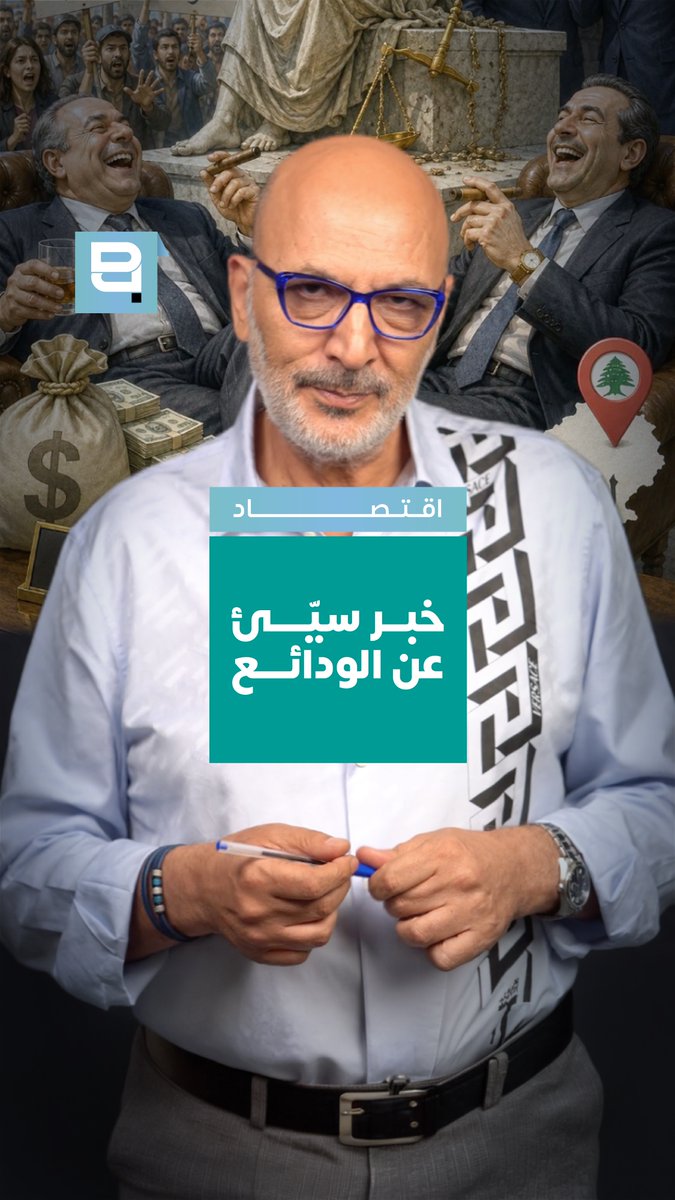
بحسب معلومات أولية عن المفاوضات الجارية بين مصرف لبنان وصندوق النقد الدولي لتعديل مشروع قانون الفجوة المالية واسترداد الودائع، تبرز خمس نقاط أساسية أولاً: قد يُشطب نحو 25% من الودائع المصنفة «غير منتظمة» أو غير المؤهلة للسداد كلياً أو جزئياً ثانياً: لم يعد الحديث عن سداد 100 ألف دولار لكل مودع خلال أربع سنوات، بل قد تمتد المدة إلى ست أو سبع سنوات ثالثاً: أصحاب الودائع التي تفوق 100 ألف دولار قد يحصلون على سندات تستحق بعد 20 أو 25 أو 30 سنة بدلاً من 10 أو 15 أو 20 سنة رابعاً: يُطرح السماح ببيع الودائع على أساس 15 ألف ليرة للدولار، ما يعني خسارة تقارب 83% من قيمتها خامساً: الودائع التي ستُحوَّل إلى أسهم في المصارف (Bail-in) قد تُحتسب أيضاً على أساس 15 ألف ليرة للدولار، بما يعني اقتطاعاً مماثلاً الخلاصة: يبدو أن المودع هو من سيتحمّل الجزء الأكبر من الكلفة، فيما تغيب حتى الآن أي محاسبة جدية للمسؤولين عن الأزمة سواء من سياسيين فاسدين أو مصرفيين جشعين According to preliminary information from ongoing negotiations between Banque du Liban and the International Monetary Fund over amendments to the financial gap and deposit recovery law, five key points stand out First: Around 25% of deposits classified as “irregular” or ineligible for repayment may be written off Second: The proposal to repay up to $100,000 per depositor within four years is no longer being discussed, with repayment potentially extending to six or seven years Third: Depositors with more than $100,000 may receive bonds maturing in 20, 25, or 30 years instead of 10, 15, or 20 years Fourth: A proposal would allow deposits to be sold at an exchange rate of 15,000 Lebanese pounds per dollar, implying a loss of about 83% of their value Fifth: Deposits converted into bank shares through a bail-in process may also be valued at 15,000 pounds per dollar, resulting in a similar haircut Bottom line: Depositors appear set to bear the largest share of the cost, while serious accountability for those responsible for the crisis—whether corrupt politicians or reckless bankers—remains absent Mounir Younès/منير يونس #لبنان #الودائع #المصارف #صندوق_النقد_الدولي #Lebanon #Deposits #Banks #IMF

Beirut Politics

14,138 次观看 • 1 个月前

"If you go back to 9/11, when Wesley Clark said, 'We're going to invade 7 countries in 5 years,' ...[those] were the countries [whose] central banks were not on board to do programmable money... I think one of the reasons we're seeing so much tension around Iran is because Iran right now is the big leakage in the system." This clip of Catherine Austin Fitts, a former Assistant Secretary of Housing and Urban Development, investment banker, and founder of the Solari Report (The Solari Report | Catherine Austin Fitts), is taken from a conversation with Tucker Carlson (Tucker Carlson) posted to YouTube on February 27, 2026. ---------------Partial transcription of clip--------------- Fitts: "Since 1913, the United States has had a governmental structure where the central bank, the Federal Reserve, which is the Board of Governors in Washington, and the 12 central banks, manage monetary policy. So they basically, working with the banks, run the financial transactions. The New York Fed runs the governmental accounts, they control the government bank accounts. "And their policies of fed funds, interest rate and money onto the reserve tracks affects the money supply and basically the money supply and how the money works, okay? So it's more complicated than that because they have lots of regulatory functions, but the people vote for their representatives. "So whether it's the State House or the Congress, they vote for elected representatives from their jurisdiction and area. And those people decide fiscal policy, which is what taxes do we collect, what tariffs do we collect, what bonds do we sell and raise money, and how does that money get spent? "So my representatives, your representatives, are determining fiscal policy, and the bankers are determining monetary policy. And it's a balance of power between the people and the bankers. Now with the digital control grid and programmable money, the bankers can assert control of fiscal policy and they can just decide what the taxes are and take them out of your account. And they can essentially determine the rules of how it all gets spent. "And so it's a very— it's sort of a financial coup d' etat that over time they want to assert complete control of fiscal and monetary policy. And essentially the legislatures will go to being sort of show and tell or go out of business. We're moving quickly in that direction where the legislatures in every country are becoming less powerful, in many cases irrelevant. "So here's my theory though. If you go back to 9/11, and when Wesley Clark said, 'We're going to invade seven countries in five years,' what you were talking about were the countries where those central banks were not on board to do programmable money, and their governance structures were not on board with essentially because of Epstein, I'll call it the Rockefeller–Rothschild model, there was an effort to say, okay, we're gonna basically assert control of the central banks in those countries. That's my interpretation. "And I think one of the reasons we're seeing so much tension around Iran is because Iran right now is the big leakage in the system." Carlson: "How? Wait, it's not about their nukes?" Fitts: "No. Well, Iran's central bank counts. One of the reasons it counts is because their oil and energy is very important, including for China. And that's very important in the BRIC system. What the BRIC system is trying to do is to create independent payment systems. "But if you're going to come out with programmable money with digital IDs that are interoperable globally and programmable money that that controls in each jurisdiction centrally. You can't afford leakage, and so you've got way too much leakage in the system to proceed with what they're trying to do. "And Iran is, and the BRIC nations are a sticking point and certainly Iran's oil feeding China gives China greater independence."

Sense Receptor

21,162 次观看 • 5 个月前

🚨 Cabinet has today approved a draft law that would significantly rewrite the Constitution, allowing President Mnangagwa to stay in office beyond 2028 and changing how elections are run. Next, the draft Constitutional Amendment No. 3 Bill will be gazetted by the Speaker of Parliament. It will then be tabled in Parliament after 90 days of public debate. If passed, it would amount to one of the biggest constitutional changes in years. Here are the key changes: 🔴 How the President would be chosen The Bill removes the current system of directly electing the President by popular vote. Instead, the President would be elected by Parliament. To win, a candidate must secure a majority of parliamentary votes. 🔴 Longer terms for the President and MPs The Bill increases the term of office for both the President and Members of Parliament from five years to seven years. 🔴 Changes to the Attorney-General’s office Under the Bill, anyone appointed as Attorney-General would need to meet the qualifications required of a Supreme Court judge. 🔴 A bigger Senate The Bill allows the President to appoint ten more senators, increasing the total number from 80 to 90. 🔴 Control of elections Responsibility for voter registration and the voters’ roll would move from ZEC to the Registrar-General. A new Zimbabwe Electoral Delimitation Commission would be set up to take over the task of drawing constituency and ward boundaries from ZEC. 🔴 Judicial appointments The Bill removes the public interview process for judicial appointments. This represents a shift away from the current system of open scrutiny in the selection of judges. 🔴 Role of the Defence Forces The Constitution would be amended to change how the role of the Defence Forces is described. Instead of stating that the military must “uphold” the Constitution, it would say they must act “in accordance with” the Constitution. 🔴 Abolition of the Gender Commission The Bill abolishes the Zimbabwe Gender Commission and transfers its functions to the Zimbabwe Human Rights Commission.

newZWire

60,429 次观看 • 6 个月前

معلومات صادمة لبيروت بوليتيكس في تحرّك دبلوماسي غير مسبوق، أجرى سفراء دول الاتحاد الأوروبي السبع والعشرين، إلى جانب سفراء كندا، والمملكة المتحدة، والنرويج، وسويسرا، وأستراليا، سلسلة لقاءات مع كبار المسؤولين اللبنانيين، في مقدّمهم رئيس الحكومة نواف سلام ورئيس حزب القوات اللبنانية سمير جعجع، وذلك بين 7 و13 تموز. وبحسب المعلومات، فإن هذه الجولة ليست سوى البداية، إذ يُنتظر أن تشمل الأيام والأسابيع المقبلة سبع زيارات إضافية إلى مراجع سياسية ونيابية. الرسالة الغربية، وفق ما تنقله مصادر مطّلعة، كانت واضحة وحاسمة: ضرورة الإسراع في التوصل إلى اتفاق مع صندوق النقد الدولي. عدم الالتفاف على التعديلات المطلوبة في قانون إصلاح المصارف. وعدم إفراغ مشروع قانون الاستقرار المالي واسترداد الودائع من مضمونه الإصلاحي. وتؤكد المصادر أن هذا الحشد الدبلوماسي شدّد على ضرورة أن تأتي التشريعات اللبنانية مطابقة بالكامل لما يتم الاتفاق عليه مع صندوق النقد الدولي، من دون تعديلات تُفرغ الإصلاحات من أهدافها. ويأتي هذا التحرّك بعد انسحاب مصرف لبنان من مسار التفاوض مع الصندوق، وبالتزامن مع بدء مجلس النواب مناقشة التعديلات على قانون إصلاح المصارف. وبحسب معلومات خاصة حصلت عليها بيروت بوليتيكس، حملت اللقاءات رسالتين أساسيتين: الرسالة الأولى: عدم العبث بالتشريعات الإصلاحية أو محاولة الالتفاف عليها، لأن ذلك سيؤدي إلى إعادة إنتاج الأزمة نفسها التي يعيشها لبنان منذ سبع سنوات. الرسالة الثانية: لا تمويل دولياً حقيقياً للبنان، ولا استعادة للثقة، ولا عودة للاستثمارات، من دون اتفاق رسمي مع صندوق النقد الدولي. وتضيف المعلومات أن عدداً من السفراء يعتبرون أن بعض الجهات المعارضة للاتفاق مع الصندوق لا تنطلق من الحرص على أموال المودعين، التي تستمر قيمتها بالتآكل منذ سنوات، بل من اعتبارات تتعلق بالحفاظ على الصلاحيات والنفوذ، وحماية مصالح قوى مالية ومصرفية نافذة. وبحسب هذه المصادر، فإن القوى التي تعرقل الاتفاق لا تطرح أي بديل اقتصادي أو مالي قابل للتنفيذ. أما الخلاصة التي ينقلها عدد من السفراء والمؤسسات المالية الدولية، فهي أن استمرار تعطيل الاتفاق مع صندوق النقد قد يُبقي لبنان تحت وطأة تداعيات أزمته الاقتصادية لعشرين عاماً على الأقل. تبقى هذه المواقف منسوبة إلى مصادر دبلوماسية وإلى مؤسسات مالية دولية، لكنها تعكس حجم القلق الدولي من مسار الإصلاحات في لبنان. لقد أَعذر من أنذر. Shocking information obtained by Beirut Politics In an unprecedented diplomatic move, the ambassadors of the 27 European Union member states, along with the ambassadors of Canada, the United Kingdom, Norway, Switzerland, and Australia, held a series of meetings with senior Lebanese officials, including Prime Minister Nawaf Salam and Lebanese Forces leader Samir Geagea, between July 7 and July 13. According to the information, this round of meetings is only the beginning, with seven additional visits to political and parliamentary leaders expected in the coming days and weeks. According to informed sources, the Western message was clear and firm: The need to swiftly reach an agreement with the International Monetary Fund. No circumvention of the required amendments to the Banking Reform Law. No weakening of the Financial Stability and Deposit Recovery Law by stripping it of its reform content. The sources confirmed that this broad diplomatic effort stressed that Lebanese legislation must fully comply with whatever is agreed upon with the International Monetary Fund, without amendments that would undermine the purpose of the reforms. This diplomatic initiative comes after Banque du Liban withdrew from the negotiation process with the IMF, while Parliament has begun discussing amendments to the Banking Reform Law. According to exclusive information obtained by Beirut Politics, the meetings carried two key messages: The first message: Do not tamper with reform legislation or attempt to circumvent it, because doing so would reproduce the very crisis Lebanon has been suffering from for the past seven years. The second message: There will be no meaningful international financing for Lebanon, no restoration of confidence, and no return of investments without a formal agreement with the International Monetary Fund. The information further states that several ambassadors believe some of the parties opposing an agreement with the IMF are not motivated by concern for depositors’ money, whose value continues to erode year after year, but rather by considerations related to preserving influence and authority, and protecting the interests of powerful financial and banking groups. According to these sources, the forces obstructing an agreement have failed to present any viable economic or financial alternative. The conclusion conveyed by several ambassadors and international financial institutions is that continued obstruction of an agreement with the IMF could leave Lebanon burdened by the consequences of its economic crisis for at least another twenty years. These positions remain attributed to diplomatic sources and international financial institutions, but they reflect the extent of international concern over the course of Lebanon’s reform process. Those who have warned have fulfilled their duty. Mounir Younès/منير يونس #لبنان #صندوق_النقد_الدولي #الإصلاحات #مجلس_النواب #المصارف #الاقتصاد #BeirutPolitics #Lebanon #IMF #Reforms #Parliament #Banking #Economy #BeirutPolitics

Beirut Politics

18,060 次观看 • 21 天前

The Chinese president stood on a stage in Shanghai and laid out China's entire AI playbook in one speech. It was his first-ever in-person appearance at the World AI Conference. I went through the whole thing and pulled out everything that matters. - he opened with his signature maxim that great changes unseen in a century are unfolding across the world. - he said AI development should not be a solo performance by a single country but a symphony of international cooperation. - he reaffirmed China's commitment to open source AI in the name of openness and shared benefit. - he warned against overstretching the concept of national security in AI, where one country puts its own security above everyone else's. - he said China opposes the emergence of new historical injustices in AI, one of the strongest-worded lines in the speech. - he pledged 5,000 AI training opportunities for developing countries over the next five years, naming ASEAN, the Arab League, the African Union, CELAC, the SCO, and BRICS. - he committed to giving 30 countries access to a Chinese AI weather system that provides early disaster warnings. - a day before the speech, 29 countries signed the agreement creating a new World AI Cooperation Organization headquartered in Shanghai. strip away the politics and one thing stands out to me. he didn't pitch benchmarks or chatbots. he pitched AI as infrastructure, weather warnings for countries that lose thousands of lives to storms they never saw coming, and training programs for regions the AI boom has skipped. meanwhile most of the Western AI conversation revolves around which lab ships the next frontier model. I don't care who wins the race. I care whether the computing power reaches the people who need it. The full speech is below, and it's worth your time.

Alex Veremeyenko

474,308 次观看 • 22 天前

این پیام من خواهد بود در کنفرانس امنیتی مونیخ و دیدارهای خصوصی‌ام با برخی از قانونگذاران و رهبران جهان. At the Munich Security Conference, my message is clear: any negotiation with the Islamic Republic at this moment of extreme weakness would be a historic mistake. The world must recognize that this regime does not understand diplomacy، it survives on hostage-taking, terrorism, and executions. Take the case of Jamshid Sharmahd, a German citizen kidnapped by the regime. The German government spent months negotiations to bring him home. Instead, his dead body was delivered to Germany. This is the Islamic Republic’s definition of diplomacy. Empowering it now would prolong repression inside Iran and instability across the region. The Islamic Republic is not a legitimate government; it is a threat to global security. So, it is surprising that the German government intervened to cancel an opposition figure from taking part in the Munich Security Conference. I strongly condemn such efforts to cancel dissidents and activists. Because the Islamic regime does not represent the people of Iran. The regime has systematically executed, imprisoned, and tortured its citizens for over four decades. Beyond Iran, the Islamic Republic exports violence through its proxies, from Hezbollah to the Houthis. Any deal with the government in Iran will fund more terrorism, not peace. The Iranian people, not the regime, must be the West’s partner. The people of Iran have shown, in nationwide protests from 2009 to 2022, that they reject this regime. Supporting the Islamic Republic in any form, through negotiations or financial relief, betrays the Iranian people and strengthens a dictatorship that will never reform. Western policymakers must learn from past mistakes. The 2015 nuclear deal (JCPOA) failed because it provided a financial lifeline of billions of dollars to the regime, which it spent on its military and security forces rather than improving the lives of ordinary Iranians. Let us not repeat the failures of the past. The opposition has been divided for years, but now is the time for unity. One reason the Islamic Republic has survived this long is that opposition groups have been fragmented and unable to build a unified front. This moment of crisis presents an opportunity to unite opposition forces, mobilize international support, and work toward a common goal: the end of the Islamic Republic. Western governments must actively support a transition to a secular democracy. The world should engage with and amplify the voices of those fighting for democracy. Just as the West supported the transition from apartheid in South Africa, it must take a stand against apartheid regime and state terrorism in Iran. Final Message: The Islamic Republic has proven time and again that it cannot be trusted with negotiations. Every deal has only given the regime more time to advance its nuclear ambitions, fund terrorism, and oppress its own people. Eliminating Islamic Republic proxies, nuclear sites, IRGC leadership and regime’s key figures, would not only neutralize a direct global threat but also accelerate the fall of a brutal government that has waged war against its own citizens. Eliminating terrorists is not a tragedy—it is a victory for those who have endured the cruelty of dictatorship. The Iranian people do not need another failed diplomatic process, they need decisive action to remove the very system that has kept them in chains. We all need to fight against one of the most dangerous virus, which is called Islamic Republic that is how we protect global security.

Masih Alinejad

331,548 次观看 • 1 年前