
Sheldrick Wildlife Trust
@SheldrickTrust • 254,636 subscribers
Pioneers in the rescue, rehabilitation & rewilding of orphaned elephants and rhinos, we actively work to conserve all wildlife and wilderness areas in Kenya.
Shorts




Videos

The table is set, the guests have arrived, and dinner is served. Most evenings, Max hosts a party of pigs and assorted hangers-on. These wild warthogs have taken up residence around the Nairobi Nursery and come and go from Maxwell’s stockade as they please – sometimes with his blessing, other times much to his chagrin. Maxwell is a unique orphan: he is blind, due to a congenital eye condition. We rescued him as an infant back in 2007, after our Keepers found him lost and crying in the forest. Because a blind rhino would not be able to survive in the wild, Max has a forever home with us. Our ‘Nursery patriarch’ is a much-loved member of the family. To learn more about Max and support him through an adoption, visit:
Sheldrick Wildlife Trust16,315 просмотров • 1 день назад

New baby announcement! At dawn today, ex-orphan Chaimu returned to our Ithumba stockades with a beautiful surprise – her newborn daughter. We were delighted that she chose to share this special moment with the Keepers who helped raise her. Named Comet, she is the 95th known calf born to an orphan rescued, raised and rewilded through our Orphans’ Project. Each new arrival is a wonderful reminder of what your support makes possible: not just saving individual lives, but giving rise to new generations of wild elephants. Read Chaimu and Comet’s story:
Sheldrick Wildlife Trust109,150 просмотров • 15 дней назад

Yesterday evening, the best kind of elephant rescue unfolded – one that ended with a little life saved and a wild family kept together. A young calf was found flailing inside a septic tank, trapped and unable to free herself. Keepers from our nearby Voi Reintegration Unit raced to the scene, alongside the SWT/KWS Tsavo Mobile Vet Unit. Together, they filled the tank with water, slowly floating her up to a level where she could be lifted onto solid ground. It was the moment her mother had been waiting for. The herd had remained in the area, panicky but clearly not yet giving up hope. The reunion at the end speaks for itself – sound up to hear the trumpets of joy! It isn’t always possible to reunite a trapped calf with her family. Often, by the time a calf is discovered, many hours have passed and the herd has been forced to move on. Whether it’s a rescue or a reunion, our team will be there, and we’ll make sure this tank is covered so it can’t happen again. Discover how donations are saving wild lives in the field every day:
Sheldrick Wildlife Trust23,779 просмотров • 3 дней назад

After eight months away roaming wild in Tsavo, baby Sia and her mum, ex-orphan Sagala, stopped by our Voi Reintegration Unit with their herd. Sia started a game of peekaboo and Keeper Walter, like the proud grandfather he is, obliged. Every baby elephant is precious but, to us, Sia is doubly so: she is the offspring of two orphans we rescued and reintegrated into the wild and one of 95 calves we know of thanks to our Orphans’ Project. Meet the rest:
Sheldrick Wildlife Trust29,815 просмотров • 5 дней назад

If elephants had mug shots, this bull would have one. He was a repeat fence-breaker and his crop raiding activities put the people who live next to Tsavo West National Park in danger. It took helicopter pilots, crane truck operators, rangers and vets, working with the Kenya Wildlife Service (KWS), to move him deep into the Tsavo ecosystem, a protected habitat where he can find food and water. Translocation is always a last resort, used when other efforts, such as aircraft or drones, haven’t worked. In a case like this, it can be the only way to prevent further conflict and possible loss of life. Your donations make operations like this possible. Thank you:
Sheldrick Wildlife Trust17,257 просмотров • 4 дней назад

Is Wangalla nudging Keeper Misheck along because it’s nearly milk time, or just eager for a nuzzle? We’ll let you decide. It’s fair to say she is obsessed with her Keepers. When they gather for tea in the evening, she pops into her stable, grabs a branch or two to munch on while they have their chai, and bimbles around the terraces from one Keeper to the next until bedtime. The adoration cuts both ways. Misheck, for one, refused to leave her side for a full five months after she was rescued. Discover her story in full:
Sheldrick Wildlife Trust15,128 просмотров • 4 дней назад

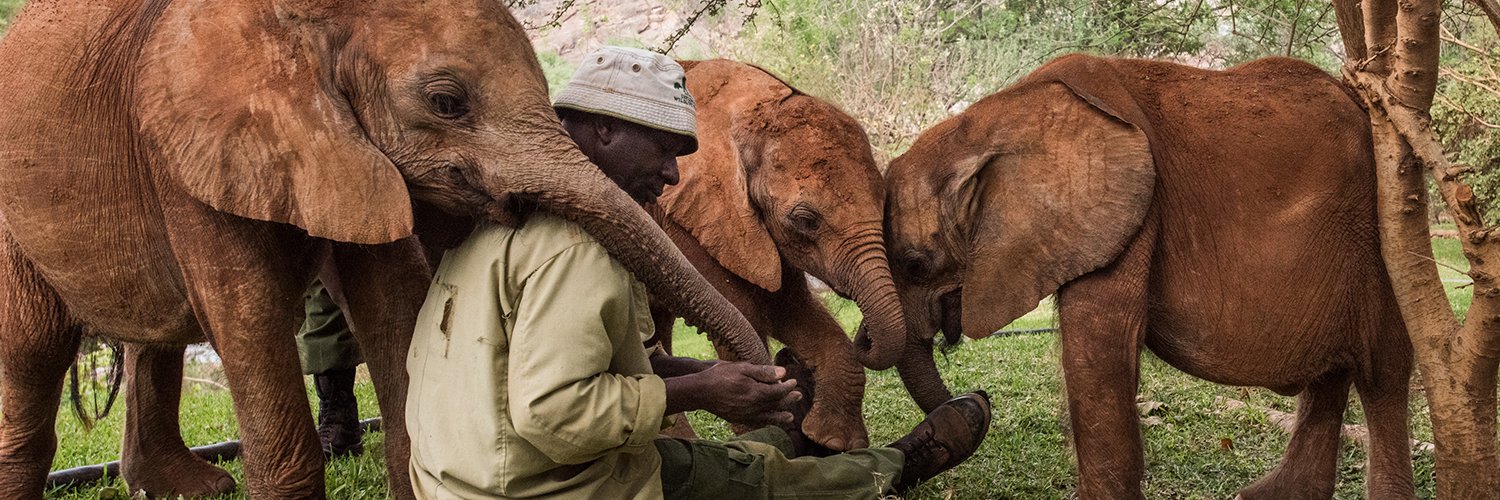
When an elephant calf loses its mother, it loses everything – its family, its food source, its protection, its entire support system. That’s where our Keepers enter the picture: they spend every waking (and sleeping hour) with their charges, swaddling them in blankets when chilly, gently rubbing moisturising coconut oil onto their delicate skin, hand-picking favourite greens, scooping handfuls of mud and dust on their bodies, and gently helping them learn behaviours and habits – just as their mothers, nannies, and siblings would in the wild. Discover what it takes to be a neonate Keeper:
Sheldrick Wildlife Trust591,589 просмотров • 10 месяцев назад

Baby elephants don’t get much cuter than Comet. Born just last week, she is fresh from the womb but already walking around and doing what infant elephants are wont to do: sticking by Mum and figuring out how everything works. Her mum, Chaimu, is an orphan we raised and returned to the wild. She has a stellar support network around her to nurture Comet through her infancy – and, as doting grandparents, we can’t wait to watch this beautiful little girl grow up in the wilds of Tsavo. Read:
Sheldrick Wildlife Trust18,959 просмотров • 7 дней назад

Wamata doesn’t let a fence stand between her and her own personal paradise. This was more graceful than some of the attempts we’ve seen at reaching tasty greens! She was found alone at just 12 months old, an age when she should have been glued to her mother’s side, and was skinny and withdrawn. With time, and the care of her Keepers and the other orphans, she has found her feet: these days she bush-bashes, plays chase with Notty the zebra and hoovers up her dinner. Find out more about Wamata’s backstory:
Sheldrick Wildlife Trust13,531 просмотров • 5 дней назад

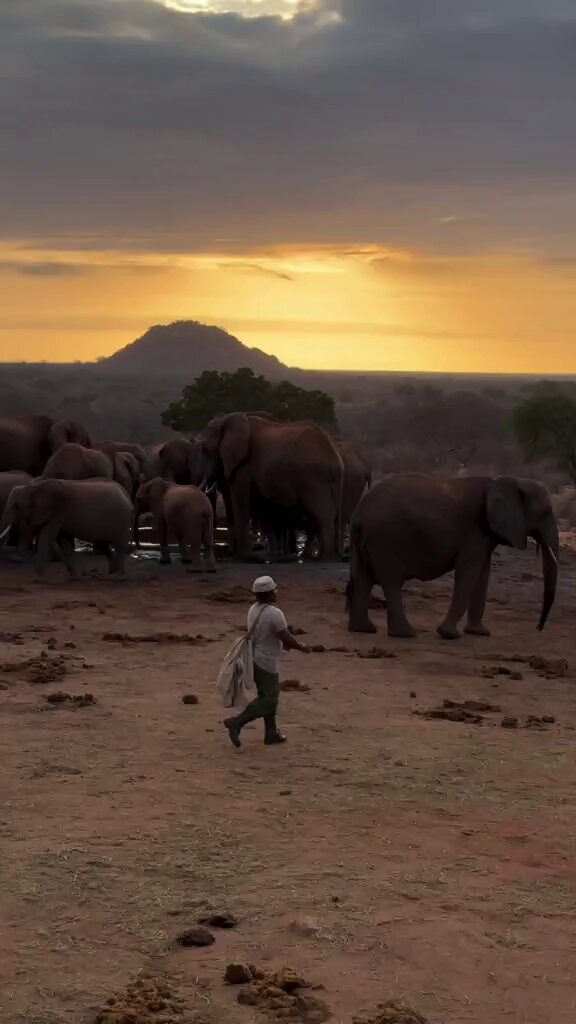
Join Moon on a morning meander around the Ithumba stockades! Her mum, ex-orphan Melia, is just out of frame, confident that her daughter is safe to explore – and Moon is having a marvellous time to-ing and fro-ing among the wild elephants and ex-orphans who join our dependent herd for fresh water. Scenes like this unfold almost daily at Ithumba, thanks in no small part to our field teams, who keep the area safe and deliver the water. The dry season can be a hard time to live in this part of Tsavo, and the wild herds know where to find reliable support. Find out more about how we rescue orphaned elephants and help wild ones thrive:
Sheldrick Wildlife Trust11,386 просмотров • 4 дней назад

All eyes are on Sulwe for now. But in a couple of years, a new brother or sister might be the centre of everyone’s attention, given that her mother, ex-orphan Sonje, has recently been courting wild bulls in the area. In the meantime, baby fever is set to reach new heights at our Umani Springs Reintegration Unit, where six of our seven older girls are currently pregnant. Since they live wild, we’re treated to antenatal visits of sorts when they choose to return to the Unit. Luckily for us, that’s every few days, giving our Keepers the chance to check on their progress and enjoy moments like this with the growing families. Catch up with our Keepers' Diaries:
Sheldrick Wildlife Trust14,581 просмотров • 6 дней назад

Love isn't all about roses or grand gestures. At our Nursery in Kenya, it looks like a Keeper dragging a matress onto the lawn so a sleepy (yet playful!) orphaned infant elephant can enjoy a rest. In fact, elephants have a way of working themselves into your heart and this Valentine's Day, we'd love to help you find your orphan match – the orphaned elephant, rhino or giraffe whose story captures your heart. Visit to meet our herd and discover your perfect match!
Sheldrick Wildlife Trust416,445 просмотров • 8 месяцев назад

A quirk about Sibu: She has refused to drink her milk from a bottle from day one. Instead, she takes her milk from her own personal pail. A Keeper stands guard to protect her from pilfering trunks – but sometimes, greedy Korbessa manages to thwart her bodyguards and sneak a sip or two. Never a drama queen, Sibu happily shares the dregs with her younger friend! An orphan, Sibu is the newest addition to our foster programme. Speared in the shoulder, she was rescued with a serious, septic wound – and emotional scars, too. She’s now growing up in our care until she’s ready to rejoin the wild. Discover her rescue story and support the care of orphaned elephants like her through an adoption:
Sheldrick Wildlife Trust12,722 просмотров • 5 дней назад

One year ago today, Daba’s life changed forever. Spotted alone by our SWT/KWS Canine Unit during a training exercise, the tiny calf was tracked for hours in the hope he would find his family. But no other elephants appeared, and it became clear that this little orphan needed help. A year on, shy little Daba has blossomed into a confident, calm and increasingly mischievous young elephant. What a difference a year makes! His journey is only beginning. Support Daba’s care and his future in the wild through an adoption:
Sheldrick Wildlife Trust29,577 просмотров • 17 дней назад

Earlier this year, a speared tusker took us on a true Tsavo odyssey: it took a month and a hundred kilometres of tracking to find him, plus the coordinated efforts of multiple SWT teams, in order to treat him. In pursuit of alleviating wildlife suffering, our teams do not give up! The initial report came in late at night. Our pilot took off at first light to locate him, but he had evaporated into the wilderness. For the next two weeks, we extensively patrolled the area, but he was nowhere to be found – no small feat for huge elephant. We had a breakthrough a month later when another SWT/KWS Anti-Poaching Team spotted a bull with the same injury. Comparing photos of the two, we knew it had to be the same elephant. Incredibly, he had walked more than 95 kilometres (60 miles) from the initial sighting. Again, it was late in the evening, so we organised a treatment for the following morning. From there, we left nothing to chance. The SWT/KWS Mobile Vet Unit mobilised to the scene – and not a moment too soon. The wound was serious – more than 18 inches deep and dangerously infected. Watch the successful treatment unfold, one of 3,918 elephant cases our SWT/KWS Veterinary Units have attended thanks to donations, which make life-saving interventions like this possible. (Catch a full write up of the operation here: )
Sheldrick Wildlife Trust412,971 просмотров • 10 месяцев назад

Kaikai exudes joy! She is the happiest little elephant, who starts every morning 'dancing' into the new day! Her best friend Bungalu is just as content, but a little more subdued about it! Kaikai is here today because of supporters like you. Rescued as a newborn orphan, Kaikai will grow up in our care until she’s ready to reclaim her place in the wild – a journey that may take more than a decade. Learn more about Kaikai and support her journey:
Sheldrick Wildlife Trust17,149 просмотров • 10 дней назад

With the rains yet to arrive, Kaikai has decided to make her own showers! As water flows from a topped-up tank, Kaikai positions herself right underneath, happily creating her own rainfall and splashing about in the puddle below. Bungula, true to character, prefers a more sedate approach, quietly dipping the tip of his trunk into the run-off for a refreshing drink. Both are orphaned elephants in our care. With your support, we're providing for their daily needs, helping them grow strong so that, one day when they are ready, they can reclaim their place in the wild. Adopt Kaikai or Bungula and be part of their journey:
Sheldrick Wildlife Trust21,185 просмотров • 14 дней назад

Kenya is rewriting its rhino story – and every orphan we rescue helps write the next chapter. 🦏 We’ve successfully hand-raised 20 orphaned black rhinos, with many going on to raise their own offspring in the wild. Today, four remain in our care: Maxwell, Apollo, Chamboi and little Tytan. This #WorldRhinoDay, help give the next generation a future in the wild:
Sheldrick Wildlife Trust31,986 просмотров • 25 дней назад

The new kid on the block! Last week, our Ithumba Keepers and the dependent orphans gathered to welcome Comet – a newborn, and the 95th known calf born to an orphan elephant we rescued, raised and rewilded. A week on, it’s all smiles as mum Chaimu has chosen to stick around, giving the Keepers and orphans regular glimpses into the new baby’s world. Read the full story:
Sheldrick Wildlife Trust13,378 просмотров • 9 дней назад