Video yükleniyor...

Video Yüklenemedi

Ana Sayfaya Dön

🚨🚨10-Year Longitudinal Data On Ketogenic Diet Adverse Events, Bone Mineral Density, Thyroid Function, and Kidney Function: PART 2🚨🚨 NEW DATA OUT TODAY: We (Joseph C. Watso, PhD/ Austin Robinson/ Samuel Klein) just published our PART 2 paper looking at long-term safety and clinical efficacy of ketogenic diet on: ☠️Adverse...

62,167 görüntüleme • 2 yıl önce •via X (Twitter)

10 Yorum

RD, Ph.D. profil fotoğrafı
RD, Ph.D.2 yıl önce

@Joseph_Watso @AusRob_PhD Great work. Hopefully the 'hyperglycemia and grainfood for better bone health' crowd will apologize.

Jan Ellison Baszucki profil fotoğrafı
Jan Ellison Baszucki2 yıl önce

@Joseph_Watso @AusRob_PhD Fantastic work!

darthluiggi ಠ_ಠ profil fotoğrafı
darthluiggi ಠ_ಠ2 yıl önce

@KingManninen @Joseph_Watso @AusRob_PhD Great work!!!

Bradley Chillerman, PhD profil fotoğrafı
Bradley Chillerman, PhD2 yıl önce

@Joseph_Watso @AusRob_PhD His total body bone mineral density of 1.423 g/cm² is over the 95 percentile in this NHANES dataset! Impressive!

Franziska Spritzler profil fotoğrafı
Franziska Spritzler2 yıl önce

@Joseph_Watso @AusRob_PhD Impressive results! Thank you, Andrew and team!

Nupur Lalvani profil fotoğrafı
Nupur Lalvani2 yıl önce

@Joseph_Watso @AusRob_PhD Congrats Andrew and colleagues! As a T1 who does keto/very low carb, I have found it incredibly helpful as a method of management. So happy to see the data supporting it. For those who ask where’s the data to prove it - here it is!

Marco Antonio Galván profil fotoğrafı
Marco Antonio Galván2 yıl önce

@Joseph_Watso @AusRob_PhD @juanludlow

MrHeathcliff profil fotoğrafı
MrHeathcliff2 yıl önce

@davidludwigmd @Joseph_Watso @AusRob_PhD Seriously? A case study?

Sameyeam profil fotoğrafı
Sameyeam2 yıl önce

@Joseph_Watso @AusRob_PhD You missed ASCVD risk which is terrible with this diet

Sameyeam profil fotoğrafı
Sameyeam2 yıl önce

@Joseph_Watso @AusRob_PhD 10 yr ratios are bunk. Apob is the best marker. High SF keto diets drive apob higher not lower. Can low SF higher PUFA keto work? Possibly but no one is sustaining a strict keto diet for life . Its unnecessary

Benzer Videolar

BAN HQ Medical Committee presents Diabetic Awareness - World Diabetes Day 2024. World Diabetes Day is observed every year on November 14th, marking an important opportunity to raise awareness about diabetes and advocate for better prevention, diagnosis, and management of the disease. The day became an official United Nations (UN) day in 2006. This year’s theme, "Access to Diabetes Education," underscores the need for better information and resources to help prevent and manage diabetes effectively. The Medical Team of Brothers across Nigeria (BAN) worldwide is proud to recognize World Diabetes Day by supporting the established framework for diabetes education, which includes: 1. Learning and Knowledge Sharing. 2. Prevention. 3. Identification and Treatment. UNDERSTANDING DIABETES Diabetes is a disease that results from excess sugar in the blood, causing serious health problems over time. The Types of Diabetes: 1. Type 2 Diabetes: The most common form, accounting for about 90% of cases. It occurs when the body doesn’t use insulin effectively or doesn’t produce enough. 2. Type 1 Diabetes: An autoimmune condition, usually diagnosed in childhood, where the body cannot produce insulin. 3. Gestational Diabetes: Occurs during pregnancy and usually goes away after childbirth, but it increases the risk of developing type 2 diabetes later in life. 4. Prediabetes: A condition where blood sugar levels are higher than normal but not high enough to be considered type 2 diabetes. 1 in 3 adults has prediabetes, highlighting the need for early intervention and lifestyle changes. SYMPTOMS OF DIABETES The symptoms of diabetes vary, and some people (especially those with prediabetes, gestational diabetes, or type 2 diabetes) may not experience symptoms at all. In type 1 diabetes, symptoms usually appear quickly and are more severe. Common symptoms include: I. Increased thirst or urination II.Fatigue III. Blurry vision IV. Slow-healing sores or infections RISK FACTORS A variety of factors contribute to the risk of developing type 2 diabetes, including: Age and genetics, Lifestyle factors:, poor diet, lack of physical activity, and smoking increase the likelihood of developing diabetes. Social factors: Access to healthy food, healthcare, and safe spaces for exercise also play a significant role in managing and preventing diabetes. Race and Ethnicity: People from certain racial or ethnic backgrounds, including Black, Hispanic, American Indian, and Asian American populations, are at higher risk for type 2 diabetes. Discrimination and stigma: These factors can exacerbate the challenges faced by marginalized communities in managing diabetes. COMPLICATIONS When diabetes is not properly controlled, it can cause serious and even life-threatening complications, including Heart disease and strokes, Nerve damage (neuropathy), Kidney damage, Eye problems, Foot issues, Skin and mouth infections, Hearing loss, Memory issues, Depression and Anxiety. PREVENTION Preventing or delaying type 2 diabetes is possible through early lifestyle changes. The following strategies can help reduce the risk of developing diabetes: 1. Eat a Healthy Diet 2. Get Active 3. Maintain a Healthy Weight 4. Quit Smoking 5. Limit Alcohol Intake 6. Get Regular Checkups 7. Manage Stress 8. Sleep Well CONCLUSION World Diabetes Day is an important reminder of the growing global impact of diabetes and the urgent need for education, awareness, and action. This year’s theme highlights the critical need for better information and resources to prevent and manage the disease. By focusing on education, early detection, and lifestyle changes, we can work together to reduce the burden of diabetes and create a healthier future for all. #BANWorldwide, #BrothersAcrossNigeria #WorldDiabetesDay, #WDD2024, #DiabetesAwareness, #KnowYourNumbers, #DiabetesPrevention, #14November, #AccesstoDiabetesCare

Brothers Across Nigeria International

13,735 görüntüleme • 1 yıl önce

Why Aren't We Talking About This? Clinical Trials Show Reversal of Diabetes, Hypertension, and Even Mental Illness in Weeks—Not Years—Through Diet Alone. A medical revolution is being ignored, and it holds the key to reversing some of our most devastating chronic diseases. As documented by investigative journalist Nina Teicholz, robust clinical trials—the gold standard for science—reveal a stunning truth: a diet dramatically low in carbohydrates can reverse chronic conditions in weeks, not years. The data is staggering: • Reverse Type 2 Diabetes: In the largest clinical trial, over 50% of participants reversed their T2D within 10 weeks, including those who had it for an average of eight years. • Reverse Hypertension & Cardiovascular Risk: The vast majority of cardiovascular risk factors can be reversed. • Transform Mental Health: Schizophrenia and bipolar disorder symptoms can be reversed. Depression and anxiety can be reduced by 79%. This isn't speculative; it's proven. This knowledge has existed for a decade, yet it remains buried. Consider this: 38 million Americans have Type 2 Diabetes. How many headlines have you read about reversing it with food? Now, think of the thousands of articles on drugs like Ozempic and Wegovy. The silence on a nutritional cure is deafening—and it reveals the immense scale of the challenges we face in public health. This isn't just science; it's a testament to the power of food and a source of profound hope. The tools for healing are already on our plates.

Camus

223,779 görüntüleme • 9 ay önce

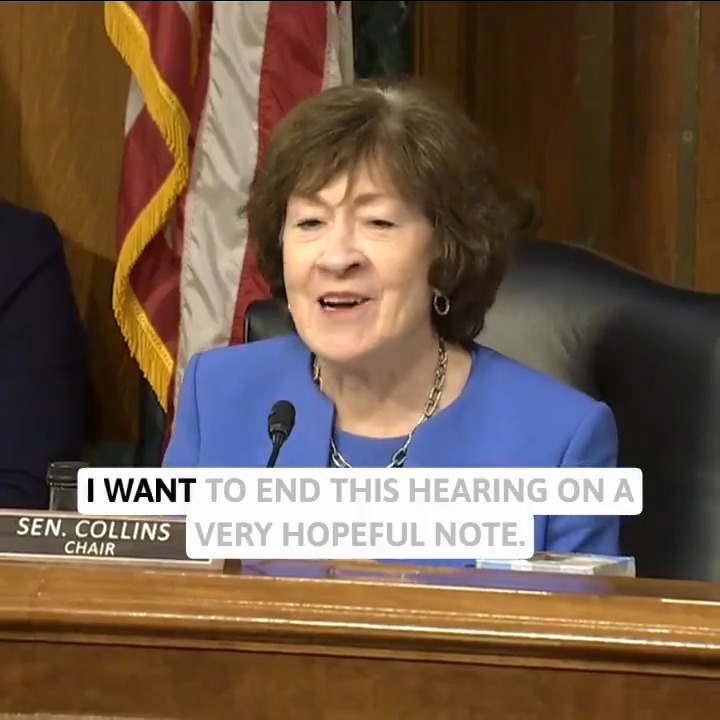
Today, more than 170 delegates from all 50 states and five countries were in Washington for the 2025 Breakthrough Type 1 Diabetes Children’s Congress. I was proud to chair a Senate Appropriations Committee hearing to welcome the delegates and focus on the importance of federal investment in Type 1 diabetes research. Senator Jeanne Shaheen and I — the founding co-chairs of the bipartisan Senate Diabetes Caucus — introduced legislation this week to reauthorize the Special Diabetes Program, a federal initiative that provides $160 million annually for Type 1 diabetes research and prevention. Thanks to this program and the tireless advocacy of Breakthrough T1D and its Children’s Congress Delegates, we are seeing life changing breakthroughs in the fight against this terrible disease. Some of these developments include the now widely used continuous glucose monitors, the first FDA-approved artificial pancreas, and a groundbreaking clinical trial in which 10 of the 12 participants no longer need insulin to manage their diabetes because of a stem cell-based therapy. Since the founding of the Senate Diabetes Caucus in 1997, federal funding for diabetes research has increased from $319 million to more than $2.3 billion annually. I want to thank our outstanding witnesses for today’s hearing: Ruby Whitmore of Old Town, Maine, Rachel White of North Hampton, New Hampshire, Katie Bone of Bernalillo, New Mexico, and Dr. Griffin Rodgers, Director of the National Institute of Diabetes and Digestive and Kidney Diseases (NIDDK). Their passionate testimony highlighted both the daily realities of living with type 1 diabetes and the vital role of continued federal research through agencies like the NIDDK. Finding a cure for Type 1 diabetes remains our ultimate goal and has been one of my highest priorities since the very beginning of my Senate service. With continued advocacy, bipartisan support, and strong federal investment, I am confident that day will come.

Sen. Susan Collins

12,348 görüntüleme • 1 yıl önce

What if everything we thought we knew about cholesterol and heart disease risk… doesn’t apply to everyone? In this episode, world-renowned cardiologist Dr. Matthew Budoff unpacks the results of a landmark one-year study tracking 100 lean, metabolically healthy individuals on a ketogenic diet with extremely elevated LDL levels. Dr. Budoff is the Program Director, Director of Cardiac CT, and the endowed chair of preventive cardiology at The Lundquist Institute for Biomedical Innovation at Harbor-UCLA Medical Center. In this interview, Dr. Scher and Dr. Budoff further break down the results of his new publication, which used advanced imaging to demonstrate that LDL cholesterol and ApoB levels are not associated with plaque progression in Lean-Mass Hyper Responders following a #ketogenicdiet. 📊 Surprising insights: • Elevated LDL and ApoB did not predict plaque progression • Some participants with LDLs over 500 showed no plaque at all • A few participants even experienced plaque regression • Existing plaque—not LDL-C or ApoB—did predict plaque accumulation in this population Dr. Budoff explains what these results mean for clinicians, for patients using ketogenic therapy as a medical intervention, and for the broader conversation around cardiovascular disease risk. “It is important that clinicians, along with the general public, are made aware that personalized, data-driven approaches to assessing risk should be considered based on individual conditions,” said Dr. Budoff. “The existence of this phenotype suggests that alternative markers or tests should be used to establish metabolic health in some cases.” 🎬 These exciting new findings are featured in Dave Feldman and Jen Isenhart’s upcoming documentary, The Cholesterol Code, the story of how a software engineer conducts a groundbreaking study on an unusual group of people—lean, healthy individuals whose doctors are convinced they’ll die young. Real stories of healing with ketogenic diets provide a blueprint for using food as powerful medicine. Visit to learn more about the film and to be the first to hear about private screenings and the general release in the fall. Expert Featured: Dr. Matthew Budoff Matthew Budoff MD Resources Mentioned: Plaque Begets Plaque, ApoB Does Not Diagnostic and Preventative Cardiovascular Imaging Center CMEs Mentioned: Managing Major Mental Illness with Dietary Change: The New Science of Hope Brain Energy: The Metabolic Theory of Mental Illness Learn more about metabolic psychiatry and find helpful resources at

Metabolic Mind

10,423 görüntüleme • 1 yıl önce

Hashimoto's Hypothyroid..."You Want To Talk About A Pandemic?...We Have A Pandemic Of Medicating Organs In The Body That Have Done Nothing Wrong." The Only Guarantee If You're On Thyroid Medication Is That Your Dosage Will Increase. Why?...Because You're Killing The Thyroid. The 3 Part Protocol I Used To Heal My Thyroid 8 Years Ago. I Got Off Of Big Pharma's Payroll...A Patient Cured Is A Customer Lost. 1⃣ Adopt The Diet: A Ketogenic Carnivore Diet provides the framework & building blocks to heal & reverse hypothyroidism. The thyroid requires abundant protein with all of the bioavailable nutrients that animal sourced foods provide. Consume at least 1 gram of protein per pound of ideal body weight. The thyroid cannot heal on subclinical protein intake. Structure the diet around ruminant meat of beef, bison, venison, etc. Include an abundance of eggs, low mercury seafood, pork & poultry if tolerated. This is the source of the healing methylated natural B vitamins for thyroid T4 that is responsible for 80% of thyroid hormone production. Saturated animal fat is also required for optimal thyroid function. Consume & cook with butter, ghee, tallow, suet, lard & duck fat. Unrefined mineral salt is a must for the trace minerals that the thyroid requires. Focus on hormone production thru weightlifting, not cardio...as cardio further depletes adrenal & thyroid function. 2⃣ Eliminate Anti-Thyroid Foods: There are many foods that are Goitrogens...these are harmful to thyroid health & function. These are the vegetables, fruits, grains, nuts & seeds that cause a goiter, when the thyroid is starved of the iodine it requires to function & make thyroid hormone. Wheat/Gluten, Grains, Soy, Nuts & Seeds, Potatoes, Legumes, Cruciferous Vegetables & Certain Fruits contain thyroid harming Lectins, Oxalates, Goitrogens, Phytic Acid & Saponins. (article linked below) All of these plant anti-nutrients block absorption of iodine & it's required cofactors...the thyroid will never heal if these continue to be in the daily diet. If you are dairy intolerant or dairy sensitive, dairy should be eliminated as well. The gut inflammation that occurs will hinder key nutrient absorption & prohibit thyroid healing. 3⃣ Supplements For Optimal Thyroid: Iodine: Every cell in the body requires iodine & we no longer get enough from our soil or food. The thyroid alone uses 6 mg each day & the rest of the body uses an additional 4 mg each day. Lugol's 2% Iodine drops is the easy way to supplement. Iodine has required cofactors that must be in the diet or in supplement form: Methylated B Vitamins, Selenium, Zinc, Iron, Tyrosine & Copper. Make sure your ketogenic carnivore diet has ample supply of these nutrients &/or add grass fed beef organs or freeze dried beef organ supplement capsules. Prioritize natural daily sun exposure for D assimilation & hormone production &/or red light therapy. Magnesium Glycinate or Threonate is required as a cofactor for Vitamin D assimilation. Sweat therapy &/or Sauna to detoxify the body from anti-nutrients in the Eliminate category. This protocol healed my Hypothyroidism in 12 months in 2018. I slowly eliminated all of the supplements in 2022, while getting abundant nutrition in 150-200 grams of protein each day & the same or higher grams of saturated animal sourced fats. Prioritizing red meat & fish(Iodine & Selenium) & grass fed beef organ supplements & magnesium glycinate maintains thyroid healing. Let me know in the comments or thru DM if you have any questions or concerns about any part of the protocol. I will gladly answer any & all questions! 👇Low Carbohydrate Diet Reverses Hashimoto's👇 👇Iodine & Selenium Required To Heal Hashimoto's👇 👇Foods That Harm The Thyroid To Eliminate👇 Speaker: Gary Brecka, human biologist

Valerie Anne Smith

275,126 görüntüleme • 1 yıl önce

Since there’s been discussion about Colon Cancer over the past few days, I’ve decided to release my video covering new data on a ketogenic diet for colorectal cancer early. Below is a 79 second teaser. 🚨Some Key Considerations: 👉Epidemiology will never truly reveal cause-effect relationships between lifestyle and colon cancer. It’s fine for hypothesis generation, but not sufficient to make causal claims. 👉Animal model studies are limited insofar as they are non-human. That's true. However, have the power to provide insights into causal connections and mechanisms. In this study, to improve human relevance, the researchers used microbiome-humanized mice (see clip). *Don't disregard data because "oh, it's just animals." Sometimes, those are the most insightful and information data available on a given topic* 🚨Key Findings 👉Ketogenic diet reduced colon cancer tumor size and overall tumor burden 👉The mechanism appears to be due to the ketogenic diet altering the microbiome so as to increase the production of endogenous stearic acid, an 18 carbon saturated fat rich in cocoa butter, tallow, and shea butter. 👉Fecal transplant and exogenous stearic acid feeding experiments reveal the importance of the microbiome shift and anti-cancer potential of stearic acid 👉The stearic acid reduced inflammation and killed off cancer cells by apoptosis 🥓On Red Meat 👉As I review in the video briefly, red (and processed) meats are complex foods. They’re not just stearic acid. I will not rule out the possibility that meat, and particularly processed meats, could be a net negative for colon cancer risk given factors iron overload and/or chemical additives including processing. 👉However, I think it’s essential to keep in mind (1) dietary patterns and overall metabolic health matter MUCH more than any single food or ingredient. Effect size matters. (2) Given healthy user bias and food ‘lumping’ in epidemiology, it’s easy to draw misleading conclusions, e.g. red meat = universally bad for colon cancer risk. cc, with respect Dr. Rhonda Patrick 👉 As I review in the video (🔗 in first reply): “It’s entirely possible that a fatty ribeye steak [rich in stearic acid] could promote colon cancer when eaten with a side of fries by someone with obesity, while that same fatty ribeye steak could suppress cancer when eaten in the context of a clean ketogenic diet and by a healthy individual” ... CONTEXT MATTERS. Food for thought. cc Dr Shawn Baker 🥩 Joel "Heart Prevention" Kahn MD, FACC Meat Head Viva Longevity! Dave Feldman Adrian Soto-Mota Keith Siau Ken D Berry MD Nina Teicholz, PhD Jan Ellison Baszucki Tucker Goodrich Eric Rodgers

Nick Norwitz

17,445 görüntüleme • 1 yıl önce

How Much Sugar Do I Need To Function & To Be Healthy? The Amount Of Sugar That You Need To Function & Be Healthy Is...ZERO. There Is No Nutritional Requirement Whatsoever Of Sugar. None At All. You Don't Need Any. Dr Aseem Malhotra, Cardiologist You Don't Need Any Dietary Source Of Glucose. The Reason For That Is, Our Bodies Need Glucose To Survive, But You Don't Need Any Dietary Source Of Glucose To Survive. People go on Ketogenic Diets & they literally eliminate all starch as well, which also contains glucose, from their diet. Your body will make the glucose it needs from fat & protein. In terms of diets, there is no value from sugar whatsoever. Sugar can give you energy, but you can get energy from fat. Sugar has no nutritional value whatsoever. Zero. From a health perspective, there is zero requirement for dietary sugar. Carbohydrates are not an essential nutrient. We cannot have vibrant health or even live without protein & fat. The opposite is true of sugar & starch. We CAN have vibrant health & live a full energetic healthy life without sugar & starch(Carbohydrates). Excess sugar wreaks havoc on all systems in the body. Sooner or later the harm sets in as: Insulin Resistance & Inflammation Alzheimer's & Dementia Diabetes Cancer Glaucoma & Macular Degeneration Inflammation Arthritis Chronic Kidney Disease Pancreatitis Fatty Liver Disease Heart disease Gut Permeability Insomnia The Benefits Of Eliminating Most Sugar & Achieving The Fat Burning State Of Ketosis: Optimal Weight--Ketosis helps achieve optimal weight. Less hungry, full satiety & burning fat instead of glucose for energy. Improved Metabolic Health--Ketosis encourages healthy lipids, lowers TG, raises HDL & optimal blood pressure levels. Improved Brain Function--Ketosis heals Mental Illness brain dysfunction & treats neurological conditions like Alzheimer's & Parkinson's disease. Improved Blood Sugar Management--Ketosis, along with carbohydrate restriction, puts type 2 diabetes into remission. Improved Energy Levels--Ketosis increases your energy levels & keeps them stable by burning fat instead of glucose for energy. Reduced Risk of Disease--Ketosis reduces your risk of developing heart disease, metabolic syndrome & cancer. Improved Appetite Control--Ketosis makes you less hungry & eat less frequently. Improved Focus--Ketosis allows you to achieve laser powered focus. Improved Gut Microbiome--Ketosis increases the ratio of Bacteroidetes to Firmicutes in your gut microbiome. 👇248 Low Carbohydrate Research Resources👇 👇Ketogenic Protocol For Cancer Prevention/Treat👇 👇Ketogenic Diet Heals Mental Illness👇 Speakers: Dr Aseem Malhotra & DiaryOfaCEO

Valerie Anne Smith

15,209 görüntüleme • 1 yıl önce

"Synthetic Artificial Sweeteners Cause Damage To The Brain." Dr Robert Lustig, MD Chemical Sweetener Use Showed 289% Increase In Alzheimer's Disease. And 296% Greater Risk Of Ischemic Stroke. Daily Consumption Of These 6 Sweeteners Are Linked To Alzheimer's Dementia & Stroke. Some sugar substitutes come with consequences for long-term brain health... The artificial sweeteners examined were aspartame, sucralose, saccharin, acesulfame-K, erythritol, xylitol & sorbitol. These are found in ultra-processed foods like flavored water, soda, energy drinks, yogurt, diet candy, low calorie desserts, ice cream, etc. Some are also used as a standalone sweetener. Low- & no-calorie sweeteners are seen as a healthy alternative to sugar, research data shows certain sweeteners have very negative & harmful effects on brain health over time. The daily consumption of the amount of sweetener in just 1 can of diet soda with these artificial sugar substitutes showed 63% decline in cognitive function over the course of 8 years. The measured amount of artificial sweetener equates to approximately 1 teaspoon or 190 milligrams. 1 can of diet soda contains 200-300 milligrams of artificial sweetener. The findings are the latest to warn about the dangers posed by sweeteners. Previous studies on these sweeteners have already shown an increase risk of a range of diseases including type 2 diabetes, cancer, heart problems, depression & dementia, and damage the endothelial gut wall. Aspartame: Synthetically made by modifying Aspartic Acid & Phenylalanine. Linked to kidney & liver damage, anxiety, cognitive decline & DNA damage. Sucralose: Chemically made by replacing 3 hydroxyl groups with chlorine. It is a neurotoxin & carcinogen. Saccharin: Made from Toluene Coal Tar & undergoes oxidation, chlorination & ammoniation synthesis. Linked to bladder cancer & altered gut microbiome. Acesulfame-K: Laboratory made from reacting acetoacetic acid with fluorosulfonyl isocyanate. Linked to coronary heart disease, cancer & type 2 diabetes. Erythritol: Synthesized from GMO Corn. Causal for cardiovascular events & cerebrovascular damage. Xylitol: Commercially made from birch trees & GMO Corn. Can Cause GI distress. Highly toxic & deadly to dogs. Sorbitol: Synthetically made from GMO Corn. Causes blood glucose spikes & GI distress along with cognitive damage. Non Nutritive Sweeteners Found To Be Safe: Allulose Monk Fruit Stevia Leaf (If you do not have pre-existing heart issues or ragweed allergy, it is safe for most people) Safe Natural Sugar For Those Who Consume Carbs: Raw Honey Coconut Sugar Unrefined/Unbleached Turbinado Sugar Maple Syrup Molasses Date Sugar 👇Artificial Sweeteners Cause Dementia & Stroke👇 👇No Calorie Sweeteners & Cognitive Decline👇 👇8 Year Study On Cognitive Decline: Sweeteners👇 Speakers: Steven Bartlett & Dr Robert Lustig, MD Podcast: DiaryOfaCEO Video: theneurofactory

Valerie Anne Smith

410,224 görüntüleme • 8 ay önce

Last night Dr David Unwin was on mainstream news talking about the benefits of reducing carbs for those living with diabetes. The results he gets are amazing. I know it can be replicated by others because I copy what he does in my own clinical practice using David Oliver, Freshwell resources (which are free btw). As a result, in 2024 forty of my patients achieved remission too. The news report featured an endocrinologist Shivani Misra who, at the 4mins 27s timestamp in the video, said: "If someone does a low carb with higher fat what does that mean for their cholesterol and their cardiovascular disease risk? We don't know the answer to this" I'm here to tell you this is a false statement. The research has been done. Let me show you: In 2020 a meta analysis looking at the effects of low carb on CVD risk found: "For total cholesterol there was no significant change in the data corresponding to low-carbohydrate diets lasting 12–23 months and over 24 months" With regards LDL the meta analysis says: "For plasma LDL, as the forest map shows, that there was no significant difference between the low-carbohydrate diet group and the control group at 6–11 months, 12–23 months, and 24 months" All other factors improved (blood pressure, triglycerides, etc) The meta analysis concluded: "In conclusion, the overall effect of a low-carbohydrate diet on cardiovascular risk factors tended to be favorable at less than 6 months and 6–11 months, but after 2 years of a low-carbohydrate diet, there was no significant effect on cardiovascular risk factors" So short term: CVD risk factors are improved, long term, things don't get worse". This mirrors what I see in clinical practice and with myself having been low carb full time since the start of 2020 - all my CVD risk markers are in the normal range. Study source: The reporter also talks about low carb as a "restrictive diet". What's more restrictive: Giving up bagels, bread, sweets and other junk IN FAVOUR OF protein, vegetables etc Or Giving up solid food entirely for a 850kcal liquid diet for months? Despite the latter being far more restrictive it has been rolled out nationally by the NHS. Nothing wrong with this as it works but so does low carb. Why not give patients a choice? The reporter also says Dr Unwins results are just because of the support he provides. Whilst support matters (a lot), this is blatant misinformation. Plenty of studies show that reducing carbs is disproportionately better for those with diabetes than low fat. Here are some: In 2023 Novo Nordisk published a randomized controlled trial comparing low carb to low fat for diabetes. They found: 🩸 Low carb led to the greatest reduction in hba1c 💉 Only the low carb group reduced medications 📉 Low carb had the greatest reduction in triglycerides + higher HDL (LDL was similar) ⚖️ Low carb group lost more weight + more fat spontaneously despite eating more calories 🩸 Systolic blood pressure was lower for low carb The low carb group non significantly raises their LDL but 0.23mmol. The researchers said: "we consider the beneficial effects of low carb to outweigh the minor increase in LDL (0.23mmol) induced by the diet. This is supported by other studies" So low carb is better and CVD risk markers overall improved. Naturally, the study was hidden behind a Paywall. Link: I can hear the skeptics now: "But Mike, this is one study, it's not enough" Ok here's a meta analysis showing that hba1c is directly proportional to the carbs eaten: This meta analysis concluded:

Mike - Low Carb Dietitian

17,028 görüntüleme • 1 yıl önce

🚨🚴‍♂️World-class triathlete Lionel Sanders just dropped a bombshell: he’s pre-diabetic. ...true BRAVERY by Lionel, but shocking? Not to us. In 2023, we uncovered "very fit" runners—⬆️VO2Max & ⬇️Body Fat—silently battling the same. ☹️Skeptics laughed. Yet...docs and athletes DM’d us: 'We’re seeing it too.' We ran an analysis on 24-hour glucose data in athletes? Eye-opening at the incidence of level >100mg/dL. 📊🧑‍🍳We re-ran another analysis on what predicted elevated fasting glucose values in athletes. Shockingly, BMI and fitness level (VO2Max) DID NOT predict basal glucose metabolism/health over time. What did? Daily nutritional patterns. Twitter/X diet discussions can often be hyperbolic, irrational, and frankly unpleasent—but this isn’t noise. It’s evidence. 🌎We know the incidence of pre-diabetes in the US in those >20 y/o is >50%. 80% of people don't know they have pre-diabetes. 🔬We saw it in our studies. Now, elite athletes are publicly disclosing they are seeing the same. So proud of Lionel's bravery as he catalogs the steps he has taken, which has improved his numbers and symptoms. 📈Living with Type-1 Diabetes, I know all too well the symptoms Lionel experienced (fatigue, lethargia, impaired recovery) with elevated glucose (& likely elevated insulin) values. I applaud his bravery, and I am cheering him on as he catalogs his journey to optimal health. 🔗Links to studies are below.

Andrew Koutnik, Ph.D.

218,193 görüntüleme • 1 yıl önce

STATIN DRUGS...If People Read The Package Insert, No One In Their Right Mind Would Take Them. The Side Effects Are Endless & Statins Only Extend Your Life 3 Days. Statins Cause 46% Increase In 'New Onset Type 2 Diabetes.' Lowering LDL Below <70 mg/dL Causes 2.5X More Strokes. Statins Are One of The Most Dangerous Drugs In Today's Modern World. 💊Statins cause CoQ10 deficiency, resulting in muscle pain & Mitochondrial Dysfunction. 💊Statins inhibit Heme A, a vital component of the electron transport chain for energy. 💊Statins stop Dolichol, a crucial molecule in protein glycosylation in the brain, deficiency leads to Parkinson's & other brain disorders. 💊Statins cause liver & pancreas damage, leading to insulin resistance & type 2 diabetes. 💊Cholesterol should not be lowered, it's critical for Vitamin D & all hormones, digestion, every cell should be saturated with healthy cholesterol. Chronic & Deadly Conditions Caused By Statins: Muscle Pain Muscle Tearing Weakness Neuropathy Heart Failure Dizziness/Vertigo Cognitive Impairment Dementia Alzheimer's Disease Cancer Pancreatitis Liver Damage Kidney Failure Diabetes Depression Parkinson's Disease ALS (Lou Gehrig's Disease) Deficiency of all hormones Brain Damage Multiple Sclerosis There is Absolutely No Evidence That Shows Dietary Cholesterol Causes Cardiovascular Disease. Saturated Fats & Cholesterol Have No Effect on CVD Outcomes, Including Heart Attacks, Strokes, CVD Mortality & Total Mortality. The greatest myth in the field of medicine is that there is a relationship between high cholesterol & heart disease--it does not exist. There are no benefits to taking a Statin, yes they lower your cholesterol, but they do not lower Cardiovascular Risk or Disease. Lowering & Eliminating Risk Of Cardiovascular Disease Is Completely Within Your Control. A ketogenic low carbohydrate diet prioritizing nutrient dense animal foods, eliminating harmful seed oils, sugar & processed foods provides the best healthy cholesterol profile. This approach keeps Triglycerides low & HDL high, which is one of the best biomarkers for cardiovascular health. TG/HDL ratio optimally should be less 1.5 or less. 👇Crestor Statin Package Label Insert👇 👇Statins Extend Your Life By Three Days👇 👇Statins Cause New Onset Type 2 Diabetes👇 👇Low LDL Causes Hemorrhagic Stroke 👇 Speaker: Dr Jeffrey Barke, MD

Valerie Anne Smith

1,160,799 görüntüleme • 1 yıl önce