Loading video...

Video Failed to Load

Go Home

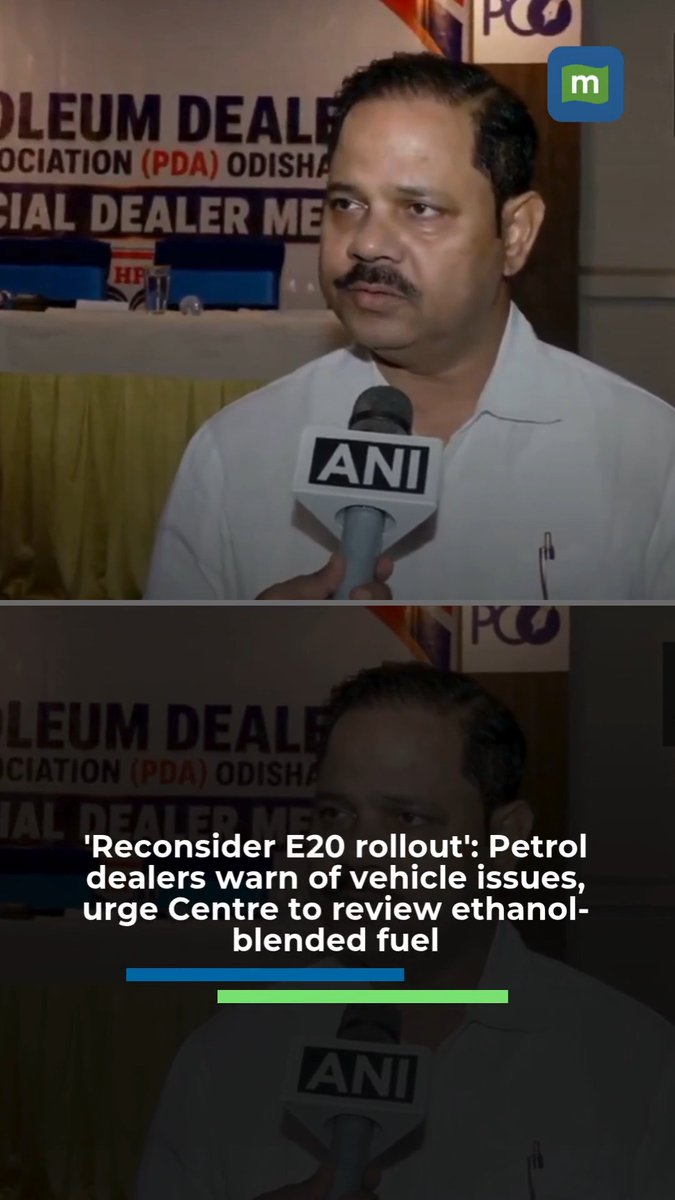
A misinformation is being spread that using E20 fuel can get your insurance claim rejected. Truth: E20 is a legally approved petrol blend, sold nationwide. The Ministry of Petroleum & Natural Gas has clarified E20 use alone cannot be grounds for rejecting an insurance claim. Don't believe the rumours....

10,485 views • 1 month ago •via X (Twitter)

0 Comments

No comments available

Comments from the original post will appear here

Related Videos

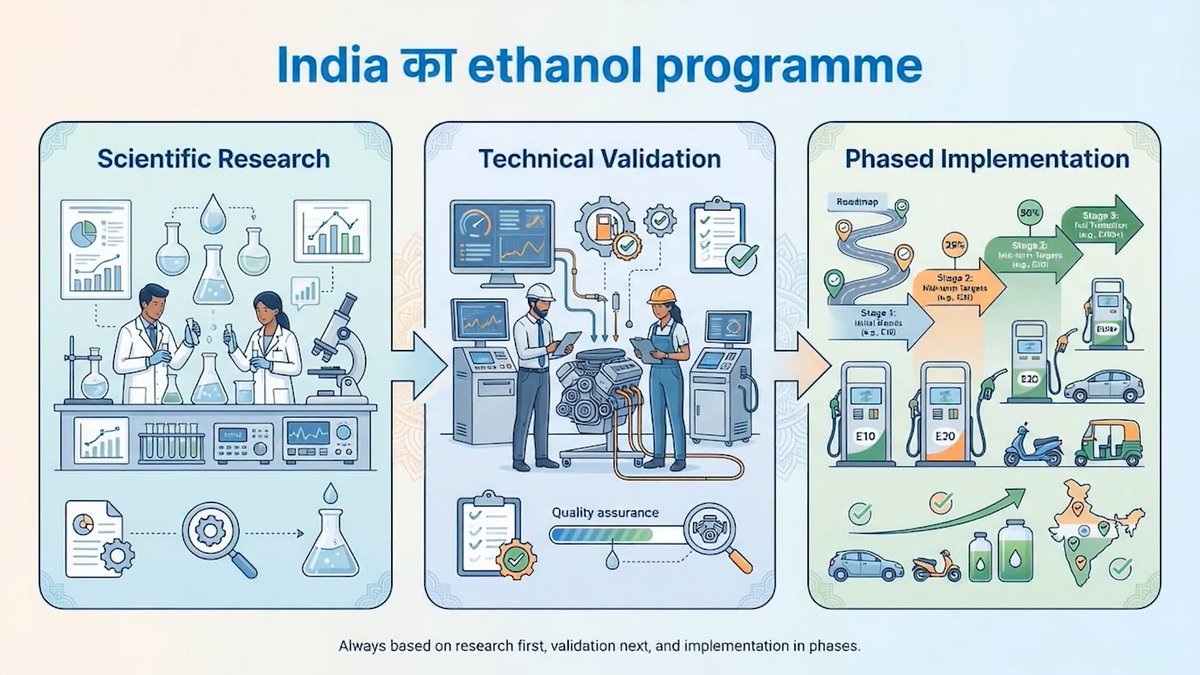
Arvind Kejriwal has done it again. In his eagerness to spread misinformation, he claimed that E20 is both a petrol blend and a diesel blend. It isn’t. E20 refers exclusively to petrol blended with 20% ethanol. Diesel has no such E20 blend. Anyone claiming otherwise is either astonishingly ignorant or deliberately misleading people. Now to the facts that propaganda conveniently ignores: 1. The “massive mileage loss” claim is false. There is no scientific evidence, extensive vehicle testing or real-world data supporting the claim that E20 causes a drastic drop in mileage. 2. Why ethanol is used Ethanol has several advantages: • Higher octane rating (~108.5 vs petrol’s ~84.4) • Better combustion • Reduced hydrocarbons, carbon monoxide and particulate emissions • Lower lifecycle carbon emissions by around 40% • Better anti-knock performance • Lower intake temperatures due to its higher heat of vaporization 3. Better performance, cleaner fuel Vehicles designed for E20 benefit from: • Better acceleration and pickup • Improved ride quality • Superior anti-knock characteristics • Cleaner combustion • Negligible particulate emissions 4. What about mileage? Yes, ethanol has a lower calorific value than petrol. But modern engines are calibrated to take advantage of ethanol’s high octane rating, improving thermal efficiency and offsetting much of the potential loss. The result? • E10-designed vehicles calibrated for E20 typically see only about 1–2% reduction in fuel economy. • Others may experience around 3–6%, depending on engine design. That is a far cry from the alarmist claims being circulated. 5. Mileage depends on much more than fuel Fuel economy is influenced by: • Driving habits • Tyre pressure • Wheel alignment • Traffic conditions • Air-conditioning usage • Engine maintenance • Air filter condition • Proper gear selection In day-to-day driving, these factors often have a much greater impact than the marginal difference attributable to E20. 6. E20 wasn’t introduced overnight The transition followed extensive testing with SIAM and leading automobile manufacturers. Manufacturers have produced E20-compatible vehicles for years, with dedicated E20-compliant models rolling out from April 2023. 7. Real-world evidence matters E19/E20 petrol has been used across India for over 2½ years. During this period: • More than 20 crore two-wheelers • More than 3 crore petrol cars have operated on these fuels without any widespread reports of engine failures or abnormal mileage loss attributable to E20. Manufacturers have continued to honour warranties. 8. Automobile manufacturers have spoken Toyota Kirloskar says ethanol is a globally proven high-performance fuel and India’s transition followed rigorous international testing. Maruti Suzuki confirms there is no field evidence of corrosion, abnormal wear or reduced component life due to E20. It notes that while mileage may reduce by about 3–3.5% because of ethanol’s lower calorific value, the difference is offset by better acceleration, improved anti-knock performance and significantly lower emissions. Hero MotoCorp says its nationwide service data shows no evidence of increased damage or wear and tear in vehicles running on E20. The bottom line: The claim that E20 causes a drastic reduction in mileage simply does not stand up to science, engineering or real-world experience. And here’s the obvious question: are people really expected to believe that millions of motorists have been meticulously recording and remembering the exact mileage their vehicles delivered over two-and-a-half years ago, only to suddenly conclude that today’s fuel economy is because of E20? India’s transition to E20 is based on science, extensive testing and environmental responsibility—not WhatsApp forwards and political misinformation. Before lecturing the country on fuel policy, Arvind Kejriwal should at least learn the difference between petrol and diesel.

Amit Malviya

30,326 views • 7 days ago