正在加载视频...

视频加载失败

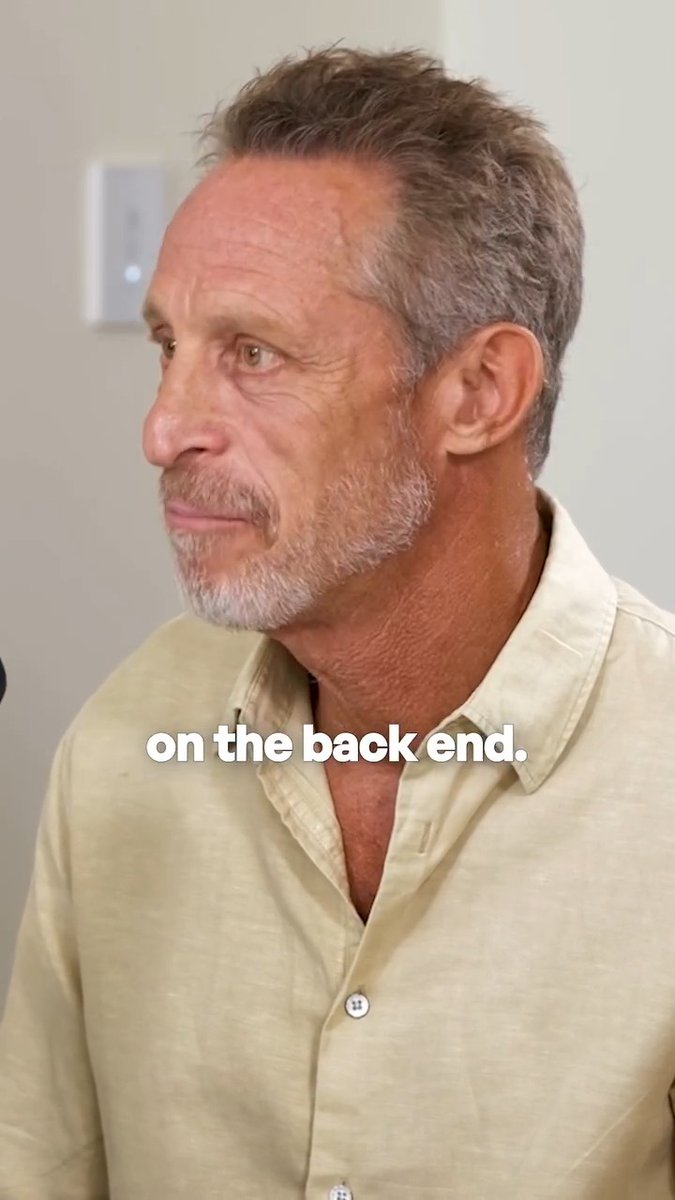
Dr. Pradip Jamnadas delivers a crystal-clear message in this 58-second clip: Why fast? To crash insulin. - Insulin only rises when you eat. - Constant eating = constant high insulin. - Fasting (18–24 hours) drops insulin dramatically → next meal triggers far less insulin release (sensitive response vs. “a...

22,904 次观看 • 5 个月前 •via X (Twitter)

0 条评论

暂无评论

原始帖子的评论将显示在这里

相关视频

Losing weight is ridiculously easy in 2025. But if your insulin is high, your body can't burn fat. Ever worse? High insulin wrecks testosterone and quietly drives your blood pressure through the roof. Here are 6 ways to lower it naturally👇 1. Lower your carbohydrate intake Carbs break down into glucose the fastest, forcing your pancreas to pump out insulin to control the spike. When you reduce daily carb load, your blood sugar stays stable. Stable blood sugar = less insulin released = easier fat-burning mode 2. Walk after every meal (even inside the house) A 5-minute walk acts like a glucose sponge. Your muscles pull sugar out of your bloodstream for energy, which lowers the insulin needed to process that meal. Even slow indoor walking reduces post-meal glucose by up to 30% in some studies. 3. Eat protein & fat before carbs Protein and fat slow stomach emptying. When carbs hit your bloodstream more slowly, insulin rises gently instead of spiking. This “food order” trick can reduce the insulin response by 20–40% with the same exact meal. Crazy, right? 4. Fasting. When you’re not eating, your insulin drops. And the longer insulin stays low... The more your body shifts into burning stored fat for energy. Want to supercharge your fasting and knock down blood sugar faster? Berberine might help. It doesn’t simply lower blood sugar and insulin the “natural way”. It activates the enzyme AMP‑activated protein kinase (AMPK) — a fat-burn accelerator. Find it here (Black Friday Amazon Deals) 👇 I also created a FULL-GUIDE on how to use Berberine properly (even if you have never taken it before). Comment "Send" and I'll send it over. (must Follow so I can DM) 4. Strength training. Your muscles act like insulin sponges. The more muscle you have, the more glucose you can store without needing high insulin. Even a single strength workout can increase insulin sensitivity for up to 24–48 hours. 5. Get 7–8 hours of sleep. Poor sleep raises cortisol, and cortisol tells your body to pump out more glucose. More glucose = more insulin. Good sleep resets your hormones overnight and improves insulin sensitivity the next day by 20–30%. 6. Get enough sunlight. Sunlight triggers nitric oxide release in the skin, which helps improve glucose uptake. - Lowers cortisol - Reduces cravings - Stabilizing blood sugar - Sets your circadian rhythm More sunlight = lower insulin throughout the day. My DMs are always open for ANY questions you might have. Thanks for reading until the end, see you in the next one. *Every body works differently, this is not medical advice, just what worked on me." *Always consult a health expert before following any protocols." *Affiliate links included.*

Achilleas

60,484 次观看 • 7 个月前

How to ACTUALLY reverse Insulin Resistance That frustrating diagnosis of insulin resistance means the old rulebook for your body is obsolete. What once worked to manage your weight no longer applies. The good news? The new playbook for metabolic recovery doesn’t demand superhuman willpower. As Dr. Annette Bosworth (Dr. Boz) clarifies, reversing insulin resistance hinges on three fundamental shifts. First, track insulin, not calories. The primary lever is your insulin response, not energy units. Carbohydrates trigger the most significant insulin spike, protein a moderate one, and fat the most negligible. In a low-insulin state, dietary fat becomes a powerful metabolic fuel. The directive: embrace fat and restrict carbs to under 20 grams daily. Second, don't eat after dark. The timing of your fat-based meals is critical. Consuming food after sunset carries a heavier metabolic penalty for those with insulin resistance. The golden rule: lengthen the interval between your last bite and bedtime to optimize next-day insulin sensitivity. Third, "measure it if you want to change it." Since you can't easily test insulin directly, Dr. Boz recommends tracking its two most controlled molecules: glucose and ketones. Her innovative "Dr. Boz Ratio" (Glucose ÷ Ketones) serves as a powerful proxy. A lower ratio signals lower insulin, and the ideal time for this measurement is first thing upon waking. The path to reversing insulin resistance is not about deprivation, but about strategic, informed choices.

Camus

17,349 次观看 • 7 个月前

Think your blood glucose tells the whole story? Think again. Dr. Ben Bikman (Benjamin Bikman) joins me to discuss insulin resistance, including why it often remains hidden until late stages and simple ways to detect it early. We explore insulin’s lesser-known roles in fat storage, appetite regulation, inflammation, and chronic disease. You’ll also learn how macronutrients, meal timing, and frequency uniquely influence your insulin sensitivity, and the critical differences between visceral and subcutaneous fat. Finally, we dive into how stress, sleep deprivation, nicotine, and environmental toxins shape your metabolism and unpack the realities of popular GLP-1 receptor agonist medications (like Ozempic), including their benefits, risks, and the intriguing potential of microdosing. We also provide practical, actionable strategies, dietary adjustments, exercise protocols, and targeted supplements that you can implement today to significantly boost insulin sensitivity and support long-term metabolic health. If you want to understand insulin resistance and take immediate steps to improve your metabolic health - this conversation is a must-watch. Watch the full episode on X and YouTube or listen on Spotify and Apple Podcasts now. Links in the comments. Timestamps: 0:00 - Introduction 1:33 - Can you be insulin resistant with normal glucose levels? 5:13 - Can glucose monitors detect hidden insulin resistance? 6:43 - What your skin reveals about insulin resistance 8:07 - Why is insulin resistance behind so many chronic diseases? 12:28 - Does obesity cause insulin resistance—or vice versa? 19:20 - Insulin’s surprising roles beyond blood sugar control 20:18 - What’s driving weight gain—insulin or calories? 27:12 - Do saturated fats cause insulin resistance? 33:44 - Why refined carbs amplify risks from saturated fat 36:46 - Fructose vs. refined sugar—which spikes insulin more? 37:43 - High-carb vs. keto—which diet controls hunger better? 42:09 - Why low-carb diets might provide a metabolic advantage 44:18 - Does exercise give you metabolic ‘wiggle room’? 48:42 - Why strength training beats cardio for insulin sensitivity 53:54 - Does meal frequency drive insulin resistance? 57:14 - Is nighttime snacking giving you insomnia? 59:06 - Can a sugary breakfast lead to overeating later? 1:04:01 - Does late-night eating disrupt sleep more than blue light? 1:05:41 - Can one bad night’s sleep trigger insulin resistance? 1:09:06 - Can air pollution cause weight gain? 1:12:58 - Vaping vs. smoking—which is worse for metabolic health? 1:14:20 - Can statins and antidepressants trigger weight gain? 1:17:04 - How to reverse insulin resistance in 90 days 1:27:35 - Ketone supplements—are the metabolic benefits real? 1:33:16 - Why some ethnicities get diabetes without obesity 1:41:11 - How oversized fat cells trigger metabolic chaos 1:46:10 - Do seed oils silently promote insulin resistance? 1:49:27 - Seed oils—always harmful or only when heated? 2:01:03 - Do fat cells shrink or disappear with weight loss? 2:03:48 - Are shrunken fat cells still insulin resistant? 2:06:23 - Injecting insulin for muscle—are the risks worth it? 2:09:27 - Are drugs like Ozempic a shortcut or solution for obesity? 2:15:55 - Are current GLP-1 agonist doses too high? 2:16:44 - Microdosing GLP-1 drugs—a solution for carb cravings? 2:22:43 - Do these medications cause muscle loss? 2:25:12 - Do GLP-1 agonist benefits extend beyond weight loss? 2:27:23 - Could these treatments actually promote longevity? 2:32:55 - The dark side of GLP-1 drugs—can they trigger depression? 2:36:14 - Insulin vs. glucose—what really drives accelerated aging? 2:41:16 - How high glucose levels damage cells 2:43:23 - How insulin shuts down your body’s stress defenses 2:47:57 - Which biomarkers best predict biological aging? 2:54:01 - Does eating dinner early improve insulin sensitivity?

Dr. Rhonda Patrick

148,744 次观看 • 1 年前