Загрузка видео...

Не удалось загрузить видео

На главную

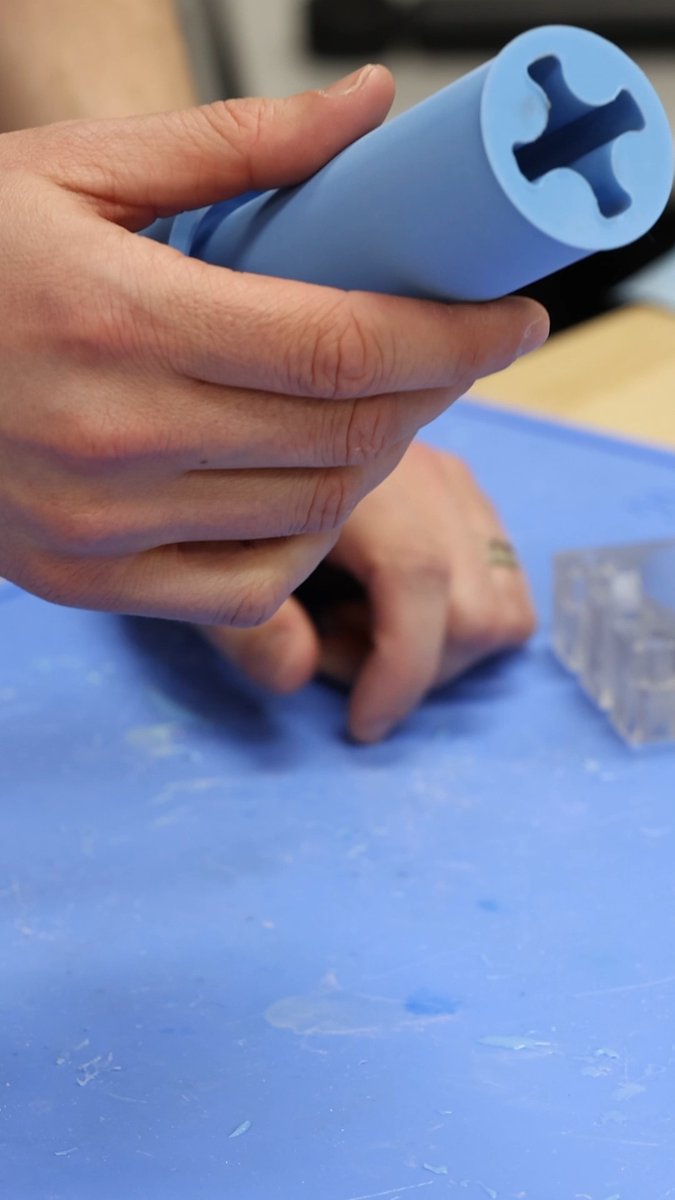
Encapsulating PCBs and their components in a protective material, often resin or silicone, is a vital procedure known as PCB potting. Its main objective is to shield electronics from environmental hazards like moisture, dust, chemicals, and mechanical strain. Video: Fisnar

41,463 просмотров • 2 лет назад •via X (Twitter)

Комментарии: 9

Фото профиля Jim Skadovsky
Jim Skadovsky2 лет назад

@Fisnar How to repair it?

Фото профиля MR MR
MR MR2 лет назад

@Fisnar It is not vital. It's optional.

Фото профиля nothing
nothing2 лет назад

@Fisnar Will this affect the heat dissipation performance of the components?

Фото профиля Huge Ackmann
Huge Ackmann2 лет назад

@Fisnar My water flosser had an electrical transformer in resin, it still malfunctioned. Also there is no way to fix it, so I removed it and connected an external transformer. It's a way to make things unfixable not more robust.

Фото профиля Chance
Chance2 лет назад

@Fisnar And to prevent repairs, reuse and recycle.

Фото профиля Mike M. Volokhov
Mike M. Volokhov2 лет назад

@Fisnar Yah! Like in an artillery shell, right?

Фото профиля not
not2 лет назад

@Fisnar

Фото профиля Ape descent
Ape descent2 лет назад

@Fisnar A vital procedure to shield the income of the CEOs.

Фото профиля Milo
Milo2 лет назад

@Fisnar The forbidden black liquid
Похожие видео

Shane Wighton, from the YouTube channel Stuff Made Here, used 3D-printed tooling to form a sheet metal component as part of a concept validation process. Metal manufacturing is essential for all areas of the economy. Because of their strength, stiffness, and long-term durability, metal components are used in applications from appliances to construction parts and car body panels. Traditional metal manufacturing techniques include forming, casting, molding, joining, and machining. Sheet metal forming involves various processes where force is applied to a piece of sheet metal to plastically deform the material into the desired shape, modifying its geometry rather than removing any material. Sheet metals can be bent or stretched into a variety of complex shapes, permitting the creation of complex structures with great strength and a minimum amount of material. Sheet metal forming is the most cost-effective forming procedure today for manufacturing parts in large quantities. It can be highly automated in factories or, at the other end of the spectrum, manually operated in metal workshops for small series parts. It is a versatile, consistent, and high-quality procedure to create accurate metal parts with limited material waste. From metal cans to protective housing for hardware, parts created by sheet metal forming are found everywhere in our daily lives. In this article, learn the basics of sheet metals, the various sheet metal forming processes, and how to reduce the cost of sheet metal forming with rapid tooling and 3D printed dies. For a detailed overview and the step-by-step method, watch our webinar or download our white paper: Research conducted by Shane Wighton. Check out the fantastic 15-minute video on his YouTube channel 'Stuff Made Here'! its top-notch engineering content.:

Formlabs

39,948 просмотров • 1 год назад