正在加载视频...
视频加载失败
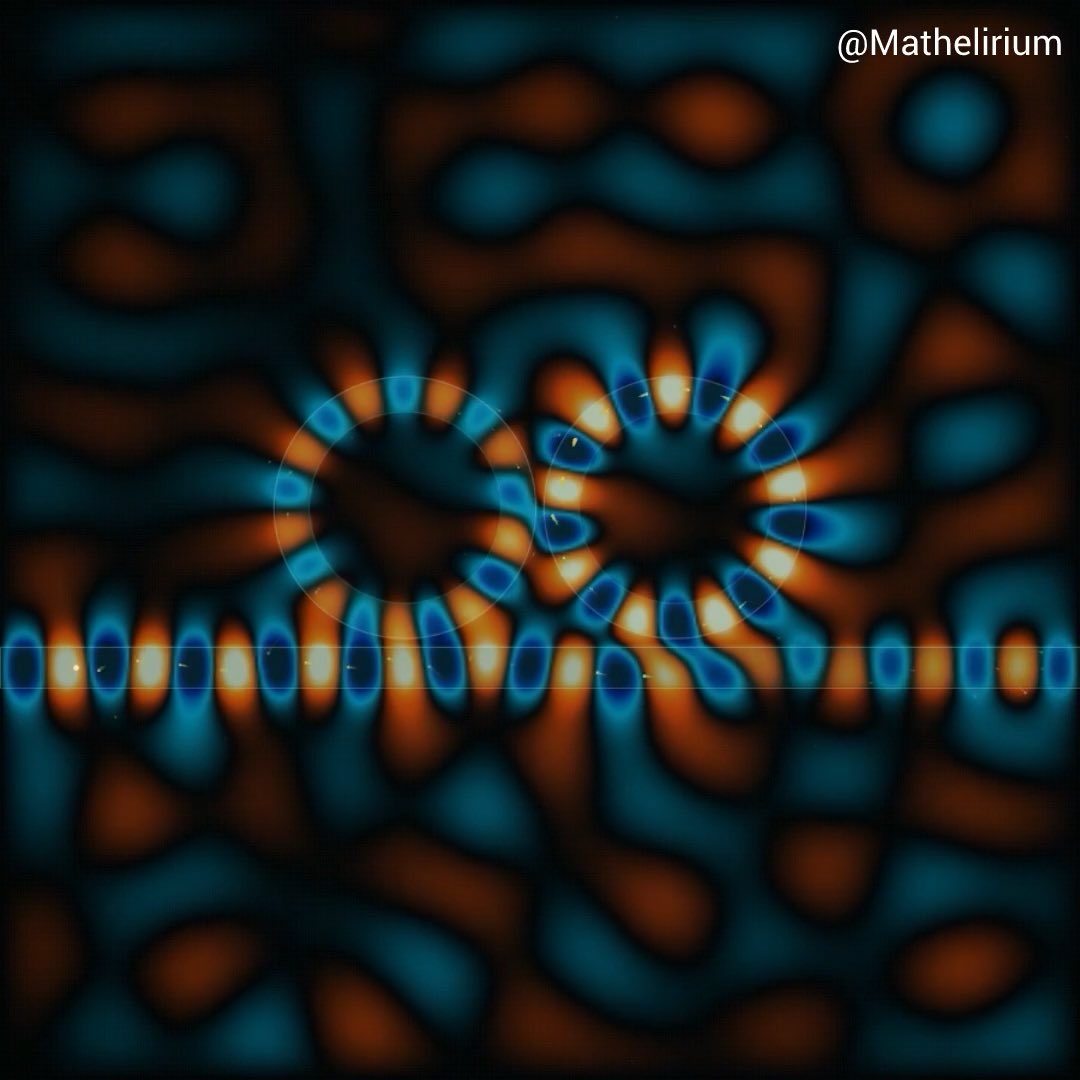
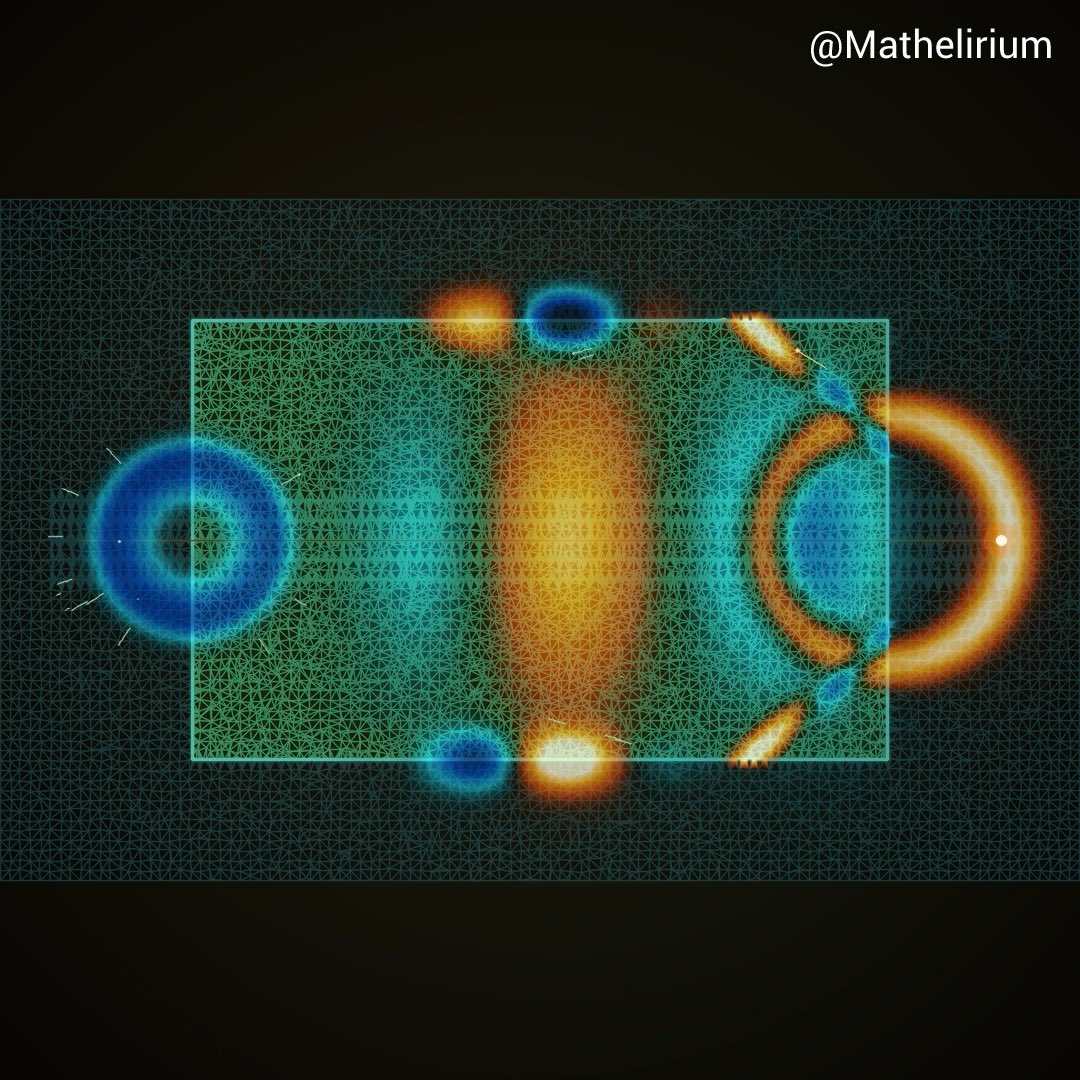
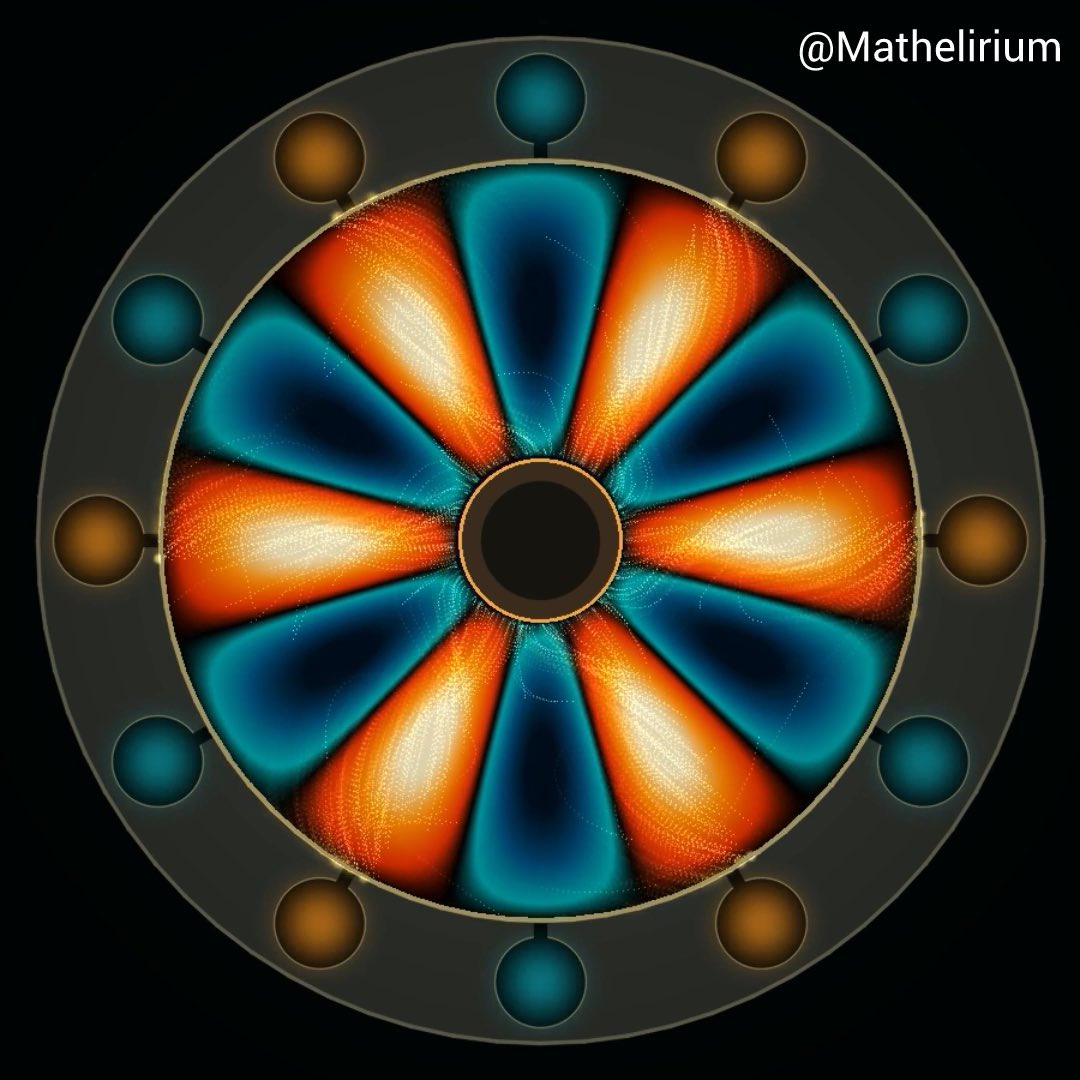
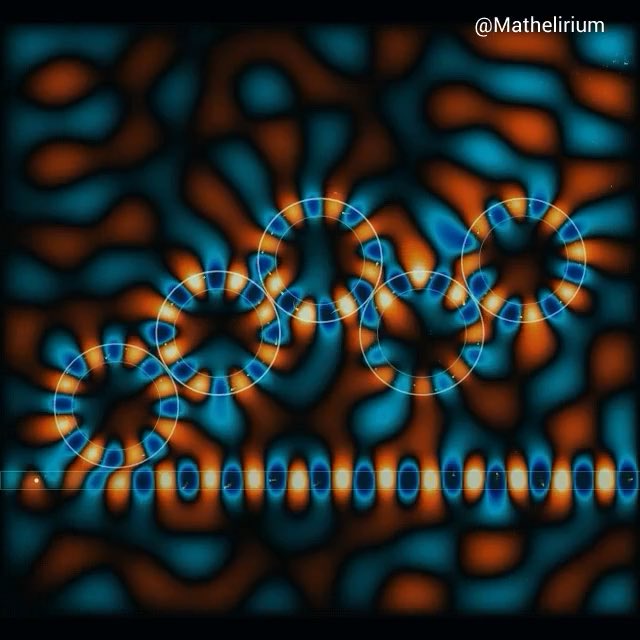
In Finite Element Method (FEM) of Computational Electromagnetics, a complex domain is divided into many small elements, and the governing equations are approximated and solved across those pieces. Here, we demonstrate the method by using a triangular mesh to simulate an electromagnetic wave travelling through a lens.

13,703 次观看 • 6 天前 •via X (Twitter)
6 条评论

navidi6 天前
For infinite boundary conditions use BEM (Boundary Element method) instead of FEM

Joshua Pi'Rwot5 天前
Yeah, it's like zooming in on a puzzle, every tiny piece helps see the big picture better!

J-F Rajotte ⚜ ⚜5 天前
Première fois qu'avec mon bagage je comprends bien ce que vous exprimez. J'ai fait des modèles d'éléments finis sur FORTRAN pour la transmission de chaleur ainsi que des modèles plus lourds pour des structures 3D. Je peux donc mieux apprécier votre post ici. Merci !

Rita O Ryan6 天前
love it that the music is back!
Rita O Ryan6 天前
Dexter!...love the soundtrack

Miguel BF-Engine6 天前
Triangular mesh through a lens, clean work. How much does the solve time jump when you push the frequency up? That is where I always end up reworking my setup.